Useful Links
Other Services we provide in East Moriches
For most residential cesspools in East Moriches, every one to three years is the realistic range and the lower end of that applies more often than people expect. Cesspools fill faster than modern septic tanks because of their single-chamber design, and the South Shore’s shallow water table compresses that timeline further. When the water table is high after heavy rain, a nor’easter, or a coastal storm your system’s leaching capacity drops, and a tank that was at 60% capacity can reach a problem threshold faster than it would in a drier, inland location.
If your home was built in the 1960s or 1970s, which covers a lot of East Moriches’s housing stock, you’re also dealing with an older system that has less tolerance for being pushed. The EPA’s general guidance is to pump when sludge reaches within 12 inches of the outlet but for pre-1980 cesspools on the South Shore, waiting for that threshold before scheduling service is cutting it close. A consistent schedule is a lot cheaper than the alternative.
For a standard residential pump-out in Suffolk County, the typical range runs from $200 to $500 depending on tank size, how accessible the system is, and how much waste has accumulated. A 1,000-gallon tank generally falls in the $225 to $400 range. A 2,000-gallon tank runs $400 to $600 or more. Emergency service when you’re calling because something has already backed up commands a meaningful premium over a scheduled appointment.
The number that matters more than the pump-out cost is what happens if you skip it. A cesspool repair or partial system replacement can run well into the thousands. A full system replacement under Suffolk County’s current I/A OWTS requirements which apply to any new installation since the county banned conventional cesspools in July 2019 runs $20,000 to $40,000 or more. Routine maintenance is the most cost-effective thing you can do for a system sitting under a $750,000 home.
One thing worth knowing: the bait-and-switch pricing pattern is documented in this market. A company quotes one number on the phone and a higher one once the truck is there. Ask for a clear explanation of what’s included in the quote before anyone comes out, and make sure you understand what would change that number.
The most obvious signs are slow drains throughout the house not just one fixture, but multiple combined with gurgling sounds in the pipes and a sewage smell coming from drains or from the yard. If you’re noticing wet, soft, or unusually green patches of grass over where the cesspool is located, that’s the system leaching at the surface, which means it’s past full. Any of these on their own warrants a call. All of them together is an emergency.
For East Moriches homeowners, there’s a seasonal pattern worth knowing. After a significant rain event or a nor’easter, the water table on the South Shore rises quickly. If your system was already close to capacity before the storm, the combination of reduced drainage and incoming groundwater can push it to failure within a day or two. Don’t wait to see if it resolves on its own after heavy weather if the drains are slow and it just rained hard, that’s not a coincidence.
Yes, completely. East Moriches has no municipal sewer infrastructure. Every home in the hamlet runs on a private cesspool or septic system, which means maintenance, compliance, and the cost of any repairs are entirely your responsibility. There’s no public system to connect to if yours fails the only option is to keep the one you have running, or replace it.
Suffolk County regulates cesspool maintenance under Article VI and Article VII of the county code. Contractors who service systems here are required to hold a Suffolk County Consumer Affairs license and meet LILWA certification requirements for septic pumping work. If something goes wrong with your system and it affects neighboring properties or the bay, the liability sits with you. That’s the reality of owning property in an unsewered hamlet on Long Island’s South Shore, and it’s why regular service from a licensed contractor matters more than it might in a town with a municipal backup option.
Get it pumped and documented as soon as you can. If there’s no service record from the previous owner and no paperwork showing when the system was last pumped, you have no way of knowing whether it’s at 20% capacity or 95%. Given that East Moriches homes were built primarily in the 1960s and 1970s, there’s a real chance the system hasn’t been serviced recently or that the current owner simply doesn’t have the records.
Starting fresh with a pump-out accomplishes a few things. It tells you the current state of the system. It gives you a baseline for scheduling future service. And it creates the first entry in a documented maintenance history, which matters when you eventually sell. In East Moriches’s real estate market, where home values are significant and buyers are often sophisticated, a cesspool with no service records is a flag that can complicate a transaction. Getting ahead of it now costs a fraction of what it costs to deal with it at closing.
Also worth knowing: if the location of the cesspool isn’t documented anywhere, we handle hard-to-find cesspools regularly. Older Suffolk County homes especially those built before modern permitting records were standardized often have systems that aren’t where you’d expect them to be.
It can, and the connection is more direct than most homeowners realize. Long Island sits on a sole-source aquifer all drinking water comes from groundwater, with no backup source. On the South Shore, the path from a cesspool to surface water is short. Sandy soil doesn’t filter nitrogen the way denser soils might, and in a bayfront community like East Moriches, groundwater moves toward Moriches Bay. Cesspools and septic systems are responsible for roughly 70% of the nitrogen entering Long Island’s bays, and a conventional cesspool releases approximately 40 pounds of nitrogen per household per year into the ground even when it’s functioning correctly. An overdue or failing system releases more.
For East Moriches residents specifically many of whom chose this hamlet for the bay, the boating, the shellfish, and the water access this isn’t an abstract environmental statistic. Nitrogen loading in Moriches Bay contributes to algae blooms, eelgrass loss, and the kind of shellfish closures that affect the quality of life the community is built around. Regular cesspool pumping won’t reverse decades of nitrogen loading on its own, but it is the most immediate, practical action a homeowner here can take to keep their system from making the problem worse.
Hear from Our Customers

Most homeowners don’t think about their cesspool until something goes wrong. A smell that won’t leave. Drains that are suddenly sluggish. Water pooling in the yard where it never did before. By that point, the system has already been struggling for a while and what started as a routine service call has turned into something more involved.
Getting ahead of it changes that entirely. A system that’s pumped on schedule runs the way it’s supposed to. You’re not dealing with backups, not calling someone in a panic on a Sunday, and not staring down an emergency repair bill that could run well into four figures or beyond.
For East Moriches specifically, there’s more at stake than the average inland town. The South Shore’s water table sits close to the surface, and Moriches Bay is right there. When a cesspool is overdue, it doesn’t just affect your property nitrogen and pathogens move through sandy soil quickly, and in a bayfront community, that path leads toward the same water where people boat, fish, and let their kids swim. Staying on top of pumping is the most direct thing a homeowner here can do to keep their piece of the bay the way they found it.
We’ve been working Suffolk County cesspools for over 30 years. We’re based in West Babylon South Shore, same coastal corridor as East Moriches so the conditions here aren’t new to us. Shallow water tables, older homes built in the 1960s and 70s, bay-adjacent drainage challenges, and the post-storm emergency calls that come with living on the water. That’s the environment we’ve been working in for decades.
We’re family-owned and operated. When you call, a real person answers. The technicians who show up George, Mike, Lucas are the same people who show up in customer reviews by name, which tells you something about how we work.
East Moriches homes, many built around or before 1979, often have cesspools that predate modern documentation standards. Some haven’t been located in years. We specifically handle hard-to-find cesspools it’s not a side capability, it’s something we’ve built a reputation on across Suffolk County.
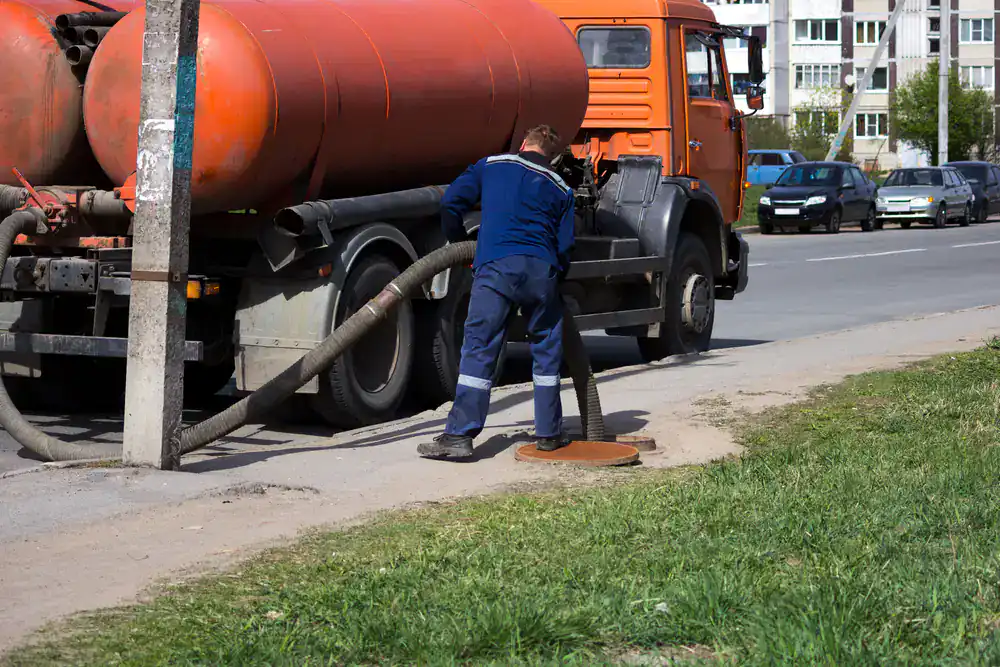
It starts with a call. You’ll speak with someone directly not a voicemail, not an automated system and you’ll get a clear picture of what the service involves and when we can be there. No quote that changes when the truck pulls up.
When our technician arrives, the first step is locating the cesspool access point. In East Moriches, where a significant portion of the housing stock dates to the 1960s and 1970s, covers are sometimes buried, unmarked, or simply unknown to the current owner. If that’s your situation, we handle the locating process it’s a common scenario in this part of Suffolk County and not something that derails the job.
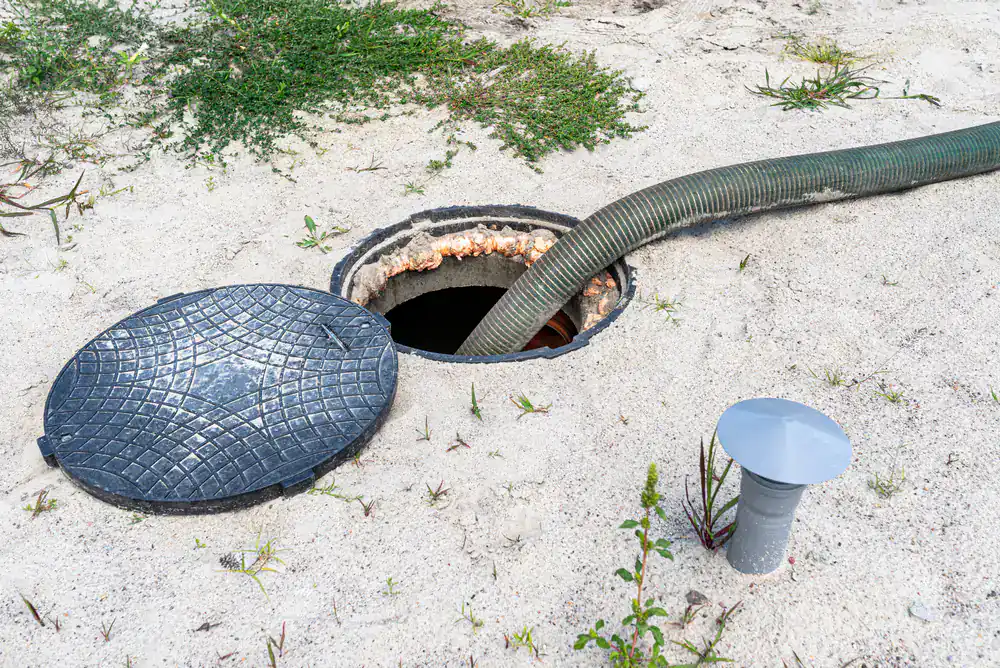
Once access is confirmed, we pump the tank down completely. This isn’t a partial service the goal is full removal of accumulated solids and liquid so the system can drain and function the way it’s designed to. After the work is done, you’ll receive written documentation of the service. That record matters more than most homeowners realize: Suffolk County health departments track cesspool maintenance history, and those records come up during home sales. In an active real estate market like East Moriches where median home values are pushing $750,000 having that paper trail in order is worth something.
Ready to get started?
Cesspool pumping and cesspool cleaning are not the same thing, and it’s worth understanding the difference before you book. Pumping removes the liquid waste and floating solids from the tank. Cleaning goes further it involves more thorough removal of hardened sludge from the chamber walls and floor, along with a closer look at the system’s condition. Many homeowners have had one without knowing they were missing the other.
We handle both, along with drain cleaning, septic pumping, and full system installation. That matters for East Moriches homeowners because a pump-out that reveals a system in poor condition doesn’t have to mean starting over with a different contractor. The same company that services your cesspool can assess what’s needed next whether that’s a repair, a drain line cleaning, or a conversation about what Suffolk County’s current I/A OWTS requirements mean for your property if a replacement ever becomes necessary.
For homes near Moriches Bay particularly in lower-elevation areas like Newport Beach and Hart’s Cove the stakes of a failing system are higher than they are for an inland property. Storm surge events can flood cesspool chambers, and a system that was already overdue going into a nor’easter is a system that’s likely to fail during one. Getting serviced before storm season, not after, is the practical move for anyone living close to the water on Montauk Highway or down toward the coves.