
Useful Links
Other Services we provide in Islip
The standard guideline for Long Island cesspools is every one to three years, but that range assumes average soil conditions and a typical water table. In Islip, particularly on streets close to the Great South Bay, the water table is significantly more elevated than in inland Suffolk County communities. When the surrounding soil is already saturated which happens more frequently in coastal areas and after heavy rain your cesspool’s ability to leach treated effluent slows down considerably. That means the system fills faster than the standard schedule accounts for.
For waterfront and near-waterfront properties in Islip, a more conservative schedule closer to every one to two years is a reasonable starting point. The honest answer is that the right interval depends on your specific property: how close you are to the bay, how many people are in the household, the age and size of your system, and how the system performed at the last service visit. A technician who actually looks at your system can give you a much more accurate recommendation than any general guideline.
Pumping removes the liquid waste and the floating solids from your cesspool it’s the core service most people are scheduling when they call. Cleaning goes a step further and addresses the hardened sludge that builds up along the walls and bottom of the chamber over time. That material doesn’t come out with a standard pump-out, and if it accumulates long enough, it starts reducing the effective capacity of your system.
Which one you need depends on how long it’s been since your last service and the current condition of the system. If you’re on a regular schedule and the system is in reasonable shape, a pump-out is typically sufficient. If it’s been several years, if you’ve noticed slow drains or odors, or if you’ve recently purchased an older Islip home with no clear service history, a more thorough cleaning is likely the better call. We can assess this when we’re on-site you don’t have to guess in advance.
The most obvious signs are the ones you can’t ignore: sewage odor coming from your drains or from the yard, toilets that flush slowly or gurgle after flushing, and standing water or unusually green grass over the area where the cesspool is located. Any one of those is a signal that the system is at or near capacity and needs attention soon.
What’s worth knowing in Islip specifically is that the warmer months tend to make these symptoms more noticeable and more urgent. The summer season brings heavier household water use, and the South Shore heat makes odors harder to miss. If you’re noticing any of these signs heading into spring or summer, don’t wait to see if they resolve on their own. By the time a cesspool is showing symptoms, it’s already in distress. Getting a pump-out scheduled at the first sign of a problem is almost always cheaper than dealing with a full backup or an overflow event near the bay.
In most parts of Suffolk County, a cesspool overflow is primarily a property problem a mess, potential damage, and an expensive emergency call. In Islip, where properties along the Great South Bay fall under Suffolk County’s environmental setback requirements for tidal water proximity, an overflow can also become a regulatory problem. The New York State Department of Environmental Conservation has jurisdiction over events that affect tidal water bodies, and an overflow near the Great South Bay can trigger DEC involvement on top of the standard health department concerns.
Beyond the regulatory exposure, the cost math is straightforward. A routine pump-out runs $200 to $500 for most residential systems in Suffolk County. Emergency service commands a significant premium over that. And if deferred maintenance leads to system failure, a full replacement with an Innovative/Alternative Onsite Wastewater Treatment System now required under Suffolk County’s 2019 installation ban can run $20,000 to $40,000 or more. Staying on schedule is genuinely the less expensive path.
This is more common than most people realize, especially in Islip hamlet where a significant portion of the housing stock dates back to the 1950s and 1960s. Systems installed that long ago often have no surviving documentation of their location, and covers get buried under decades of landscaping and grading changes. It’s not unusual for a new homeowner to have no idea where the system is or when it was last serviced.
The first step is to call a company that has specific experience locating hard-to-find cesspools this is an actual skill, not something every provider handles well. We specifically call this out as a specialty, which matters when you’re starting from zero. Once the system is located, the next step is a baseline pump-out and inspection so you know exactly what condition the system is in before you’re living with it long-term. Getting that first service done and documented also starts your compliance record with the Suffolk County Department of Health Services, which will matter when you eventually sell.
The pump-out itself doesn’t require a homeowner permit you’re scheduling a service, not pulling a construction permit. What does matter is that the contractor performing the work holds a valid Suffolk County Consumer Affairs license and meets the LILWA certification requirements for cesspool pumping in Suffolk County. These aren’t optional credentials; they’re legally required for anyone doing this work in Islip. Before hiring any provider, ask for their license information directly.
On the documentation side, contractors are required to report cesspool pumping records to the Suffolk County Department of Health Services. That means the service visit creates an official record one that gets referenced during home sales and can be requested during compliance reviews. For Islip homeowners, particularly those on waterfront streets where DEC environmental setback rules apply, having a clean, documented service history is meaningful protection. It shows the system has been maintained properly, which matters both to county regulators and to buyers’ attorneys at the closing table.
Hear from Our Customers
The most immediate thing you notice is the absence of a problem. No smell creeping up through the drains. No slow flush that makes you wonder. No soggy patch in the backyard that wasn’t there last week.
For Islip homeowners specifically, the stakes are higher than they are for someone living further inland. The Great South Bay sits at your doorstep, and the water table in this part of Suffolk County is significantly more elevated than in communities to the north. That combination means your cesspool fills faster and the consequences of overflow are more serious.
There’s also the matter of what happens when you sell. Suffolk County tracks cesspool maintenance records, and buyers’ attorneys request that documentation during transactions. Islip homes carry real value having a clean service history on file protects that value in a way that skipping a pump-out simply doesn’t.
An overflow event near the bay doesn’t just mean a backed-up toilet. It can trigger DEC involvement, which is a different category of problem entirely. Staying on schedule prevents that from becoming your problem.
We’re a family-owned cesspool and drainage company based out of West Babylon about seven miles west of Islip hamlet along the same South Shore. That proximity isn’t accidental. The same elevated water table, the same coastal soil conditions, and the same aging housing stock that define Islip are the conditions we’ve been working in for over thirty years.
The technicians who show up at your door are the same people who’ve handled difficult jobs throughout Nassau and Suffolk Counties, including a specialty we’ve developed over decades: locating hard-to-find cesspools in older homes where the original location records were lost. In a hamlet like Islip where a significant portion of the housing stock dates back to the 1950s and 1960s, that’s a real skill.
From routine pump-outs to full system inspection, repair, and installation, we cover the entire lifecycle of a cesspool. One call, one crew, no need to manage multiple contractors.

It starts with a call. A real person picks up not a voicemail, not a callback queue and we ask you the basics: address, when you last had service, and whether you’re dealing with an active problem or scheduling ahead. From there, you get a time window and a straight answer on what to expect.
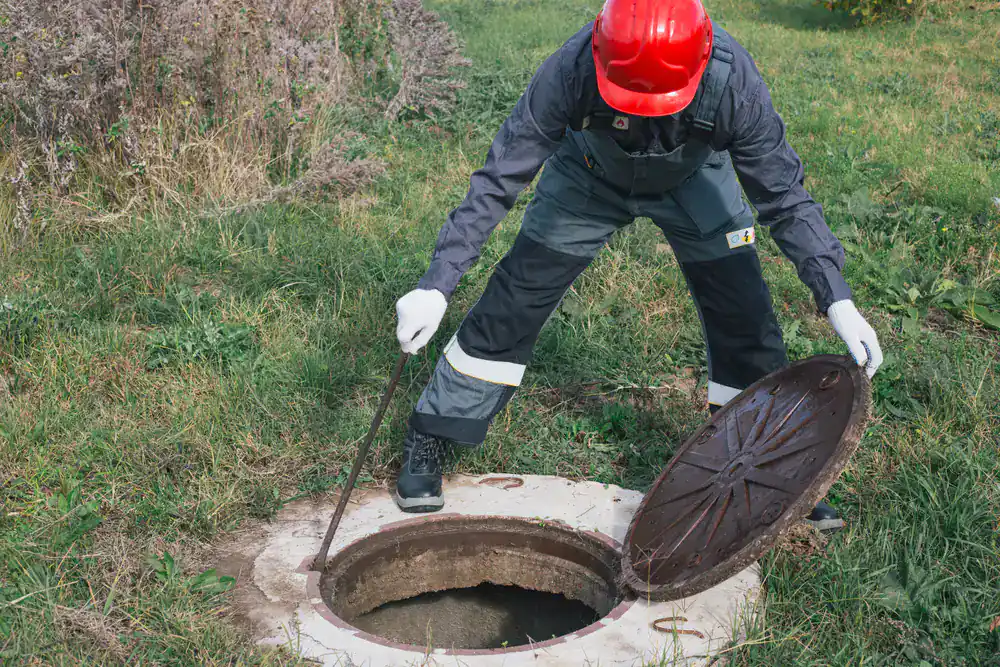
When our crew arrives, the first step is locating the cesspool access point. In Islip’s older homes, this is sometimes the most involved part of the job. Systems installed in the 1950s and 1960s don’t always have documented locations, and covers get buried over time. We have specific experience locating hard-to-find cesspools it’s not a complication that slows us down, it’s a routine part of working in older South Shore communities.
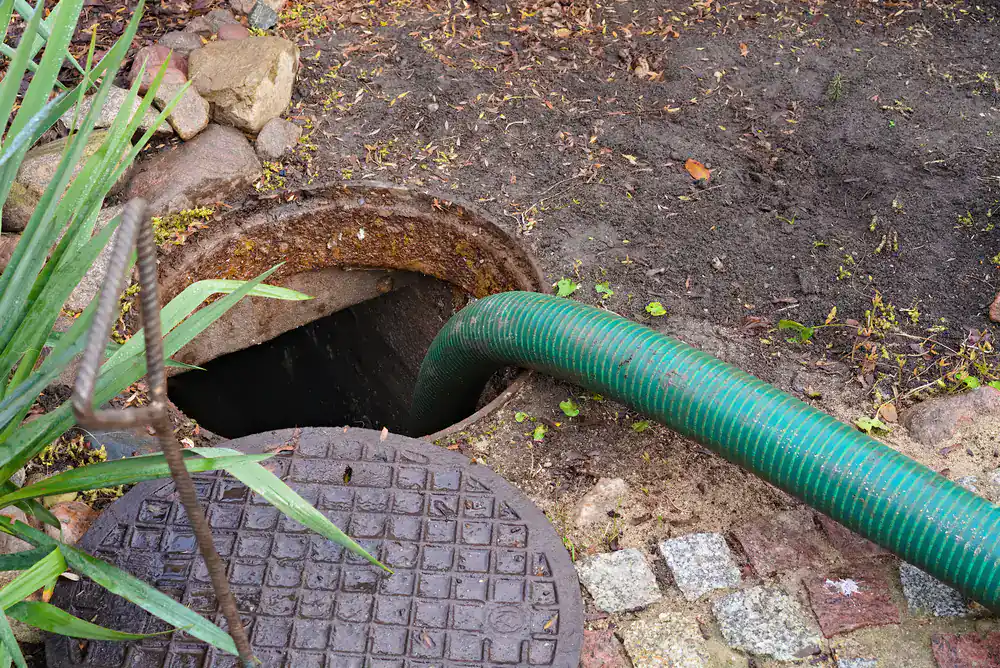
Once access is confirmed, we pump the system completely liquid waste, floating solids, and accumulated sludge. We also assess the condition of the system while we’re there, which matters for properties near the Great South Bay where Suffolk County’s environmental setback requirements apply to tidal water proximity.
After the job, you receive written service documentation. That’s the record that goes on file with the Suffolk County Department of Health Services and the one that protects you at the closing table.
Ready to get started?
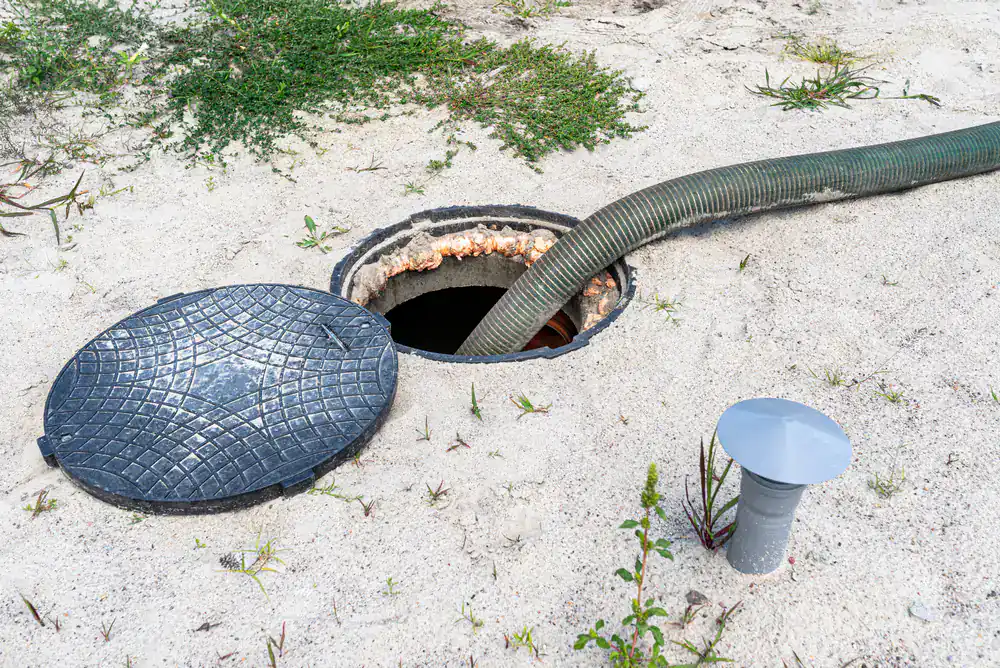
Pumping and cleaning aren’t the same thing, and the difference matters. Pumping removes the liquid waste and floating solids from the system. Cleaning goes further it addresses the hardened sludge that accumulates along the walls and bottom of the chamber over time. Most homeowners don’t know which one they’re getting until the bill arrives. We explain the scope of work before anything starts.
For Islip properties near the Great South Bay, our service also includes an assessment of system condition relative to Suffolk County’s environmental setback requirements for tidal water proximity. An overflow event near the bay doesn’t just mean a backed-up toilet it can trigger DEC involvement, which is a different category of problem entirely. Knowing the condition of your system before that happens is the whole point.
We serve both residential and commercial properties throughout the Islip area, including the surrounding hamlets along the South Shore. Whether you’re on a waterfront street off Montauk Highway, further north toward Islip Terrace, or managing a commercial property near the Main Street corridor, the same licensed, insured team handles the job. No subcontracting, no surprises on pricing, and written documentation provided after every visit.
