Useful Links
Other Services we provide in Miller Place
It depends on your specific property, but Miller Place is well-positioned for eligibility. The Suffolk County Septic Improvement Program prioritizes properties in environmentally sensitive areas, and northern Brookhaven which includes Miller Place sits within the Town of Brookhaven’s Nitrogen Protection Zone, an area specifically identified for elevated nitrate levels in groundwater. Properties that discharge closer to Long Island Sound tend to score well under the program’s criteria.
To qualify, your property generally needs to have a valid certificate of occupancy, no outstanding tax liens, and an existing system that will be fully abandoned and replaced not just supplemented. The grant application must be submitted and approved before installation begins. That’s the part most homeowners miss. If you schedule the installation first and apply after, you lose the funding. We can help you navigate that sequence from the start.
A cesspool is essentially a pit. Waste goes in, liquids seep out into the surrounding soil, and solids accumulate at the bottom until the system gets pumped. There’s no treatment happening the effluent that leaves a cesspool goes directly into the ground with very little filtration. A septic system, by contrast, separates solids from liquids in a tank, and the liquid effluent then moves through a leaching field where it gets filtered before reaching the groundwater.
The distinction matters for two reasons. First, Suffolk County banned new cesspool installations as of July 1, 2019. If your cesspool fails and needs to be replaced, you cannot simply replace it with another cesspool you’re required to install a system that meets current standards at minimum. Second, if your property is in an area like Miller Place where groundwater feeds into Long Island Sound, the difference in nitrogen output between a cesspool and a modern I/A OWTS system is substantial. Conventional cesspools release roughly 40 pounds of nitrogen per household per year into the soil. An advanced nitrogen-reducing system cuts that figure by up to 70 percent.
The active installation work itself excavation, system installation, and site restoration typically takes one to three days for a residential property. Most straightforward installations in Miller Place complete in a single day once our crew is on-site. The longer part of the timeline is what happens before the crew arrives.
Permitting through the Suffolk County Department of Health Services adds time. A perc test needs to be scheduled and completed, the system design needs to be submitted, and SCDHS needs to review and approve the application before any ground gets broken. That review window can range from a few weeks to longer depending on application volume and whether any revisions are needed. If you’re applying for SIP grant funding at the same time, factor in that approval timeline as well the grant certificate needs to be issued before installation begins. The sooner you start the process, the sooner you’re done.
It matters significantly. Septic and cesspool work in Suffolk County requires a specific Liquid Waste License issued under Chapter 563, Article VII of Suffolk County’s licensing code. This is separate from a general plumbing or contracting license a licensed plumber who doesn’t hold a Suffolk County Liquid Waste License cannot legally do this work. Contractors must also carry $1,000,000 in liability insurance and a $10,000 bond.
For I/A OWTS installations specifically, there’s an additional layer. Contractors need to complete the I/A OWTS installer certification through a program run jointly by the Suffolk County Department of Health Services and the University of Rhode Island. And if you want to use SIP grant funding, the contractor must be on the Suffolk County Septic Improvement Program’s approved installer list the grant funds are assigned directly to the contractor, not reimbursed to you afterward. Hiring someone who isn’t on that list means you’re paying out of pocket for a job that could have been largely covered. Before you commit to any contractor, ask for their license number and confirm their SIP approved installer status directly with the county.
A system installed in the 1960s is now roughly 60 years old. The typical service life of a conventional cesspool is somewhere between 25 and 40 years under normal use. So if your system hasn’t been replaced, it’s operating well past its expected lifespan which doesn’t automatically mean it’s failing, but it does mean the margin for error is gone.
The honest answer is that you can’t know the condition of your system without an inspection. Many failing systems show no obvious above-ground signs until something collapses or backs up. Wet patches in the yard, slow drains, and sewage odors are the obvious signals, but plenty of systems that look fine from the surface are compromised underground. This is especially relevant for Miller Place properties that started as beach cottages those systems were originally sized for seasonal, part-time use and have been running year-round for decades. An inspection tells you what you’re actually dealing with, and it’s the only way to make a real decision about repair versus replacement rather than guessing.
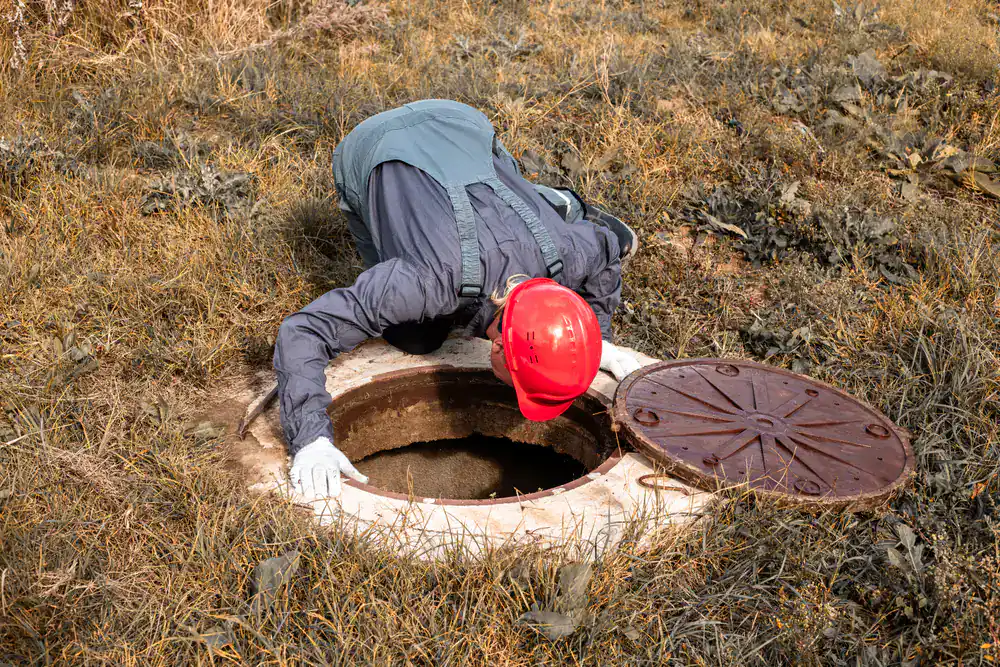
The old system gets properly abandoned as part of the installation process this isn’t optional and it isn’t something that gets skipped to save time. Proper abandonment means the existing cesspool is pumped out completely, then either crushed and filled with clean material or sealed in a way that prevents future collapse. The work gets documented, and we provide installation records that include the abandonment of the prior system.
This matters for a few reasons. Suffolk County requires documented abandonment as part of the SCDHS permit process you can’t simply cap an old cesspool and walk away. It also matters for your property long-term. An improperly abandoned cesspool can collapse years later, creating a sinkhole in your yard and a liability problem. In Miller Place, where many properties have older cesspools that may not even be mapped or marked on original property records, part of the early site assessment is locating what’s actually underground before designing the replacement system. That step prevents surprises during excavation and makes sure the new system is positioned correctly relative to the old one.
Hear from Our Customers
Miller Place has one of the most varied housing histories on Long Island’s North Shore. You’ve got historic colonials along North Country Road that predate the country itself, post-war beach cottages that were converted into year-round family homes decades ago, and newer construction in neighborhoods like Tallmadge Woods. What most of these properties have in common is a wastewater system that was never built for the demand being placed on it today.
When a cesspool was installed for a seasonal cottage in the 1950s, it was sized for a family spending six weeks at the beach not five people living there 365 days a year. A properly installed septic system changes that. You get a system designed around your actual household size, your lot’s soil conditions, and the regulatory requirements that apply to your specific property in Brookhaven Town. No more guessing whether a pump-out bought you another year or just delayed the inevitable.
For homeowners near Cordwood Landing or along the bluff-side streets overlooking Long Island Sound, there’s something else worth knowing. Properties in environmentally sensitive coastal areas of northern Brookhaven may receive preferential consideration under the Suffolk County Septic Improvement Program which means your location, the same one that makes Miller Place worth living in, could work in your favor when it comes to grant eligibility.
Drastic Drainage Long Island is a family-owned and operated company based in Suffolk County, with over 30 years of hands-on experience working on Long Island properties. That experience matters in Miller Place because the hamlet isn’t a straightforward market. The bluff terrain in the north, the varied soil conditions across the community, and the older housing stock along North Country Road all create installation scenarios that a contractor without genuine local knowledge will fumble through.
Our owner Michael Chiofalo and his crew the same technicians customers mention by name in reviews handle the work from the first site visit to the final sign-off. We serve both Nassau and Suffolk Counties, and we’ve navigated the Suffolk County Department of Health Services permit process and Article 6 requirements enough times to know what actually moves things forward and what causes delays.
If you’re in Miller Place and you’re trying to figure out whether your system needs repair, replacement, or a full I/A OWTS installation, the starting point is a straight conversation not a sales pitch.

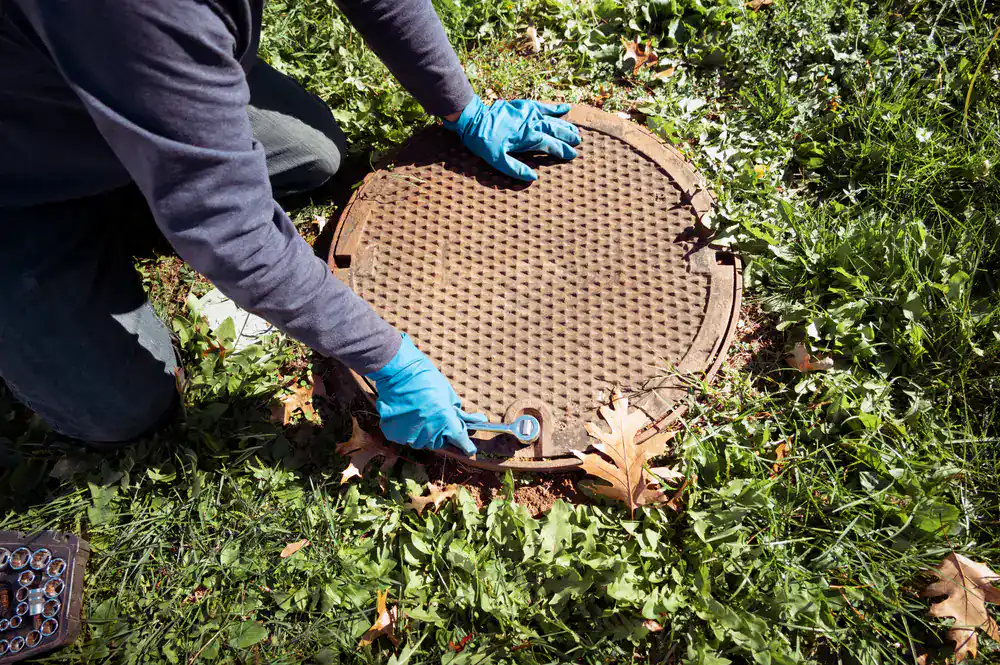
It starts with a site visit. Before anything else, we assess the property lot size, soil conditions, existing system location, and how the terrain affects drainage. In Miller Place, that last part matters more than people expect. The bluff-side properties in the north have different drainage dynamics than the flatter, more wooded lots to the south, and those differences shape what kind of system gets designed for your property.
From there, a soil percolation test confirms how the ground absorbs water. That data feeds directly into the system design, which then gets submitted to the Suffolk County Department of Health Services for permitting under Article 6 of the Sanitary Code. This is the step that requires patience permits take time, and if you’re also applying for funding through the Suffolk County Septic Improvement Program, the grant approval needs to come through before installation begins. That’s not optional. Skipping that step means losing eligibility entirely.
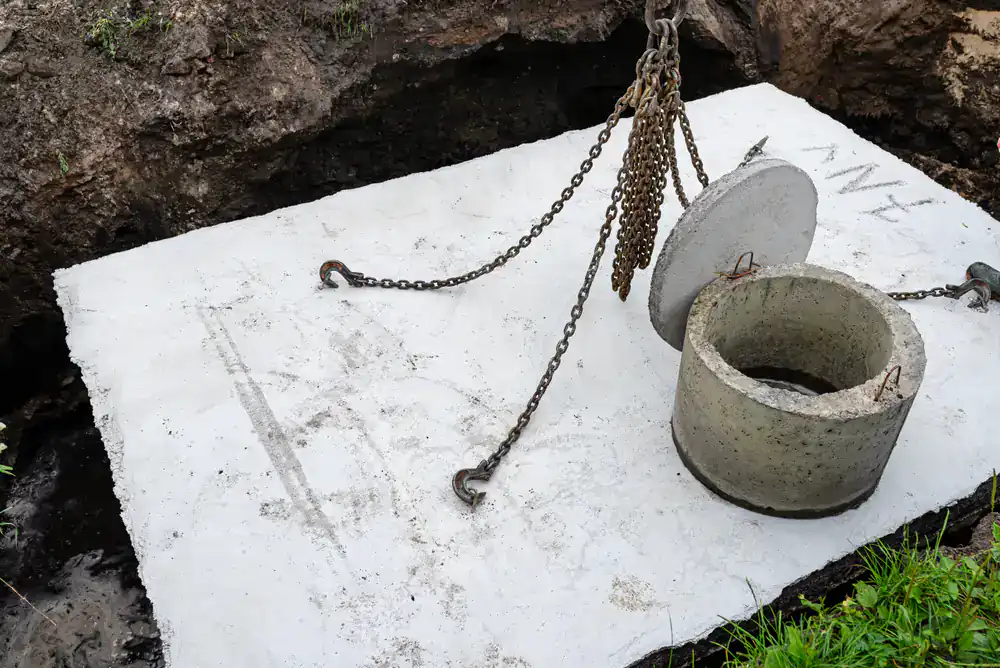
Once permits are in hand, most residential installations complete in a single day. The old system gets properly abandoned pumped, documented, and filled and the new system goes in. After installation, a SCDHS inspection closes out the job and you receive your installation records. If an I/A OWTS system was installed, your annual service contract requirement kicks in at that point, which is something we walk you through before you sign anything.
Ready to get started?
Septic installation in Miller Place isn’t one-size-fits-all, and we don’t treat it that way. The process starts with a real assessment of your property not a generic quote based on square footage. Soil conditions in Miller Place vary considerably across the hamlet, and the design of your system reflects what’s actually happening underground on your specific lot, not what typically works a few miles away.
For properties that qualify and many in northern Brookhaven do, given the proximity to Long Island Sound and the Nitrogen Protection Zone designation that covers this area I/A OWTS installation is an option worth understanding. These advanced nitrogen-reducing systems are now required in many replacement scenarios under Suffolk County’s post-2019 regulations, and they’re the systems that unlock access to grant funding through the Suffolk County Septic Improvement Program. As of mid-2025, combined state and county grants can reach $45,000 for qualifying installations. We can walk you through whether your property and situation meet the eligibility criteria before any work is scheduled.
Every installation includes proper abandonment of the existing system, permit filing with SCDHS, the installation itself, and full documentation upon completion. There are no handoffs to a separate permit expediter or a different crew for excavation. One company handles it start to finish, which means one point of contact when you have questions.