
By submitting you consent to receive service-related texts from Drastic Drainage. Reply STOP to opt out. Msg & data rates may apply. Consent not required to book service.
Useful Links
When your cesspool is properly maintained, you stop guessing. No more wondering whether that slow drain is a minor clog or the beginning of something that costs thousands to fix. You get a clear answer, a documented service record, and the confidence that your home’s waste system is doing what it’s supposed to do — quietly, reliably, and without surprises.
For Huntington homeowners specifically, that clarity matters more than most people realize. A significant portion of the town’s residential housing stock dates back to the post-war boom of the late 1950s and early 1960s. Cesspools installed during that era are now 60 to 70 years old — well past the 20-to-40-year lifespan that’s considered standard in this industry. If you bought your home before 1980, the cesspool that came with it was already aging before you moved in.
The environmental stakes here are also unusually high. Huntington sits along five North Shore harbors — Huntington, Cold Spring Harbor, Lloyd Harbor, Centerport, and Northport — all of which have been identified as impaired by the DEC and DEP, with nitrogen from residential cesspools cited as a primary cause. Maintaining your system isn’t just about your household. It’s about the same harbors where your kids swim and where the town’s shellfishing beds depend on clean groundwater flowing in from the surrounding neighborhoods.
The general guideline for most Long Island households is every one to three years, depending on the size of your system and how many people are in the home. A 1,000-gallon cesspool serving a family of four will fill faster than the same system serving a couple. Most Huntington homes fall somewhere in that range, but the honest answer is that the right interval depends on what’s actually in the ground under your property.
What makes Huntington worth paying attention to is the age of the housing stock. If your home was built during the 1950s or 1960s — which describes a large portion of the town — your cesspool may have been installed at the same time and has never been replaced. At that age, regular pumping isn’t just maintenance, it’s the difference between catching a problem early and dealing with a full system failure. An inspection alongside your next pump-out can tell you where things actually stand.
The most common early signs are slow drains throughout the house, gurgling sounds in the pipes, and a sewage odor either inside or outside near the yard. A wet or unusually green patch of grass directly above where the cesspool sits is another signal — it usually means effluent is surfacing because the system can no longer absorb it properly.
What many homeowners don’t realize is that a cesspool can be near capacity with no visible symptoms at all. In Huntington, this is compounded by the fact that the North Shore’s sandy glacial soil drains quickly in dry conditions but can become saturated after heavy spring rains — which temporarily reduces the ground’s ability to absorb effluent and can push a borderline system into failure faster than expected. If you’ve had a wet season and something feels off, that’s worth a call sooner rather than later.
Yes, directly. As of July 1, 2019, Suffolk County banned the installation of new traditional cesspools. If your existing system fails and needs to be replaced — not just repaired or pumped, but fully replaced — you are required to install an Innovative/Alternative (I/A) onsite wastewater treatment system instead of another conventional cesspool. These systems are more expensive upfront, but they reduce nitrogen output by up to 70%, which matters significantly in a town where nitrogen from residential systems has been identified as a primary cause of impairment in Huntington’s five North Shore harbors.
The good news is that the Suffolk County Septic Improvement Program offers financial assistance for qualifying upgrades. The Town of Huntington actively promotes this program on its official website, and the 2024 Suffolk Water Quality Restoration Act expanded the county’s reimbursement to up to 75% of project cost, with a maximum of $25,000 for eligible homeowners. If you’re facing a replacement, it’s worth understanding what financial help is available before assuming you’re on your own for the full cost.
Free, no-obligation estimates on cesspool, sewer, and drain work.
We get there quickly. No waiting days for a callback.
Backups don’t wait for business hours. Neither do we.
Fully licensed and insured across Long Island.
Up-to-date trucks and tools for cleaner, faster jobs.
Straight quotes, no surprises on the bill.
Hear from Our Customers
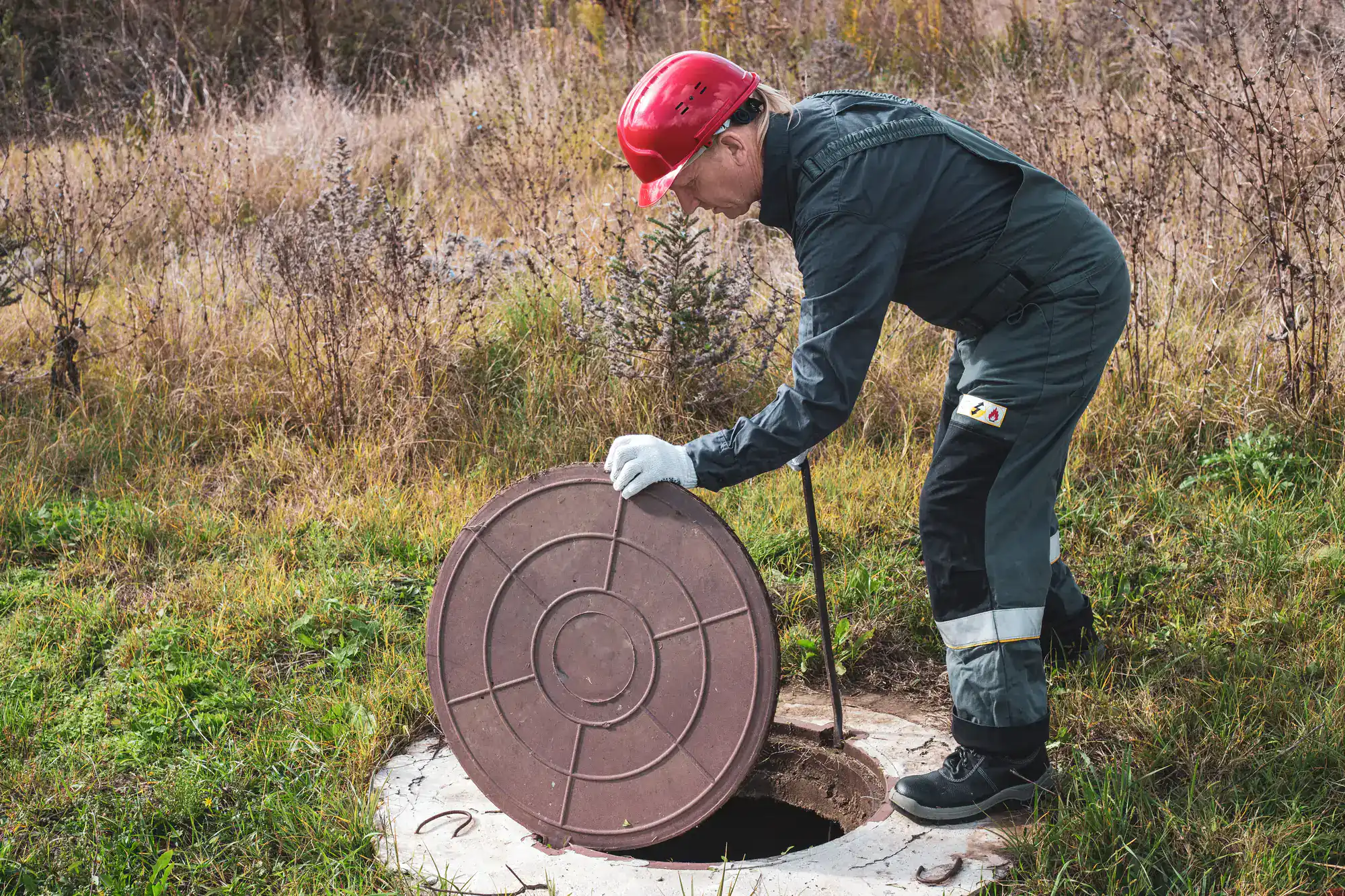
When your cesspool is properly maintained, you stop guessing. No more wondering whether that slow drain is a minor clog or the beginning of something that costs thousands to fix. You get a clear answer, a documented service record, and the confidence that your home’s waste system is doing what it’s supposed to do — quietly, reliably, and without surprises.
For Huntington homeowners specifically, that clarity matters more than most people realize. A significant portion of the town’s residential housing stock dates back to the post-war boom of the late 1950s and early 1960s. Cesspools installed during that era are now 60 to 70 years old — well past the 20-to-40-year lifespan that’s considered standard in this industry. If you bought your home before 1980, the cesspool that came with it was already aging before you moved in.
The environmental stakes here are also unusually high. Huntington sits along five North Shore harbors — Huntington, Cold Spring Harbor, Lloyd Harbor, Centerport, and Northport — all of which have been identified as impaired by the DEC and DEP, with nitrogen from residential cesspools cited as a primary cause. Maintaining your system isn’t just about your household. It’s about the same harbors where your kids swim and where the town’s shellfishing beds depend on clean groundwater flowing in from the surrounding neighborhoods.
We’ve been servicing cesspools across Nassau and Suffolk County for over 30 years. That means our team has been working on Huntington systems since before many of the town’s cesspools were due for their first replacement. We know the North Shore’s sandy glacial soil, we know how the water table behaves around Huntington Harbor after a heavy spring rain, and we know what a 1960s-era cesspool ring looks like when it’s finally reached the end of its life.
We’re licensed (LW-63684), insured, and bonded. When you call, a real person picks up — not an answering service, not a callback queue. Customers have specifically called that out in reviews, and it’s worth saying plainly: in an emergency, it matters. Whether you’re in Halesite, Dix Hills, Melville, or anywhere else in the Town of Huntington, the response is the same. Show up, assess honestly, explain clearly, and do the work right.

It starts with a call. A real person answers, asks the right questions, and gives you a realistic timeframe — not a four-hour window and a shrug. For emergencies, we respond 24 hours a day. For scheduled maintenance or inspections, we provide free estimates before any truck pulls into your driveway.
When our crew arrives, the first priority is understanding what’s actually happening underground. We use waterproof video camera technology to inspect your pipes and system before any excavation begins. This is especially important in Huntington, where properties vary significantly — smaller lots in Huntington Village typically have cesspool rings, while larger properties in areas like Dix Hills and Cold Spring Harbor often have full septic systems with leaching fields. Knowing exactly what you have, and exactly what’s wrong with it, means no unnecessary digging through your landscaping or driveway.
If your system can’t be located — which is common in homes built during the 1950s and ’60s that have no visible access cover — we handle that too. Once the system is found and assessed, you get a straight answer: what the problem is, what the fix involves, and what it will cost before work begins. If the assessment points toward a replacement and you’re in Suffolk County, we can also walk you through what the 2019 cesspool ban means for your situation and whether the county’s Septic Improvement Program applies to your property.
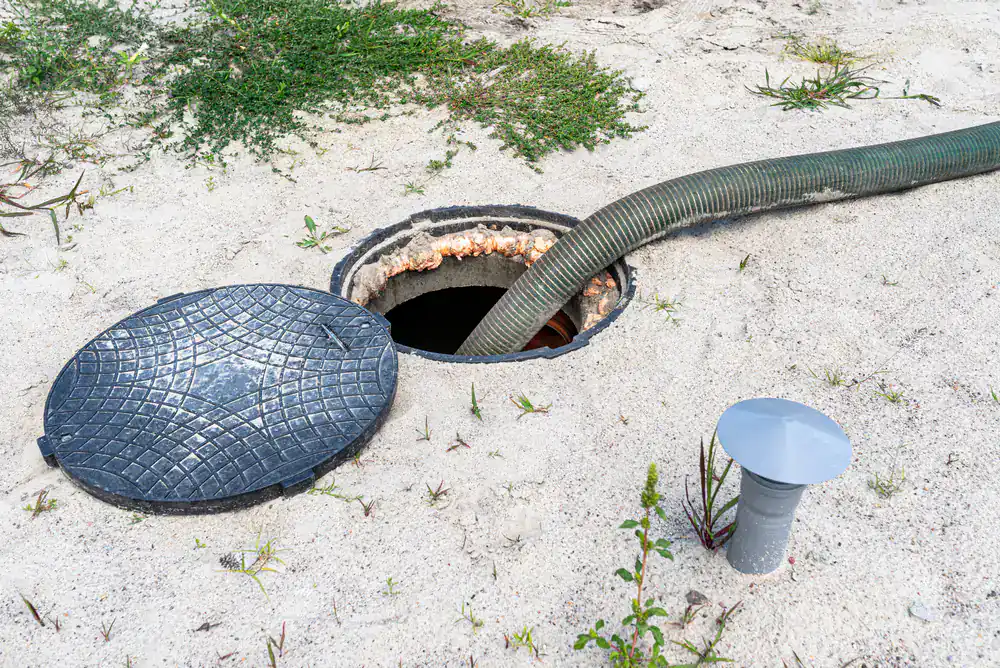
Ready to get started?
We handle the full scope of cesspool and drainage work — no subcontracting, no referrals to a separate company for the complicated parts. Routine cesspool cleaning and pumping. Cesspool installation and replacement. Drywell cleaning. Main sewage line cleaning and replacement. House trap replacements. Storm drain cleaning. Video pipe inspections. And cesspool location for systems with no visible access point, which is a genuine need in a town where much of the housing stock predates modern access standards.
One service worth calling out specifically: real estate certifications. Huntington’s property market moves at a high volume, with median home prices approaching $1 million. When a sale is on the line, three separate parties — the mortgage lender, the attorneys on both sides (required under New York State law), and the Suffolk County Department of Health Services — all need cesspool documentation before the transaction can close. We handle that documentation in-house, which matters when you’re working against a closing date and can’t afford to coordinate multiple contractors.
For properties near Huntington’s waterfront communities — Halesite, Centerport, Cold Spring Harbor — there’s also the question of whether your property falls within a sensitive zone that could trigger additional SCDHS review during a sale or renovation permit. We know how to navigate that, and we’ll tell you upfront what applies to your property rather than leaving you to figure it out after the fact.
