
Useful Links
Other Services we provide in Brightwaters
No and this catches a lot of Long Island homeowners off guard. Since July 1, 2019, Suffolk County banned cesspool-only replacements. If your system fails and needs to be replaced, the new installation must include at minimum a septic tank preceding the leaching structure. You can no longer swap one cesspool for another, regardless of how long your original system has been in place or how simple the job seems.
For Brightwaters homeowners, this matters because so many of the village’s homes are running on systems that were installed decades ago under the old rules. If your house was built in the 1930s or 1940s and the cesspool has never been fully replaced, the system you’re sitting on was designed and installed under standards that no longer apply. When it goes, the replacement has to meet current Suffolk County requirements and working with a contractor who knows those requirements from the start saves you time, money, and the headache of having to redo work that wasn’t done to code.
Yes, a permit is required for any cesspool installation or full replacement in Suffolk County no exceptions. The permit application goes through the Suffolk County Department of Health Services and requires engineered plans, soil testing results, and documentation showing setback distances from wells, property lines, and any water bodies. For Brightwaters homeowners in the Canal District, that last requirement is especially relevant the SCDHS has specific rules about how far a system must be from a tidal waterway like the Brightwaters Canal, and that affects both where the system can be placed and what your permit application needs to include.
Processing typically takes two to four weeks once the application is submitted. Permit costs generally run in the $200 to $500 range depending on system size and scope. Skipping the permit isn’t a shortcut unpermitted work can void your certificate of occupancy, create problems at resale, and leave you personally liable for violations. We handle the permit application as part of the job, so you’re not left navigating the SCDHS process on your own.
It does, and it’s one of the more important things to sort out before any work begins. Suffolk County imposes setback and overflow rules for cesspool and septic systems near tidal waterways, and the Brightwaters Canal which runs from the Great South Bay to Montauk Highway qualifies as a tidal waterway under those rules. The placement of your new system on the lot has to account for the required distance from the canal, and your SCDHS permit application needs to document that compliance specifically.
In practical terms, this affects system design before excavation starts. A crew that isn’t familiar with South Shore waterfront installations may not flag this until they’re already on-site, which creates delays and potential redesign costs. We’ve worked along the South Shore corridor from West Babylon through Bay Shore and into villages like Brightwaters and understand what canal-adjacent installations require from the planning stage forward. If you’re in the Canal District, make sure whoever you hire has handled this type of job before, not just standard inland installs.
The honest answer is that it depends on what your property actually needs, and that’s exactly why a written, itemized estimate matters before any work begins. A conventional cesspool replacement which under current Suffolk County rules must include a septic tank preceding the leaching structure typically runs in the range of $10,000 to $25,000 for a standard residential job. If your property requires an I/A OWTS nitrogen-reducing system, costs generally run from $15,000 to $40,000 before any grant funding is applied.
For Brightwaters homeowners near the Great South Bay, the grant picture is worth understanding before you assume the higher-end cost is out of reach. Eligible homeowners replacing their system with an I/A OWTS may qualify for combined State and County grants of up to $45,000 through the Suffolk County Septic Improvement Program and properties in environmentally sensitive areas near tidal waterways and bays tend to receive priority consideration. Grant payments are also tax-free under IRS Announcement 2022-26. The grant is paid directly to the installer after final inspection, so you only pay the balance. We provide free written estimates so you know exactly what you’re looking at before committing to anything.
The installation itself once permits are in hand typically takes one to five days for a residential job, depending on system complexity, lot conditions, and what the soil requires. Simple replacements on straightforward lots can be completed in one to two days. More complex jobs, particularly those involving canal setback constraints, hard-to-find existing systems, or tight lot geometries in a village that covers less than one square mile of land, can run closer to the higher end of that range.
The longer part of the timeline is usually the permitting process. The SCDHS permit application requires engineered plans, soil testing, and setback documentation, and processing typically takes two to four weeks after submission. That’s not something that can be rushed, and any contractor who tells you otherwise is either skipping the permit or misrepresenting the timeline. If you know your system is aging or you’re approaching a home sale, starting the process earlier gives you more flexibility. Waiting until the system fails means emergency conditions, no time to compare quotes, and no opportunity to apply for grant funding.
Excavation is part of the job there’s no way around it. Installing a new cesspool system requires digging to approximately 10 to 12 feet deep and 8 to 10 feet wide for most residential systems, and that does mean a section of your yard is disrupted during the process. For Brightwaters homeowners with mature landscaping, older trees, or properties in the Lakes Section where lot aesthetics are part of what makes the property valuable, this is a reasonable thing to ask about upfront.
What we do differently is restore the site after the work is complete. We handle backfilling and grading as part of the installation scope the goal is to leave your property in the best condition possible once the system is in the ground and the SCDHS final inspection is done. The South Shore’s coastal soil conditions, including the elevated water table that comes with living this close to the Great South Bay, can affect how the backfill settles in the weeks after installation. That’s normal, and it’s worth knowing about ahead of time rather than being surprised by it. Any questions about your specific yard and what to expect are worth raising during the free estimate that’s exactly what it’s for.
Hear from Our Customers

When a new cesspool installation is done right, you stop thinking about it. No smell in the yard. No gurgling drains. No wet spots near the canal. No anxiety every time a home inspector walks the property. That’s the outcome and it’s more straightforward than most people expect once they’re working with a crew that knows what they’re doing.
Brightwaters isn’t a typical Long Island job site. With a median home construction year of 1945 and over 44% of the village’s homes built before 1940, the systems underneath these houses are aging out some past their design life, some already showing it. For homeowners in the Canal District, where properties back directly onto the Brightwaters Canal and tidal waterway setback rules apply, the installation has to account for more than just the tank. System placement, setback compliance, and SCDHS documentation all factor in before a single shovel breaks ground.
Getting this done properly also protects what you’ve built here. In a village where median home values sit above $710,000 and real estate transactions are high-stakes, a permitted, code-compliant cesspool system isn’t just a utility it’s part of the asset. Buyers notice. Inspectors flag it. A clean, documented system is one less thing standing between you and a smooth closing when the time comes.
We’re a family-owned, fully licensed, insured, and bonded cesspool and drainage company based in West Babylon just a few miles from Brightwaters along the same South Shore corridor. Our license #LW-63684 is issued by Suffolk County and publicly verifiable. That’s not a detail buried in the fine print it’s the baseline for doing this work legally, and it’s the first thing you should ask any contractor for before agreeing to anything.
Our crew has been working on Long Island cesspool systems for over 30 years. That means we’ve seen the full range of what exists in pre-war South Shore villages like Brightwaters original concrete rings, mid-century replacements, systems with no paper trail, and everything in between. We know the SCDHS permit process, we understand the coastal water table conditions that affect system design on the South Shore, and we’ve handled canal-adjacent installs where setback rules add a layer of complexity that most contractors aren’t prepared for.
This isn’t a national franchise routing calls through a call center. We’re a local operation, and your job gets treated like one.
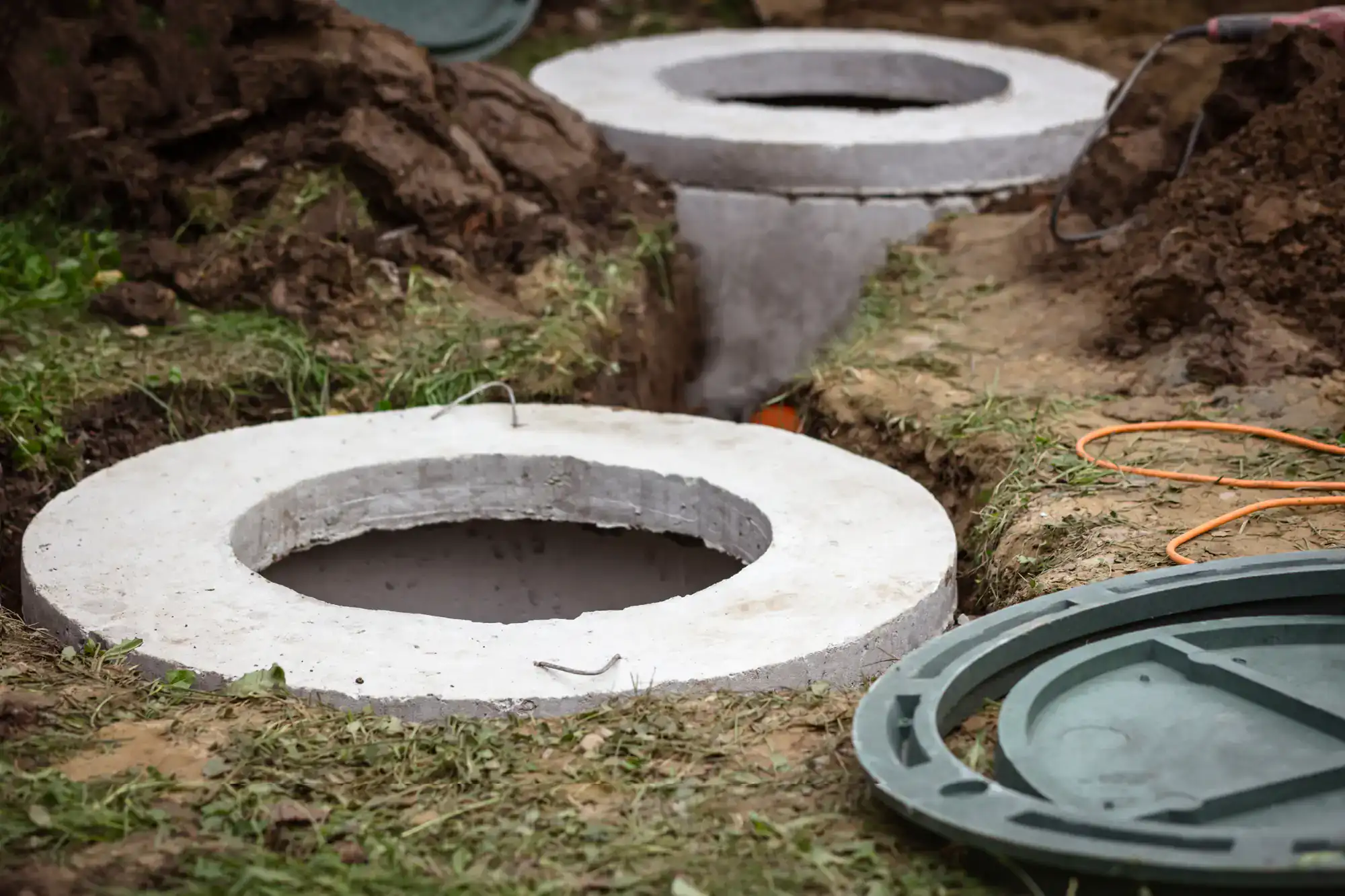
It starts with a site evaluation not a sales call. Before anything is quoted or scheduled, we assess your property: where the existing system is located, its current condition, how your lot is configured, and whether you’re in an area with additional setback requirements like the Canal District. For older Brightwaters homes where there’s no accurate record of where the cesspool sits, we specialize in locating systems that have no paper trail a real and common issue in a village where nearly half the housing stock predates 1940.
From there, a written estimate is prepared before any work begins. You know exactly what you’re paying for materials, labor, permit costs, and site restoration before anyone sets foot on your property with equipment. The permit application goes to the SCDHS, which typically takes two to four weeks to process and requires engineered plans, soil testing results, and documentation of setback distances.
Since July 2019, Suffolk County no longer allows a cesspool to be replaced with another cesspool any replacement must include at minimum a septic tank preceding the leaching structure. We handle all of that compliance on your behalf.
Once permits are in hand, most residential installations take one to five days depending on system complexity and soil conditions. The South Shore’s coastal water table can affect excavation depth and leaching pool placement, which is something our crew accounts for from the start. After installation, we coordinate the SCDHS final inspection, backfill and grade your site, and ensure your system is documented and compliant.
Ready to get started?
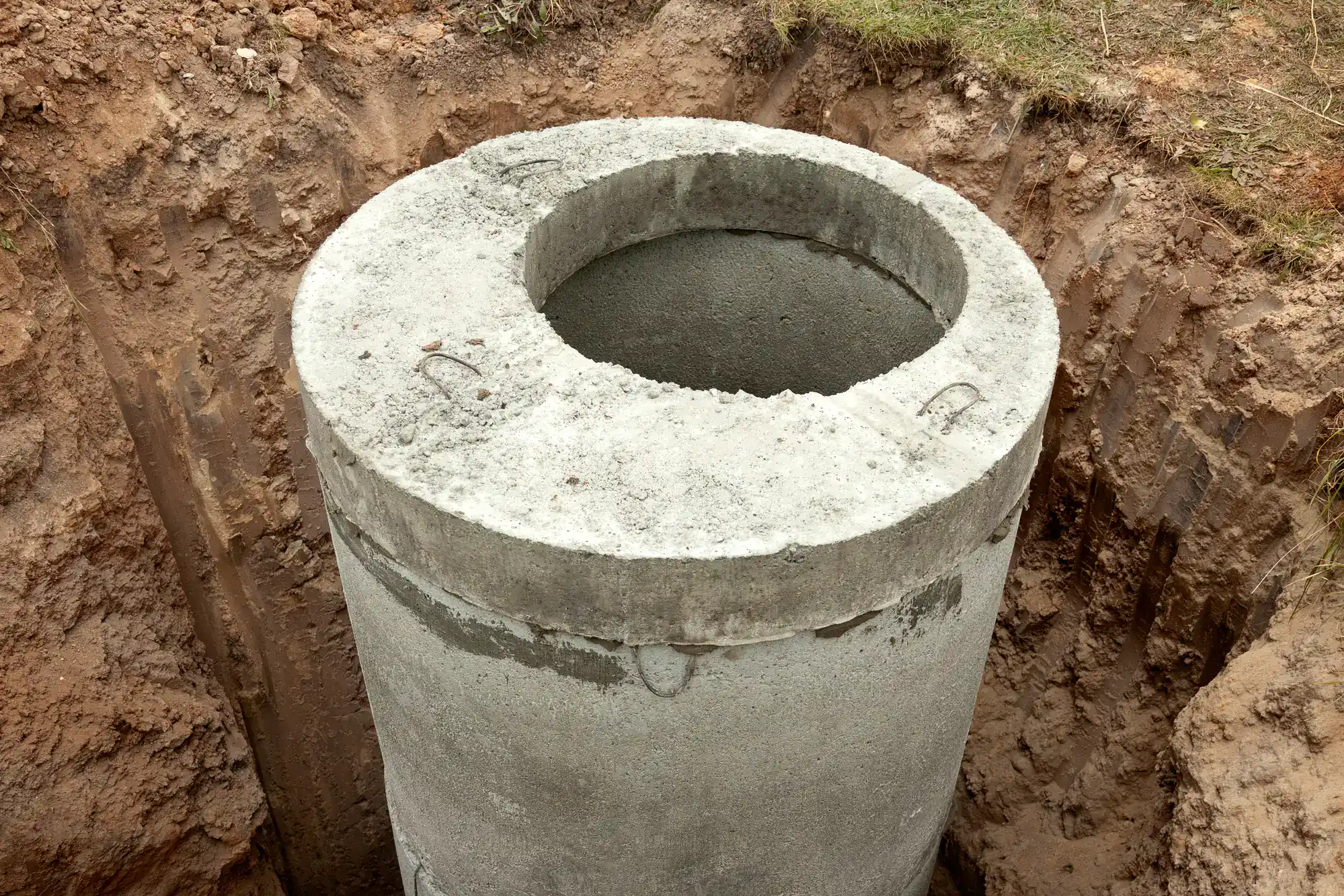
A cesspool installation isn’t just dropping a tank in the ground. The full scope includes site evaluation, permit application and coordination with the SCDHS, excavation, decommissioning of the old system, new tank installation, leaching pool and drywell installation, connection to your home’s existing sewer line, backfill, and site restoration. We handle all of it residential and commercial without subcontracting pieces of the job out to other crews.
For Brightwaters specifically, the scope often includes a few things that don’t come up in inland towns. Canal District homes require setback compliance from the tidal waterway, which affects where the system can be placed on the lot and what documentation the SCDHS needs before issuing a permit. Homes throughout the village frequently have no accurate records of the existing cesspool location locating hard-to-find systems is a specialty, not a workaround.
Because Suffolk County now requires a septic tank preceding any leaching structure on replacement jobs, cesspool ring replacement or partial system repairs that once might have been the answer may now trigger a full replacement under current county rules.
If you’re considering an I/A OWTS nitrogen-reducing system which may be required depending on your property and timeline eligible Brightwaters homeowners near the Great South Bay may qualify for combined State and County grants of up to $45,000 through the Suffolk County Septic Improvement Program. Properties in environmentally sensitive areas near tidal waterways and bays tend to receive priority consideration, which puts many Brightwaters homeowners in a strong position to apply. We provide free estimates and explain the grant process upfront.
