
Useful Links
Other Services we provide in Bayport
The general guideline you’ll hear is every three to five years, but that number was built around septic tanks not the older cesspool systems that most Bayport homes are running on. A single-chamber cesspool fills faster than a modern septic tank, and for a household of average size in a pre-1973 home, every one to three years is a more realistic schedule.
The South Shore location makes this more pressing than it would be further inland. Bayport sits at low elevation with a water table that responds quickly to rainfall and storm events. When groundwater rises, it can saturate the soil around your cesspool and reduce its ability to drain even when it isn’t technically full. That means you might hit a problem sooner than your last service date would suggest. If your home is near the canals in the southern part of Bayport, or if you’ve noticed slow drains after heavy rain, it’s worth getting the system checked rather than waiting out a fixed schedule.
Pumping removes the liquid and floating solids from the top portion of the system. It’s the standard service most people are scheduling when they call. Cleaning goes deeper it involves clearing out the hardened sludge that accumulates along the bottom of the chamber over years of use. That material doesn’t come out with pumping alone because it’s compacted and no longer suspended in liquid.
For a lot of Bayport homeowners with older systems, this distinction is more than technical. If your home was built in the 1950s or 1960s and the cesspool has been pumped but never fully cleaned, there’s a reasonable chance there’s significant buildup at the bottom that’s reducing the effective capacity of the system. A smaller effective capacity means the system fills faster, which means you’re more likely to run into problems between service visits especially during the wet seasons when the South Shore water table is already working against you. Asking specifically what’s included when you book is always a good idea.
The most obvious signs are slow drains throughout the house, gurgling sounds coming from toilets or sinks, sewage odors inside or outside the home, and wet or spongy ground above where the cesspool is buried. If you’re noticing any of those, the system is already telling you it’s past due.
What catches some Bayport homeowners off guard is that these symptoms can show up even when the cesspool isn’t technically full. Because of the low elevation and the water table behavior on the South Shore, a system under pressure from rising groundwater will back up into the house before it would in a higher-elevation inland community. A heavy nor’easter or a stretch of wet spring weather can push the water table up fast enough to overwhelm a cesspool that was serviced relatively recently. So if you’re seeing signs of backup after a storm and you’re not sure whether the system needs service or just time to settle, it’s better to get it checked. Waiting tends to make the problem more expensive.
Yes, and it comes up more often than sellers expect. Suffolk County requires that all cesspool pumping activity be reported to the Department of Health Services, and during a real estate transaction, buyers and their attorneys will typically request proof that the system has been properly maintained. If you don’t have service records, it creates a delay and in a market where Bayport homes are selling at median values well above $700,000, a documentation gap at closing is not a small inconvenience.
Getting a cesspool inspection and pump-out before you list and making sure you receive written service documentation puts you in a much cleaner position. Some transactions also require a cesspool certification with a dye test, depending on the buyer’s lender and the terms of the sale. We can walk you through what’s needed based on your specific situation. The earlier you handle it in the selling process, the less likely it is to become a sticking point when you’re already under contract.
This is one of the more common questions from South Shore homeowners, and the answer has more to do with geography than maintenance history. When heavy rain saturates the ground around your cesspool, the surrounding soil temporarily loses its ability to absorb liquid from the system. At the same time, if the water table rises high enough, it can actually push back against the cesspool rather than drawing liquid away from it. The result is a backup not because the system is full from the top, but because it has nowhere to drain.
Bayport is particularly susceptible to this because of its low elevation and proximity to the Great South Bay and its tidal canals. Properties in the southern part of the hamlet, especially those near the water, sit on terrain where the water table is naturally close to the surface even in dry conditions. After a significant storm, that margin disappears quickly. The best way to reduce how often this happens is to keep the system pumped well below capacity so it has more room to absorb the temporary pressure. A system that’s already near full going into a storm has almost no buffer. Staying current on your pumping schedule is the most practical defense against storm-related backups in this part of Suffolk County.
This comes up constantly with older Bayport homes, and it’s not a sign of negligence it’s just the reality of mid-century Long Island construction. Homes built in the 1940s through 1960s were put up before documentation requirements were standardized, and on the smaller residential lots common in Bayport, the cesspool was often placed wherever it fit at the time. Decades later, covers get buried under landscaping, records get lost in ownership transfers, and new homeowners are left with no idea where to start.
Locating hard-to-find cesspools is something we specifically handle. The process typically involves probing the ground in likely locations based on the home’s age, layout, and the position of the plumbing cleanout. In some cases, a sewer camera can trace the line from inside the house to where it exits. It takes a bit more time than a standard service call, but it’s a solvable problem and it’s far better to locate the system properly before you need emergency service than to be trying to find it while sewage is backing up. If you’ve recently bought an older home in Bayport and inherited no paperwork on the system, getting this sorted out early is one of the smarter things you can do as a new owner.
Hear from Our Customers
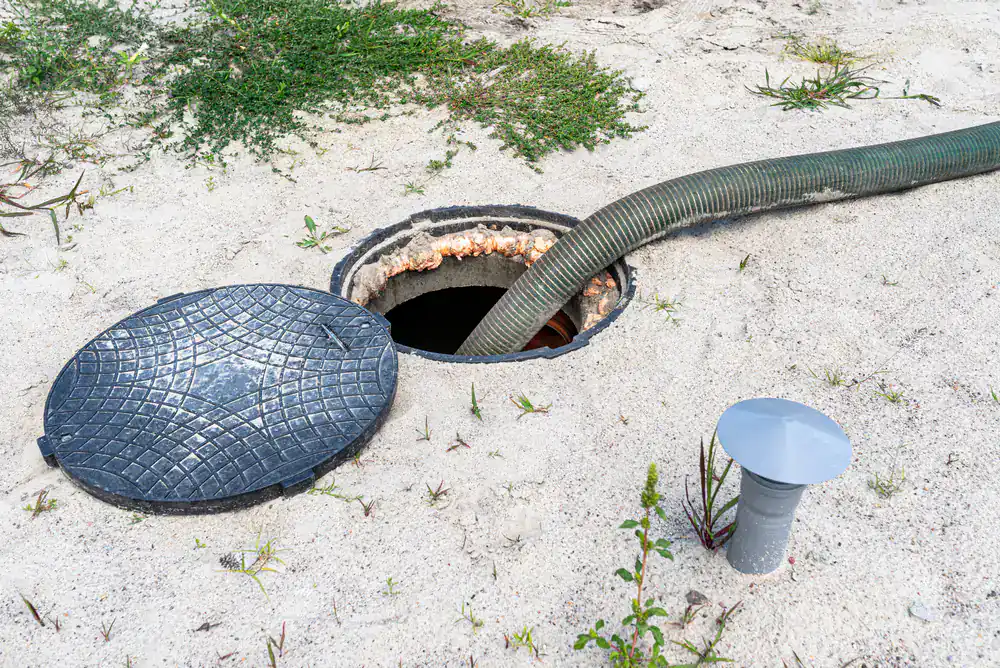
When your cesspool is running the way it should, you stop noticing it and that’s the point. No smell creeping into the house, no soggy patch in the backyard, no slow drains that make you wonder if something worse is coming. You go about your day without the system crossing your mind once.
For Bayport homeowners, that peace of mind is harder to hold onto than it is for people living further inland. The Great South Bay sits right at your doorstep, and the water table in this part of Suffolk County doesn’t stay put. After a heavy rain or a nor’easter rolls through, groundwater can rise fast enough to pressure your cesspool from below not because it’s full, but because the surrounding soil is saturated. That’s a South Shore dynamic that catches a lot of homeowners off guard, especially if they’ve been going by the standard three-to-five-year rule they read somewhere online.
Staying current with your pumping schedule here means you’re not scrambling after a storm. It also means you’re protecting a home worth well over $700,000 from the kind of damage that a backed-up system can cause. The math on that is pretty simple a routine pump-out costs a fraction of what emergency repairs or a full system replacement runs. And if you’re thinking about selling, a clean service record matters at closing. Suffolk County requires that pumping activity be reported to the Department of Health Services, and buyers and their attorneys will ask about it.
We’re a family-owned business based in West Babylon roughly 10 to 15 miles west of Bayport along the same South Shore corridor that Montauk Highway runs through. That proximity isn’t just a convenience. We work in the same coastal conditions you’re dealing with: the same sandy soil, the same low elevation, the same water table behavior that makes South Shore cesspools behave differently than systems further north on the Island.
With over 30 years of experience specifically with Long Island cesspools and drainage, we’re not figuring out your area as we go. We’ve pumped systems in mid-century Bayport homes where the records were long gone, located cesspools on smaller lots where nobody knew where to dig, and handled emergency calls after major storms when systems simply couldn’t keep up with the groundwater. We answer the phone around the clock, show up when we say we will, and explain what we found before we leave. That’s not a complicated standard but it’s one that makes a real difference when you’re dealing with a problem you can’t see.
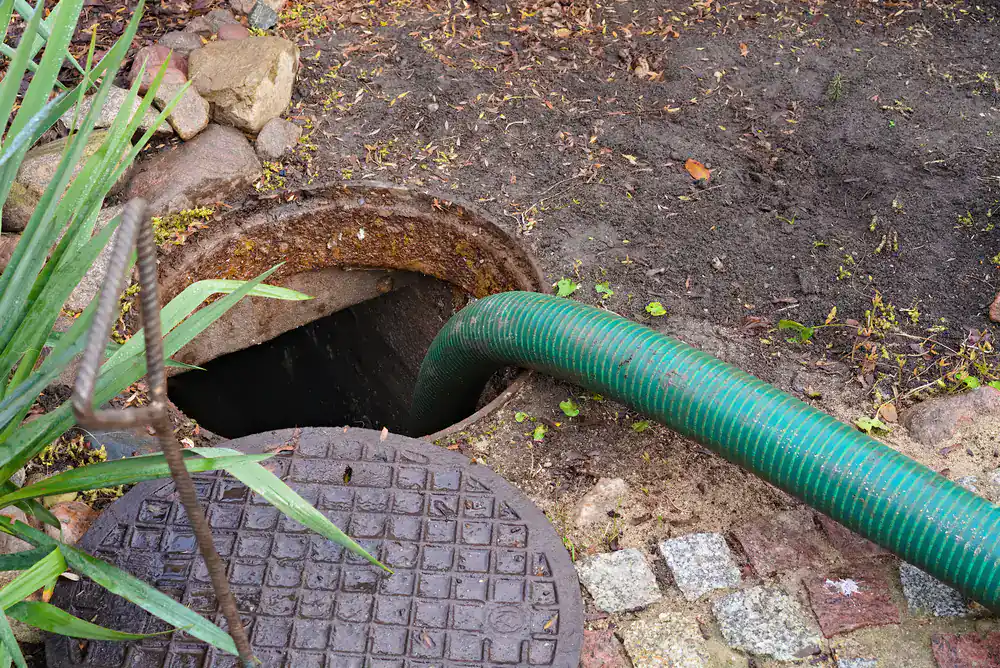
It starts with a call. You describe what’s going on whether that’s a backup, a smell, a scheduled service, or a real estate closing coming up and we give you a straight answer about timing and what to expect. No vague estimates, no pressure to book services you haven’t asked about.
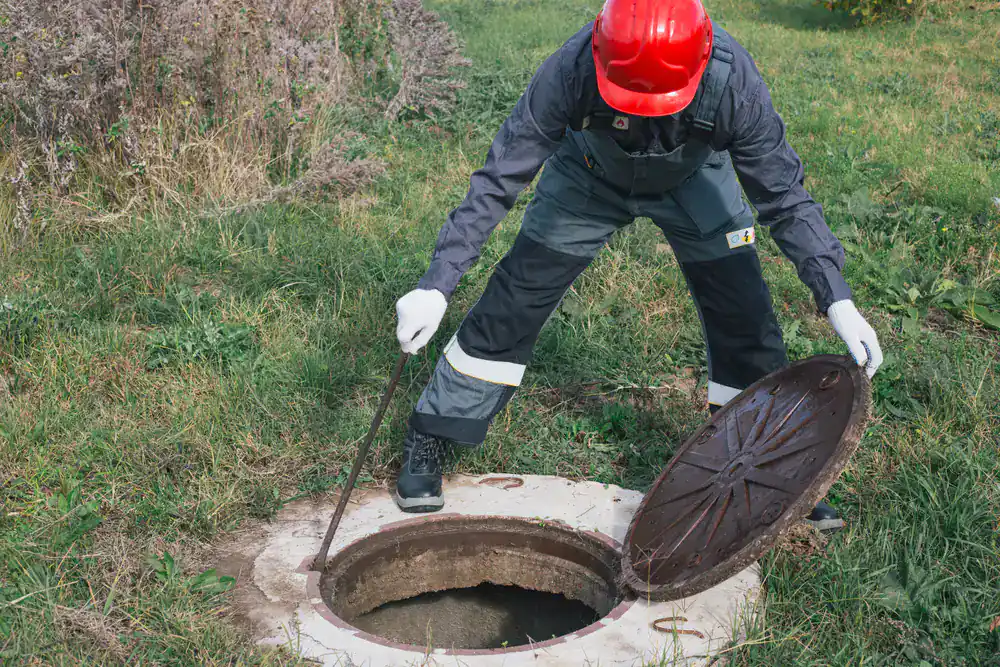
When our technician arrives, the first step is locating the cesspool access point. On a lot of Bayport properties, especially homes built in the 1950s and 1960s, that’s not always obvious. Covers get buried, records get lost, and on the smaller residential lots common in this hamlet, the system might be closer to the house than you’d expect. We specifically handle hard-to-find cesspools it’s a documented part of what we do so if you don’t know exactly where your system is, that’s not a problem that stops the job.
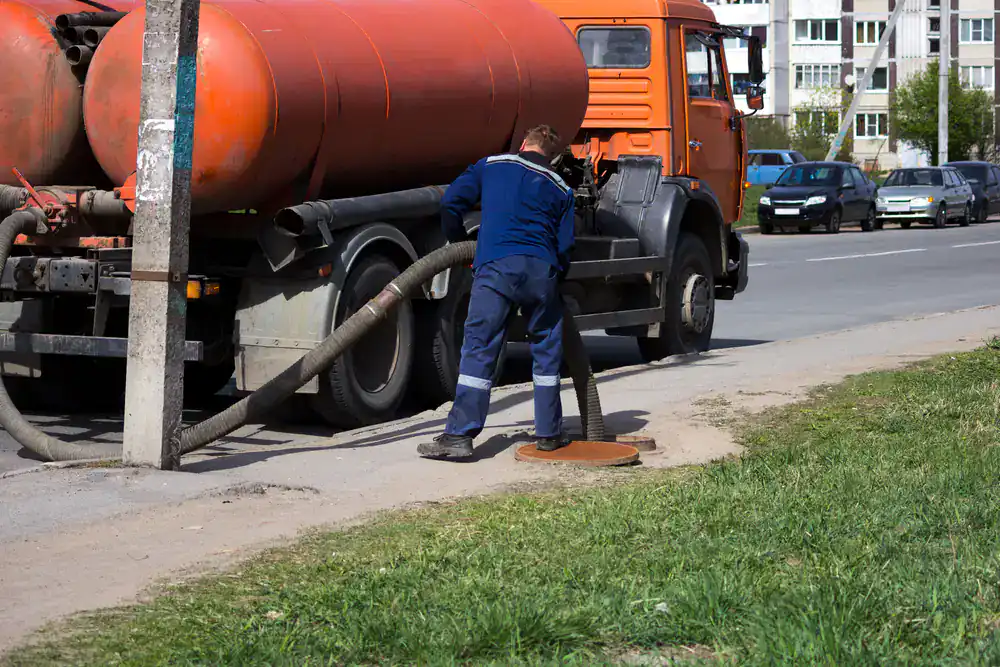
Once access is confirmed, our truck pumps out the accumulated waste. Depending on what’s found during service, our technician will walk you through the condition of the system whether it’s in good shape, whether there are signs of wear, or whether anything warrants a closer look. You get written documentation of the service, which matters for Suffolk County’s reporting requirements and for your own records if a home sale is on the horizon. The whole process is typically completed in a single visit, and you’re not left guessing about what was done.
Ready to get started?
Cesspool pumping and cesspool cleaning are not the same thing, and it’s worth understanding the difference before you book. Pumping removes the liquid waste and floating solids from the system. Cleaning goes further it involves a more thorough removal of hardened sludge that has built up along the bottom and walls of the chamber over time. For older systems like the ones common in Bayport’s mid-century housing stock, that distinction matters. A system that’s only ever been pumped may have years of compacted buildup that pumping alone won’t clear.
We handle both, and the service extends to a full inspection of what the system looks like after it’s been emptied. If there are signs of structural wear, cracking, or drainage issues things that are more common in older concrete systems on properties near tidal canals or in areas with a high seasonal water table you’ll hear about it directly. No vague language, no upsell pressure, just a clear picture of where things stand.
We serve residential and commercial properties throughout Nassau and Suffolk County. For Bayport homeowners specifically, we’re familiar with the smaller lot configurations common in this part of the Town of Islip, the proximity to the Great South Bay, and the Suffolk County regulatory requirements around documentation and reporting. If you’re preparing for a real estate closing and need cesspool certification, that’s part of what we can arrange. The county requires it, and having a company that understands the paperwork side of the process saves you a headache at the worst possible time.
