By submitting you consent to receive service-related texts from Drastic Drainage. Reply STOP to opt out. Msg & data rates may apply. Consent not required to book service.
Useful Links
When a cesspool is running the way it should, you stop thinking about it. No slow drains, no smell creeping up through the house, no standing water in the yard after a rain. That’s the baseline and it’s completely achievable with the right maintenance schedule.
For Bellport Village homeowners specifically, that schedule looks different than what most general internet searches will tell you. Homes in the Historic District and along the bay sit on some of the oldest cesspool infrastructure on Long Island. Many of these systems were installed before 1973, which is the Suffolk County benchmark for systems that need more frequent attention. Older single-chamber cesspools fill faster than modern septic tanks, and the South Shore’s high water table reduces how efficiently the drain field absorbs liquid. That combination means your system is working harder than average and waiting three to five years between pump-outs is a gamble most Bellport properties can’t afford to take.
There’s also something worth knowing that most cesspool companies won’t bring up: roughly 69% of the nitrogen entering the Great South Bay comes from cesspools and septic systems. Harmful algal blooms hit the bay in both 2023 and 2024. Staying on a proper pumping schedule isn’t just about protecting your home it’s a direct, measurable contribution to the water quality at the same bay you’re paying a premium to live near.
The national guideline you’ll see most often pump every three to five years applies to modern septic tanks in average conditions. Bellport is not average conditions. The village sits directly on the Great South Bay, which means the South Shore’s notoriously high water table is a constant factor. High water tables reduce how efficiently a cesspool drain field absorbs liquid, which means the tank fills faster than it would in an inland community like Coram or Yaphank.
For properties in and around Bellport Village, especially older homes in the Historic District, we recommend pumping every one to two years. If your home was built before 1973, that more aggressive schedule is particularly important older single-chamber cesspools have less capacity and less tolerance for being pushed to the limit. If you’re not sure when your system was last serviced, that’s the first thing to find out.
The most obvious signs are slow drains throughout the house not just one clogged drain, but multiple fixtures draining slowly at the same time. That usually means the system is at or near capacity and liquid has nowhere to go. Gurgling sounds from toilets or drains, sewage odors inside the house or in the yard, and standing water or unusually lush grass over the drain field area are all indicators that the system is in distress.
What’s worth understanding is that by the time you notice these symptoms, the cesspool is already telling you it’s overdue not just approaching the point where it needs attention. Waiting until the problem is visible always costs more to fix than catching it on a routine schedule. For Bellport homeowners with bay-adjacent properties, standing water near the drain field is especially concerning because it means the system is potentially leaching directly toward the water table that feeds the Great South Bay.
They’re related but not identical, and the difference matters. Pumping removes the liquid and floating solids from the tank it’s the standard maintenance service that keeps the system from backing up. Cleaning goes further: it involves more thorough removal of hardened sludge that has accumulated on the tank walls and floor, along with a closer inspection of the system’s structural condition.
For most homeowners on a regular maintenance schedule, pumping is what’s needed and what we perform during a standard service call. Cleaning becomes more relevant when a system has been neglected for an extended period and the sludge layer has built up significantly. If you’re dealing with an older Bellport home that hasn’t had documented service in years which is not uncommon in the Historic District the first visit may involve more thorough work than a routine pump-out. We’ll tell you what the system actually needs after assessing it, not before.
The system doesn’t reset on its own. Solids accumulate over time, and once the sludge layer reaches the outlet pipe, you’re looking at a backup sewage coming up through drains, toilets that won’t flush, and potentially overflow into the yard. At that point, you’re no longer dealing with a routine pump-out. You’re dealing with an emergency service call, which costs significantly more, and potentially structural damage to the system that a pump-out alone won’t fix.
Beyond the immediate damage, there are regulatory consequences worth knowing about. New York State fines for missed pump-outs or compliance failures range from $250 to $2,000. If you’re planning to sell your Bellport property and given what homes in the Estate Section and along South Country Road are worth a cesspool that can’t produce service records or shows signs of neglect is a real liability at closing. Buyers’ attorneys and home inspectors ask about this. Having a clean maintenance history is part of protecting the value of the property.
This is one of the most common situations in Bellport Village, and it’s not a reason to put off service it’s a reason to call a company that knows how to handle it. Homes built in the 1800s and early 1900s throughout the Historic District frequently have no cesspool documentation whatsoever. Previous owners may have paved over covers, landscaped around them, or simply never recorded the location. County records from that era are often incomplete or nonexistent.
We specifically handle hard-to-find cesspools it’s something we’ve called out as a specialty because it comes up regularly on older Long Island properties. The process involves using probing and locating techniques to find the system before any pumping begins. It takes more time than a straightforward job, but it’s far better than guessing or skipping service because the location is unknown. Once the system is located and serviced, the documentation you receive includes the access point information so you’re not starting from scratch next time.
Yes. We cover Nassau and Suffolk Counties, and Bellport falls squarely within our service area. We’re based in West Babylon on the South Shore the same side of the Island so this isn’t a company that treats eastern Suffolk as an afterthought or adds a long lead time because of the distance.
For routine scheduled service, you call and set up a time that works. For emergencies a backup, a sinkhole, sewage odors that showed up overnight we operate 24/7, every day of the week, and a real person answers the phone. That matters particularly for Bellport’s seasonal residents. If you’re returning to your property after winter and discover a problem before the summer season starts, you don’t want to leave a voicemail and wait. The ability to reach someone immediately and get a truck dispatched the same day is the difference between a manageable situation and a ruined season.
Free, no-obligation estimates on cesspool, sewer, and drain work.
We get there quickly. No waiting days for a callback.
Backups don’t wait for business hours. Neither do we.
Fully licensed and insured across Long Island.
Up-to-date trucks and tools for cleaner, faster jobs.
Straight quotes, no surprises on the bill.
Hear from Our Customers

When a cesspool is running the way it should, you stop thinking about it. No slow drains, no smell creeping up through the house, no standing water in the yard after a rain. That’s the baseline and it’s completely achievable with the right maintenance schedule.
For Bellport Village homeowners specifically, that schedule looks different than what most general internet searches will tell you. Homes in the Historic District and along the bay sit on some of the oldest cesspool infrastructure on Long Island. Many of these systems were installed before 1973, which is the Suffolk County benchmark for systems that need more frequent attention. Older single-chamber cesspools fill faster than modern septic tanks, and the South Shore’s high water table reduces how efficiently the drain field absorbs liquid. That combination means your system is working harder than average and waiting three to five years between pump-outs is a gamble most Bellport properties can’t afford to take.
There’s also something worth knowing that most cesspool companies won’t bring up: roughly 69% of the nitrogen entering the Great South Bay comes from cesspools and septic systems. Harmful algal blooms hit the bay in both 2023 and 2024. Staying on a proper pumping schedule isn’t just about protecting your home it’s a direct, measurable contribution to the water quality at the same bay you’re paying a premium to live near.
We’re a family-owned cesspool and drainage company based in West Babylon, Suffolk County. Our owner has over 30 years of hands-on experience with Long Island systems not generic industry experience, but real knowledge of South Shore conditions, older housing stock, Suffolk County regulations, and the kind of problems that come up when a cesspool hasn’t been touched in years and nobody knows where it is.
That last part matters more in Bellport than almost anywhere else on the Island. Homes along South Country Road and throughout the Historic District frequently have no cesspool documentation no records, no visible covers, no known location. We specifically handle hard-to-find cesspools, which is a genuine specialty that most companies don’t advertise because they simply can’t deliver it.
We serve both residential and commercial properties across Nassau and Suffolk Counties, and we’re available 24/7 including for genuine emergencies. When you call, a real person picks up.
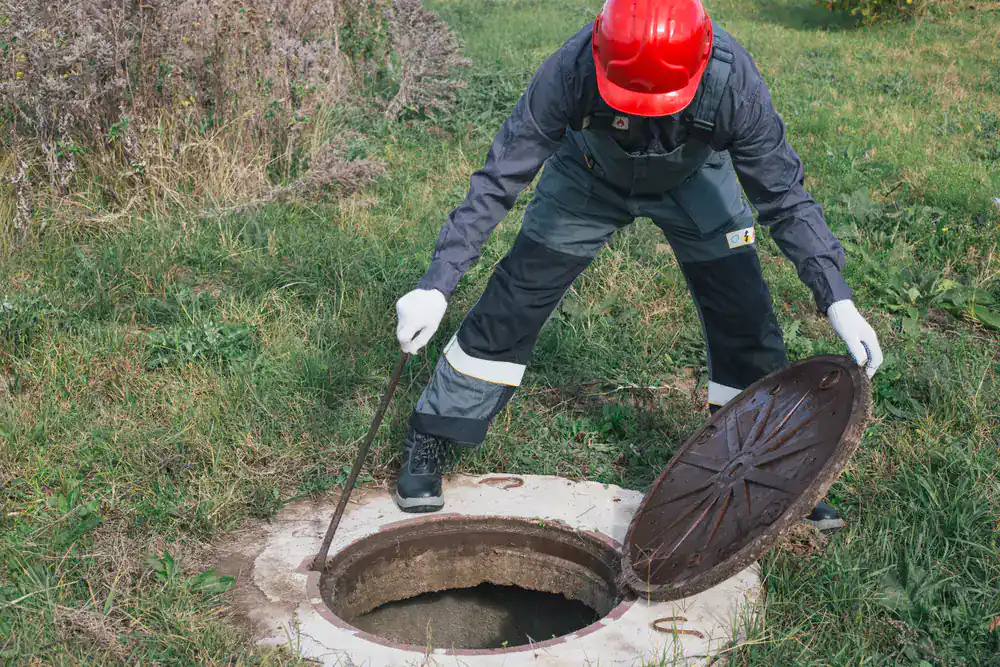
The first step is locating the system. For newer homes with accessible covers, this is straightforward. For older Bellport properties especially those in the Historic District with homes dating back to the 1800s it sometimes takes more work. We have experience locating systems that have no documentation and no visible access point. That step alone can save you a significant amount of time and frustration before the real work even begins.
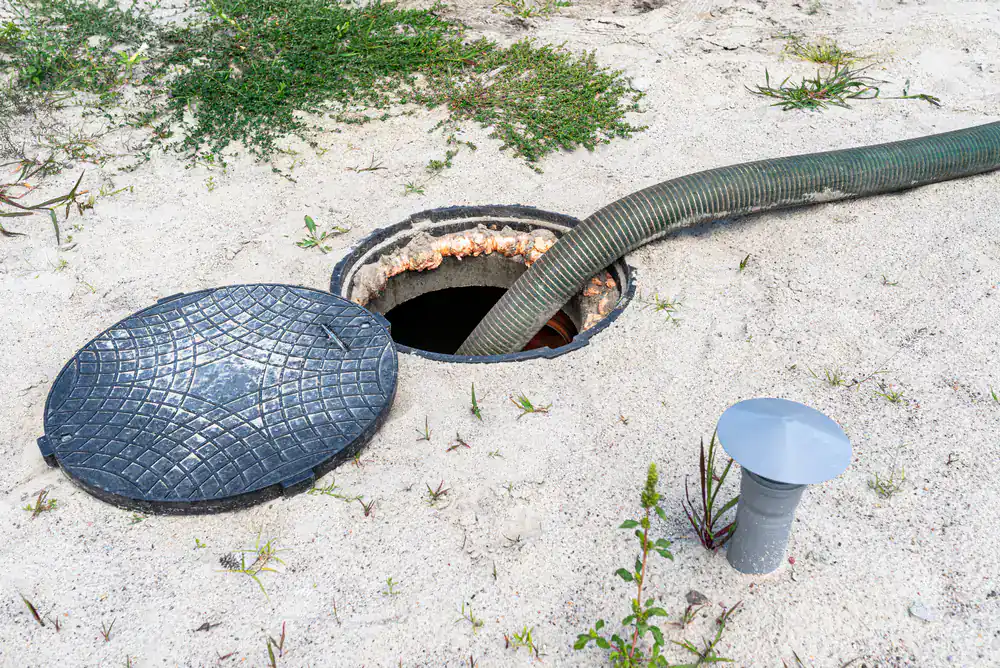
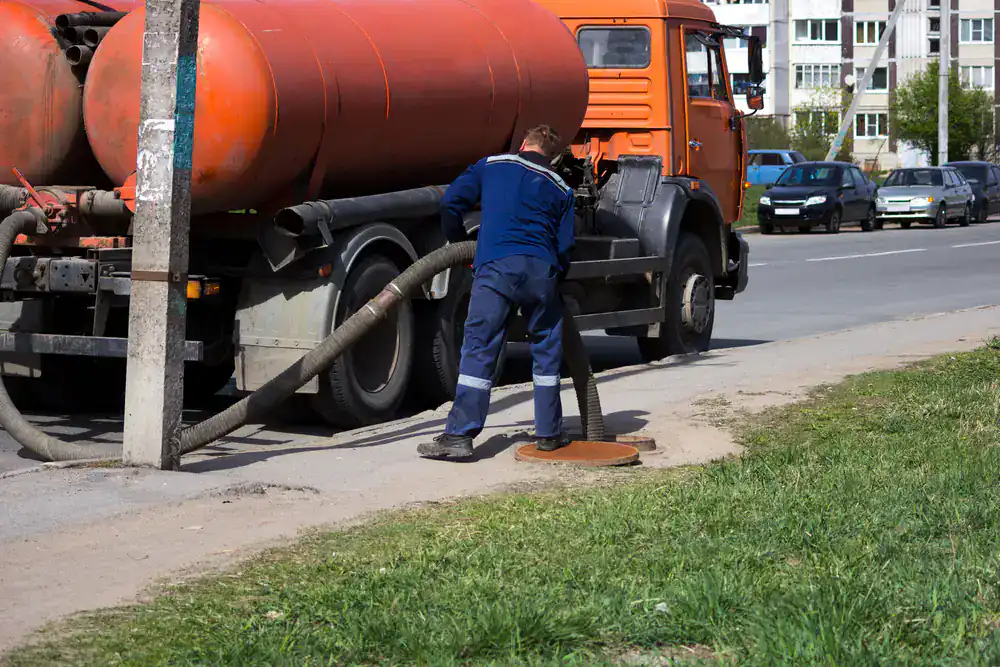
Once the system is located and accessed, the pump-out itself involves removing the accumulated liquid, floating solids, and as much of the settled sludge as possible. This isn’t just opening a hatch and running a hose thorough pumping means working the system properly so you’re not back in the same situation six months later. We also conduct a visual inspection during the process, so if something looks off with the tank walls, the baffles, or the drain field, you’ll know about it before it becomes an emergency.
After the job is done, you get documentation of the service. That matters more than most homeowners realize Suffolk County health departments track cesspool maintenance records, and those records are routinely requested during home sales. Given what Bellport Village properties are worth, having a clean paper trail is worth more than the pump-out itself in some cases.
Timing also plays a role here. Spring is when the South Shore water table is at its seasonal peak, which puts the most stress on bay-adjacent systems. If you’re a seasonal resident returning to your Bellport property after winter, scheduling a pump-out before the summer occupancy surge is the single best thing you can do to avoid a problem during the season.
Ready to get started?
Cesspool pumping in Suffolk County typically runs between $200 and $500 for a standard residential job. The full range accounting for tank size, access difficulty, waste volume, and whether additional services like inspection or cover locating are needed runs from roughly $308 to $1,234. A 1,000-gallon tank generally falls in the $225 to $400 range. A 2,000-gallon tank typically runs $400 to $600 or more.
For Bellport homeowners, the access factor is worth understanding upfront. Older homes in the village particularly those in and around the Historic District sometimes have buried or unmarked covers that require locating before the pump-out can begin. We handle that work as part of the service rather than using it as a reason to surprise you with a higher number once the truck is in your driveway. You’ll know what you’re paying before the work starts.
Beyond the pump-out itself, we handle the full scope of cesspool work: inspection, repair, and new system installation when it’s needed. Suffolk County banned new conventional cesspool installation as of July 1, 2019, so any replacement system now requires an Innovative/Alternative Onsite Wastewater Treatment System a more involved process that we can walk you through if your system reaches that point. Most homeowners never get there if they stay on a reasonable maintenance schedule. A routine pump-out at $200 to $500 is a very different conversation than a system replacement at $20,000 to $40,000.