Useful Links
Other Services we provide in Medford
For most Medford homeowners, every one to three years is the realistic range for a cesspool not the three to five years you’ll sometimes see cited for modern septic tanks. Cesspools are single-chamber systems that fill faster because there’s no secondary treatment stage. The older the system, the more conservatively you should schedule.
Medford’s housing stock skews heavily toward post-war construction most homes were built in the 1950s and 1960s which means many of the cesspools in this hamlet are 50 to 70 years old. Systems that age tend to have reduced leaching capacity even when they’re structurally intact, which means they fill faster than a newer system of the same size would. Household size matters too: a family of four will fill a system significantly faster than a couple. If you don’t have a clear service record, the safest starting point is to have the system pumped and inspected now, and then set a schedule based on what the technician actually observes rather than guessing from a general guideline.
For a standard residential pump-out in Suffolk County, the typical range runs from $200 to $500. Where your job falls within that range depends on a few factors: the size of your tank, how accessible the cover is, how full the system is at the time of service, and whether the technician needs to locate a buried or undocumented access point before work can begin.
That last factor is worth paying attention to in Medford specifically. A lot of homes here were built before modern record-keeping standards, and the cesspool location was never formally documented. If your technician needs to locate the system before pumping, that can affect the total cost. The more important number to keep in mind is the cost of not pumping: a full I/A OWTS system replacement now the only option permitted for new installations in Suffolk County runs $20,000 to $40,000 or more. A routine pump-out at $200 to $500 is the decision that keeps you out of that conversation for years.
The most common signs are slow drains throughout the house not just one fixture, but multiple along with gurgling sounds from toilets or drains, a sewage smell coming from drains or from the yard above the system, and in more advanced cases, standing water or unusually green, wet grass directly over the cesspool area. Any one of these is worth taking seriously. All of them together means you’re already past the point of a simple pump-out and may be looking at a system under stress.
What makes Medford slightly different from some other parts of Long Island is the soil variability. Because the hamlet sits within the Pine Barrens region with mixed soil types, some properties have highly permeable sandy soil that drains quickly meaning a failing system can leach untreated waste into groundwater before you ever see a surface symptom. You might not get the standing water warning that homeowners in clay-heavy areas experience. That’s a reason to stay on a proactive schedule rather than waiting for something obvious to go wrong.
Yes, and this is actually one of the more common situations we handle in central Suffolk. Medford’s post-war building boom happened fast the hamlet grew from a small Pine Barrens community to a fully built-out suburb within a single generation and the record-keeping from that era was informal at best. Many homeowners have no documentation of where their system is, how large it is, or when it was last serviced. That’s not unusual. It’s the reality for a significant portion of Medford’s housing stock.
Locating hard-to-find cesspools is a specific capability we’ve built over 30 years of working with exactly this kind of property across Suffolk County. The process involves a combination of probing, visual assessment of the yard, and experience with how systems were typically positioned during the era your home was built. Once the system is located, we pump it, assess its condition, and give you a clear picture of what you’re working with going forward. You’ll leave with documentation which is something the previous owner probably couldn’t give you.
They’re related but not the same. Pumping removes the liquid and the floating solids the material that’s actively filling the chamber and is the standard service most homeowners schedule on a routine basis. Cleaning is more thorough: it involves removing the hardened sludge that accumulates along the walls and bottom of the chamber over time, material that doesn’t come out with a standard pump. Cleaning also typically includes a closer look at the structural condition of the system itself.
For a system that’s been serviced regularly, pumping is usually sufficient. For a system that hasn’t been touched in many years or one where the service history is unknown, which is common in older Medford homes cleaning may be the more appropriate starting point. The technician can make that call once they’ve opened the system and seen what’s actually there. What you want to avoid is paying for a pump-out on a system that needed cleaning, because the problem won’t fully resolve and you’ll be back sooner than you should be.
Suffolk County health departments track cesspool maintenance records, and those records become relevant in ways that catch homeowners off guard. The most common scenario is a home sale: buyers’ attorneys in Suffolk County routinely request cesspool service documentation as part of the transaction. In a market like Medford where 304 homes sold in the past 12 months and average values are approaching $615,000 the absence of a service record can complicate or delay a closing. Having a current pump-out receipt from a licensed contractor is straightforward protection against that situation.
Beyond real estate transactions, New York State does have enforcement mechanisms for missed pump-outs and compliance failures, with fines ranging from $250 to $2,000. The practical takeaway is simple: after every service with us, you receive written documentation of the work performed. Keep it with your home records. It costs you nothing extra, and it’s the kind of paperwork that has real value when you need it whether that’s at a closing table or during a county inspection.
Hear from Our Customers
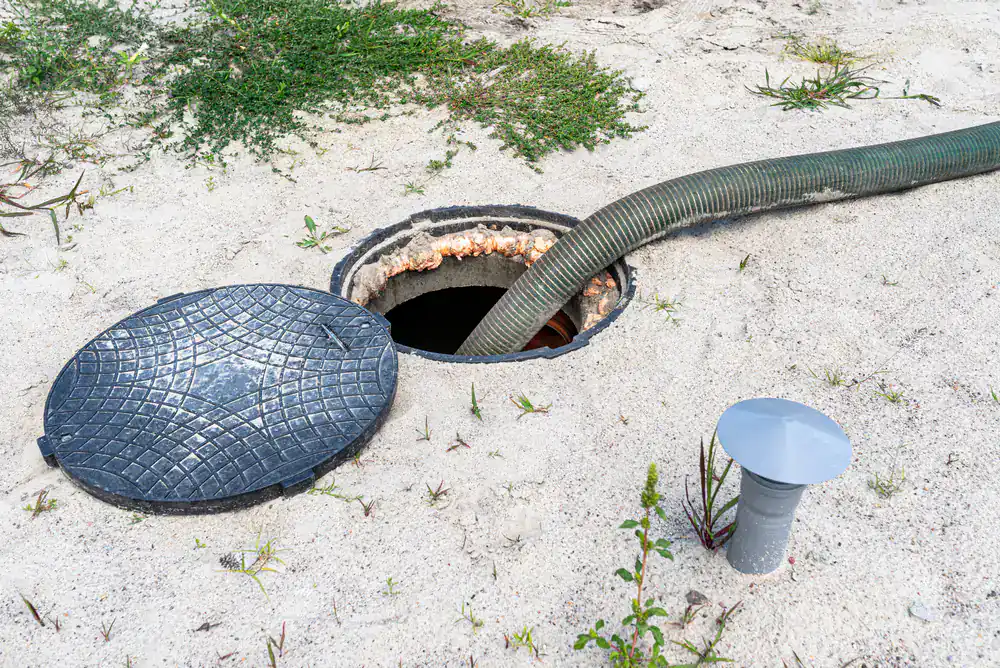
Most Medford homeowners don’t think about their cesspool until something forces them to. A smell they can’t ignore. A drain that’s slower than it should be. A real estate attorney asking for service records on a home worth over half a million dollars. By that point, the conversation is already more stressful than it needed to be.
Getting your cesspool pumped on a reasonable schedule typically every one to three years for the older single-chamber systems that dominate Medford’s post-war housing stock means you’re never in that position. You know what’s down there, you have documentation, and you’re not paying emergency rates because you waited until a Wednesday morning to deal with it.
Medford sits directly within the Central Long Island Pine Barrens, which puts it above one of the most critical recharge zones for the aquifer that supplies every drop of Long Island’s drinking water. There’s no backup source. A cesspool that’s overdue in Medford doesn’t just threaten your yard it has a faster, more direct path to the groundwater than in most other parts of the Island. Staying on top of pumping is the most immediate thing you can do about it.
We’re a family-owned, family-operated cesspool and drainage company based in West Babylon, Suffolk County. We’ve been doing this work for over 30 years not in a general sense, but specifically on Long Island, with its sandy Pine Barrens soil, its high water table, its pre-1973 housing stock, and its county-specific licensing requirements.
One of the things that genuinely sets us apart and it shows up in our reviews is our ability to locate and service hard-to-find cesspools. In a hamlet like Medford, where most homes were built in the 1950s and 1960s and paperwork from that era is long gone, this matters more than people realize. Many homeowners in Medford have no idea where their system is. We’ve handled that situation more times than we can count.
We answer the phone. A real person picks up, gives you a straight answer, and tells you when we’re coming. If you’ve ever called a cesspool company and gotten voicemail during an emergency, you already know why that detail is worth mentioning.
It starts with a phone call. You describe what you’re dealing with whether that’s a scheduled pump-out, a warning sign you’ve noticed, or a situation that’s already urgent and we give you a straight answer about timing and what to expect. No vague estimates that change when the truck pulls up.
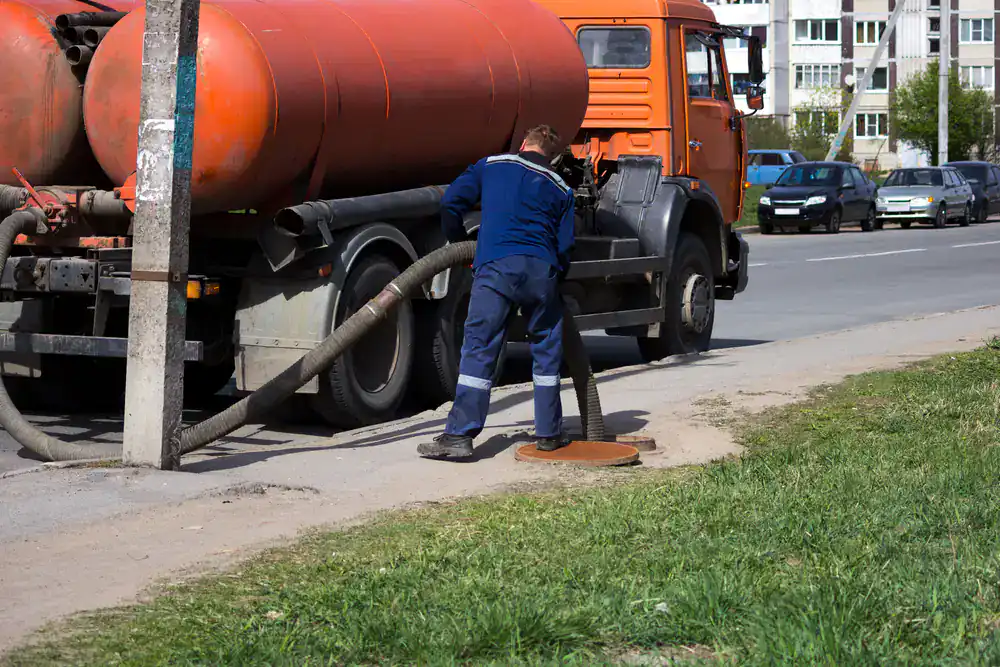
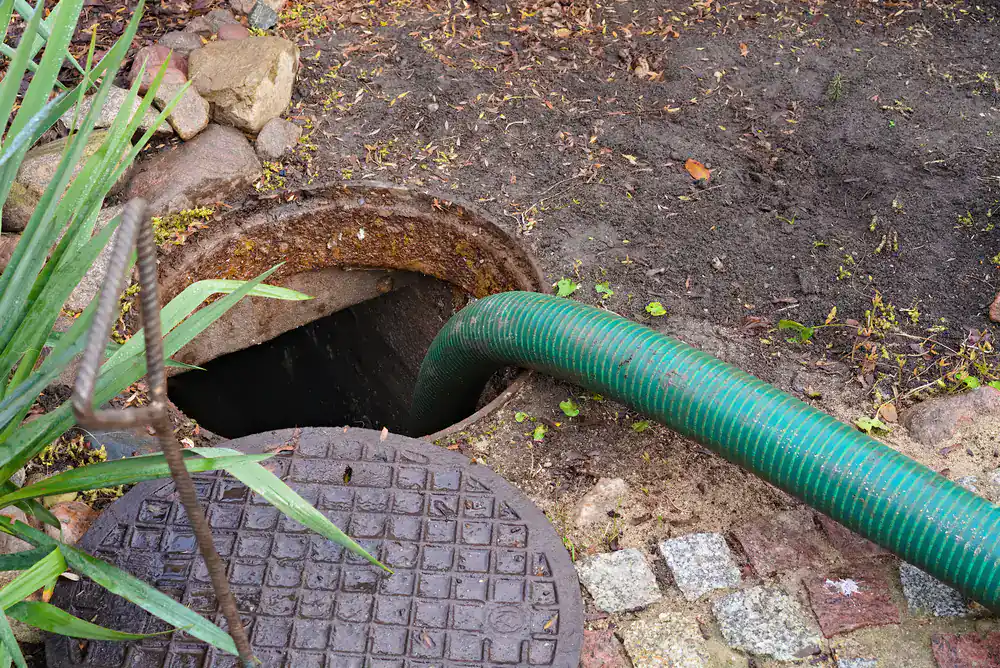
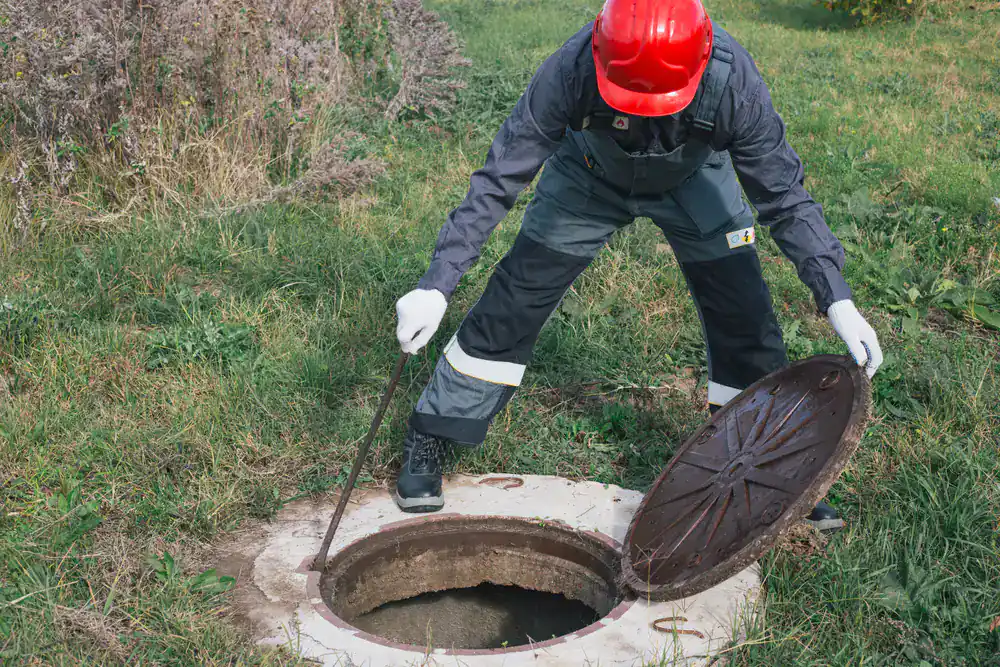
When our technician arrives, the first step is locating the access point to your system. For newer homes this is usually straightforward. For older Medford properties and there are a lot of them the cover may be buried, the system location undocumented, or the records simply lost. This is where experience with central Suffolk’s housing stock makes a real difference. Once access is confirmed, the system is pumped down completely, and the technician will assess what they’re looking at: the condition of the walls, the sludge level, any signs of structural concern.
After the job, you get written documentation of the service. This isn’t a formality it’s what Suffolk County health departments track, and it’s what buyers’ attorneys request when your home goes on the market. With 304 homes sold in Medford in the past 12 months and average values approaching $615,000, that paperwork has real weight. If anything beyond a standard pump-out is needed, you’ll hear about it clearly, not buried in upsell language.

Ready to get started?
Cesspool pumping and cesspool cleaning are not the same thing, and most homeowners don’t know the difference until they’re already in the conversation. Pumping removes the liquid and floating solids from your system. Cleaning goes further it involves more thorough removal of hardened sludge that accumulates along the walls and floor of the chamber over time, along with a closer inspection of the system’s structural condition. Depending on how long it’s been since your last service and what the technician finds when they open the system, one or both may be appropriate.
For Medford specifically, the soil conditions add a layer of nuance. The Pine Barrens heritage means some properties sit on highly permeable sandy soil, which drains well but also means that anything leaching out of an overfull system reaches groundwater quickly. Other lots particularly in more developed or filled areas of the hamlet have compacted or mixed soil that slows drainage and causes systems to fill faster than you’d expect. The same pumping schedule that works for your neighbor may not be right for your property. A technician who understands this variability is more useful than one who applies a one-size-fits-all timeline.
We also handle drain cleaning, septic pumping, and full system installation when a cesspool reaches the end of its useful life. Suffolk County banned conventional cesspool installation as of July 1, 2019, so any replacement now requires an Innovative/Alternative Onsite Wastewater Treatment System a more involved process that we can walk you through clearly. Whether you need a routine pump-out or something more substantial, the scope of work is explained before anything starts.