Useful Links
Other Services we provide in Oakdale
The general guideline for Long Island cesspools is every one to three years for most residential properties. But in Oakdale, that range skews toward the shorter end for a lot of homes. The hamlet sits at roughly 9.8 feet above sea level, and in lower-lying areas like the Grand Canal corridor and the Idle Hour neighborhood, the water table can be under 10 feet from the surface. That reduces the effective absorption capacity of your leaching field, which means your system fills faster than it would in an inland, higher-elevation community.
If you’re in a home built before 1973 which covers a large portion of Oakdale’s housing stock you’re dealing with a single-chamber cesspool design that has no treatment capability. These systems accumulate solids more quickly than modern septic tanks. Combine that with Oakdale’s coastal water table conditions, and the honest answer for most homeowners here is: every one to two years is a more realistic schedule than the standard three-year guideline suggests. The right interval depends on your household size, the age and size of your system, and where exactly your property sits and we can give you a real answer once we’ve seen the system.
For a standard residential pump-out in Suffolk County, the typical range runs from $200 to $500 depending on tank size, how accessible the system is, and how full it is at the time of service. For most Oakdale homes, the range typically falls between $300 and $600 for a residential cleaning.
Where costs can go higher is when access is complicated. Older homes in Oakdale particularly in the Idle Hour section and along the streets off Oakdale-Bohemia Road sometimes have cesspools with no visible covers, no records, and no known location. Locating and accessing a buried system takes additional time and equipment, and that’s reflected in the final cost. The important thing is that you know about any of that before we start, not after. We don’t quote one number on the phone and hand you a different one on-site. If your system is going to require extra work, we tell you upfront. Emergency service when sewage is backing up or a system has failed commands a higher rate than a scheduled appointment, which is one more reason to stay ahead of the maintenance cycle rather than waiting for a problem to force your hand.
Yes and this is one of the more common questions we hear from homeowners in the Idle Hour neighborhood right now. The county sewer extension project for Oakdale is real, it’s funded, and the FEMA environmental review was cleared in August 2024. But the construction timeline runs one and a half to three years from the project’s start, and the connection process is phased. Phase 1A has been introduced, but most homes in the affected area are not yet connected, and many won’t be for some time.
Until the day your home is physically tied into the new sewer line, your cesspool is the only wastewater system you have. It still needs to function. A system that’s been neglected for two or three years while a homeowner waited for the sewer to arrive can fail in ways that are expensive to address especially in Oakdale’s low-lying coastal environment, where a compromised system can back up quickly during a storm event or a period of elevated water table. Pumping your cesspool during the transition period is not wasted money. It’s what keeps your home functional until the connection actually happens.
These terms get used interchangeably, but they’re not the same service. Pumping removes the liquid waste and floating solids from your cesspool it’s the core of what most scheduled maintenance involves, and it’s what keeps the system from reaching capacity. Cleaning goes further: it involves more thorough removal of hardened sludge that has settled at the bottom of the tank, along with a closer inspection of the system’s interior walls and components.
Most homeowners don’t know what they’re actually getting when they book a service call, and some companies are not transparent about the distinction. For Oakdale properties with older cesspool systems particularly the single-chamber designs common in pre-1973 construction throughout the Idle Hour section accumulated sludge at the bottom of the tank is a real issue over time. A pump-out that only removes the surface layer leaves that material behind, and it builds up faster than most people expect. When you call us, we tell you exactly what the job involves and what we found when it’s done. If your system needs more than a standard pump-out, we’ll say so before we start.
The most obvious signs are the ones that are hard to ignore: sewage smell coming from your drains or from the yard, slow drains throughout the house (not just one fixture), gurgling sounds when you flush or run water, and wet or unusually green patches of grass over where the system is located. Any of these is a signal that your cesspool is at or near capacity and needs immediate attention.
In Oakdale, there’s an additional factor to watch for: system behavior after heavy rain. Because the water table in low-lying areas of the hamlet particularly near the Grand Canal and the Connetquot River floodplain sits close to the surface, a significant rainstorm can raise the water table enough to temporarily overwhelm a cesspool that’s already running full. If you notice drainage problems or odors specifically after a storm, that’s not a coincidence. It’s the combination of a high water table and a system that needs service. Don’t wait for it to happen a second time. A system that’s been backing up during wet weather is already under stress, and the next event can push it into failure.
The short version: a routine pump-out that costs a few hundred dollars becomes an emergency repair that can cost several times more or a full system replacement that runs into the tens of thousands.
For Oakdale specifically, the stakes are compounded by the local environment. The hamlet’s low elevation and shallow water table mean that a failing cesspool doesn’t just back up into your home it can overflow into the surrounding soil and reach the Grand Canal, the Connetquot River, or the groundwater that feeds the sole-source aquifer beneath all of Long Island. A 2016 water quality study found elevated coliform bacteria and nitrogen in Oakdale’s Grand Canal, and cesspools were identified as the source. New York State fines for non-compliance with cesspool maintenance requirements run from $250 to $2,000. And if you’re planning to sell your home with a median value approaching $664,000 in Oakdale a failed or neglected cesspool is a serious issue at closing. Buyers’ attorneys look at maintenance records, and a property with no documentation of regular service is a red flag that can delay or kill a sale.
Hear from Our Customers
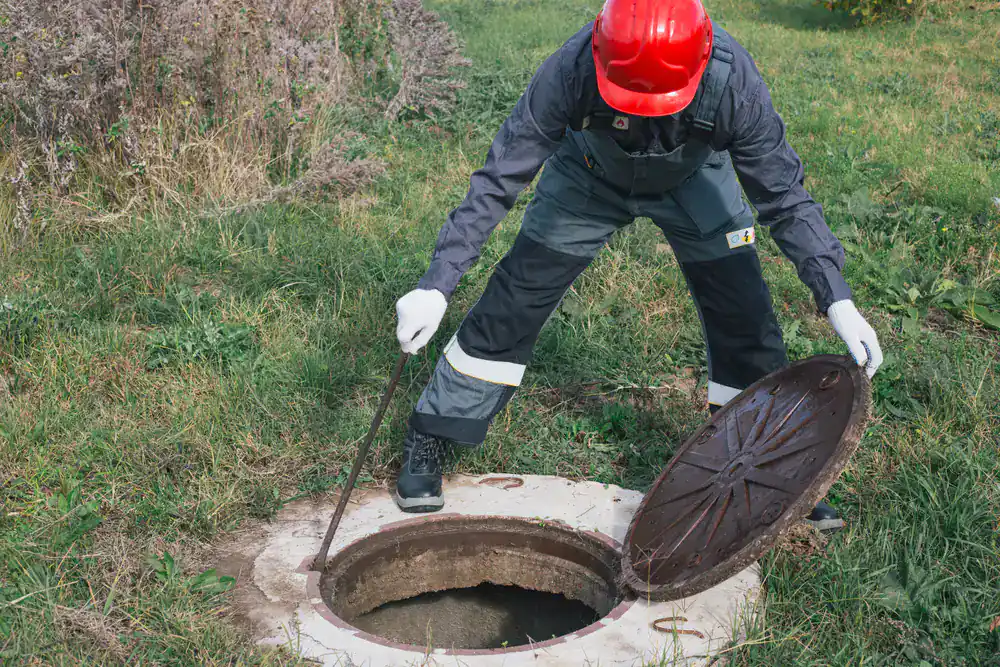
A properly pumped cesspool isn’t something you think about and that’s exactly the point. No smell creeping into the house, no slow drains you keep meaning to call about, no standing water in the yard after a rainstorm. That’s what regular maintenance looks like when it’s done right and done on time.
For Oakdale homeowners, this matters more than most people realize. The hamlet sits at roughly 9.8 feet above sea level, and in neighborhoods like Idle Hour and along the Grand Canal corridor, depth-to-groundwater can be under 10 feet. That’s not a lot of buffer. When the water table is that close to the surface especially after a nor’easter or a heavy spring rain a cesspool that’s even moderately overdue can back up fast. The standard “pump every three years” advice was built for inland, higher-elevation properties. It doesn’t hold here.
There’s also the waterway piece. The Grand Canal runs through the southern part of Oakdale, and a 2016 water quality study found elevated coliform bacteria, nitrogen, and phosphorus levels in it directly tied to the cesspools surrounding it. The Connetquot River borders the northern edge of the hamlet and is on the state’s nitrogen priority waters list. Keeping your system pumped on a real schedule isn’t just about your home. It’s a direct, measurable contribution to the water that defines this community.
We’re based in West Babylon, which puts us directly west of Oakdale along the same South Shore corridor the same Montauk Highway stretch, the same Great South Bay watershed, the same shallow water table conditions. When we talk about understanding local cesspool issues, we’re talking about the specific environment your home sits in, not a generalized version of Long Island.
We’re a family-owned operation, and we’ve been doing this for over 30 years. That means we’ve seen the older systems in communities like Oakdale’s Idle Hour neighborhood homes built in the 1940s and ’50s with cesspools that predate modern documentation standards. We know how to find systems when there are no records, no visible covers, and no known location. That’s a real skill, and it’s one that matters in a hamlet with as much older housing stock as Oakdale has.
We handle everything from routine residential pumping to emergency calls, inspections, and full system installation. One call, one crew, one company that answers the phone.
It starts with a phone call, and a real person picks up not a voicemail, not a callback queue. You tell us what’s going on, we ask a few straightforward questions about your system and your home, and we give you an honest timeframe. If it’s urgent, we treat it that way.
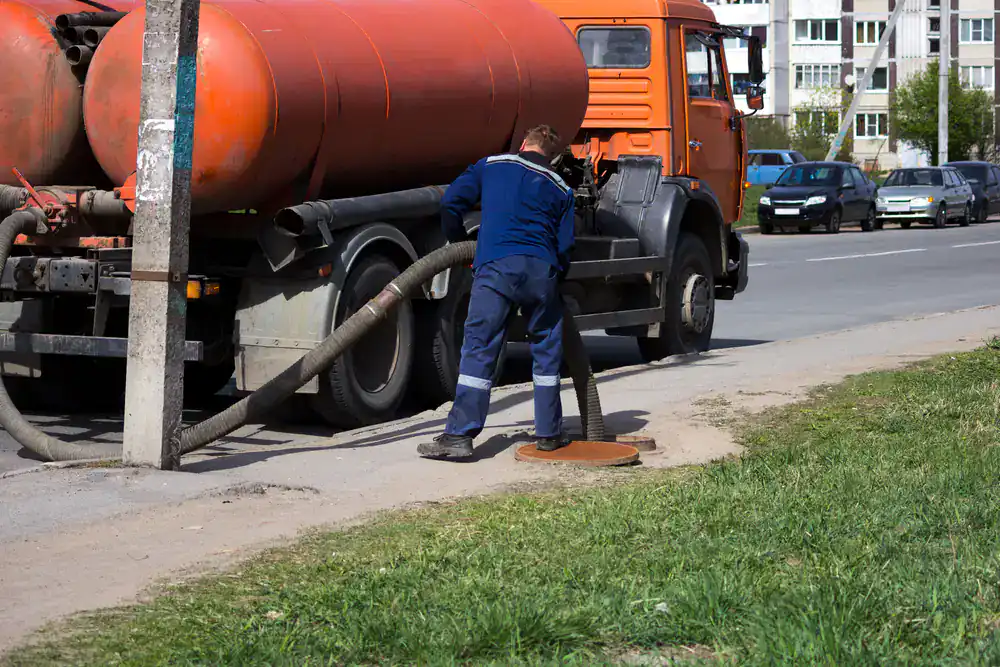
When we arrive, the first thing we do is locate the system. In Oakdale, that step matters more than it does in newer communities. Homes in the Idle Hour section and the older residential streets off Oakdale-Bohemia Road often have cesspools with no documentation no map, no marked cover, nothing on file. We’ve found systems that homeowners didn’t know existed. Once we’ve located and accessed the system, we pump it thoroughly, not just the top layer. That distinction between a real pump-out and a partial service is something a lot of homeowners don’t know to ask about, but it makes a significant difference in how long before you need service again.
After the work is done, we walk you through what we found. If there’s something you need to know a concern with the system’s condition, a recommendation for follow-up we tell you plainly. Given that Oakdale’s Idle Hour neighborhood is in the middle of a county sewer transition, we can also talk through what your cesspool needs in the interim, because that connection date is not guaranteed to arrive on any particular schedule.

Ready to get started?
The biggest complaint in this industry and it shows up in reviews constantly is the gap between what a company quotes on the phone and what they charge when they’re standing in your yard. That’s not how we operate. When we give you a number, that’s what the job costs. If something unexpected comes up, we tell you before we proceed, not after.
For Oakdale residents, a standard residential pump-out covers locating and accessing the system, full removal of accumulated solids and liquid waste, and a post-service assessment of what we observed. If your system is in one of the older neighborhoods the Idle Hour Artist Colony, the Grand Canal area, or anywhere with pre-1973 construction we factor in the likelihood that access won’t be straightforward. Hard-to-find cesspools are something we specifically handle, and it’s not an upsell; it’s part of doing the job properly.
We also serve commercial properties in and around Oakdale. Businesses along Montauk Highway and the surrounding area have different service schedules and different volume needs than residential homes, and we work with both. Suffolk County regulations apply to all of it including the 2019 ban on new cesspool installation, which means any replacement system now requires an Innovative/Alternative Onsite Wastewater Treatment system. If you’re at that point, we can walk you through what that means for your property specifically.