Useful Links
Other Services we provide in South Huntington
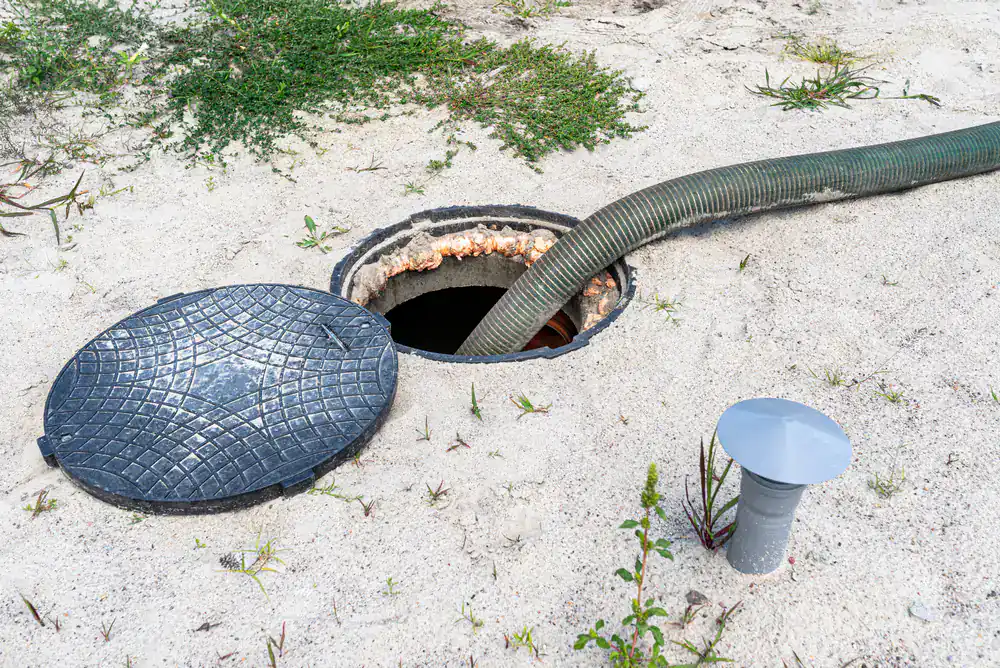
For most residential cesspools in South Huntington, the realistic answer is every one to three years and for older systems, leaning toward the shorter end of that range is the safer call. The EPA recommends pumping when sludge reaches within 12 inches of the outlet or scum drops within 6 inches of the bottom, but most homeowners aren’t measuring that. A practical schedule based on household size and system age is a more useful guide.
South Huntington’s housing stock complicates this further. If your home was built in the 1950s or 1960s and you don’t have a clear record of the last pump-out, the honest answer is: it’s probably overdue. These systems were designed for a different era, they’ve been in the ground for 60 to 70 years, and they fill faster than modern septic tanks because of their single-chamber design. Long Island’s sandy soils and seasonal rainfall patterns also affect how quickly a system reaches capacity. When in doubt, having the system located, inspected, and pumped gives you a real baseline and documentation you can use if you ever sell the home.
Standard residential cesspool pumping in Suffolk County typically runs between $200 and $500 for a routine service call. The full range including more complex jobs spans roughly $308 to $1,234. A 1,000-gallon tank generally falls in the $225 to $400 range; a 2,000-gallon tank runs $400 to $600 or more. Emergency service commands a premium over scheduled work.
What actually moves the price is access difficulty, tank size, how full the system is at the time of service, and whether additional work is needed like locating a buried cover or jetting a blocked line. The most common complaint in this market is a phone quote that jumps significantly once the truck arrives. The way to protect yourself is to ask specifically what’s included in the quoted price and what would trigger an additional charge. A company willing to walk through that clearly before the job starts is a company worth trusting. Getting the quote in writing is always a reasonable ask.
This is one of the most common situations in South Huntington, and it’s genuinely not your fault. Homes built during the 1950s and 1960s suburban boom often had cesspool locations documented only on paper records that have since been lost through multiple ownership changes, renovations, or simply the passage of time. There’s no central registry that tracks where every system was installed.
We locate systems using a combination of methods probing the ground, tracing plumbing lines from the house, and using knowledge of how systems were typically positioned during that construction era. Finding hard-to-locate cesspools is a core part of what we do, which is directly relevant to South Huntington’s housing profile. Once the system is located, it’s worth documenting the position carefully both for your own records and for any future buyer who will want that information at closing.
The clearest warning signs are slow drains throughout the house not just one fixture, but multiple combined with gurgling sounds from toilets or drains when water is running elsewhere. A sewage smell coming from your drains, your yard, or through your HVAC system is a serious signal. Standing water or unusually lush, wet patches of grass directly above where the cesspool is located is another one. By the time you’re seeing any of these, the system is already under stress.
In South Huntington, summer is when these symptoms become hardest to ignore. Heat amplifies odors, and a system that’s been running at or near capacity through the spring rainfall season often shows its first visible signs in June or July. The problem with waiting for symptoms is that they indicate the system is already past the point of simple maintenance what would have been a $200 to $500 pump-out can become a much more expensive repair or emergency call. If something feels off, calling sooner rather than later is always the right move.
They are not the same, and the difference matters depending on your system’s condition and history. Pumping removes the liquid and floating waste from the tank. It’s the standard maintenance service and what most homeowners need on a regular schedule. Cleaning goes deeper it removes hardened sludge that has built up along the bottom and walls of the system over time, and it typically includes a closer look at the structural condition of the cesspool itself.
For a system that has been pumped regularly and is in decent shape, a standard pump-out is usually sufficient. For a system that hasn’t been serviced in several years or one where the service history is unknown, which is common in South Huntington’s older homes cleaning is often the better starting point. It gives you an accurate picture of what you’re working with and removes accumulation that pumping alone won’t address. When you call, describe what you know about the system’s history and let our technician help you determine which service makes sense before the truck rolls.
You’re not legally required to hand over a pump-out receipt at closing, but in practice, cesspool condition and service history have become a standard part of the due diligence process for home sales in Suffolk County especially at the price points common in South Huntington, where the median home value runs around $675,000. Buyers’ attorneys and home inspectors routinely ask about the system’s age, last service date, and whether there are any known issues. Sellers who can’t answer those questions clearly tend to face more scrutiny, price negotiations, or requests for inspection contingencies.
Beyond the transaction itself, having a documented service record is simply useful. It tells the next owner when the system was last pumped, what condition it was in, and who did the work. For a 1960s-era cesspool that’s been in the ground for six decades, that kind of paper trail has real value. Getting the system pumped before listing and keeping the written documentation from the service call is a straightforward way to take one variable off the table during what is already a complicated process.
Hear from Our Customers
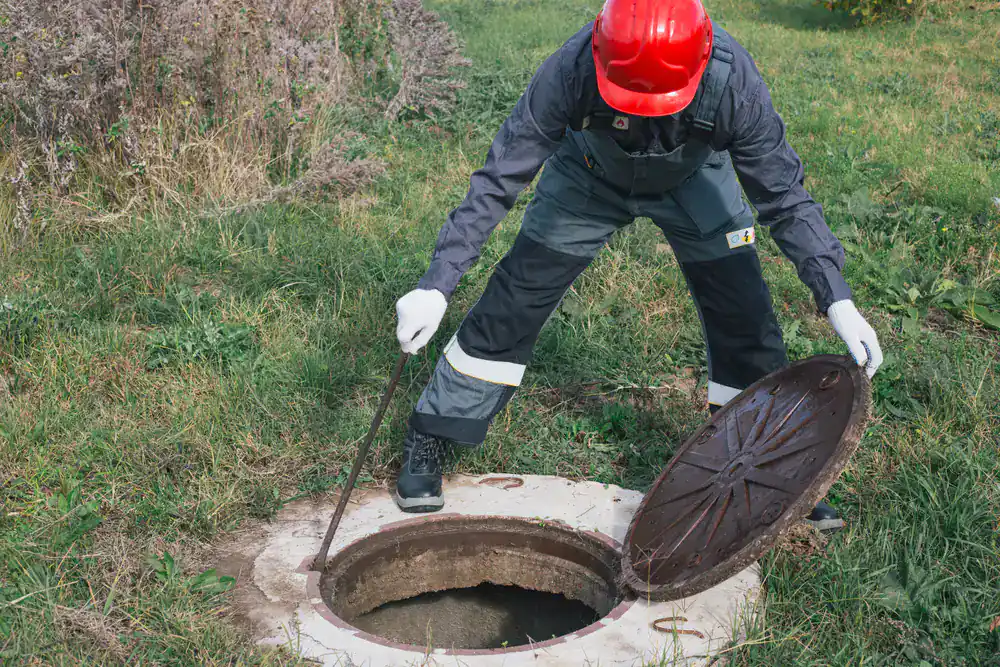
When your cesspool is pumped on schedule, the first thing you notice is what stops happening. No more slow drains creeping up on you. No odors drifting through the house in the summer heat. No guessing whether the system under your backyard is one heavy rain away from backing up into your home.
For South Huntington homeowners, this matters more than it does in newer communities. The Cape Cods, ranches, and split-levels that line the streets here were built during the late 1950s and early 1960s, when the Town of Huntington nearly tripled in population in a single decade. The cesspool systems installed beneath those homes are now 60 to 70 years old. They were built before modern documentation requirements, and many of them have never been properly serviced or even located since the original construction.
A properly maintained cesspool also protects something bigger than your plumbing. South Huntington sits above the same sole-source aquifer that supplies every drop of drinking water on Long Island. There is no backup water source. A conventional cesspool releases roughly 40 pounds of nitrogen per household per year into the groundwater, even when it’s functioning correctly. Keeping it pumped on schedule is one of the few things a homeowner can actually do about that.
We are a family-owned, full-service cesspool and drainage company based in Suffolk County, with more than 30 years of experience working specifically on Long Island systems. That distinction matters. Long Island’s sandy glacial soils, high water table, and aging postwar housing stock create conditions that out-of-area companies simply aren’t prepared for. We are.
One of the things that sets us apart in this market is a specialty that rarely gets talked about: finding cesspools that have no documentation, no visible covers, and no known location. In a community like South Huntington where the majority of homes were built before 1973 and ownership has changed hands multiple times since that’s not a rare situation. It’s a common one.
Our service area covers all of Nassau and Suffolk Counties, which means the South Huntington area is well within our regular service territory. When you call, a real person answers. That’s true at 9am on a Tuesday and at 9pm on a Sunday, when the closest local alternative has already closed for the weekend.
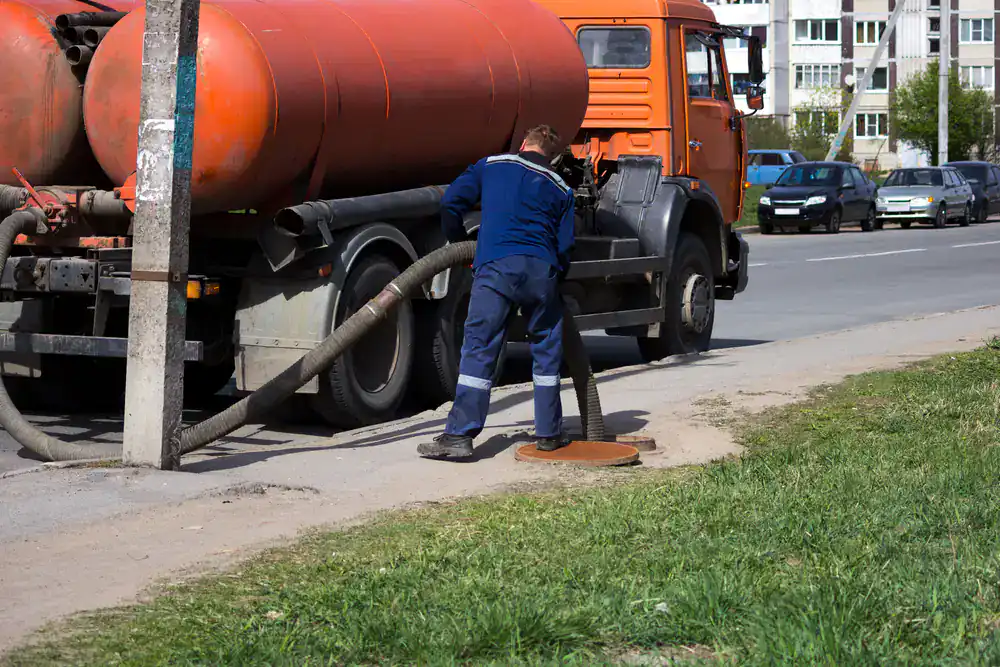
The process starts with a phone call, and that call is answered by a person not a voicemail, not a callback form. You describe what’s going on, and we give you a straight answer about what’s likely needed and what it will cost. No low-ball number that jumps when the truck pulls up.
When our technician arrives, the first step is locating and accessing the cesspool cover. For many South Huntington homes built in the 1950s and 1960s, this is where experience becomes the difference. Covers get buried under decades of landscaping, additions, and settled soil. If the location isn’t documented and often it isn’t finding it takes real knowledge of how systems were installed during that era, not guesswork.
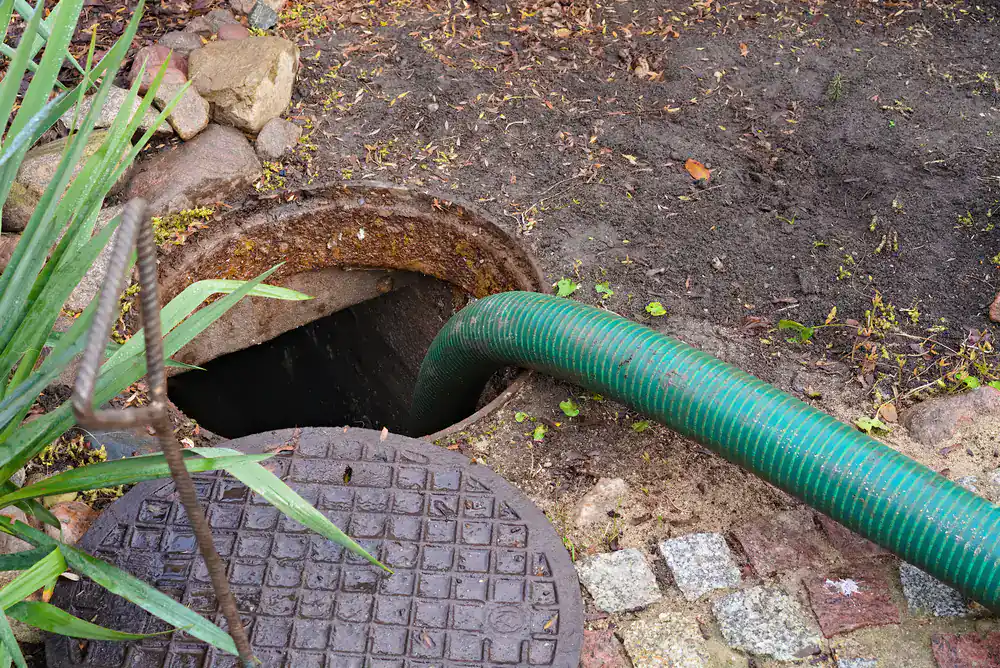
Once access is established, the tank is pumped down fully. Our technician inspects what’s visible: the condition of the walls, the inlet and outlet, the waste volume, and any signs of structural concern. You get a clear explanation of what was found and what, if anything, needs attention. We provide written documentation of the service which matters when you’re in a community where homes sell for around $675,000 and buyers’ attorneys routinely ask for cesspool service records at closing.
Suffolk County requires that all cesspool service be performed by a licensed contractor holding a Suffolk County Consumer Affairs license. Every job we complete meets that standard.
Ready to get started?
Cesspool pumping and cesspool cleaning are not the same thing, and it’s worth understanding the difference before you book. Pumping removes the liquid and floating solids from the tank it’s what most homeowners need on a regular maintenance schedule. Cleaning goes further: it involves more thorough removal of hardened sludge that has accumulated along the bottom and walls of the system, along with a closer inspection of the structure itself.
For a cesspool that has gone years without service which is not uncommon in South Huntington’s older housing stock cleaning may be the right starting point rather than a standard pump-out. We handle both, along with drain cleaning, septic pumping, septic installation, and full cesspool installation.
If a system has reached the end of its service life, Suffolk County’s 2019 ban on new traditional cesspool installation means any replacement must use an Innovative/Alternative Onsite Wastewater Treatment system. That’s a significant expense full system replacement runs $20,000 to $40,000 or more which is exactly why keeping an older system properly maintained for as long as possible is worth taking seriously. A routine pump-out that keeps a 65-year-old system running another few years is a very different cost conversation.
For commercial properties along the Route 110 corridor the Walt Whitman Road commercial spine that runs through South Huntington grease traps and higher-volume commercial systems have their own service requirements and schedules. We serve both residential and commercial clients throughout the area.