Useful Links
Other Services we provide in Speonk
For most Speonk homes, the honest answer is every one to three years and for older systems, erring toward the shorter end of that range is the smarter call. The national guideline of three to five years applies to modern septic tanks with proper two-chamber designs. Most cesspools in Speonk’s older residential core are single-chamber systems installed before 1973, and those fill significantly faster. Add in the South Fork’s characteristically shallow water table in low-lying areas near the bay, and you have conditions that accelerate fill rates beyond what the standard schedule accounts for.
Household size also matters. A two-person household in a smaller home might stretch to three years without issue. A family of four using the same system will likely hit the one-to-two year mark more reliably. The clearest signal that you’ve waited too long is a slow drain, a gurgling toilet, or a sewage smell near your drains or in the yard. By the time those symptoms appear, the system is already under stress and what would have been a routine pump-out starts to look like an emergency call.
For a standard residential pump-out in Suffolk County, the typical range runs from $200 to $500 depending on tank size, how accessible the cover is, and how full the system is at the time of service. A 1,000-gallon tank generally falls between $225 and $400. A 2,000-gallon tank runs $400 to $600 or more. Emergency calls the kind that happen on a Saturday morning when a backup has already started carry a premium over scheduled service, which is one of the clearest reasons to stay on a regular maintenance schedule rather than waiting for a problem.
What you want to avoid is the gap between the phone quote and the on-site charge. Before any work starts, you should have a clear number that accounts for your specific system and situation. If a company can’t give you that before they arrive, that’s worth paying attention to.
Southampton Town has been ahead of the curve on sanitary system regulations compared to most of Long Island. The town required Innovative/Alternative Onsite Wastewater Treatment Systems I/A OWTS for any new or replacement sanitary system starting September 1, 2017, a full two years before Suffolk County enacted its countywide ban on new cesspool installation in July 2019. What this means practically is that if your existing system fails or needs full replacement, you’re not replacing it with a traditional cesspool you’re looking at an I/A OWTS installation, which carries significantly higher costs.
The most direct implication of this for Speonk homeowners is that maintaining your current system in good working order is not just a convenience it’s a financial strategy. A routine pump-out in the $200 to $500 range extends the life of a system that would cost $20,000 to $40,000 or more to replace under current Southampton Town requirements. Suffolk County also tracks cesspool maintenance records, and those records are reviewed during property sales. Staying current protects both your system and your home’s transaction history.
The most common warning signs are slow drains throughout the house not just one fixture, but multiple gurgling sounds coming from your toilet or sink, and sewage odors either inside near your drains or outside in the yard around where your system is located. Standing water or unusually soggy ground over the drainfield area is another clear signal, especially after a dry stretch when it shouldn’t be wet. Any of these on their own warrants a call. More than one at the same time means you’re past the point of scheduling you need someone out quickly.
For Speonk and Remsenburg properties near the bay, spring is when these symptoms tend to surface most dramatically. A wet winter raises the water table, the ground becomes saturated, and systems that were borderline heading into fall announce themselves when the weather warms up. If you’re opening a seasonal property or returning after a period of lighter use, a quick inspection before summer guests arrive is the simplest way to avoid a much worse situation in July.
They’re related but not identical, and the distinction matters when you’re deciding what your system actually needs. Pumping removes the liquid waste and floating solids from the tank it’s the standard service for a system that’s on a regular maintenance schedule and hasn’t been neglected. Cleaning is more thorough: it involves removing hardened sludge that has accumulated at the bottom of the tank over time, which doesn’t come out with standard pumping alone. Cleaning also typically includes a closer look at the structural condition of the system.
If your system has been serviced consistently every one to three years, a pump-out is usually what you need. If it’s been five or more years, or if you’re not sure when it was last serviced which is common when you’ve recently purchased an older Speonk home without complete maintenance records cleaning is likely the better starting point. Our technician can assess the condition on-site and give you a straight answer about what the system actually needs, rather than defaulting to the more expensive option automatically.
No and this is one of the most persistent misconceptions in the market. Commercial cesspool additives and bacterial treatments do not replace physical pumping. Your system already contains naturally occurring bacteria that break down organic waste. Adding more bacteria doesn’t remove the solid material that accumulates at the bottom of the tank over time. The only way to remove that accumulation is to physically pump it out. Additives may have a minor maintenance role in some situations, but they cannot substitute for a pump-out, and using them as a reason to delay service creates real risk.
For Speonk homeowners with older single-chamber cesspools which describes a significant portion of the hamlet’s housing stock this matters more than it might in newer communities. These systems have less capacity to absorb the consequences of delayed maintenance. The solid layer builds up faster, the effective volume of the tank shrinks, and the system starts pushing waste into the drainfield before it should. Once a drainfield is compromised, you’re no longer talking about a pump-out you’re talking about a repair or replacement conversation under Southampton Town’s current I/A OWTS requirements. Staying on a real pumping schedule is the only maintenance strategy that actually works.
Hear from Our Customers
When your cesspool is properly serviced on a real schedule, the first thing that goes away is the anxiety. No more wondering if that slow drain is the beginning of something expensive. No more putting it off because you’re not sure how bad it actually is. A system that’s pumped on time runs quietly in the background the way it’s supposed to.
For Speonk homeowners specifically, that peace of mind has a local dimension. Much of the residential housing stock here was built in the 1950s through 1970s, which means a lot of these systems are single-chamber cesspools that have been in the ground for 50 or 60 years. Those older systems fill faster than modern septic tanks we generally recommend pumping every one to three years for Long Island cesspools built before 1973, not the three-to-five year schedule that applies to newer setups. Knowing where you actually stand on that timeline changes everything.
There’s also the water to think about. Speonk and Remsenburg sit within the drainage basin of the South Shore bay system, including Moriches Bay. An overfull or failing cesspool doesn’t just create a problem in your yard it sends nitrogen directly into the groundwater that feeds the bays where people swim and fish. Routine pumping is the most direct thing you can do today to reduce that load, without a permit, without a contractor, and without a $20,000 upgrade.
We’ve been working on Nassau and Suffolk County cesspools for over 30 years. That’s not a general plumbing background with a cesspool add-on it’s decades of experience with Long Island’s specific soil conditions, high water table behavior, and the kind of older systems that make up a large portion of the housing stock in Speonk and Remsenburg.
We’re family-owned and operated, based in West Babylon, and we serve the full length of Long Island including the South Fork and Southampton Town. When you call, a real person picks up not a voicemail, not a callback queue. That matters when you’re 80 miles east of the city and something goes wrong on a weekend morning before the summer season opens.
We handle everything from routine scheduled pump-outs to emergency calls to systems that haven’t been located in years. If you don’t know where your cesspool cover is which is more common than people think in older Speonk homes that’s not a problem. Finding and servicing hard-to-locate systems is something we do regularly.

It starts with a phone call. You describe what’s going on whether that’s a smell, a slow drain, a backup, or just the knowledge that it’s been too long since the last service. From there, you get a clear picture of what the visit will involve and what it’s going to cost. No vague ranges that double once the truck arrives.
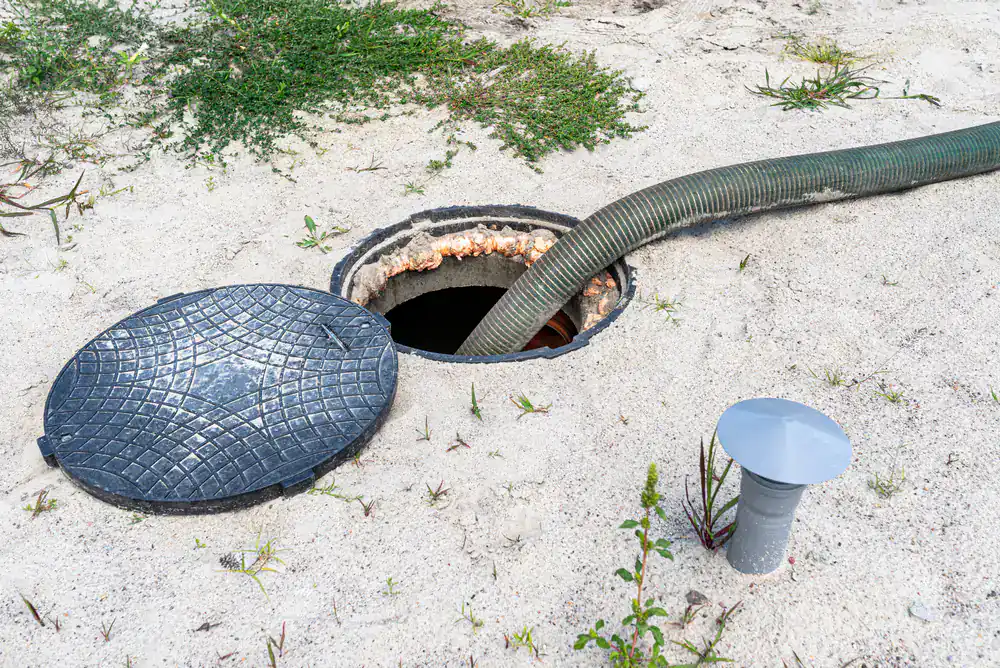
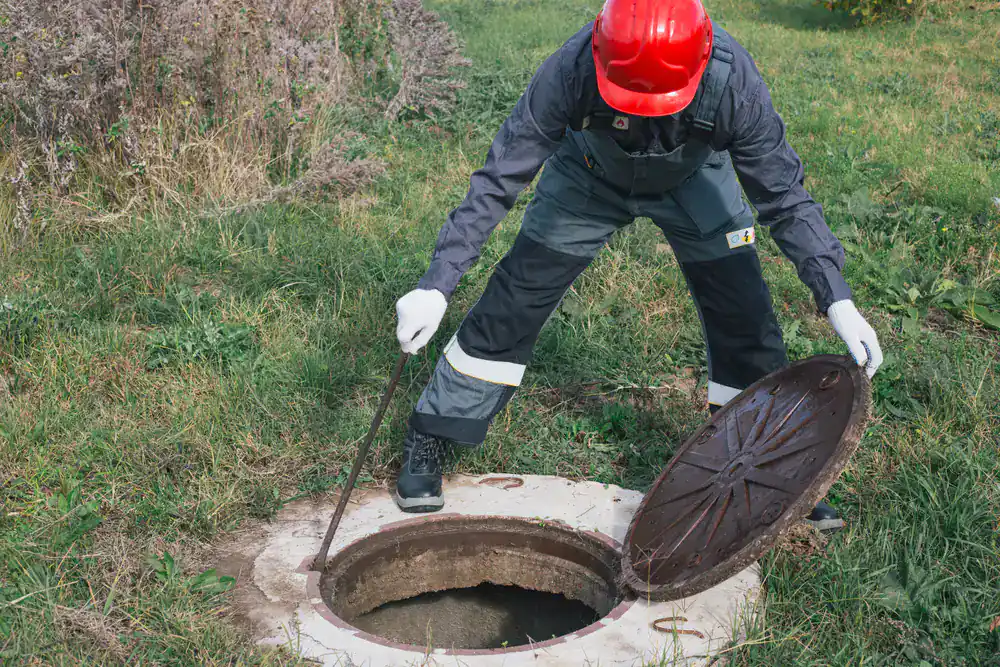
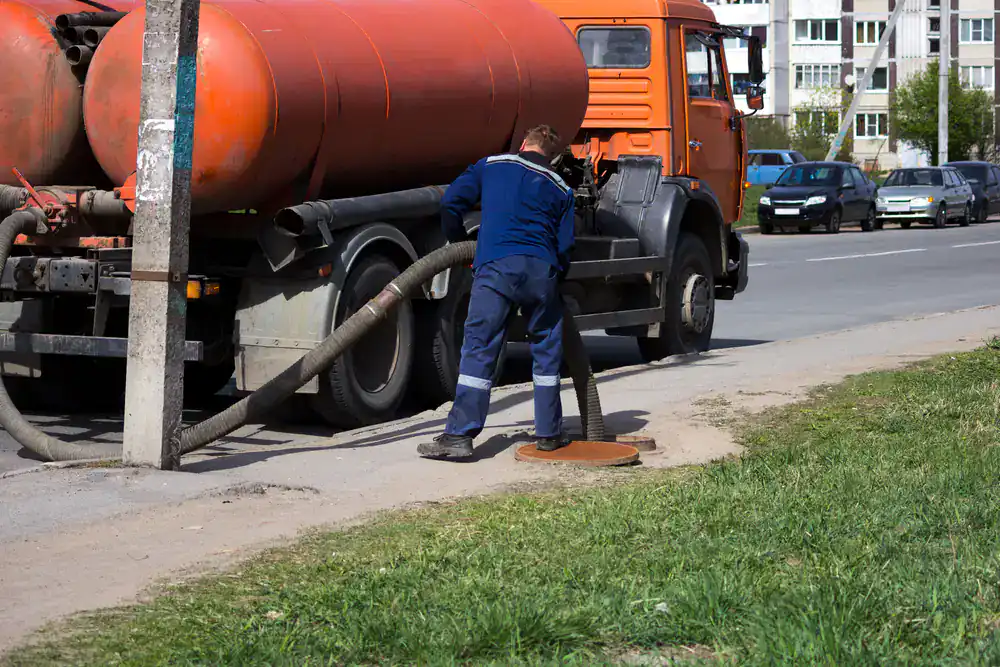
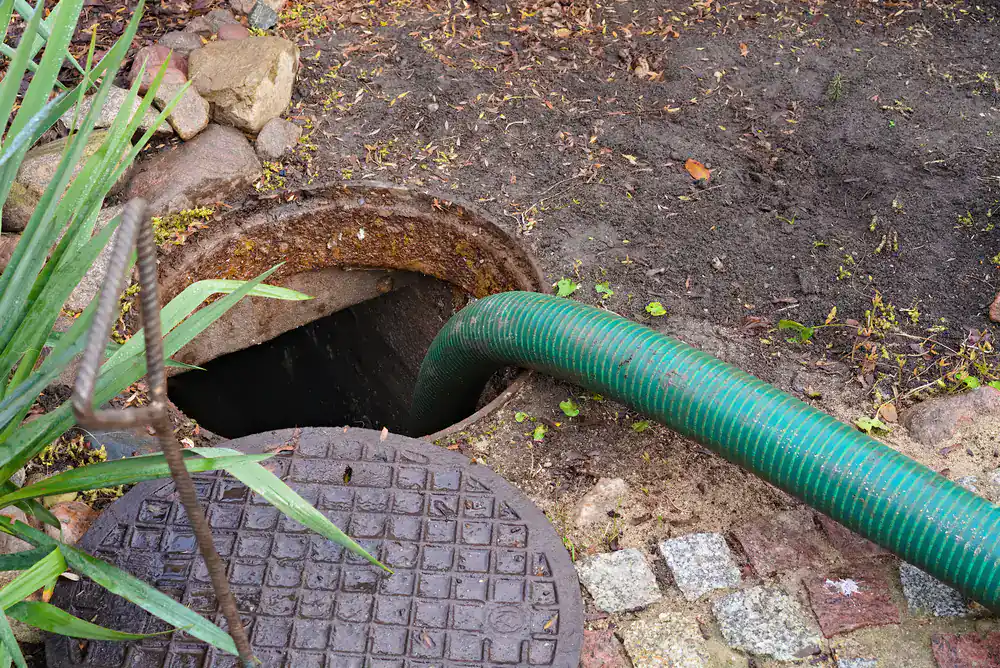
When our crew gets to your property, the first step is locating the access point. For newer homes with visible covers, this is straightforward. For older Speonk properties where the cover has been buried or the location records are long gone, we use our experience with Long Island systems to locate it efficiently. Once access is confirmed, we pump the tank removing the liquid waste, floating solids, and as much accumulated sludge as the system allows. Our technician will also take a look at the condition of the system while we’re there and flag anything that warrants attention, without manufacturing a problem that isn’t there.
After the job, you get written documentation of the service. In Southampton Town, where cesspool maintenance records are reviewed during property transfers and county compliance checks, that paperwork is worth keeping. It’s your proof that the system was serviced, when it was serviced, and by whom and it protects you when it’s time to sell.
Ready to get started?
Cesspool pumping and cesspool cleaning are not the same thing, and it’s worth understanding the difference before you book. Pumping removes the liquid waste and floating solids from your system. Cleaning goes further it involves more thorough removal of hardened sludge buildup and a closer inspection of the system walls and structure. Most routine service calls are pump-outs, but if your system hasn’t been touched in several years, cleaning may be the more appropriate starting point.
For Speonk and Remsenburg homeowners, the condition of the system at time of service often reflects how the property has been used. Year-round residents with a consistent household load tend to need straightforward pump-outs on a regular schedule. Seasonal homeowners who leave properties lightly used through fall and winter sometimes arrive in spring to find a system that’s been sitting at or near capacity especially after a wet winter raises the water table and reduces the soil’s ability to absorb. In those cases, the job is more involved, and our technician will be upfront about what’s needed.
We also handle drain cleaning, septic pumping, and full system installation and repair. If a pump-out reveals something that needs further attention a damaged baffle, a failing drainfield, or a system that’s approaching the end of its usable life you’ll hear about it clearly, along with an honest assessment of what your options are under Southampton Town’s current I/A OWTS requirements.