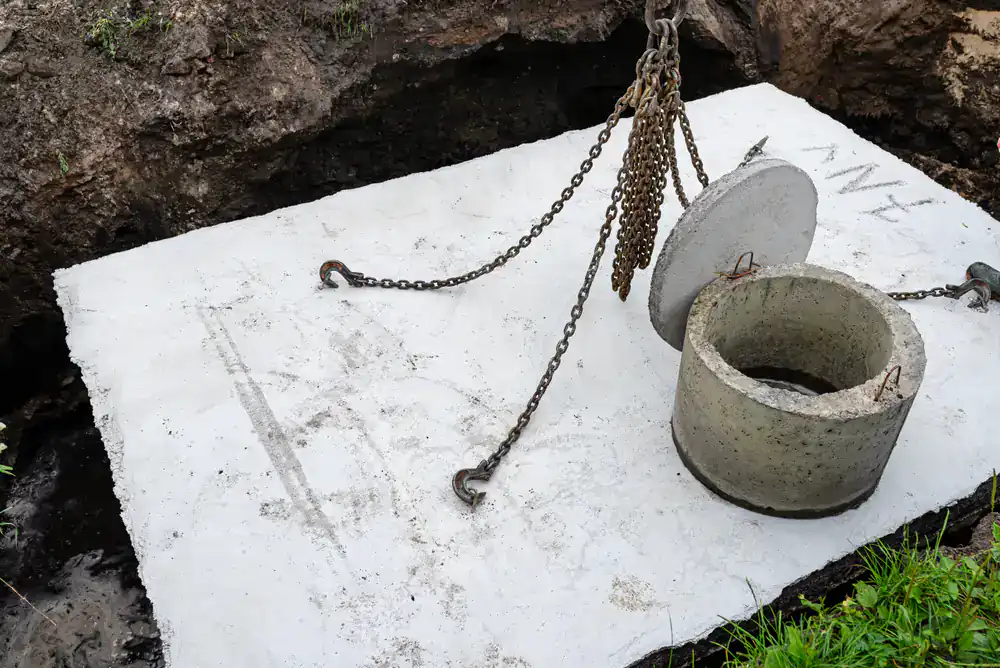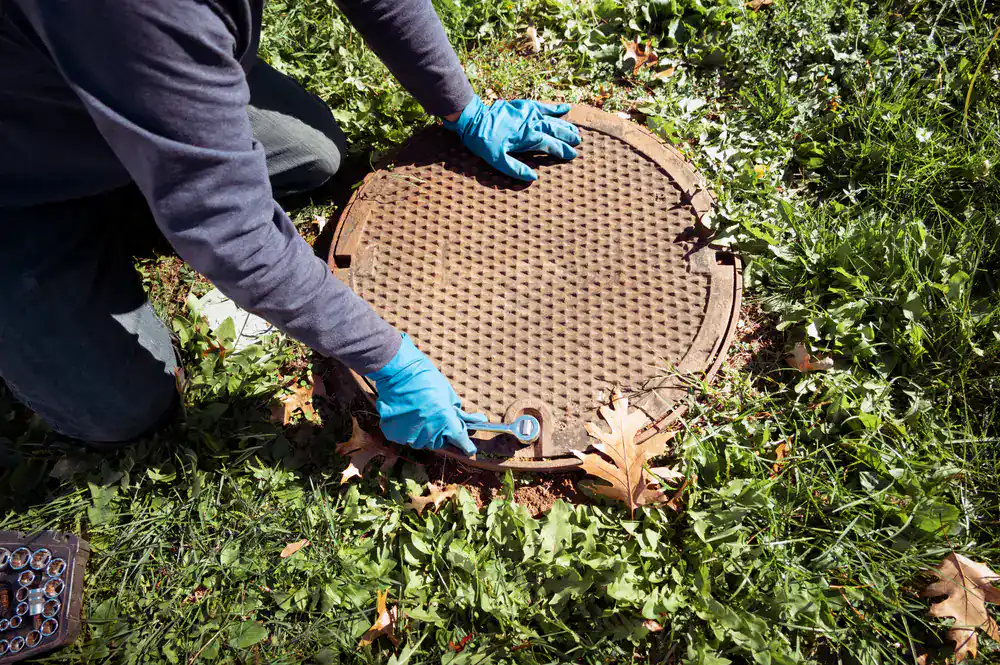
Useful Links
Other Services we provide in Babylon
Yes Babylon is fully within the eligible area for the Suffolk County Septic Improvement Program. As of mid-2025, qualifying homeowners can access combined state and county grant funding of up to $45,000 toward the cost of an I/A OWTS nitrogen-reducing system.
To be eligible, your property needs to have an existing cesspool or septic system that’s being replaced (not a new construction project), a valid Certificate of Occupancy, no outstanding property tax liens, and a residential design flow at or under 1,000 gallons per day. The grant funds go directly to us as the approved installer you don’t pay upfront and get reimbursed. The critical thing most Babylon homeowners miss is that the grant certificate has to be issued before installation starts. You can’t apply after the fact. If you’re thinking about a replacement, start the grant conversation now, not after you’ve already scheduled the work.
The honest answer is that it depends on your site, your soil conditions, and what type of system is required. In Suffolk County, a full septic system replacement generally runs somewhere in the $20,000 to $40,000 range. The lower end of that range typically applies to straightforward conventional septic installations on properties with favorable soil and standard lot configurations. The higher end comes into play with I/A OWTS systems, difficult site conditions, or properties where the existing system requires more complex abandonment work.
In Babylon specifically, the low elevation and variable soil conditions along the South Shore can push costs toward the higher end if the design requires a pressurized shallow drainfield or other modifications to account for a high seasonal water table. That’s not a reason to avoid the project it’s a reason to get a proper site assessment before anyone quotes you a number. A quote given over the phone without a site visit is a guess, and in this area, guesses tend to be wrong. We provide written estimates after assessing the property, not before.
A cesspool is essentially a buried pit raw sewage flows in, liquids seep out through the surrounding soil, and solids accumulate at the bottom. There’s no treatment happening. A septic system is more sophisticated: a tank separates solids from liquids, the liquid effluent flows out to a leaching field where it’s filtered through the soil before reaching groundwater, and solids are broken down over time. The distinction matters legally and practically.
Since July 2019, Suffolk County has banned new cesspool-only installations. If your cesspool fails or needs replacement, you cannot simply put in a new cesspool you’re required to install at minimum a conventional septic system, and in many cases an I/A OWTS advanced treatment system. For Babylon homeowners with homes built in the 1950s and 1960s, the cesspool under your yard may be 60 to 70 years old and operating well past its design life. Understanding what you actually have and what the county now requires is the starting point for any replacement conversation.
The actual installation work excavation, installation, and proper abandonment of the old system typically takes one to three days on-site for a residential property. What takes longer is the permitting process that has to happen first. Filing with the Suffolk County Department of Health Services under Article 6 of the Sanitary Code, completing a soil evaluation and perc test, and waiting for SCDHS approval generally adds several weeks to the overall timeline before a single shovel goes in the ground.
In Babylon, there’s an additional timing consideration worth knowing. The water table is highest in late winter and early spring after heavy rain and snowmelt, which can affect perc test results and site evaluation timing. Spring and fall are generally the best windows for installation work in this area. If you’re planning a replacement especially if you’re also pursuing SIP grant funding, which adds its own lead time starting the process in late summer or early fall gives you the best chance of completing the project before the ground conditions work against you.
Sometimes, yes but it depends on what’s actually wrong with it and what Suffolk County regulations allow. Minor issues like a clogged inlet baffle or a damaged riser can often be repaired without a full replacement. But if the structure of the cesspool itself has failed, if it’s collapsed or severely deteriorated, or if it’s simply reached the end of its serviceable life, repair isn’t going to be a lasting fix.
There’s also a regulatory ceiling on what “repair” means in Suffolk County today. You cannot restore a failing cesspool to a like-for-like cesspool any work that constitutes a replacement triggers the requirement for a modern septic system. For Babylon homes built during the post-WWII boom, many of which are running systems that are 60 to 80 years old, the line between “needs repair” and “needs replacement” is often crossed before the homeowner realizes it. The only way to know for certain is a proper inspection. We can assess what you have and give you a straight answer about whether repair is realistic or whether replacement is the more honest path forward.
Parts of the Town of Babylon are connected to public sewer particularly in denser areas closer to the village core but a significant portion of residential properties throughout West Babylon, North Babylon, and surrounding hamlets rely on private cesspool or septic systems. Before assuming you need a private system replacement, it’s worth confirming your sewer status with the Town of Babylon’s Building Department or the Suffolk County Department of Health Services.
If your property is in an area served by public sewer, connection may be an option worth exploring rather than a private system replacement. If you’re on private septic, the Town of Babylon’s own municipal code Chapter 181 of the Town Code governs private sewage disposal alongside Suffolk County’s Article 6 requirements, and both layers apply to any installation or replacement work. We work throughout the Town of Babylon and are familiar with which areas are sewered and which aren’t that’s a straightforward question to answer before you go any further in the process.
Hear from Our Customers
Most homeowners don’t think about their septic system until something goes wrong. By then, you’re dealing with a failing system, a yard that smells, and a contractor you’ve never met asking for a number that wasn’t anywhere near what you expected. That’s not how this should go.
When your system gets replaced properly with the right design for your site, the right permits filed, and the right installation done start to finish you get something most people don’t think about until they lose it: peace of mind. No more wondering if the system is holding on. No more crossing your fingers before a home inspection. Just a functioning system that meets today’s code and won’t be a problem for the next buyer or the next generation.
For Babylon homeowners specifically, this matters more than it does in most places. The neighborhoods along the Great South Bay and the canal streets throughout the village sit in some of the lowest-elevation ground on Long Island. Seasonal water table fluctuations are real, soil conditions vary block by block, and a system designed without accounting for those factors will either fail inspection or fail early. Getting it right the first time isn’t just about convenience it’s about not going through this process again in five years.
Drastic Drainage Long Island is headquartered in West Babylon not a regional office, not a dispatch center, the actual home base. Michael Chiofalo and our crew have been working on homes throughout the Town of Babylon for over 30 years. That means the post-WWII ranches off Deer Park Avenue, the canal-adjacent properties near the Great South Bay, the older homes in North Babylon where cesspools have been quietly aging for decades this is familiar ground.
Being family-owned means something here. When you call, a real person answers. When our crew shows up, we explain what we’re doing and why. When the job is done, you get documentation not a handshake and a drive-off. We serve both Nassau and Suffolk Counties, but Babylon isn’t just a service area on a list. It’s the neighborhood.

It starts with a site visit. Before any numbers are discussed or any work is planned, our crew comes out to assess your property the existing system, the soil conditions, and any site-specific factors that will affect the design. In Babylon, that assessment carries extra weight. Low elevation and a high seasonal water table mean the design can’t be templated. What works on a property in Dix Hills won’t necessarily work on a canal street off Montauk Highway in Babylon Village.
Once the site is evaluated, the permitting process begins. In Suffolk County, that means filing with the Suffolk County Department of Health Services under Article 6 of the Sanitary Code. This step takes time typically a few weeks and it’s not something you can skip or shortcut. We handle the filing and coordinate with SCDHS so you’re not navigating that process alone. If you’re pursuing a grant through the Suffolk County Septic Improvement Program, the grant certificate needs to be issued before installation begins, so the earlier you start that conversation, the better.
When permits are in hand, installation typically takes one to three days of active work on-site. The old system gets properly abandoned pumped, documented, and filled and the new system goes in. After installation, SCDHS conducts a final inspection. Once that clears, you’re done. We don’t leave you guessing about what comes next.

Ready to get started?
Septic system installation in Babylon isn’t one-size-fits-all, and the options available to you depend on your property, your current system, and what Suffolk County requires. Since July 2019, new cesspool installations have been banned in Suffolk County if your system needs to be replaced, it’s going to be replaced with something better. For many Babylon homeowners, that means either a conventional septic system or an innovative/alternative (I/A OWTS) nitrogen-reducing system, depending on your site conditions and eligibility.
I/A OWTS systems are worth understanding. They treat wastewater more thoroughly than a conventional septic system and reduce nitrogen output by up to 70% compared to a standard cesspool. In a community like Babylon, where failing systems discharge nitrogen into groundwater that drains toward the Great South Bay, that reduction has real, visible consequences for the water quality in your own backyard. The Suffolk County Septic Improvement Program was built specifically to help homeowners in areas like this make the upgrade and as of mid-2025, combined state and county grant funding of up to $45,000 is available for eligible properties.
To qualify, your property needs to have an existing system being replaced (not a new build), a valid Certificate of Occupancy, no outstanding tax liens, and a residential design flow of 1,000 gallons per day or less. The grant is applied directly to us as the installer not reimbursed to you after the fact and it must be issued before installation begins. If you’re not sure whether your property qualifies, that’s a conversation worth having before you assume it doesn’t.