Useful Links
Other Services we provide in Yaphank
It depends on a few things, but many Yaphank homeowners do qualify. The Suffolk County Septic Improvement Program (SIP) is available to properties that have a valid Certificate of Occupancy, no outstanding tax liens, and an existing cesspool or conventional septic system that’s being replaced not a new construction project. The property also needs to be a primary residence with a design flow under a certain threshold, which most single-family homes in Yaphank easily meet.
The more important thing to understand is the timing. The grant certificate has to be issued before installation begins. If you hire a contractor and start work without securing your grant first, you lose the funding entirely it’s not retroactive. Combined county and state grants for I/A OWTS systems have reached up to $45,000 as of mid-2025, so that’s not a small mistake to make. We can help you understand where your property stands and make sure the application sequence is handled correctly before a single shovel goes in the ground.
A cesspool is essentially a pit in the ground. Waste goes in, liquids seep out into the surrounding soil, and solids accumulate at the bottom until the pit is pumped. There’s no treatment happening whatever goes in eventually makes its way into the groundwater. A septic system is more involved: a tank separates solids from liquids, and the liquid effluent flows out to a drain field where it’s filtered through the soil before reaching the water table.
Most older homes in Yaphank especially those built before the 1990s have cesspools, not true septic systems. Given that the median construction year here is in the early-to-mid 1980s, there’s a good chance your original system is a cesspool. Since July 2019, Suffolk County has banned new cesspool-only installations, which means any replacement has to meet modern septic standards at minimum. If you’re not sure what you have, a site assessment will tell you quickly and that’s always the right first step before making any decisions about replacement or upgrade.
The active installation work itself excavation, removal of the old system, installation of the new one typically takes one to three days once permits are in hand. What takes longer is the front end: the site assessment, perc testing if required, the SCDHS permit application, and the review period. In Suffolk County, you’re generally looking at a few weeks from initial application to permit approval, though that can vary depending on the complexity of the application and current SCDHS processing times.
For Yaphank properties, the perc test portion tends to go smoothly. The sandy, fast-draining soils in this part of central Suffolk County are generally favorable for drain field installation percolation rates here aren’t usually the obstacle. The bigger variable is the permit timeline and, if you’re pursuing SIP grant funding, the grant application process, which needs to run parallel to or ahead of the permit process. Getting everything lined up correctly from the start is what keeps the overall timeline from dragging out unnecessarily.
Not anymore not for a full replacement. Since July 1, 2019, Suffolk County has prohibited new cesspool-only installations. If your existing cesspool fails or needs to be replaced, the replacement must meet current Suffolk County standards, which at minimum means a proper septic system with a tank and drain field. In many cases, depending on your property’s location, size, and other factors, the county may require an I/A OWTS nitrogen-reducing system rather than a conventional septic replacement.
This is one of the most common misconceptions homeowners in Yaphank run into. They assume they can simply swap out an old cesspool for a new one the same way they’d replace a water heater. The regulatory landscape has changed significantly, and working with a contractor who knows Suffolk County’s current Article 6 requirements is essential. An unlicensed or out-of-area contractor who isn’t up to date on these rules can leave you with a failed inspection, a system that doesn’t qualify for grant funding, or in the worst case work that has to be redone entirely.
Honest answer: it varies, and anyone who gives you a firm number without seeing your property first isn’t being straight with you. What affects the cost is the type of system required, the size of your lot, how the old system needs to be abandoned, soil conditions, and whether you’re pursuing an I/A OWTS upgrade or a conventional septic replacement. On Long Island, complete septic system replacement typically ranges from $20,000 to $40,000 depending on those variables.
The good news for Yaphank homeowners who qualify is that SIP grant funding can significantly offset that cost. Combined county and state grants for I/A OWTS installations have reached up to $45,000, which in some cases covers the majority of the total project cost. The grant is applied directly to the installation it’s not a reimbursement you wait for after the fact. Getting a proper site assessment is the only way to understand what your specific property actually needs and what the realistic cost looks like before you commit to anything.
The Carmans River is a designated State Scenic River that runs directly through Yaphank it’s not just a backdrop, it’s an active freshwater system that’s monitored and protected. The soils in this part of central Suffolk County are sandy and highly permeable, which means water moves through them quickly. That’s generally good news for drain field installation, but it also means that whatever a failing or aging cesspool releases into the ground doesn’t stay put for long. Nitrogen and other contaminants travel fast toward the water table and, from there, toward the river.
This is why the push toward I/A OWTS nitrogen-reducing systems matters especially for Yaphank properties near the Carmans River corridor. A conventional cesspool releases roughly 40 pounds of nitrogen per household per year into the surrounding soil. An I/A OWTS system can reduce that by up to 70%. For a community where the river is literally the geographic and historical center of the hamlet, that’s not an abstract environmental stat it’s a direct connection between what’s under your yard and the waterway your neighbors walk, fish, and paddle on. Suffolk County’s SIP grant program exists in large part because of exactly this kind of local environmental pressure, and Yaphank sits squarely in the area it was designed to address.
Hear from Our Customers
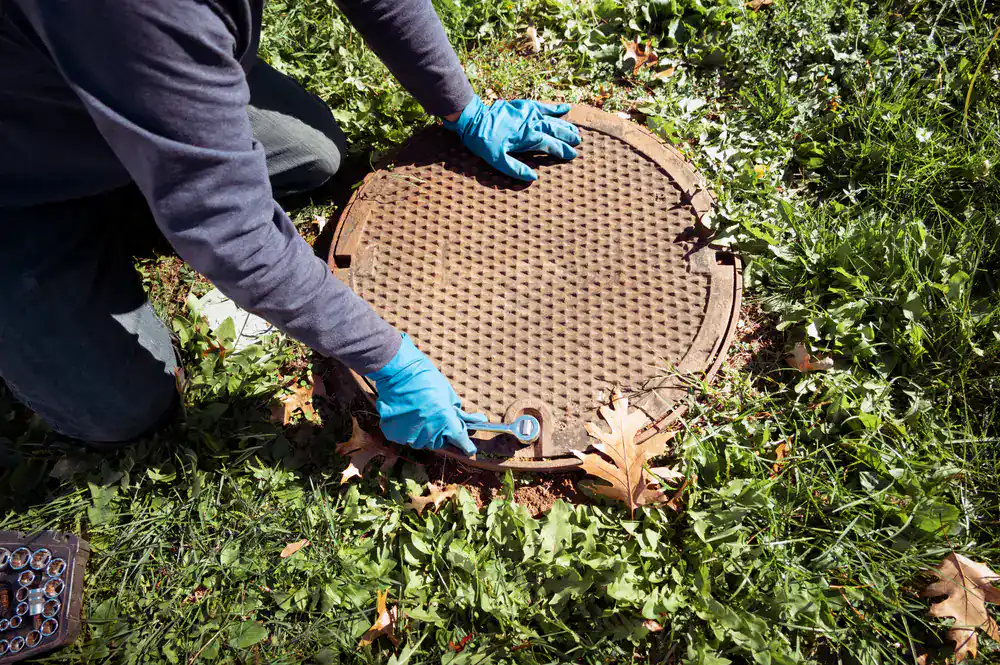
When your septic system is properly installed, you stop guessing. No more wet patches in the yard, no odors creeping into the house, no anxiety every time you flush. You know what’s underground, you have the paperwork to prove it, and your home is protected whether you’re staying put or planning to sell.
For Yaphank homeowners specifically, that peace of mind carries real weight. The Carmans River runs directly through this hamlet, and the sandy Pine Barrens soils beneath most properties here move water and nitrogen fast. A conventional cesspool doesn’t slow that down. A properly installed, modern septic system does. If you qualify for an I/A OWTS nitrogen-reducing system, you’re not just meeting a county requirement; you’re protecting the waterway that’s been part of this community since the first mills were built along its banks in the 1700s.
There’s also the home value side of this. With median home values in Yaphank approaching $500,000, a documented, SCDHS-compliant installation is part of what protects that number at resale. Buyers and their inspectors will look. A properly permitted system with installation records on file is a selling point. A failing or undocumented one is a negotiating liability or worse, a deal-breaker.
We’re a family-owned operation based in West Babylon, and we’ve been working on Long Island’s drainage and septic infrastructure for over 30 years. That’s not a credential borrowed from a national brand it’s decades of hands-on experience with Suffolk County’s specific soil conditions, the SCDHS permit process, and the regulatory changes that have reshaped this industry since the 2019 cesspool ban.
We serve both Nassau and Suffolk Counties, and our footprint covers central Suffolk communities like Yaphank homes near the Carmans River corridor, larger-lot properties off William Floyd Parkway, older hamlet-core houses on Yaphank Avenue, and newer developments in East Yaphank. We know what a 40-year-old Long Island system looks like when we open it up, and we know what the right replacement looks like for the property in front of us.
When you call, a real person answers. When we give you an arrival window, we show up. Customers have said it plainly in reviews: that alone sets us apart from most of the competition.

It starts with a site visit. Before anything is quoted, before any permits are filed, we come out to look at your property the existing system, the soil conditions, the layout of the lot. In Yaphank, that assessment matters. The highly permeable sandy soils in this part of central Suffolk County typically make for a straightforward perc test, but the proximity to the Carmans River watershed means the system design needs to account for how quickly water moves through the ground here. That shapes what we recommend.
Once the site is assessed and you’ve agreed on a scope of work, the permit process begins. In Suffolk County, that means filing with the SCDHS under Article 6 of the Suffolk County Sanitary Code. If you’re pursuing an I/A OWTS upgrade and applying for SIP grant funding, the grant certificate has to be secured before installation starts not after. We can walk you through that sequence so you don’t accidentally start work and lose your eligibility.
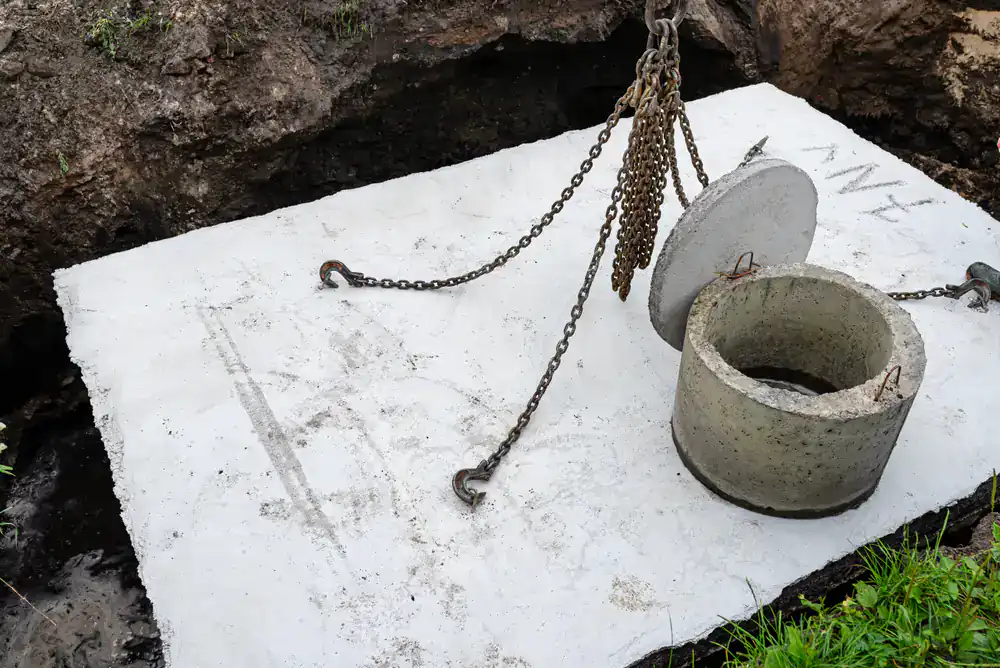
When permits are in hand, the installation itself typically takes one to three days of active work. The old system is properly abandoned pumped, documented, and filled according to county requirements. The new system goes in. A final inspection by SCDHS closes the loop, and you walk away with installation records that protect you at every future point: resale, inspection, refinancing, whatever comes next.
Ready to get started?
Septic installation in Suffolk County isn’t a single transaction it’s a sequence of steps that have to happen in the right order. The site assessment comes first, followed by soil evaluation and perc testing if required. Then comes the SCDHS permit application, the actual installation, proper abandonment of the old system, and a final county inspection. We handle that full sequence. You’re not coordinating between multiple contractors or trying to figure out which step comes next on your own.
For Yaphank homeowners who qualify, I/A OWTS installation is the current standard for most cesspool replacements in Suffolk County and it’s the system type that makes you eligible for combined county and state grant funding. As of mid-2025, eligible homeowners may qualify for up to $45,000 in SIP grant funds, which are applied directly to the cost of installation rather than reimbursed to you after the fact. The grant has to be issued before work begins, which is why getting that application started early matters. If your property sits within the Carmans River watershed or near protected open space like Southaven County Park, the environmental case for upgrading to a nitrogen-reducing system is especially concrete this isn’t abstract policy language, it’s the actual river that runs through your neighborhood.
Every installation includes documentation. We provide installation records for every new system, which is something you’ll want on file when it’s time to sell, refinance, or simply prove to a future inspector that the work was done correctly and to code.