Useful Links
Other Services we provide in Cold Spring Harbor
For most Cold Spring Harbor households, a septic tank needs pumping every three to five years. The actual interval depends on tank size, how many people are in the home, and how much water your household uses day to day. A family of four with a 1,000-gallon tank typically lands in the three-to-four-year range. Smaller households can sometimes stretch to five years without issue.
What makes Cold Spring Harbor worth paying attention to is the age of the housing stock. Many homes here are working with systems that are 60 to 80 years old, and older systems especially cesspool-style setups tend to accumulate sludge faster than modern septic tanks because they don’t separate solids from liquids the same way. If you’re not sure when your system was last serviced, or if you’ve recently purchased the home and don’t have maintenance records, starting with an inspection and pump-out is the right move regardless of what the calendar says.
This is one of the most common questions on Long Island, and the confusion is understandable. A cesspool is a single underground chamber waste goes in, liquids slowly leach out through the surrounding soil, and solids accumulate at the bottom. A septic tank is a more advanced two-stage system: solids settle in the tank, liquids flow out to a drain field where they’re filtered through the soil. Septic tanks are generally more efficient and require less frequent pumping than cesspools.
In Cold Spring Harbor, both types exist, and the age of your home is usually the best clue. Homes built before the 1970s are more likely to have cesspool systems, while newer construction or homes that have undergone system upgrades may have full septic tanks. The most reliable way to know is to have a technician locate and inspect your system the configuration, the number of chambers, and how it’s functioning will tell you exactly what you’re working with. It’s worth knowing, because cesspools typically need pumping every one to two years, while septic tanks can go three to five years between service calls.
This is where the regulatory landscape has changed significantly for Cold Spring Harbor homeowners. Since 2019, Suffolk County no longer allows in-kind cesspool replacement meaning if your cesspool fails and needs to be replaced, you can’t simply swap it for another cesspool. You’re required to upgrade to an Innovative/Alternative Onsite Wastewater Treatment System, commonly called an I/A OWTS. These systems are more advanced, reduce nitrogen output by approximately 70 percent, and cost roughly $19,000 to $25,000 installed.
That’s a meaningful number, and it changes the math on routine maintenance. A pump-out that costs a few hundred dollars and extends the life of an aging system by several years is no longer just a maintenance expense it’s financial protection against a much larger forced upgrade. For Cold Spring Harbor properties, where homes are older and systems are closer to the end of their functional lifespan, staying current on pumping is one of the most practical things you can do. New York State and Suffolk County do offer grant programs to help offset I/A upgrade costs, so if your system is approaching that threshold, it’s worth asking about available funding.
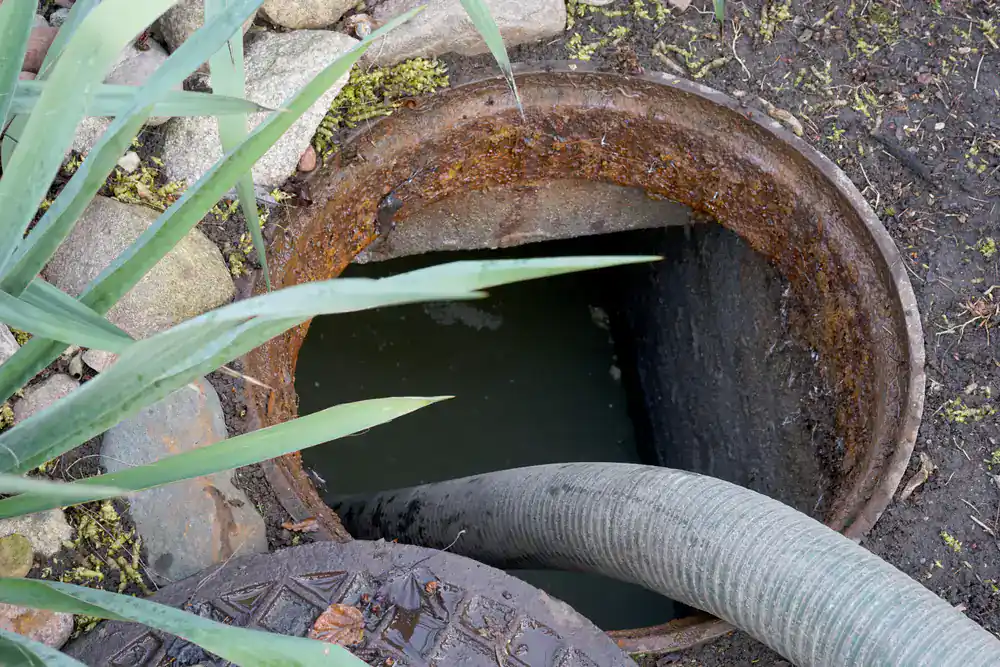
It’s a very common problem on older North Shore properties, and it’s not something you need to solve before calling. Cold Spring Harbor’s wooded terrain, steep lots, and decades of landscaping changes mean that cesspool lids on many properties have been buried under soil, root systems, and accumulated organic matter. Some homeowners have no idea where their tank is located, especially if they purchased an older home without detailed records.
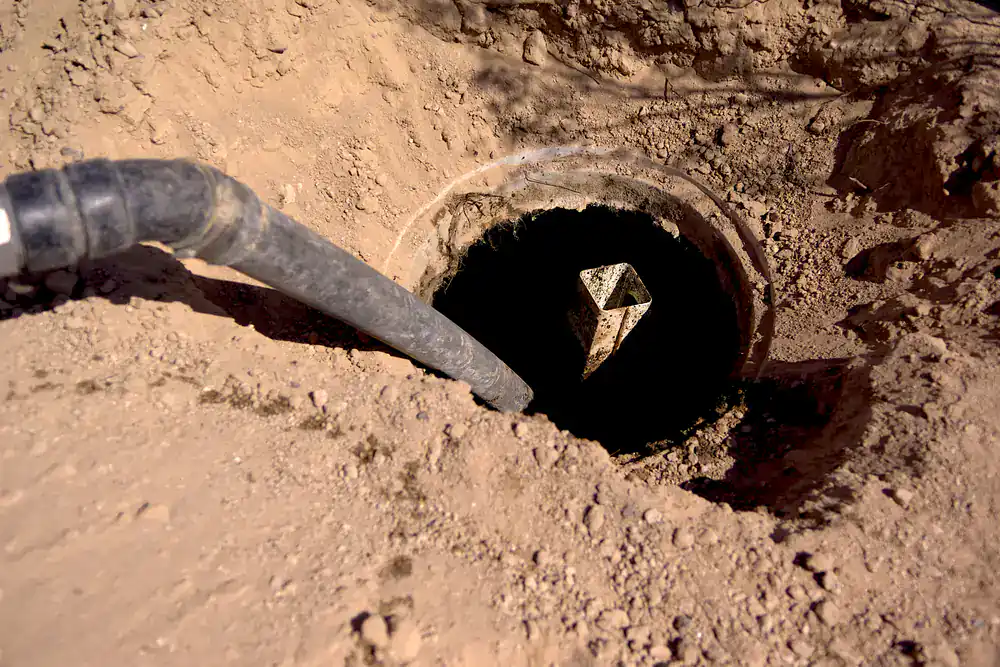
We specialize in locating hard-to-find cesspools this is a specific capability, not a side note. The process involves identifying likely tank locations based on the home’s age, construction style, and plumbing layout, then using probing and locating techniques to find the access point without tearing up the entire yard. Once located, the lid is carefully excavated. If the lid is buried deep enough that it creates ongoing access challenges, our technician can discuss options for bringing it closer to grade so future service calls are simpler.
Yes, and it’s worth understanding before you need repairs. Cold Spring Harbor is a protected water body, and Suffolk County has specific setback and performance requirements for septic systems located in close proximity to it. These rules govern where systems can be sited, how they must perform, and what upgrades are required when a system fails near the water. The Oyster Bay/Cold Spring Harbor Protection Committee an intermunicipal body representing 11 municipalities in the watershed actively monitors nitrogen levels in the harbor and has identified septic systems and cesspools as the dominant land-based source of nitrogen pollution in the Cold Spring Harbor watershed.
What this means practically is that waterfront and near-waterfront properties in Cold Spring Harbor may face stricter requirements when it comes to system upgrades or replacements than properties further inland. If your home sits close to the harbor or any of its tributaries, those proximity factors will affect what options are available if your system needs work beyond routine pumping. A technician who knows the local regulatory environment can tell you where your system stands and what the realistic range of outcomes looks like without inflating the picture or downplaying it.
Getting the system inspected and pumped before closing is one of the smarter things you can do when buying in Cold Spring Harbor specifically. At the price points this market operates at median home values above $1.47 million, with active listings ranging considerably higher a septic system in unknown condition is a real financial variable, not a minor detail. Older homes with original cesspool or septic systems that haven’t been documented or serviced in years can reveal deferred maintenance that changes the negotiation entirely.
A pre-purchase pump-out and inspection gives you a clear picture of what you’re actually buying: tank condition, whether the system is functioning correctly, how recently it was last serviced, and whether there are any signs of wear or infiltration that suggest a larger issue ahead. Under current Suffolk County rules, a failed system can’t be replaced in kind it requires a full I/A upgrade so knowing the system’s condition before you close is genuinely valuable information. Even if everything looks fine, having that documented service record from day one means you’re starting your ownership with a baseline, which makes every future service call and eventual sale conversation easier.
Hear from Our Customers
When your septic system is running the way it should, you don’t think about it. That’s the goal. Routine septic tank pumping keeps sludge from building up to the point where your drains slow down, your yard gets soggy, or worse you’re dealing with a backup that turns into a very expensive repair. The difference between a few hundred dollars now and a $10,000-plus drainfield failure later comes down to whether you stayed on schedule.
Cold Spring Harbor’s housing stock makes this especially relevant. A significant share of homes here were built before 1960, and many still rely on their original cesspool or septic systems. These aren’t modern setups with easy access lids and predictable behavior they’re older configurations that have been sitting under decades of soil, root growth, and landscaping changes. Knowing how to read them, locate them, and fully pump them out takes real experience with Long Island systems specifically.
There’s also the harbor to think about. The Cold Spring Harbor watershed has been specifically identified in nitrogen loading research as one where septic systems and cesspools are the dominant source of water quality problems. A properly maintained system isn’t just good for your home it’s one of the most direct things you can do to keep your contribution to that problem as small as possible.
We’ve been handling cesspool and septic work across Suffolk County for over 30 years. That’s not a marketing number it’s the kind of experience that matters when you’re dealing with a pre-1960 property in Cold Spring Harbor and the lid hasn’t been touched in years, or when the system is in a spot that isn’t where anyone expected it to be.
We’re locally owned and operated out of West Babylon, NY. There’s no national franchise behind us, no regional dispatch center routing your call somewhere else. When you reach out, you’re talking to a real Long Island operation that services the North Shore regularly and understands what these older systems actually look like in the ground.
Named technicians show up the same crew that customers reference by name in reviews. Our approach is straightforward: assess honestly, pump completely, and tell you what you actually need rather than what generates the largest bill. That’s the standard every job is held to, whether it’s a routine pump-out or something more involved.
It starts with a free estimate. You describe the situation, and we give you a clear number before anyone shows up. No vague ranges, no “we’ll figure it out when we get there.” If you don’t know where your tank is which is common on older Cold Spring Harbor properties where lids have been buried under years of soil and landscaping that gets factored in upfront, not added to the bill as a surprise at the end.
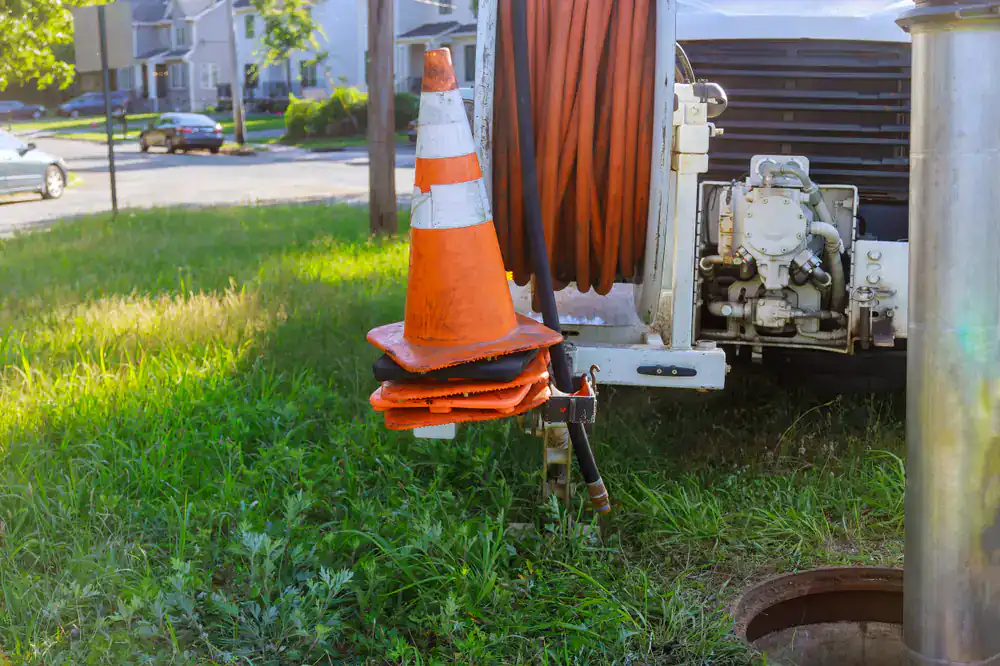
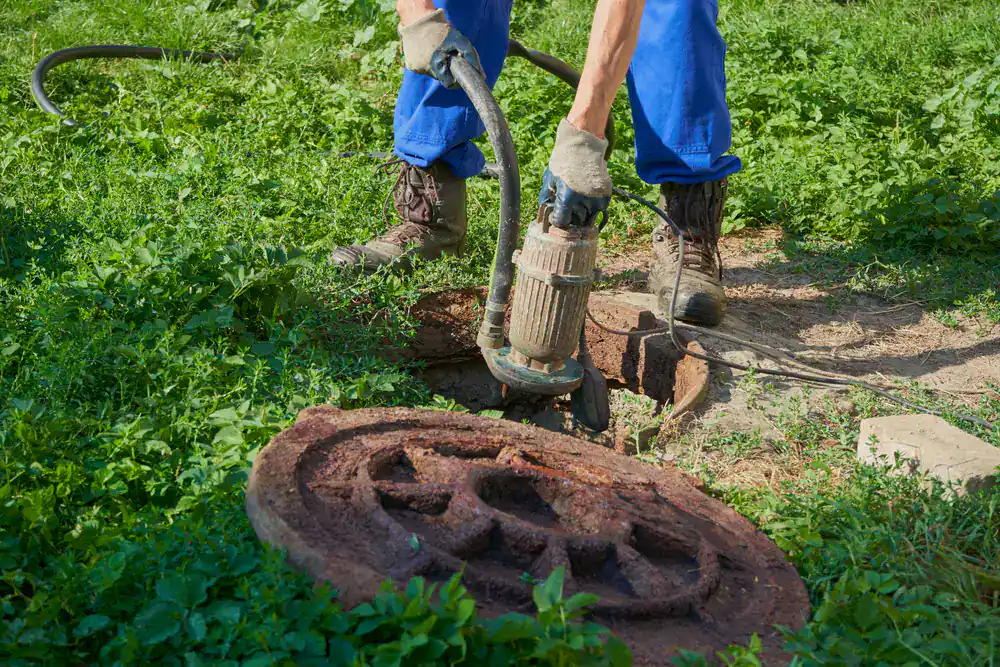
When our crew arrives, the first step is locating and accessing the tank. On a North Shore property with wooded terrain, steep lots, and decades of overgrowth, this step requires more care than it does on a flat suburban lot. Once access is established, we fully pump the system not skim it. All sludge and accumulated waste is removed, not just the surface layer.
After pumping, our technician assesses the condition of the system: checking baffles, looking for signs of infiltration or wear, and giving you an honest read on what we found. Because Cold Spring Harbor falls under Suffolk County’s regulatory framework, all septage is transported and disposed of legally through a licensed facility. If your system shows signs of a larger issue something that could eventually trigger Suffolk County’s requirement for a full I/A system upgrade you’ll hear about it clearly and without pressure, so you can plan accordingly rather than face an emergency decision later.

Ready to get started?
Standard residential septic tank pumping in Suffolk County runs $225 to $600 depending on tank size and access conditions. That range reflects real variables a 1,000-gallon tank with an accessible lid costs less than a 2,000-gallon system buried under a wooded slope. If excavation is needed to reach a buried lid, that’s a separate cost that gets communicated before work begins, not after.
What’s included in every service call is a complete pump-out not a partial job that leaves half the sludge behind. Our technician also inspects the system while they’re there: baffles, tank condition, signs of groundwater infiltration, and anything that looks like it’s trending toward a problem. You get an honest assessment of what we found, explained in plain language.
For Cold Spring Harbor homeowners with older systems, this documentation matters beyond the immediate service call. When a property worth $1.5 million or more changes hands, buyers and their inspectors ask about septic maintenance history. A record of consistent, professional service is a real asset in that conversation. We also handle cesspool pumping, drain cleaning, drywell service, house trap replacements, and main sewer line work so if the inspection turns up something else that needs attention, you’re not starting over with a different company.