
Useful Links
Other Services we provide in Copiague
For most Copiague homeowners, the honest answer depends on what type of system you have. If your home uses a conventional cesspool which is the most common setup in this part of the South Shore, especially in the older housing stock built through the 1960s pumping every one to two years is the standard recommendation. Cesspools don’t separate solids from liquids the way a true septic tank does, so waste accumulates faster and the system needs more frequent attention to keep functioning properly.
If your home has a conventional septic tank, the typical interval stretches to every three to five years, depending on household size and daily water use. A family of four with a 1,000-gallon tank generally needs service every three to four years. That said, Copiague’s coastal proximity and the high water table in the southern neighborhoods can shorten that window a system under more environmental stress doesn’t perform the same as one sitting on well-drained inland soil. When in doubt, a free estimate and a quick assessment will tell you exactly where your system stands.
The most obvious signs are the ones that are hard to ignore: toilets that drain slowly, gurgling sounds in the pipes after flushing, drains throughout the house that are sluggish even after you’ve ruled out a simple clog, and odors either a sewage smell inside or a sulfur-like smell near the tank area outside. If you’re noticing wet or unusually green patches of grass over where the tank sits, that’s a sign the system is already saturated and pushing effluent toward the surface.
For homes in Copiague’s lower-lying neighborhoods near the bay, these symptoms can appear more quickly than they would elsewhere. When the water table rises after a storm or a stretch of heavy rain, there’s less soil depth available to absorb what the system is releasing. A tank that’s at 70% capacity under normal conditions can become a problem much faster when the ground is already saturated. Don’t wait for a backup into the house to act by that point, the system has been under stress for a while. If you’re seeing any of these signs, a same-day or next-day service call is the right move.
Yes, and it’s one of the more underappreciated maintenance issues for South Shore homeowners. When storm surge or heavy rainfall pushes water into the ground around your tank as happened throughout Copiague during Superstorm Sandy and in numerous nor’easters since the surrounding soil becomes saturated and the system’s ability to drain effluent drops significantly. In some cases, floodwater can infiltrate the tank itself through the lid or cracked seams, which dilutes the tank’s contents and accelerates how quickly it fills.
After a significant flooding event, it’s worth having the system inspected even if you’re not noticing active symptoms yet. The damage from infiltration and saturation doesn’t always show up immediately. A post-storm inspection can catch infiltration issues early, assess whether the baffles are still intact, and determine whether the tank needs to be pumped sooner than scheduled. Copiague’s American Venice and Copiague Harbor neighborhoods which sit at some of the lowest elevations in the hamlet are particularly worth monitoring after coastal weather events. Getting ahead of it is significantly cheaper than dealing with a failure after the fact.
This is one of the most common calls in the septic service business, and it’s completely reasonable. When you buy a home, especially an older one, the septic service history often doesn’t transfer with the paperwork. The previous owners may have pumped it regularly, or they may not have touched it in a decade there’s no way to know without having someone look.
The practical answer is straightforward: schedule a pump-out and inspection. Suffolk County actually requires septic inspection and pumping before property transfers, so depending on how your closing was handled, the tank may have been serviced recently. But if that documentation isn’t clear, don’t assume. A pump-out will remove whatever has accumulated and give you a baseline you’ll know the tank’s condition, whether the baffles are intact, and when you should plan for the next service. In Copiague’s older housing stock, where many systems date back to the 1960s, it’s not uncommon to find a tank that hasn’t been properly serviced in years. Starting fresh with a documented service date is the right way to take ownership of the system.
Standard residential septic tank pumping in Suffolk County runs between $225 and $600, depending primarily on the size of the tank. A 1,000-gallon tank typically falls in the $225 to $400 range; a 2,000-gallon system generally runs $400 to $600. Those are the baseline numbers for a straightforward pump-out where the lid is accessible and the job goes as expected.
What can add to that cost is lid excavation. In Copiague’s older homes, it’s common for the tank lid to be buried under years of soil and landscaping sometimes significantly. Excavating a buried lid can add anywhere from a few hundred dollars to over a thousand, depending on how deep it is and how accessible the area is. The best way to avoid sticker shock is to get a free estimate upfront, which is exactly what we provide before any work begins. We’ll tell you what the job involves and what it will cost before a shovel hits the ground. That transparency is the whole point no low phone quote that becomes something different when the crew arrives.
Yes, and in Copiague specifically, having one contractor who handles both is worth more than it might seem. Suffolk County’s 2019 regulatory change means that if your cesspool fails and needs to be replaced, you can’t simply swap in a like-for-like system anymore. Any replacement now requires an upgrade to a more advanced system and navigating that process is a different job than just scheduling a pump-out.
We handle the full range: routine pumping, cesspool and septic installation, drain cleaning, drywell service, main line work, and more. When a service call turns into a bigger conversation about system condition or a needed upgrade, you’re not getting handed off to a different contractor. The same company that pumped your tank can assess what the next step looks like, explain your options under current Suffolk County regulations, and handle the installation if it comes to that. For Copiague homeowners managing aging systems in a county with increasingly specific compliance requirements, that continuity makes the whole process easier to navigate.
Hear from Our Customers
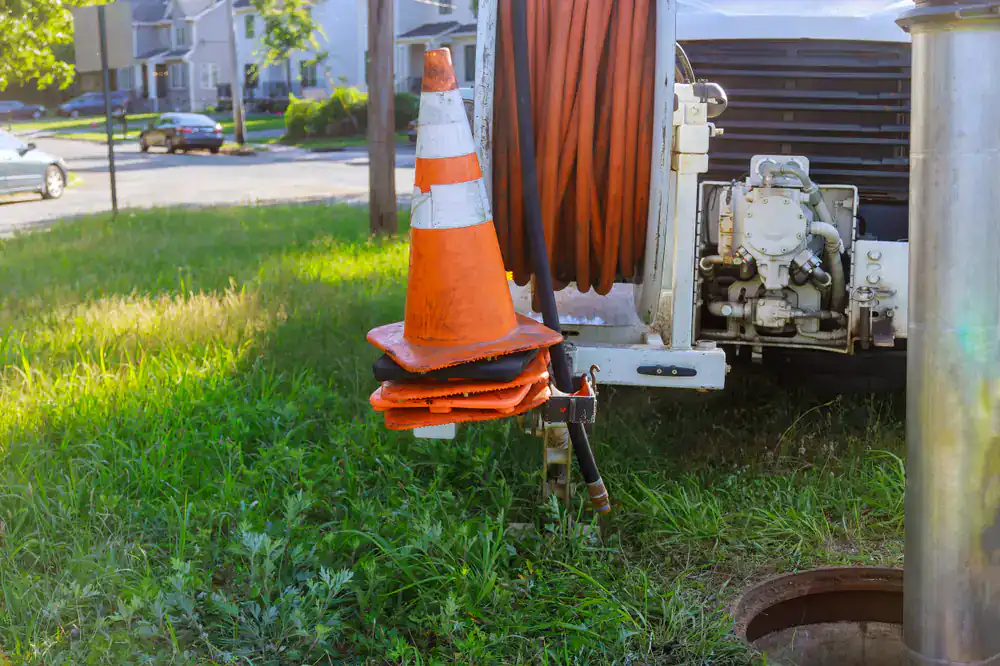
A properly pumped and serviced septic system doesn’t announce itself and that’s exactly the point. No odors creeping up from the yard. No slow drains that get worse every week. No soggy patches near the tank that weren’t there last spring. When the system is doing its job, your home runs quietly and you don’t think about it at all.
For Copiague homeowners, that peace of mind carries extra weight. The South Shore’s water table doesn’t give you much margin. In the neighborhoods closest to the bay American Venice, Copiague Harbor, Amity Harbor the ground is already working against you during a wet spring or after a nor’easter pushes water inland. A tank that’s full going into that kind of weather event has nowhere to send the overflow. Staying on top of pumping isn’t just a maintenance habit here; it’s what keeps a coastal storm from becoming a basement problem.
The same logic applies to Copiague’s housing stock more broadly. Most homes here were built in the 1960s, which means the systems underneath them are aging right alongside the houses. Older tanks, older baffles, and lids that have been buried under decades of soil these aren’t hypothetical issues in this neighborhood. They’re what a technician actually finds when they show up. Getting ahead of it, rather than waiting for something to fail, is what separates a routine service call from an emergency one.
We’re based in West Babylon, a few miles east of Copiague along the same Montauk Highway corridor most of you drive every day. That’s not a footnote. It means the technicians who show up at your door know what South Shore systems actually look like: older cesspools with buried lids, tight lots, sandy soil that shifts over time, and water tables that behave differently than they do inland.
Our team has over 30 years of hands-on experience working on Long Island’s cesspool and septic systems specifically not generic plumbing experience applied to septic work. That distinction matters when you’re dealing with a 1960s-era system in a coastal community like Copiague with its own set of challenges.
We handle everything from routine septic tank pumping and cesspool pumping to drain cleaning, drywell service, house trap replacements, and full system installation. You don’t need to coordinate three different contractors. One call covers the whole system, and we won’t leave until the job is done right.
It starts with a free estimate. Before anyone shows up and before any work begins, you’ll know what the job involves and what it costs. That’s not a teaser it’s how we operate. We don’t quote one price on the phone and hand you a different number on-site.
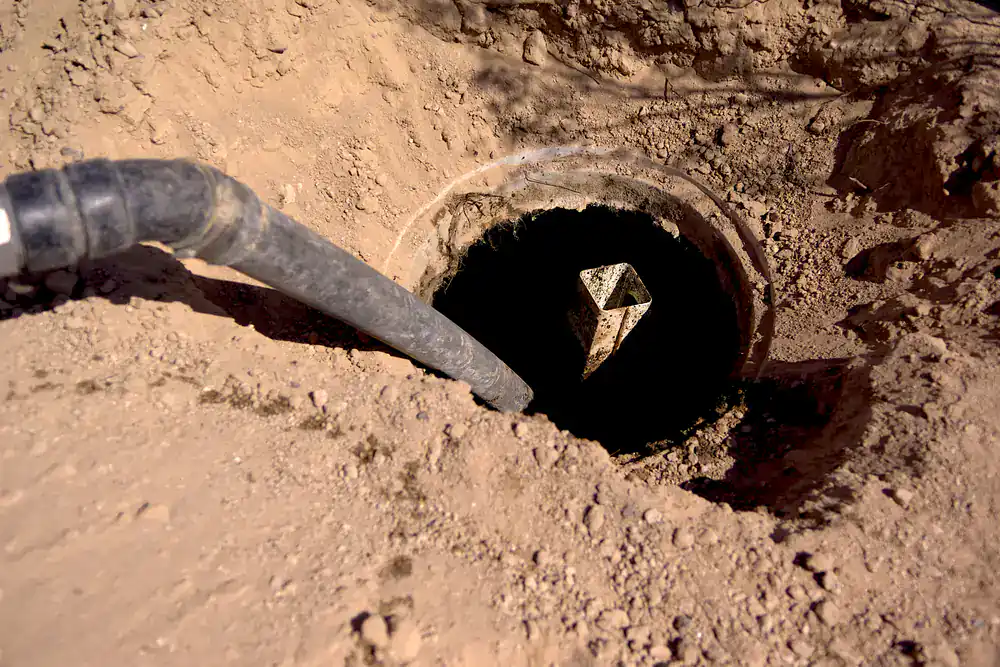
When our crew arrives, the first order of business is locating and accessing the tank. In Copiague’s older housing stock, this step matters more than most homeowners expect. Lids that were installed flush with the grade in 1963 are often buried under years of accumulated soil and landscaping by now. We specialize in locating hard-to-find cesspools and tanks it’s a specific skill, and it saves you from paying for multiple visits just to get to the point where actual work can begin.
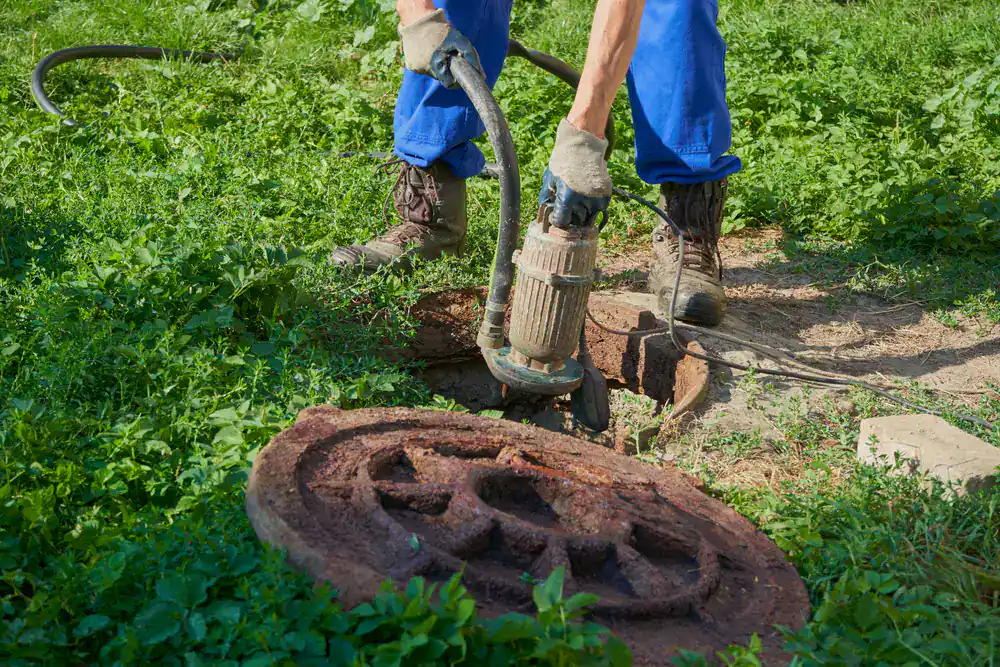
Once the tank is accessed, we perform a complete pump-out not a partial one. All the accumulated sludge and waste comes out. After pumping, the system gets a visual assessment: baffles, tank condition, signs of infiltration, anything that warrants attention. If something needs to be addressed, we’ll tell you what it is, explain whether it’s urgent or optional, and let you decide.
Suffolk County requires septic inspection and pumping before property transfers, so if you’re preparing to sell your Copiague home, this service satisfies that requirement directly. The whole process is straightforward, and when it’s done, your yard looks the way it did before we arrived.
Ready to get started?
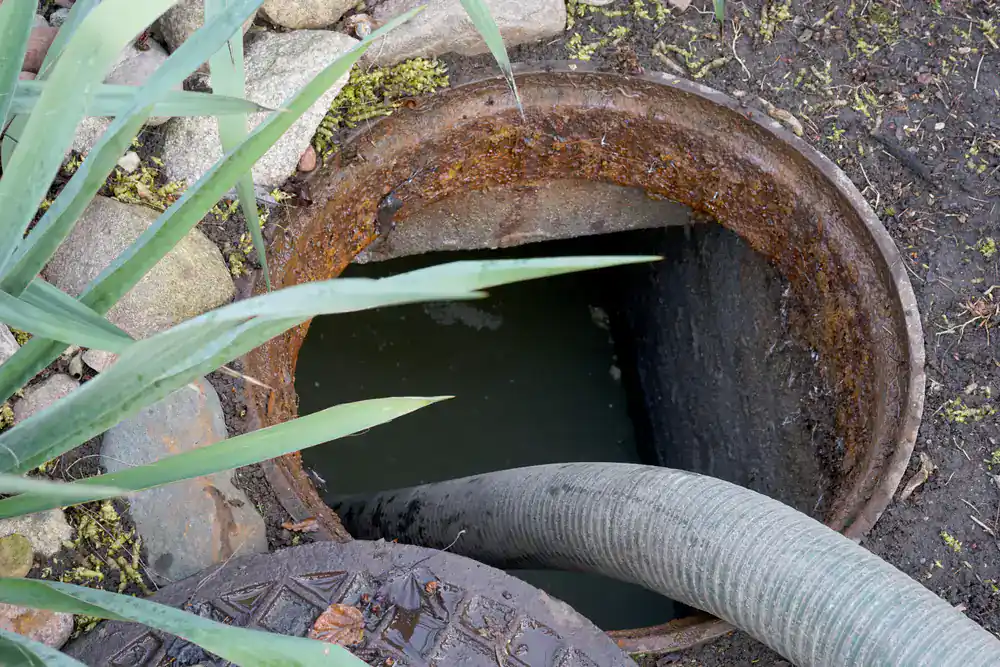
Septic tank pumping is the core of what we do in Copiague, but the service doesn’t stop at the tank. A complete pump-out includes full removal of sludge and waste, a post-pump inspection of the system’s condition, and an honest assessment of anything that looks like it needs attention whether that’s now or down the road. No unnecessary recommendations, no pressure to approve work you don’t need.
Beyond pumping, our full service range covers cesspool pumping and aeration, drain cleaning, drywell cleaning, house trap replacements, main sewage line cleaning and replacement, cesspool installation, and full septic system installation. For Copiague homeowners dealing with Suffolk County’s current regulations which since 2019 have required any failed cesspool to be upgraded rather than replaced in kind having a contractor who handles both service and installation under one roof matters. You’re not getting handed off to someone else when the scope of work grows.
The sandy, shifting soil common along Copiague’s South Shore can affect how systems perform over time, and tree roots are a documented local challenge. These aren’t surprises to a crew that has been working this area for decades. Whether you’re on a routine maintenance schedule, dealing with a slow drain that’s getting worse, or facing an emergency backup, the availability is the same: 24 hours a day, seven days a week, including weekends and holidays.
