Useful Links
Other Services we provide in Moriches
The standard guidance for septic tanks is every three to five years, but that range assumes average conditions and Moriches doesn’t have average conditions. The South Shore’s shallow water table means leach fields here have less room to work with than inland properties, and high groundwater after storms can reduce absorption capacity and put added pressure on the tank itself. For a household of four with a 1,000-gallon tank, pumping every three to four years is a reasonable baseline.
If you have a cesspool rather than a septic tank and many older Moriches properties do the timeline is shorter. Cesspools don’t separate solids from liquids the way a septic tank does, so they fill faster. Every one to two years is the typical recommendation for cesspools on Long Island. If you’re not sure which system you have, that’s the first question to answer before you try to figure out when it needs service.
Standard residential septic tank pumping in Suffolk County runs between $225 and $600 depending on the size of the tank. A 1,000-gallon tank typically falls in the $225 to $400 range; a 2,000-gallon system runs closer to $400 to $600. Those figures are for a straightforward pump-out where the lid is accessible. If the lid is buried which is common on older Moriches properties where landscaping has grown over the access point for decades excavation to reach it can add to the total cost.
What matters most is that the number you’re quoted at the start is the number you pay at the end. One of the most common complaints in this industry is a low phone quote that climbs once the truck is on-site. We’re upfront about what the job involves before any work begins, so there are no line items that appear on the invoice that weren’t discussed beforehand. A free estimate before the visit is part of how that works.
This is one of the most common questions from homeowners on Long Island, and it’s especially relevant in Moriches where much of the housing stock dates to the 1950s and 1960s. Homes built during that era were typically installed with cesspools concrete rings buried in the ground that collect waste without separating solids from liquids. Septic tanks, which do perform that separation and are generally more effective, became more common in newer construction.
The most reliable way to find out is to have a technician locate and inspect the system. Property records through the Town of Brookhaven or Suffolk County may have documentation of what was installed and when, but records from that era are often incomplete or missing entirely. If you bought an older home in Moriches and the previous owners didn’t leave any maintenance records, a professional assessment is the only way to know for certain what you’re working with, where it is, and what condition it’s in.
This is a real concern for South Shore homeowners, and Superstorm Sandy made it concrete for a lot of people in this area. When storm surge or heavy rain raises the water table, the leach field which depends on dry, absorbent soil to treat and disperse effluent can become saturated. When that happens, the system essentially has nowhere to send what the tank is releasing. Waste can back up into the home, surface in the yard, or discharge untreated into groundwater.
After a significant storm event, it’s worth having your system checked even if you haven’t noticed any obvious symptoms. Flooding can compromise components that aren’t visible from the surface, and Moriches’ proximity to Moriches Bay means that anything leaching from a compromised system has a short path to the water. We’re available 24 hours a day, seven days a week, so if a storm event raises concerns overnight or on a weekend, you’re not waiting until Monday to get someone out.
Waiting for symptoms is the most expensive approach to septic maintenance. By the time you notice slow drains, odors, or wet spots in the yard, the system is already in distress and distress that goes on long enough becomes failure. A failed drainfield can cost $10,000 to $15,000 or more to address, and under Suffolk County’s current rules, a failed cesspool can’t simply be replaced in kind. It has to be upgraded to a more advanced system, which adds cost and complexity to an already stressful situation.
The systems in Moriches are older on average than in many other parts of Long Island. A home built in 1958 with an original cesspool has infrastructure that’s been in the ground for nearly 70 years. That doesn’t mean it’s failed, but it does mean the margin for error is smaller than it would be for a newer system. Routine pumping on a reasonable schedule is what keeps you in control of the situation and in a position to make planned decisions rather than emergency ones.
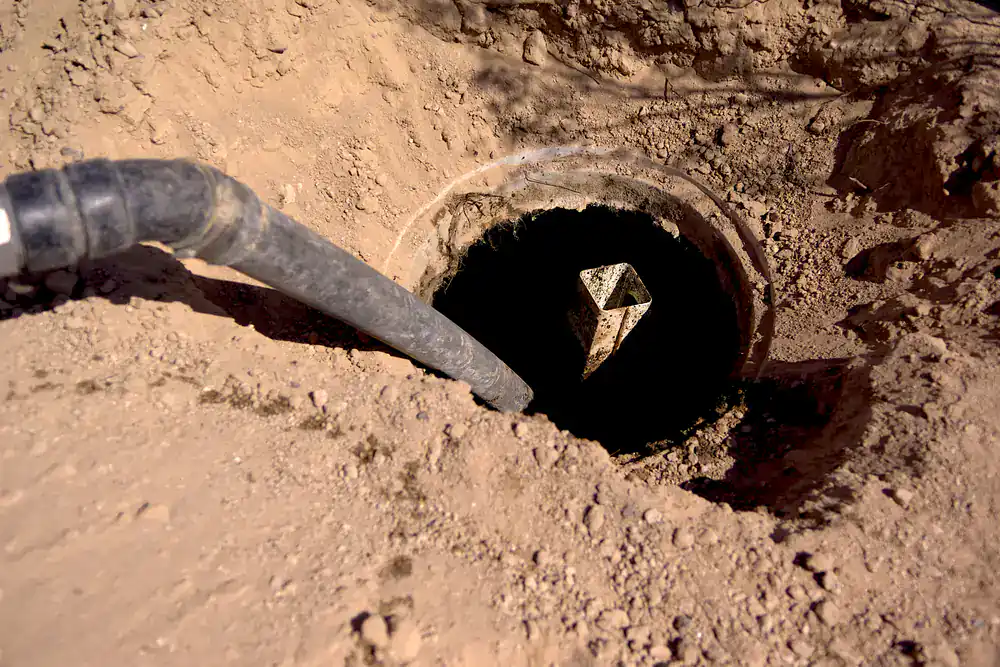
Yes, and you’re not alone in that situation. Locating hard-to-find cesspools and septic tanks is something we specifically handle. In a hamlet like Moriches, where many properties were developed in the mid-20th century and have changed hands multiple times since, it’s genuinely common for lids to be buried under a foot or more of soil, overgrown landscaping, or even patio additions. The access point that was visible when the system was installed in 1962 may be completely invisible today.
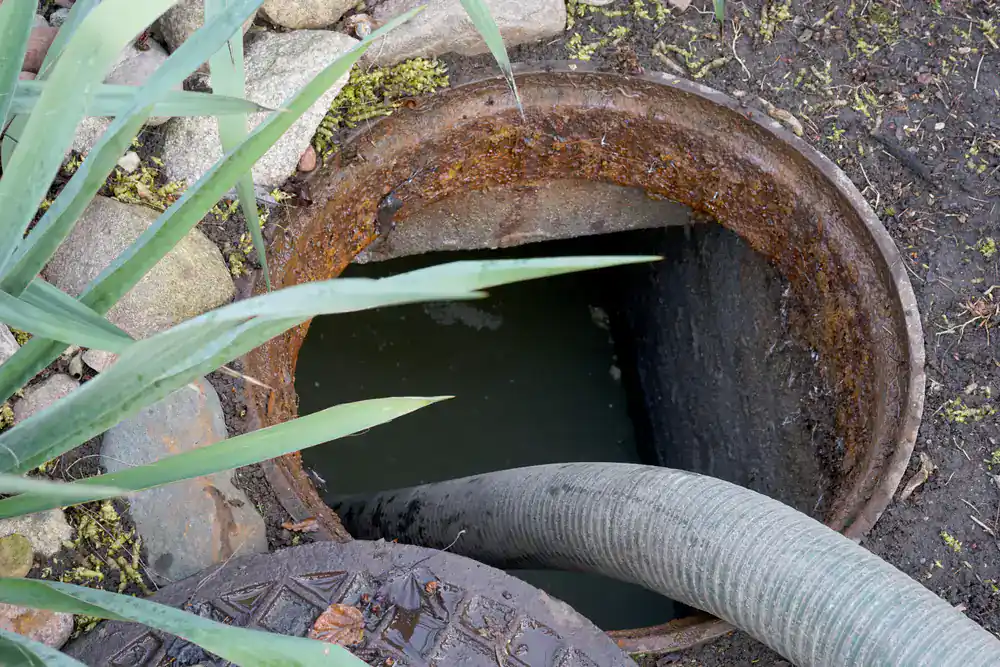
Finding the tank is the first step, and it doesn’t require tearing up your entire yard. Our experienced technicians use probing and knowledge of how systems from that era were typically laid out to locate the access point efficiently. Once it’s found and the lid is excavated, the rest of the service proceeds normally. If the lid needs to be dug out, that’s discussed upfront so you know what’s involved before any work begins.
Hear from Our Customers

When your septic tank is properly maintained, you stop worrying about what’s happening beneath the surface. No slow drains creeping up on you. No odors showing up at the wrong time. No soggy patches in the yard that weren’t there last week. That’s what routine septic tank pumping actually gives you not just a cleaner tank, but the peace of mind that comes from knowing your system isn’t quietly building toward a failure.
For homeowners in Moriches, that peace of mind carries extra weight. At just 23 feet above sea level, properties here sit on a shallow water table. Your leach field has less vertical distance to work with than homes further inland, and after a heavy rain or a nor’easter pushes groundwater up, your system can be under stress before you ever notice a symptom. Staying on top of pumping isn’t just good practice here it’s genuinely more important than the national averages suggest.
The Forge River runs directly through Moriches and empties into Moriches Bay. Scientists have identified it as one of the worst cases of oxygen depletion on Long Island, driven primarily by nitrogen from failing and overloaded septic systems. Moriches Bay receives no municipally treated wastewater which means every properly maintained system on these streets is doing real work for the water your community uses, fishes in, and boats on. Keeping your tank pumped on schedule isn’t just a home maintenance task. In Moriches, it’s a neighborhood responsibility.
We’ve been working on Long Island’s cesspools and septic systems for over 30 years. That’s hands-on experience with the specific conditions that define South Shore properties in Moriches and beyond: older housing stock, buried lids, shallow groundwater, and systems that haven’t been touched in longer than anyone wants to admit.
We’re available 24 hours a day, seven days a week, including weekends and holidays. That matters in a coastal hamlet like Moriches, where a storm surge event or a heavy overnight rain can push a marginal system into backup territory before morning. When that happens, you need someone who actually answers not a voicemail.
We operate out of West Babylon and serve all of Suffolk County, including the Moriches corridor. Our approach is straightforward: show up, assess honestly, do the work that’s actually needed, and explain what was found. No pressure. No inflated repair recommendations. If a simple pump-out is all your system needs, that’s what you’ll get.
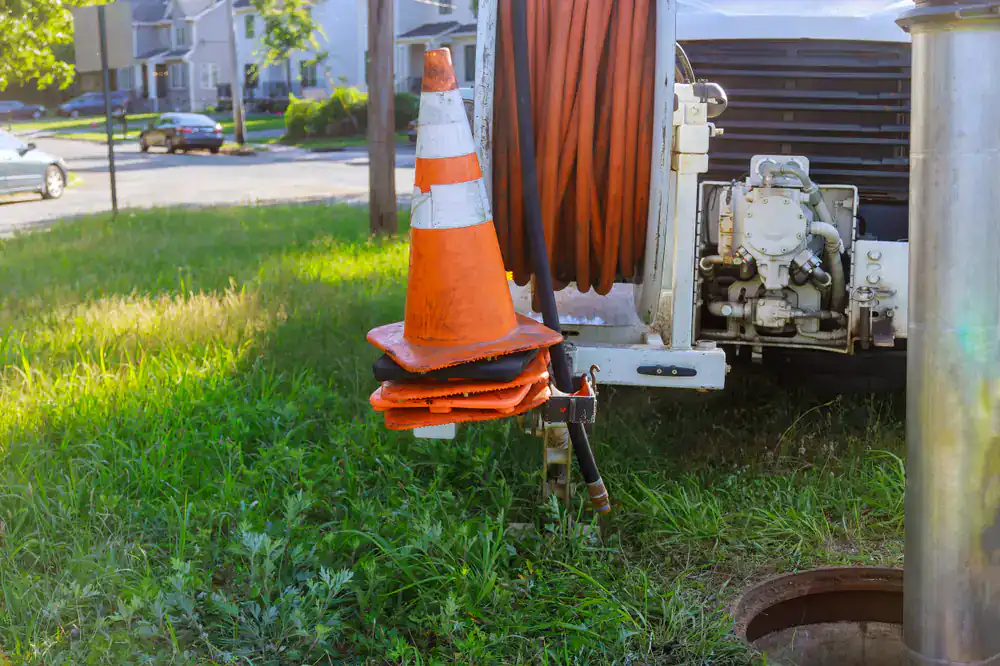
The first thing that happens is a call you describe what you’re dealing with, and we give you a straight answer about what’s likely going on and what a visit will involve. No vague estimates, no bait-and-switch pricing. If you don’t know where your tank lid is, say so. That’s more common than you’d think in Moriches, where homes built in the 1950s and 1960s often have lids buried under decades of soil and landscaping. We specifically handle locating hard-to-find cesspools and septic tanks.
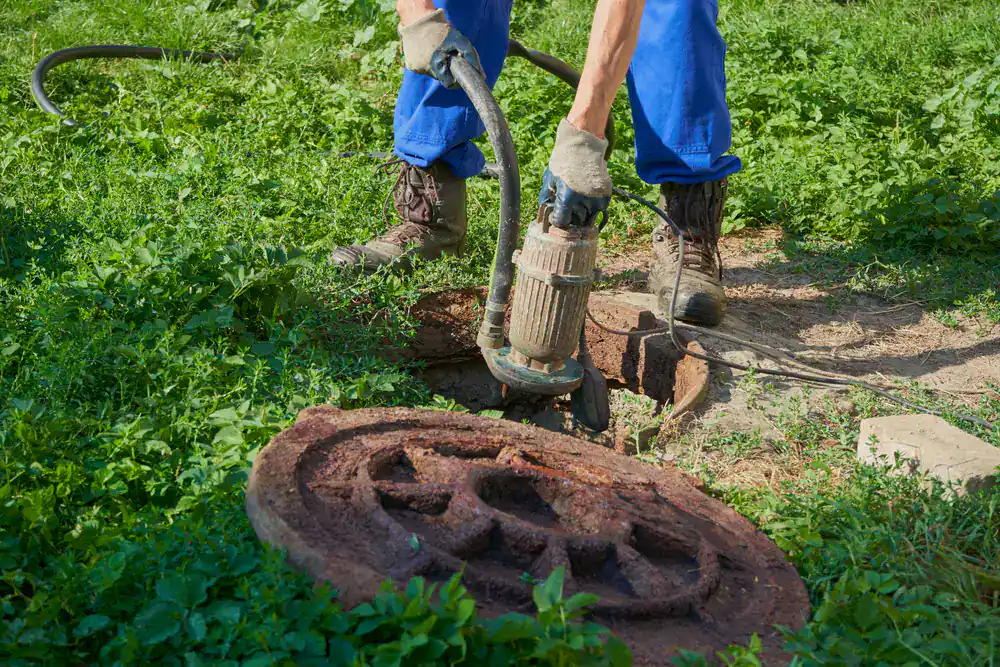
Once on-site, our technician locates the access point, assesses the system’s current condition, and performs a full pump-out not a partial one. The sludge and scum layers are removed completely, the baffles are checked, and the tank is inspected for signs of infiltration or structural issues. You’ll hear what was found in plain language, and if something needs attention, you’ll know before any additional work is discussed.
All septage is hauled and disposed of legally, as required under the NYS DEC Waste Transporter Permit. Every contractor doing this work in Suffolk County is required to hold a Suffolk County Liquid Waste License and we hold the certifications that back that up. After the job, your yard is left the way it was found. The work gets done; the mess doesn’t stay behind.
Ready to get started?
Septic tank pumping is the core of what brings most Moriches homeowners to the phone, but it’s rarely the only thing a system needs over time. We handle the full picture: septic pumping, cesspool pumping, drywell cleaning, drain cleaning, main sewer line service, house trap replacements, and full cesspool and septic installation when a system reaches the end of its life.
That last point matters more in Moriches than in many other communities. Suffolk County changed its cesspool rules in 2019 any failed cesspool that requires replacement can no longer be swapped out in kind. It must be upgraded to a more advanced system. For homeowners on older properties near the Forge River corridor, where systems may have been in the ground for 50 or 60 years, that’s a real possibility worth knowing about before a problem forces the conversation. Understanding what you have and what condition it’s in gives you options. Waiting until it fails takes those options away.
Whether you’re dealing with a straightforward residential septic pump-out, a holding tank that needs service, or a system you inherited when you bought the property and have never had inspected, the process starts the same way: a free estimate, an honest look at what’s there, and a clear explanation of what it needs. No package tiers, no upsell pressure, no surprises on the invoice.