Useful Links
Other Services we provide in Sound Beach
It depends on what type of system you have, and that’s something a lot of Sound Beach homeowners aren’t sure about. If your home was built before the 1970s, there’s a good chance you have a cesspool rather than a modern septic tank. Cesspools don’t separate solids from liquids the way septic tanks do, which means they fill up faster typically every one to two years for a household in regular use.
If you have a conventional septic tank, the general recommendation is every three to five years, though a family of four with a 1,000-gallon tank often lands closer to every three to four years. Given that a significant portion of Sound Beach’s housing stock is over 60 years old and many of these systems have gone years without documented service, the safest starting point is a pump-out and assessment so you actually know what you’re working with before settling into a schedule.
Standard residential septic tank pumping in Suffolk County runs between $225 and $600 depending on tank size. A 1,000-gallon tank typically falls in the $225 to $400 range; a 2,000-gallon system runs closer to $400 to $600. Those figures reflect a full pump-out with legal septage disposal which is what you should expect from any licensed contractor.
Where costs can increase is lid excavation. On older Sound Beach properties where the lid has been buried under years of soil accumulation, excavating to reach the access point is an additional step that can add to the total. The range for that work varies depending on how deep the lid is and what’s above it. With us, that cost is disclosed before any digging starts not added to the invoice after. If you’ve gotten a quote elsewhere that seemed unusually low, it’s worth asking specifically whether lid excavation and disposal fees are included.
This is one of the most common questions in Sound Beach, and the honest answer is that many homeowners simply don’t know especially if you bought an older property without complete records from the previous owners. The distinction matters because cesspools and septic tanks function differently, require different pumping schedules, and are treated differently under Suffolk County’s current regulations.
A cesspool is a single chamber that receives all household waste directly, with no separation of solids and liquids. A septic tank separates solids from liquids before allowing the liquid effluent to flow to a leach field or drainfield. Homes built before the 1970s in Sound Beach are more likely to have cesspools; homes built after are more likely to have conventional septic systems. The clearest way to find out is to have a technician locate and open the tank the design makes it obvious immediately. If your home is one of the original cottage-era properties from the 1929 land sale or the post-war conversion years, a cesspool is the more likely scenario.
A septic or cesspool failure doesn’t give much warning before it becomes a serious problem. The most visible signs sewage backing up into the house, soggy patches in the yard, a persistent odor near the tank area typically mean the system is already in distress, not just approaching it. By the time those symptoms appear, the damage is often already done to the drainfield or the tank structure itself.
The cost difference is significant. Routine pumping runs a few hundred dollars. A failed drainfield can cost $10,000 to $15,000 or more to address, and that’s before factoring in landscaping restoration or health department involvement. In Sound Beach specifically, there’s an added layer: Suffolk County banned cesspool-to-cesspool replacement as of July 2019. If your old cesspool fails and needs to be replaced, it must be upgraded to a system that meets current Article 6 standards which is a more involved and more expensive process than a simple swap. Staying current on pumping is the most straightforward way to avoid ending up in that situation.
Yes, and this comes up regularly in Sound Beach. The hamlet has a high concentration of homes built in the 1930s, 1940s, and 1950s many of them original beach cottages from the 1929 land sale that were later converted to year-round residences. Over decades of landscaping, soil settling, and property improvements, cesspool lids on these older properties often end up buried well below the surface. Some homeowners have never seen theirs.
We specifically handle hard-to-find cesspools as part of our regular work. Locating the tank is the first step before any pumping can happen, and it’s treated as part of the job not a separate mystery charge designed to inflate the bill. If excavation is needed to reach the lid, you’ll know the scope and cost before any digging starts. The goal is to get your system serviced cleanly and leave your yard in reasonable shape, not to turn a pump-out into a construction project.
Routine septic tank pumping itself doesn’t require a homeowner permit but the contractor performing the work must hold a Suffolk County Liquid Waste License under Chapter 563, Article VII of the county code. That license requires at least five years of verified trade experience and ownership of a dedicated pump and vacuum truck. It’s the primary credential that separates legitimate operators from unlicensed ones, and it’s worth confirming before anyone shows up at your property.
Where permits do come into play is if your system needs repair, replacement, or upgrade work beyond routine pumping. Sound Beach falls under both Suffolk County Department of Health Services jurisdiction and Town of Brookhaven building department oversight for any installation or major repair. If our technician finds during a pump-out that your system needs more significant work particularly on one of the hamlet’s older pre-1960 properties understanding the permitting process upfront saves time and prevents surprises. We operate under the required Suffolk County licensing and handle the work within the county’s regulatory framework.
Hear from Our Customers
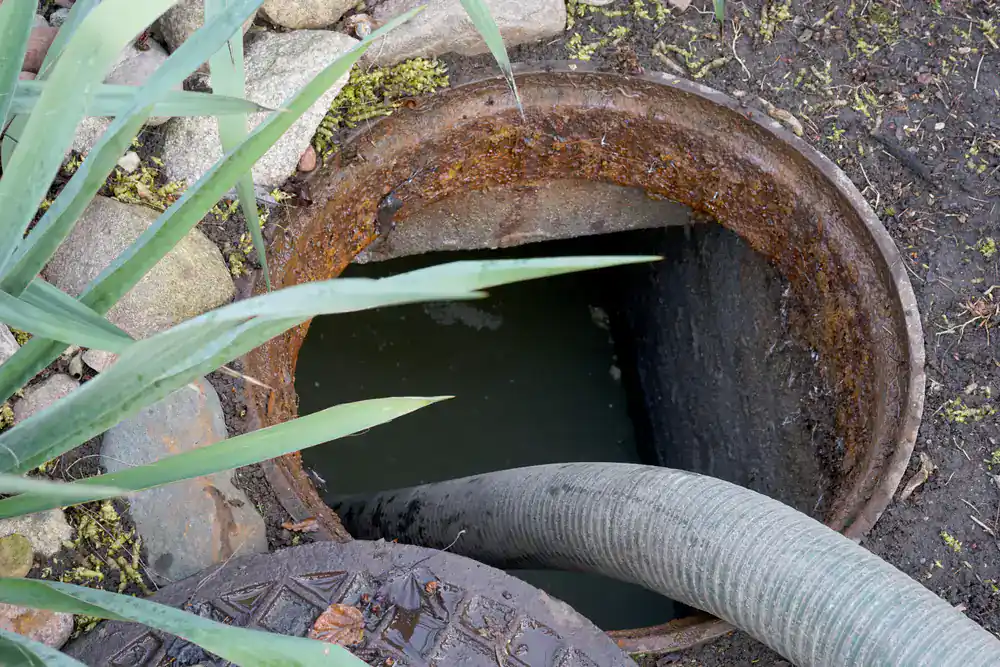
Sound Beach was established as a summer cottage colony starting in 1929. Over the decades, those seasonal getaways became year-round homes but the cesspools and early septic systems underneath many of them were never upgraded to match the increased demand. A system designed for a few summer weekends a year wasn’t built for the daily demands of a full household running 365 days.
More than a third of homes in Sound Beach were built before 1940, and another 20 percent were built in the 1950s. That means the majority of this hamlet is sitting on infrastructure that’s well past its original design life. The freeze-thaw cycling that comes with Sound Beach’s bluff-top elevation puts additional stress on older tank structures every winter. When you get your system pumped and assessed on a regular schedule, you’re not just clearing waste you’re catching problems before they become expensive ones.
There’s another reason routine pumping matters in Sound Beach: the hamlet sits directly above Long Island Sound. Failing or neglected septic systems are the primary source of nitrogen pollution in Sound bays. Staying on top of your system isn’t just about protecting your property it’s about not contributing to a problem that affects the shoreline you can see from your yard.
We’ve been handling cesspools and septic systems across Suffolk County for over 30 years. That experience includes Sound Beach’s older housing stock the original beach cottages, the post-war conversions, the properties where no one has touched the system in decades and no one is quite sure where the lid even is.
Locating hard-to-find cesspools is something we specifically do. On older Sound Beach properties, that’s not a rare edge case it’s common. If you’ve been putting off service because you don’t know where your access point is or you’re worried about what a crew will do to your yard trying to find it, that’s exactly the kind of situation we handle regularly.
We’re locally owned and operated, available 24 hours a day including weekends and holidays, and we cover all of Suffolk County. Our approach is straightforward: assess what’s actually there, do what needs to be done, and not push work that isn’t necessary.
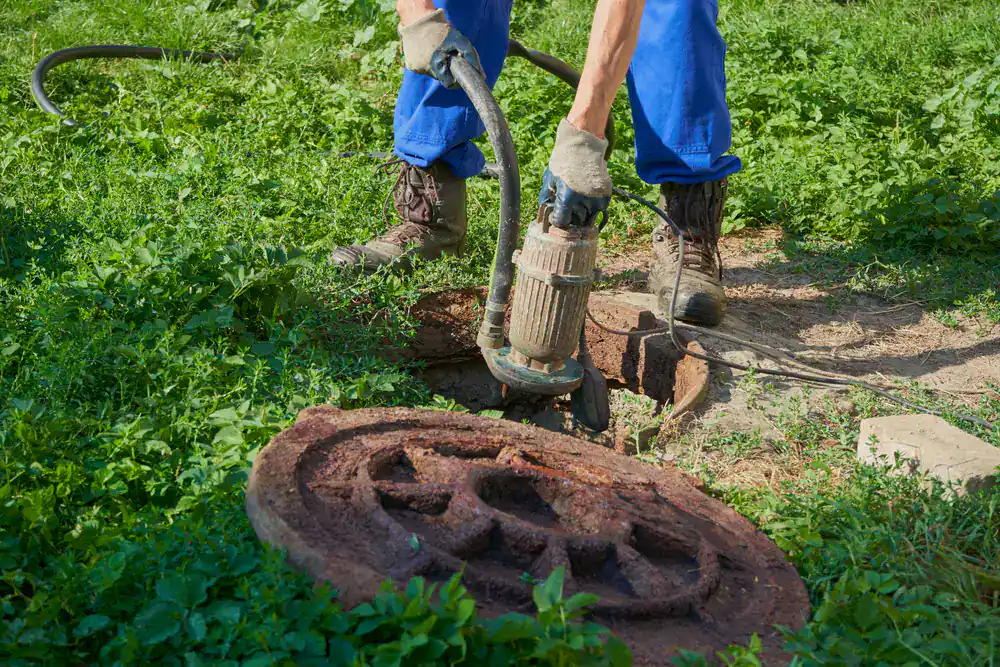
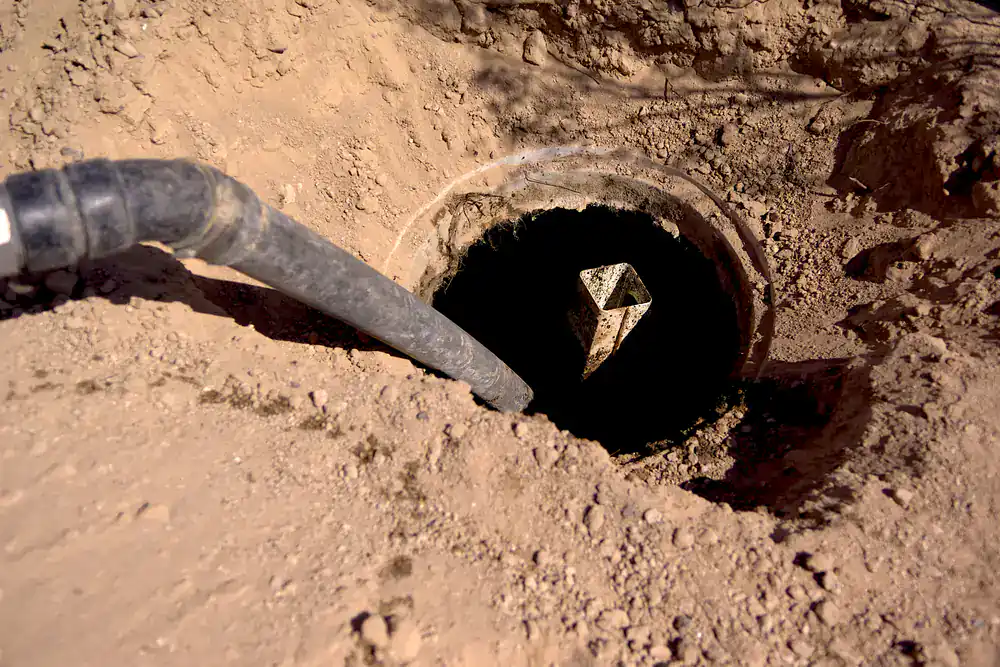
The first step is locating your tank. On many Sound Beach properties especially those built before 1960 the lid has been buried under years of soil and landscaping. Before any pumping happens, our technician identifies where your system is and assesses access. If excavation is needed to reach the lid, that’s discussed with you before any work begins, not added to the bill after the fact.
Once access is clear, we fully pump out your tank not partially clear it, but completely empty accumulated sludge and waste. After the pump-out, our technician checks the condition of the tank: baffles, any signs of infiltration, the overall state of the structure. If something looks off, you’ll hear about it plainly, with a clear explanation of what it means and what your options are.
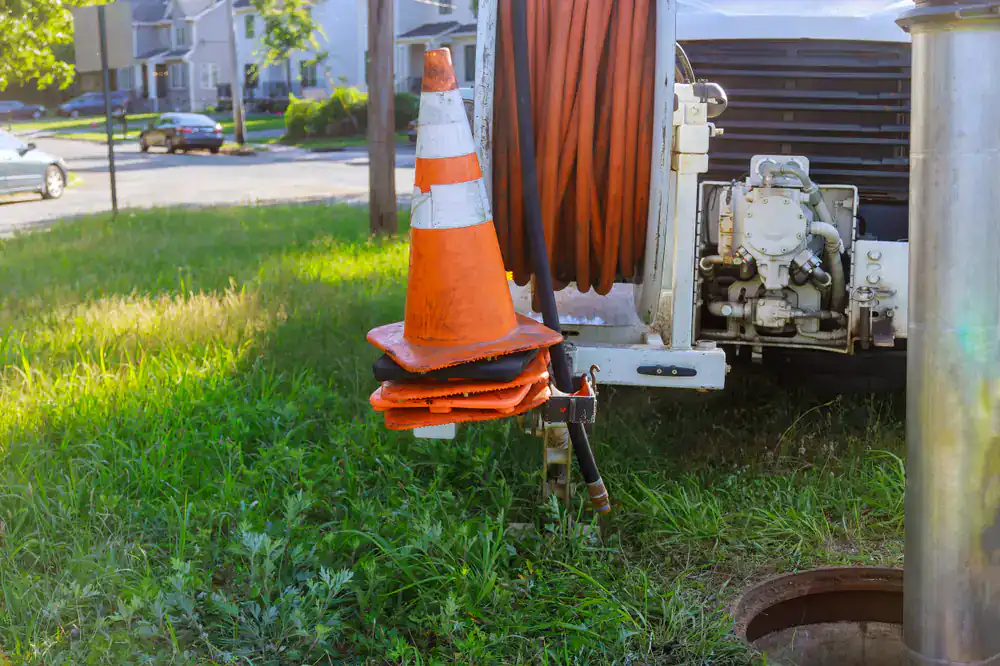
Because Sound Beach falls under Suffolk County’s Article 6 sanitary code, all work is performed by a licensed liquid waste contractor using a permitted vacuum truck, and all septage is disposed of at a licensed treatment facility. If your system is older and a replacement becomes necessary down the road, Suffolk County’s 2019 regulations mean that replacement must meet current standards not a like-for-like cesspool swap. That’s worth understanding before you’re in a situation where it matters.
Ready to get started?
Septic tank pumping is the core of what brings most Sound Beach homeowners to call us, but it’s rarely the only thing a system needs. We handle the full picture: septic pumping, cesspool pumping, drain cleaning, drywell cleaning, house trap replacements, main sewer line cleaning and replacement, and full system installation when a tank has reached the end of its life. If our technician finds something beyond a routine pump-out, you don’t have to start over with a different company.
For Sound Beach properties specifically, a few things come up more often than they do in newer communities. Buried lids are common on pre-1960 homes. Drywells on bluff-top properties can become saturated after heavy rain or coastal storms. Older cesspools the kind that predate the modern septic systems required under Suffolk County’s current code need pumping every one to two years, not every three to five. If you don’t know which type of system you have, our technician can tell you on the first visit.
We also serve commercial properties and handle holding tank pumping for properties that aren’t on a conventional septic or cesspool setup. Whatever the system, the same approach applies: assess it honestly, do the work that’s needed, and leave you with a clear understanding of where things stand.