By submitting you consent to receive service-related texts from Drastic Drainage. Reply STOP to opt out. Msg & data rates may apply. Consent not required to book service.
Useful Links
When your cesspool is properly maintained, you stop guessing. No more wondering whether that slow drain is a minor inconvenience or the beginning of a $3,000 problem. No more soft spots in the yard, no odors drifting in from outside, no anxiety every time you have guests over for the weekend. You just live in your home without thinking about what’s happening underground.
For Centerport homeowners specifically, that peace of mind carries extra weight. The west side of Centerport Harbor is lined with bungalows built in the 1930s, 1940s, and 1950s — originally seasonal cottages that were converted to year-round residences over the decades. The cesspool systems installed beneath those homes were never designed to handle the daily demands of a full-time household. When those systems are properly assessed, pumped, and maintained on a realistic schedule, you’re not just avoiding an emergency — you’re protecting a property that’s worth significantly more than when those systems were first put in the ground.
The waterfront dimension matters here too. Centerport Harbor isn’t just scenery. It’s the reason people chose to live here, and it’s directly downstream from what happens in your yard. A well-maintained cesspool keeps your home functional and keeps what belongs underground from ending up in the water your neighbors are sailing on.
For most households, every two to three years is a reasonable baseline — but that range shifts depending on how many people live in the home, how the property is used, and how old the system is. In Centerport, the calculus is different for homes on the west side of the harbor. Many of those bungalows were built as seasonal cottages and converted to year-round use, which means the cesspool was originally sized for part-time occupancy. A system like that, now running full-time with modern appliances and a full household, fills up faster than the original design anticipated.
The hillside terrain and harbor proximity also matter. When the water table rises during wet seasons — and nor’easters and heavy spring rains do that reliably on the North Shore — soil absorption capacity drops. That means the system is working harder during exactly the periods when it has the least margin. If you haven’t had the system pumped in the last three years, or if you don’t actually know when it was last serviced, that’s the right starting point for a conversation with us.
The most common early signs are slow drains throughout the house — not just one fixture, but multiple — combined with gurgling sounds in the pipes when water drains. Outdoors, you might notice an unusually green or spongy patch of grass over where the system is buried, or a faint sewage smell that appears and disappears depending on the weather. These aren’t definitive proof of failure, but they’re the system telling you something is off.
More serious signs include sewage backing up into the lowest fixtures in the house, standing water or wet ground near the cesspool area, or a persistent odor that doesn’t clear up. At that stage, you’re past routine maintenance and into repair or replacement territory. The distinction matters because Suffolk County regulations now require that a failed system be replaced with an advanced Innovative/Alternative treatment system — not another conventional cesspool. That’s a more significant project, but it’s also one where county grant funding may offset a meaningful portion of the cost, particularly for properties near Centerport Harbor where nitrogen reduction is an active environmental priority.
Yes, and in Centerport’s current real estate market, this is not something to leave until the last minute. The hamlet’s median sale price hit $868,000 in July 2025 — up sharply year-over-year — and buyers at that price point come with attorneys, home inspectors, and engineers who will ask about the cesspool. A proper cesspool certification documents the condition of the system and confirms it meets the requirements for property transfer in Suffolk County.
What that certification involves is a physical inspection of the system, documentation of its condition, and a report that can be presented as part of the transaction. If the inspection reveals issues — a system that’s due for pumping, a leaching pool that needs attention, or something more serious — it’s far better to know before the deal is on the table than after. We handle real estate certifications in-house, on a schedule that can work with your closing timeline. If you’re listing a property in Centerport or going through the purchase process, getting the cesspool documentation handled early removes one of the most common sources of last-minute transaction friction.
Free, no-obligation estimates on cesspool, sewer, and drain work.
We get there quickly. No waiting days for a callback.
Backups don’t wait for business hours. Neither do we.
Fully licensed and insured across Long Island.
Up-to-date trucks and tools for cleaner, faster jobs.
Straight quotes, no surprises on the bill.
Hear from Our Customers

When your cesspool is properly maintained, you stop guessing. No more wondering whether that slow drain is a minor inconvenience or the beginning of a $3,000 problem. No more soft spots in the yard, no odors drifting in from outside, no anxiety every time you have guests over for the weekend. You just live in your home without thinking about what’s happening underground.
For Centerport homeowners specifically, that peace of mind carries extra weight. The west side of Centerport Harbor is lined with bungalows built in the 1930s, 1940s, and 1950s — originally seasonal cottages that were converted to year-round residences over the decades. The cesspool systems installed beneath those homes were never designed to handle the daily demands of a full-time household. When those systems are properly assessed, pumped, and maintained on a realistic schedule, you’re not just avoiding an emergency — you’re protecting a property that’s worth significantly more than when those systems were first put in the ground.
The waterfront dimension matters here too. Centerport Harbor isn’t just scenery. It’s the reason people chose to live here, and it’s directly downstream from what happens in your yard. A well-maintained cesspool keeps your home functional and keeps what belongs underground from ending up in the water your neighbors are sailing on.
We’ve been servicing cesspools and drainage systems across Nassau and Suffolk Counties for over 30 years. That experience means we’ve worked on the full range of what Long Island throws at you — from modern septic systems on larger lots to old cesspool ring systems buried under properties that haven’t seen a service truck in years.
Centerport sits in the Town of Huntington, and we know the North Shore. We understand that a hillside property near the harbor behaves differently than a flat-terrain home further inland. We know that older bungalows on the west side of Centerport Harbor often have systems with no marked access point — and that finding them requires experience, not just equipment.
We’re licensed (LW-63684), insured, and bonded. The phone number connects to a real person, not an answering service. Free estimates are standard before any work is authorized. And our technicians explain what they found and why — because on a property worth what Centerport homes are worth, you deserve to understand exactly what’s happening before anyone starts digging.

It starts with a phone call — and a real person picks up. Whether you’re dealing with a backup that can’t wait or you’re scheduling routine cesspool maintenance before the summer season picks up, the first conversation is about understanding what’s going on at your property, not locking you into anything.
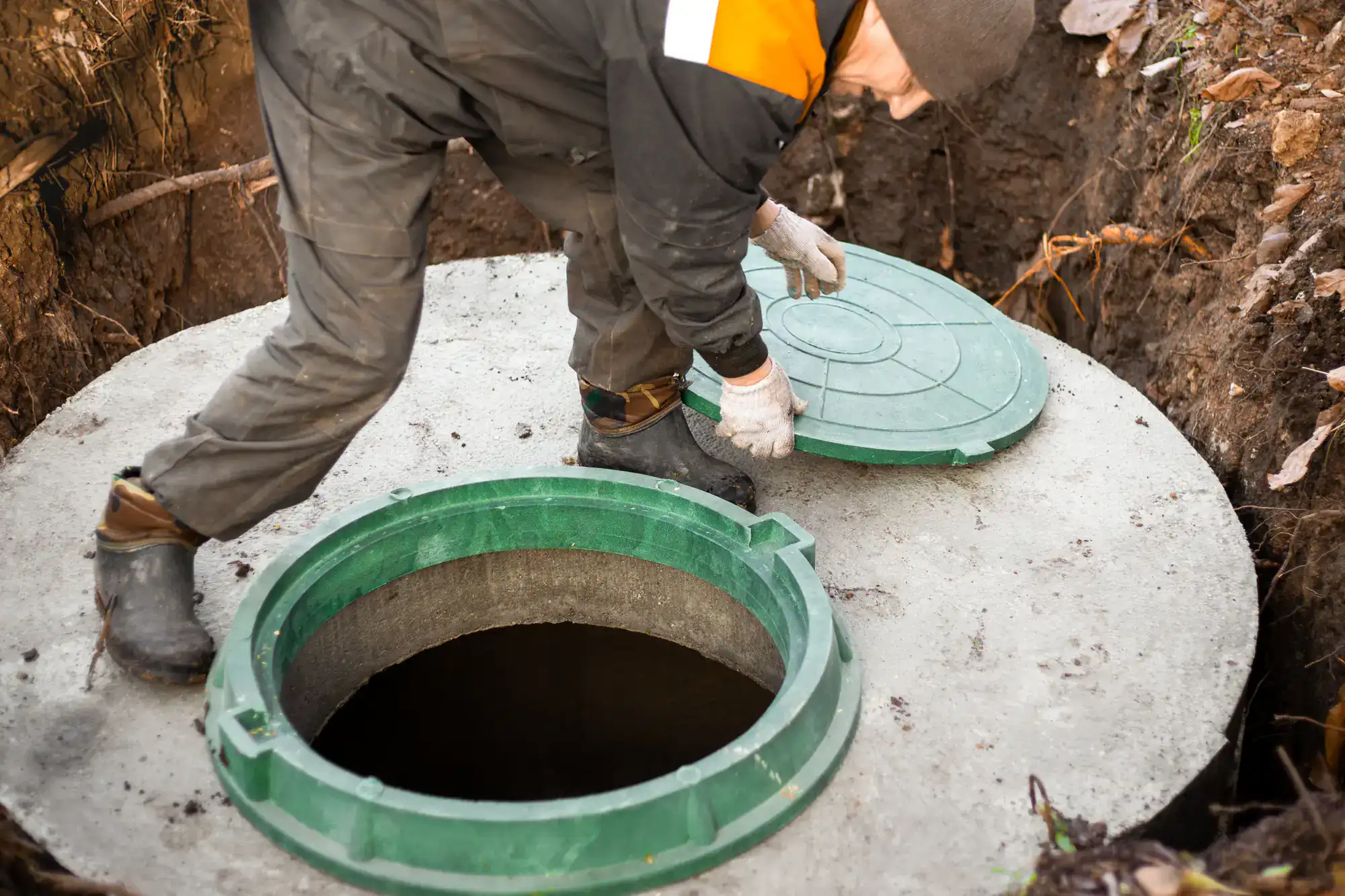
From there, we come out and assess the system. For older Centerport properties — and this hamlet has plenty of them — that often means locating the system first. Many of the harbor-side bungalows have no visible access point. We use waterproof camera inspection technology to see exactly what’s happening underground before any excavation takes place. This matters on properties where the yard, the landscaping, or the proximity to the water makes unnecessary digging a real problem. You find out what’s wrong, where it is, and what it actually takes to fix it — before any work begins.
If the job is a routine pump-out, it moves quickly. If the inspection reveals something more serious — a failing leaching pool, a cracked ring, a system that’s simply reached the end of its life — you’ll get a clear explanation of your options, including what Suffolk County’s current regulations require for replacement systems and what grant programs may apply to your property. The 2024 Suffolk Water Quality Restoration Act offers qualifying homeowners up to 75% reimbursement, capped at $25,000, for approved advanced system upgrades — and Centerport Harbor has been an active zone for exactly this kind of federally supported replacement work.
Ready to get started?
Cesspool services in Centerport aren’t one-size-fits-all, and we don’t treat them that way. The hamlet has two distinct housing layers with different needs. The older bungalow stock on the west side of Centerport Harbor tends to have aging cesspool ring systems — some installed 60 to 80 years ago, many now carrying year-round loads they were never designed to handle. The larger homes on the Vanderbilt Peninsula and surrounding areas often have full septic systems with separate leaching pools. Knowing which system you have, and what condition it’s actually in, is the starting point for everything else.
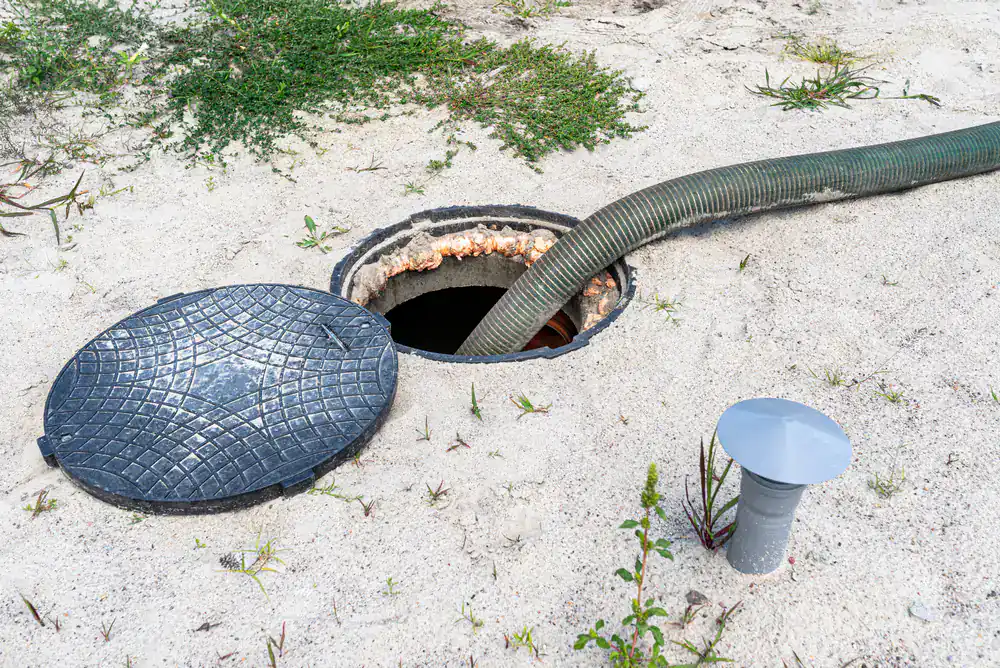
We offer cesspool cleaning and pumping, leaching pool service, video pipe inspection, cesspool location, cesspool repair, drywell cleaning, main sewage line cleaning and replacement, house trap replacement, storm drain cleaning, and full cesspool installation. For Centerport homeowners preparing to sell, we handle real estate certifications in-house — the detailed inspection and documentation that Suffolk County property transfers require, completed on a timeline that works with your closing date.
Suffolk County banned new traditional cesspool installations as of July 1, 2019. If your system fails and requires full replacement, it must be replaced with an Innovative/Alternative advanced treatment system — not another conventional cesspool. That’s a significant cost, but it’s also where the county’s grant program becomes relevant. We can walk you through what your system’s condition means for your options under current Suffolk County regulations.