Useful Links
Other Services we provide in Copiague
The short answer is more often than the generic guideline suggests. The commonly cited recommendation of every three to five years applies to septic tanks in well-drained inland soil not to cesspools on Long Island’s South Shore. Copiague’s proximity to the Great South Bay means the water table is naturally elevated, and it rises further after heavy rain. When that happens, your system’s leaching field can’t drain effectively, and solids build up faster than they would in a drier location.
For most Copiague homes especially those built during the post-war boom of the 1940s through 1960s, which make up a large share of the hamlet’s housing stock a realistic pumping interval is every one to three years. The exact frequency depends on your household size, the age and condition of your system, and how your property sits relative to the water table. A technician who actually knows this area can give you a specific recommendation after seeing your system, which is far more useful than any number you’ll find in a national guide.
For a standard residential pump-out in Suffolk County, you’re generally looking at $200 to $500 depending on tank size, how accessible the cover is, and how full the system is at the time of service. A 1,000-gallon tank typically runs $225 to $400. A 2,000-gallon tank runs $400 to $600 or more. Emergency service when you’re calling because something has already gone wrong commands a significant premium over a scheduled visit, which is one of the more practical arguments for not waiting until there’s a problem.
The best way to protect yourself is to ask for a clear estimate before anyone starts work and confirm that the phone quote is what you’ll actually pay. Get it in writing if you can. Any reputable company operating in Suffolk County should be willing to stand behind their quote.
The most obvious signs are slow drains throughout the house not just one fixture, but multiple along with gurgling sounds from toilets or drains, sewage odors coming from drains or from the yard, and standing water or unusually green, wet grass over the area where your cesspool is located. Any one of these is worth taking seriously. More than one at the same time means you should call today, not next week.
In Copiague, there’s an additional trigger that doesn’t get mentioned enough: heavy rainfall. Because the South Shore water table is already elevated, a significant storm can push groundwater high enough to temporarily flood the leaching field. When that happens, a system that was functioning fine before the rain can back up within hours even if it was pumped recently. If you’re noticing slow drains or odors in the days after a major storm, that’s a direct result of the local water table, and it’s worth a call to find out what’s actually going on.
This is more common than most people realize, especially in Copiague’s older housing stock. Homes built in the 1940s and 1950s frequently have cesspools with no documentation no location records, no service history, and covers that have been buried under decades of landscaping or paving. If you just closed on a property and have no idea where your system is, you’re not in an unusual situation. You just need a company that knows how to find it.
Locating hard-to-find cesspools is something we specifically handle. Once the system is located and accessed, the first service call on a new-to-you home should include a thorough pump-out and an honest assessment of the system’s condition. You want to know what you’re working with before something goes wrong not after. Suffolk County also requires cesspool inspection and documentation at property transfer, so if that wasn’t completed as part of your closing, getting it done now protects you going forward, especially in an active real estate market where Copiague homes are turning over at strong prices.
They’re related but not identical, and the difference matters when you’re deciding what your system actually needs. Pumping removes the liquid waste and floating solids from the chamber it’s the standard service most homeowners schedule on a routine basis. Cleaning goes further and involves removing the hardened sludge that has accumulated along the bottom and walls of the system over time, along with a more thorough inspection of the chamber’s structural condition.
For a system that’s been serviced regularly, a pump-out is usually sufficient. For a system that hasn’t been touched in several years or one that’s never been serviced since a home changed hands cleaning may be the more appropriate starting point. In Copiague, where a significant portion of the housing stock dates to the mid-20th century and service records are often incomplete or nonexistent, it’s not unusual for a technician to arrive for what the homeowner thought was a routine pump and find that the system needs more thorough attention. We’ll tell you what we find and explain what’s actually warranted before any additional work begins.
Yes, and it’s something that catches sellers off guard more often than it should. Suffolk County requires cesspool inspection and documentation as part of the property transfer process. Buyers, their attorneys, and lenders increasingly expect to see service records and if you don’t have them, it can slow down or complicate a closing. In a market where Copiague homes are selling at or above $600,000 and appreciating at a meaningful rate year over year, a documentation gap at the wrong moment is a real problem.
The practical takeaway is straightforward: get your system serviced and ask for written documentation after every visit. That paper trail becomes part of your home’s maintenance record and protects you when it’s time to sell. It also protects you in the other direction Suffolk County fines for missed pump-outs or compliance failures range from $250 to $2,000, and the 2024 Suffolk Water Quality Restoration Act strengthened enforcement across the county. Staying current on service and keeping the records isn’t just good practice in Suffolk County, it’s increasingly the expectation.
Hear from Our Customers
When your cesspool is properly pumped and serviced, the most immediate thing you notice is that nothing feels wrong. No slow drains pulling your attention. No smell drifting through the house on a warm afternoon. No soft spot in the yard that you’ve been walking around for weeks.
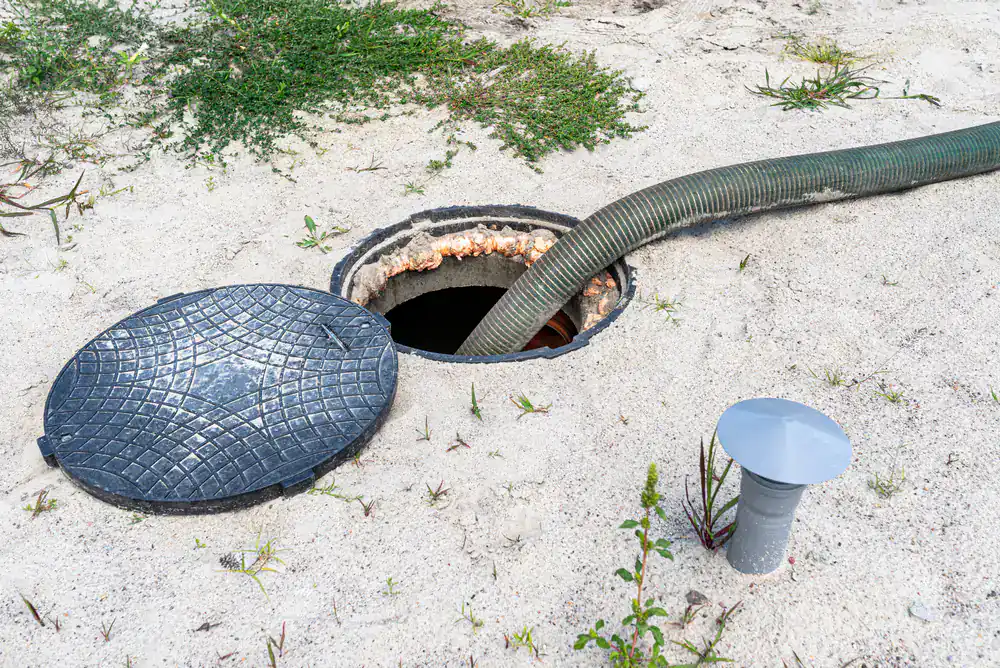
For Copiague homeowners specifically, staying current on cesspool pumping matters more than the standard guidelines suggest. The South Shore water table is naturally higher than in inland Suffolk County towns, and after significant rainfall it rises further. When that happens, your cesspool’s leaching field can’t drain the way it normally would solids accumulate faster, and a system that might last four years in a drier location may need service in two.
There’s also the financial side. Homes in Copiague are selling at or above $600,000 right now. A cesspool that backs up, overflows, or fails a pre-sale inspection doesn’t just create a headache it can delay or kill a real estate deal entirely. Routine cesspool pumping at $200 to $500 is one of the more straightforward ways to protect a property worth ten times that.
We’re based out of West Babylon directly next door to Copiague. We’re not driving in from another county or dispatching from a regional hub. The housing stock we work in every day is the same post-war Cape Cods and ranches that line the streets of Marconiville and the blocks north of Sunrise Highway. We know what 60-year-old systems look like, how they behave, and what they actually need.
Drastic Drainage Long Island has been serving Nassau and Suffolk Counties for over 30 years, and we’re still family-owned and operated. That matters in a community like Copiague, where your neighbor might have used us last spring and can tell you exactly how the call went. We answer the phone ourselves, give you a real time window, and show up in it. If you’re a new homeowner who just closed on a property and has no idea where the cesspool even is that’s something we handle regularly, and it’s one of the reasons people call us specifically.

The process starts with a phone call, and that call matters more than most people realize. You’ll get a real person on the line not a voicemail, not a callback queue. We’ll ask a few straightforward questions about your property, your system’s service history if you know it, and what you’re experiencing. From there, we give you an honest estimate. What we quote on the phone is what you pay.
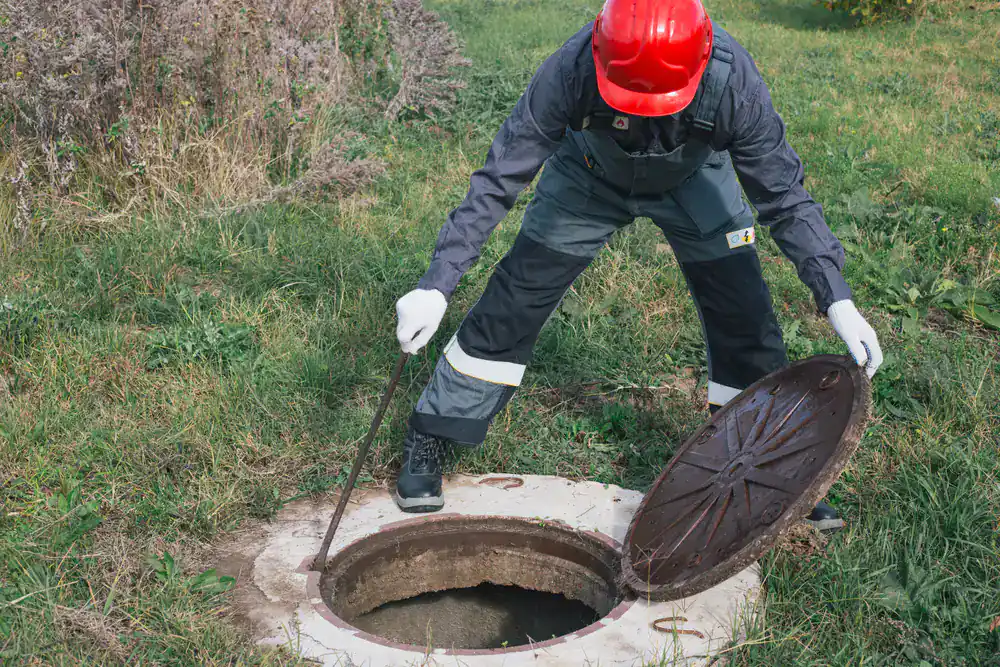
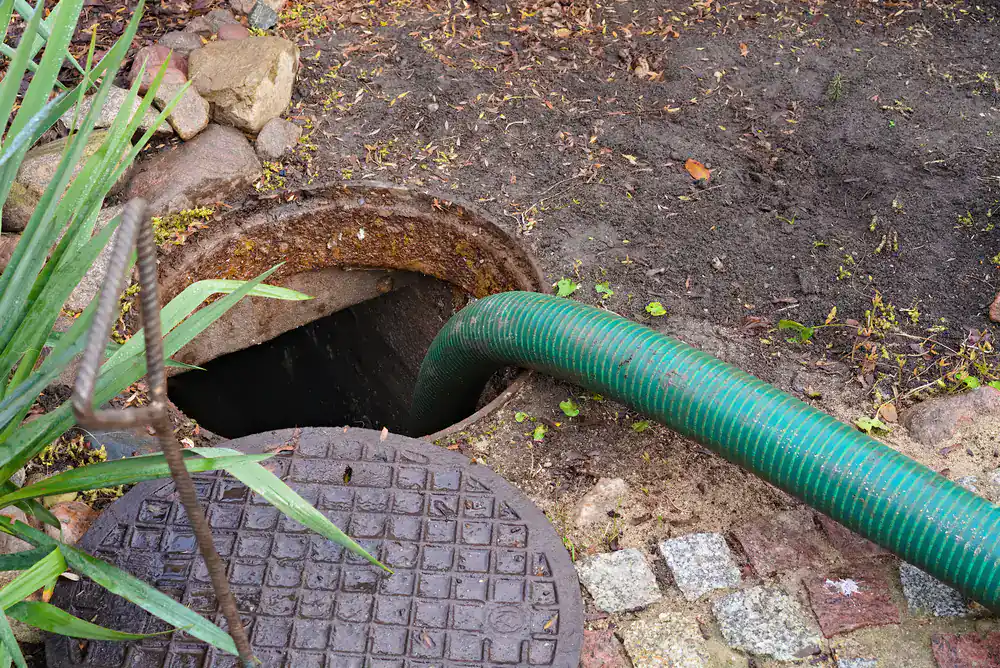
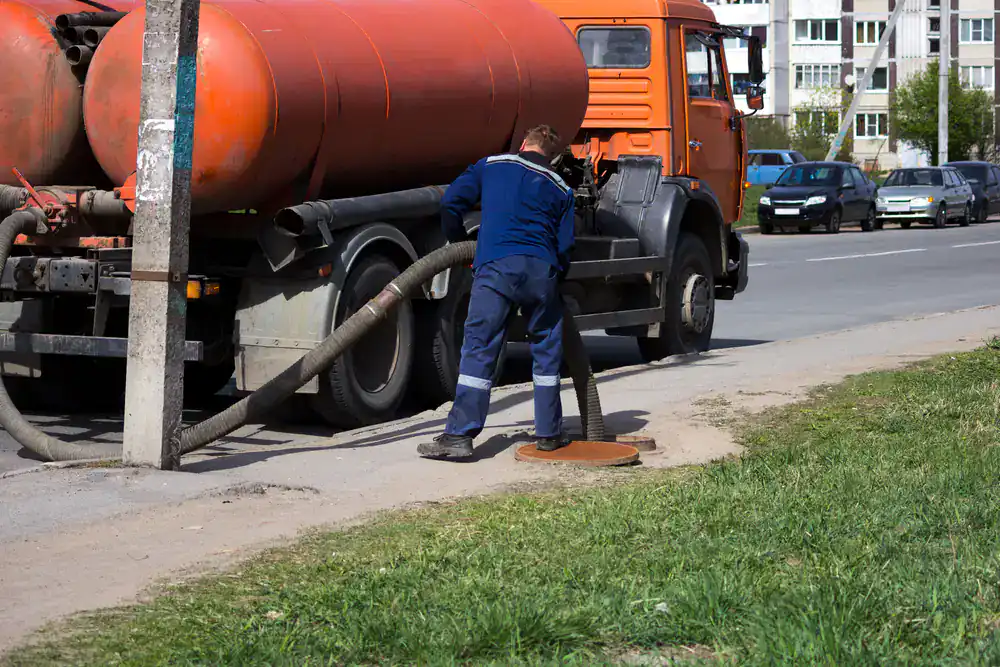
When our technician arrives, the first step is locating and accessing the cesspool. For newer homeowners in Copiague especially those who bought an older home without any service records this can take some work. Many systems installed in the 1940s and 1950s don’t have documented locations, and covers can be buried under years of landscaping. We locate them. Once access is clear, we pump the system completely, assess its condition, and let you know what we find in plain language. If something needs attention beyond the pump-out, we’ll tell you what it is and what it costs before any additional work starts.
Because Copiague sits in a flood-risk zone with FEMA Zone AE designations throughout its residential areas, timing your service before the spring water table rise or ahead of storm season makes a real difference. We’ll give you a realistic recommendation for when to schedule your next service based on your system’s actual condition not a number pulled from a generic brochure.
Ready to get started?
Cesspool pumping and cesspool cleaning are not the same thing, and it’s worth understanding the difference before you book anyone. Pumping removes the liquid waste and floating solids from your system. Cleaning goes further it involves more thorough removal of hardened sludge that has accumulated along the bottom and walls of the chamber, along with an inspection of the system’s condition. Most routine service calls are pump-outs, but depending on how long it’s been since your last service, a more thorough cleaning may be what the system actually needs.
For Copiague residents, the question of how often to pump a cesspool has a more specific answer than the national average suggests. The standard guidance of every three to five years was written for inland systems in well-drained soil. In a South Shore community with an elevated water table and sandy coastal soil near the bay, systems fill faster and leach more slowly during wet periods. For most Copiague homes particularly those built before 1973 a realistic service interval is every one to three years, depending on household size and system condition.
If your home is in American Venice or Copiague Harbor, where canal-front properties sit directly adjacent to waterways feeding into the Great South Bay, there’s an additional reason to stay current. Studies consistently show that approximately 70 percent of the nitrogen entering the Great South Bay originates from cesspools and septic systems through groundwater. Regular pumping is the most direct action a South Shore homeowner can take. Suffolk County’s regulations including the 2024 Suffolk Water Quality Restoration Act are increasingly focused on exactly this. We provide written documentation after every service call, which you’ll need when it comes time to sell or when the county asks.