Useful Links
Other Services we provide in Fort Salonga
For most Fort Salonga homeowners, every one to three years is the realistic schedule and that’s more frequent than the national guidance you’ll often see quoted. The national average assumes a modern septic tank design, which holds waste differently than the single-chamber cesspools that were standard in homes built before 1973. Since the median construction year in Fort Salonga is 1964, most homes here are running older systems that fill faster and need more attention.
On top of that, Fort Salonga’s sandy soil and elevated North Shore water table reduce the leaching efficiency of older systems, especially after significant rain. A cesspool that’s at 60% capacity in a dry October can be a problem by April if the water table has risen through a wet winter and spring. The one-to-three-year window accounts for that reality. If you don’t know the last time your system was pumped or you’ve never had it done since buying the home that’s the first thing worth finding out.
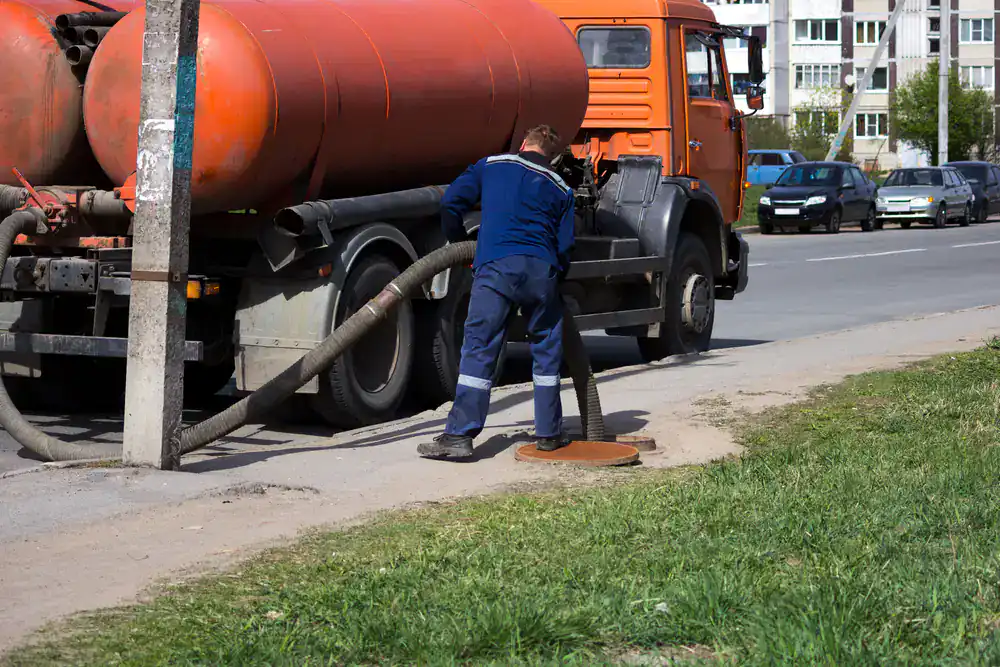
For a standard residential pump-out in Suffolk County, you’re generally looking at $200 to $500 depending on tank size, access conditions, and whether any additional work is needed. A 1,000-gallon tank typically runs $225 to $400. A 2,000-gallon tank is more in the $400 to $600 range. Emergency service meaning same-day or after-hours calls commands a premium over scheduled work.
The number that matters more than the upfront cost is the comparison: a routine pump-out at $300 to $500 versus an emergency repair or full system replacement, which in Suffolk County can run $20,000 to $40,000 for a new I/A OWTS installation. That gap is significant. What to watch for is the difference between a phone quote and what you’re told on-site a pattern that shows up in homeowner complaints across this industry. Get the scope of work confirmed before the truck arrives, and make sure you receive written documentation after the job is done.
Homes built in that era were constructed before Suffolk County’s modern wastewater standards were in place. That means your cesspool is almost certainly a single-chamber system concrete or brick-lined, no effluent treatment, and designed to a standard that’s now decades old. These systems aren’t necessarily failing, but they do behave differently than modern septic tanks. They fill faster, they’re more sensitive to heavy water use, and they require more frequent pumping to stay functional.
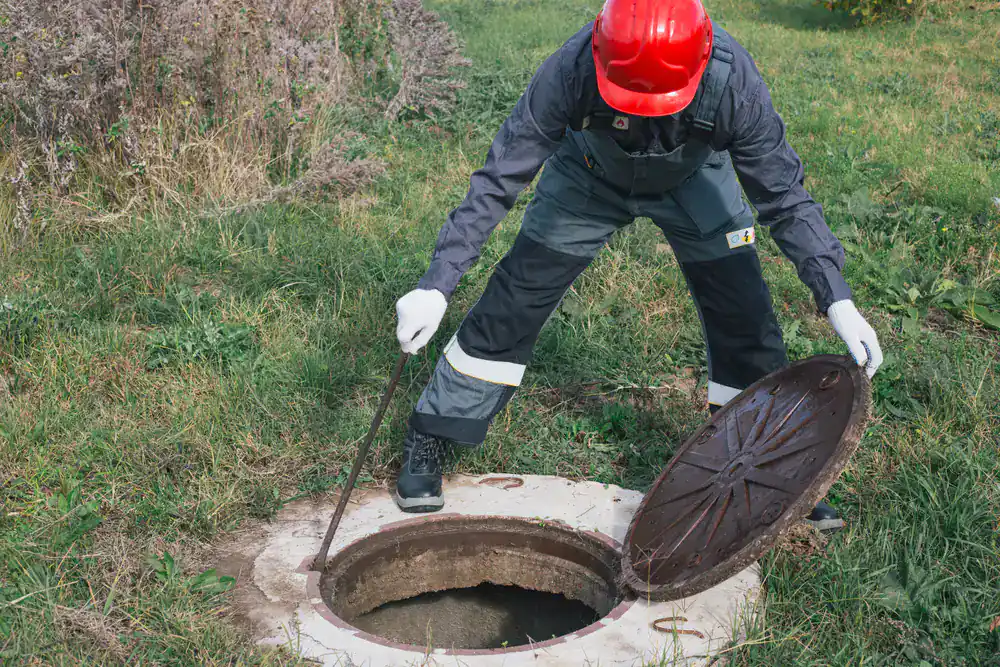
There’s also the location question. Cesspools in homes from the 1940s through 1960s often have no documentation no map, no permit record, no visible cover. The original owners knew where it was, and that knowledge didn’t always transfer. If you’ve never had your system serviced or you’re not sure where it is, that’s a real situation, not an unusual one. We specifically handle hard-to-find cesspools in Fort Salonga and can locate and service a system even when there’s no existing record to work from.
The most obvious ones are slow drains throughout the house not just one sink, but multiple fixtures draining sluggishly at the same time. Gurgling sounds from toilets or drains after flushing are another indicator. If you’re noticing a sewage smell inside the house, particularly near floor drains or in rooms closest to where the system is located, that’s the system telling you it’s under pressure. Outdoors, soft or wet ground over the cesspool area especially when it hasn’t rained recently means effluent is surfacing rather than absorbing.
In Fort Salonga, one additional trigger is worth knowing: after a significant rain event or a wet stretch in spring, the water table rises quickly in the sandy North Shore soil. A system that was functioning fine in dry conditions can back up within days when the table comes up and reduces the system’s drainage capacity. If you notice slow drains appearing shortly after heavy rain, that’s not a coincidence it’s a sign the system is at or near capacity and the reduced drainage is exposing it.
They’re related but not the same, and the distinction is worth understanding before you book. Pumping removes the liquid and the floating solids sitting on top of the waste. It’s the most common service and handles the majority of what builds up in a functioning system. Cleaning goes further it involves breaking up and removing the hardened sludge layer that accumulates at the bottom of the chamber over time. That layer doesn’t come out with a standard pump-out, and if it’s been building up for years, pumping alone won’t fully restore the system’s capacity.
For homes in Fort Salonga that haven’t been serviced in several years or where the service history is unknown cleaning is often what’s actually needed. An older system that’s been running since the 1960s may have significant sludge accumulation that a routine pump-out won’t address. When we come out, our technician assesses what the system actually needs rather than defaulting to the minimum. That’s the difference between a job that solves the problem and one that delays it.
In practice, yes even if it’s not always framed as a formal legal requirement. Lenders and buyers in Suffolk County routinely request cesspool inspection and service documentation as part of the transaction. A system with no service history, or one that hasn’t been pumped in years, raises flags during due diligence. At a median sale price of $1.1 million in Fort Salonga, buyers are thorough, and their inspectors know what to look for.
Beyond the sale itself, Suffolk County now requires cesspool system inspections every three years. If you’re selling a home that’s overdue on that cycle, getting the inspection and pump-out done before listing puts you in a much stronger position and gives you written documentation to hand over at closing. It also removes the risk of a last-minute discovery that forces a price negotiation or delays the transaction. We provide written service records after every job, which is exactly what you’d need to satisfy a buyer, a lender, or a county compliance review.
Hear from Our Customers
The most immediate thing you notice is the absence of a problem. No smell creeping into the house. No slow drains that make you wonder. No standing water near the yard that shouldn’t be there. That sounds simple, but when those things have been quietly nagging at you, getting them resolved matters more than people admit.
For Fort Salonga homeowners specifically, there’s more at stake than just comfort. The sandy soil and elevated water table along the North Shore mean your system is working under more pressure than a home further inland. When the water table rises after a heavy rain and on the North Shore it rises fast a cesspool that was borderline full can back up quickly. Staying ahead of that cycle with routine pumping is the difference between a scheduled service call and an emergency one.
There’s also the financial reality of owning a home in Fort Salonga. The median sale price is around $1.1 million. A cesspool that fails during a home inspection doesn’t just create a headache it can derail a transaction entirely or force a last-minute price concession that dwarfs what years of routine pumping would have cost. Keeping your system documented and properly maintained protects the value of the asset you’ve built, not just the plumbing underneath it.
We’ve been servicing cesspools and drainage systems across Nassau and Suffolk Counties for over 30 years. That tenure isn’t a number on a brochure it’s the difference between a technician who knows what a pre-1973 cesspool looks like and one who’s guessing. Most homes in Fort Salonga were built in the 1960s or earlier. The systems underneath them were installed before modern wastewater standards existed, and they behave differently than newer septic designs. That’s not a problem if you’re working with someone who’s seen it before.
We’re family-owned and operated out of West Babylon, which means the people doing the work have a local reputation to protect. Customers in reviews specifically name technicians George, Mike, and Lucas not because they were prompted to, but because the experience was personal enough to remember. That’s the standard we hold ourselves to, whether the job is a routine pump-out near Sunken Meadow or an emergency call on a Sunday night.
It starts with a phone call, and a real person answers. You describe what you’re seeing or what you’re not seeing but suspect and you get a straight answer about what likely needs to happen and what it costs. No vague ranges that jump when the truck pulls up. That matters in a market where the gap between a phone quote and an on-site charge is one of the most common complaints homeowners have.
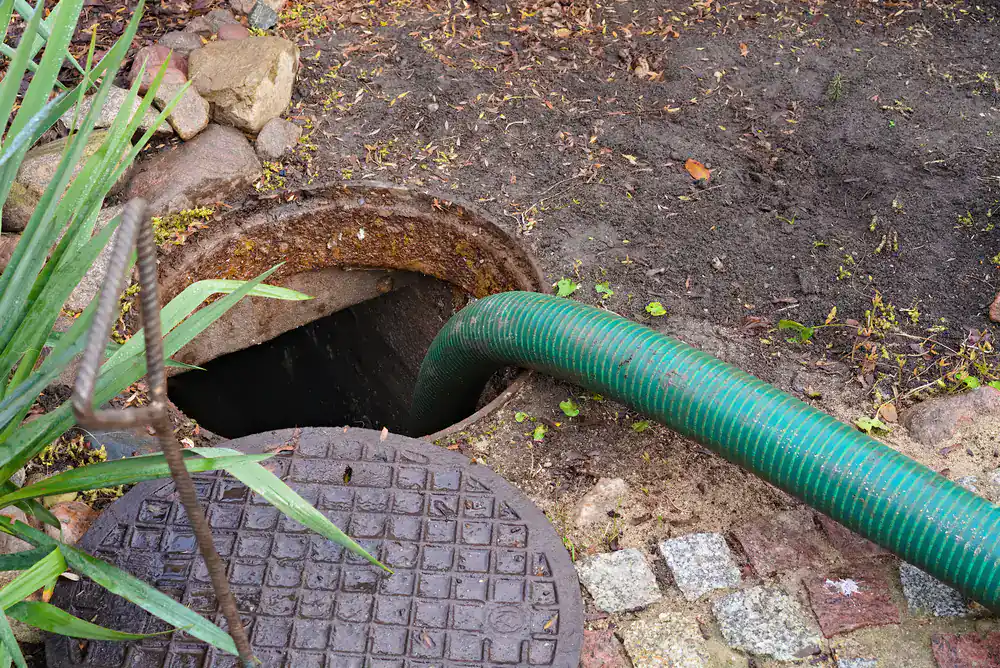
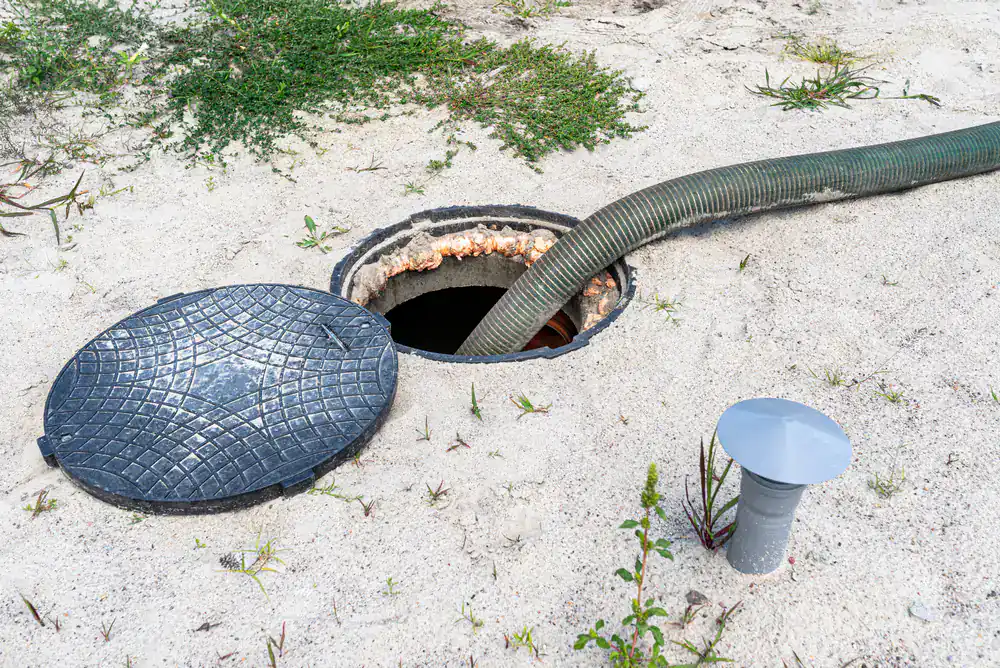
When our technician arrives, the first step is locating the cesspool access point. In Fort Salonga, where many homes were built in the 1940s through 1960s, this isn’t always straightforward. Records get lost. Covers get buried. We specifically handle hard-to-find cesspools it’s a documented specialty, not a workaround. Once access is confirmed, the system gets pumped down fully, and the technician inspects what’s visible: inlet condition, signs of root intrusion from the mature trees that are common on Fort Salonga’s large wooded lots, and any indication that the system needs more than routine service.
After the work is done, you receive written documentation of what was serviced. That paperwork matters if you’re planning to sell, refinancing, or simply want a record for Suffolk County compliance purposes. Fort Salonga falls under Suffolk County’s three-year inspection requirement, and having a clear service history on file keeps you in good standing without scrambling at the last minute.
Ready to get started?
Cesspool pumping and cesspool cleaning are not the same thing, and it’s worth understanding the difference before you book. Pumping removes the liquid and floating solids from the chamber. Cleaning goes further it involves more thorough removal of hardened sludge that has settled at the bottom and a closer inspection of the system’s internal condition. For a home built in the 1960s that may not have been serviced in several years, cleaning is often what’s actually needed, not just a pump-out.
We handle both, along with drain cleaning, sewer inspection, and full cesspool installation when a system has reached the end of its life. That last point is increasingly relevant in Fort Salonga: since Suffolk County banned new cesspool installation in July 2019, any failing system that needs replacement must be upgraded to an Innovative/Alternative Onsite Wastewater Treatment System. That’s a significant project, and Fort Salonga homeowners may qualify for up to $10,000 through the Suffolk County Septic Improvement Program with combined state and county programs potentially reaching $30,000 for eligible properties. Knowing what your current system’s condition actually is gives you time to plan for that, rather than reacting to a failure.
Our service area covers all of Fort Salonga, including properties that straddle the Huntington and Smithtown town boundaries an administrative quirk that creates real confusion for homeowners trying to figure out which jurisdiction applies to their property. We work across both without issue.