
By submitting you consent to receive service-related texts from Drastic Drainage. Reply STOP to opt out. Msg & data rates may apply. Consent not required to book service.
Useful Links
Most Ronkonkoma homeowners don’t think about their cesspool until something goes wrong. A slow drain, a smell that hits you when you walk through the door after a long commute, or standing water in the backyard on a Tuesday night. By that point, you’re not scheduling maintenance you’re dealing with an emergency, and emergency calls cost more and disrupt more.
Staying ahead of it is genuinely simple. Ronkonkoma’s housing stock the bulk of it built between the 1950s and 1970s means most homes here are running cesspools that are 50 to 70 years old. These are single-chamber systems with no treatment capacity, and they don’t behave like modern septic tanks. They fill faster, especially in clay-heavy soil where effluent doesn’t leach away as efficiently. A system that might go three or four years between pumpings in a sandier part of Long Island may need attention every one to two years in Ronkonkoma.
When you pump on schedule, you avoid the backed-up toilet, the sewage smell, the property damage, and the conversation about whether your system needs full replacement. A routine pump-out runs $200 to $500. A full I/A OWTS system replacement which is now the only legal option when a cesspool fails beyond repair in Suffolk County runs $20,000 to $40,000. The math isn’t complicated.
For most Ronkonkoma homeowners, every one to three years is a realistic target and in some cases, closer to annually. The national guidance of every three to five years applies to modern septic tanks, not the single-chamber cesspools that dominate Ronkonkoma’s older housing stock. Those systems fill faster and have no treatment capacity, meaning solids accumulate more quickly.
Ronkonkoma’s clay soil makes this more pressing. Clay drains slowly, so effluent doesn’t leach away from the cesspool walls as efficiently as it would in sandy-soil areas. Meanwhile, the proximity to Lake Ronkonkoma keeps the local water table elevated, which reduces the effective leaching depth below the cesspool bottom. Both conditions push your system toward capacity faster than the averages suggest. Household size matters too a family of four is going to hit that threshold sooner than a couple in the same house. If you’re not sure when your system was last pumped, that’s reason enough to schedule an inspection.
For a standard residential pump-out in Suffolk County, most homeowners are looking at somewhere between $200 and $500. The full range, depending on tank size, access difficulty, and whether additional services are needed, runs from around $308 to $1,234. A 1,000-gallon tank typically falls in the $225 to $400 range; a 2,000-gallon tank runs $400 to $600 or more.
What affects the price on the higher end is usually access. If your cesspool cover is buried which is common in Ronkonkoma’s older homes where systems were installed 50 or more years ago without permanent surface markers there may be additional time involved in locating and exposing it. Emergency calls also command a premium over scheduled service. Get a clear number before anyone starts, and make sure it accounts for your specific situation.
The clearest signs are slow drains throughout the house not just one fixture, but multiple gurgling sounds from toilets or drains, sewage odors inside or outside the home, and soft or wet patches of ground directly above the cesspool area. If you’re noticing any of these, the system is already under stress and needs attention soon.
For Ronkonkoma homeowners, there’s an additional trigger worth knowing: heavy rain. When the water table rises quickly as it did during the August 2024 flooding that hit northern Suffolk County cesspools near Lake Ronkonkoma can back up not because they’re full of solids, but because rising groundwater is flooding the leaching structure from below. If your system backed up during or after a major storm, that’s not necessarily a sign of neglect but it is a sign that the system needs to be assessed before the next one hits. Waiting for a second backup is more expensive than addressing the first one.
Free, no-obligation estimates on cesspool, sewer, and drain work.
We get there quickly. No waiting days for a callback.
Backups don’t wait for business hours. Neither do we.
Fully licensed and insured across Long Island.
Up-to-date trucks and tools for cleaner, faster jobs.
Straight quotes, no surprises on the bill.
Hear from Our Customers
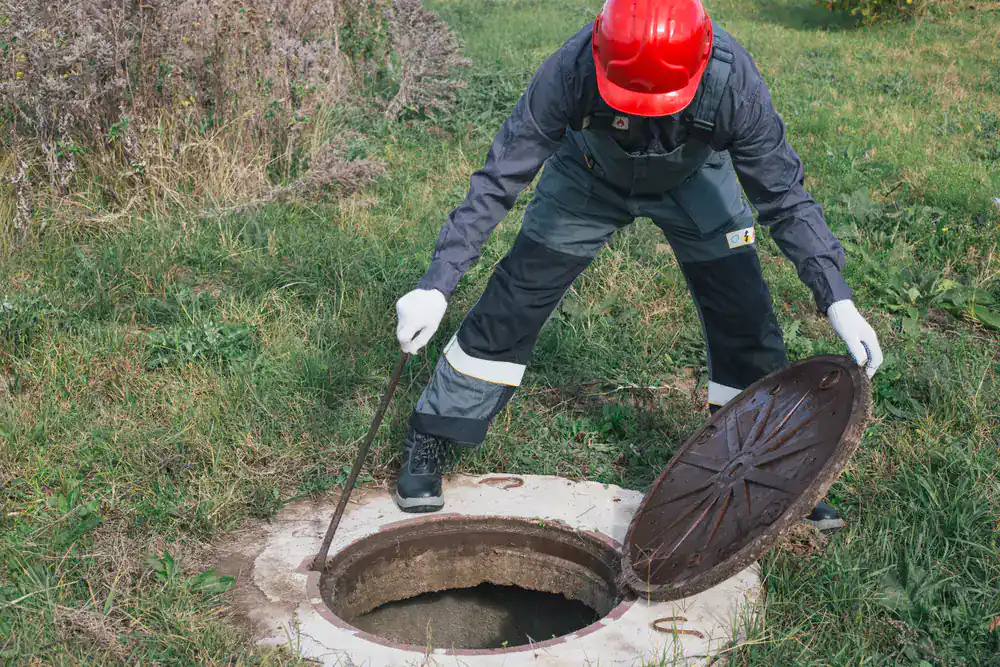
Most Ronkonkoma homeowners don’t think about their cesspool until something goes wrong. A slow drain, a smell that hits you when you walk through the door after a long commute, or standing water in the backyard on a Tuesday night. By that point, you’re not scheduling maintenance you’re dealing with an emergency, and emergency calls cost more and disrupt more.
Staying ahead of it is genuinely simple. Ronkonkoma’s housing stock the bulk of it built between the 1950s and 1970s means most homes here are running cesspools that are 50 to 70 years old. These are single-chamber systems with no treatment capacity, and they don’t behave like modern septic tanks. They fill faster, especially in clay-heavy soil where effluent doesn’t leach away as efficiently. A system that might go three or four years between pumpings in a sandier part of Long Island may need attention every one to two years in Ronkonkoma.
When you pump on schedule, you avoid the backed-up toilet, the sewage smell, the property damage, and the conversation about whether your system needs full replacement. A routine pump-out runs $200 to $500. A full I/A OWTS system replacement which is now the only legal option when a cesspool fails beyond repair in Suffolk County runs $20,000 to $40,000. The math isn’t complicated.
We’ve been servicing cesspools and drainage systems across Nassau and Suffolk Counties for over 30 years. That’s not a number pulled from a marketing sheet it’s actual time spent learning how Ronkonkoma’s soil, water table, and older housing stock behave, and how to work with them.
Ronkonkoma sits in a part of central Suffolk where clay soil slows drainage and proximity to Lake Ronkonkoma keeps the water table elevated year-round. Those aren’t abstract conditions they directly affect how quickly your cesspool fills and how often it needs attention. A contractor who doesn’t understand the local environment can’t give you an accurate service recommendation. We can, because we’ve been working in Ronkonkoma long enough to know the difference.
We’re also known for locating hard-to-find cesspools a real issue in Ronkonkoma’s older neighborhoods where systems were installed decades ago with no documentation, no marked covers, and no records that transferred with the house. If you don’t know where your system is, that’s not a dead end. It’s just where the job starts.
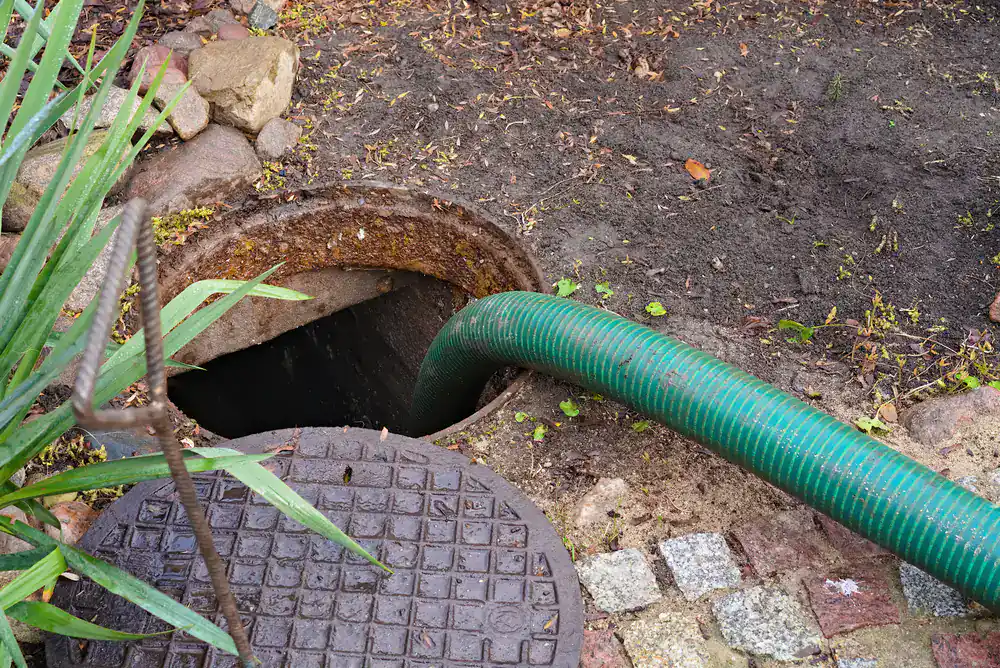
It starts with a phone call, and a real person answers. You describe what’s going on whether that’s a backup, a smell, a routine pump you’ve been meaning to schedule, or a system you can’t even locate. From there, you get a time window that works for your schedule. For Ronkonkoma commuters who are out of the house by 6 AM and back after 7 PM, that flexibility matters. We show up when we say we will.
On-site, the first step is locating the cesspool if the access point isn’t already known. In Ronkonkoma’s older residential corridors homes along streets like Hawkins Avenue or near the lake buried or unmarked covers are common. Once access is confirmed, we assess the system: how full it is, what condition the walls are in, and whether there’s anything beyond a routine pump-out that needs attention. You’ll know what we find before any additional work is discussed.
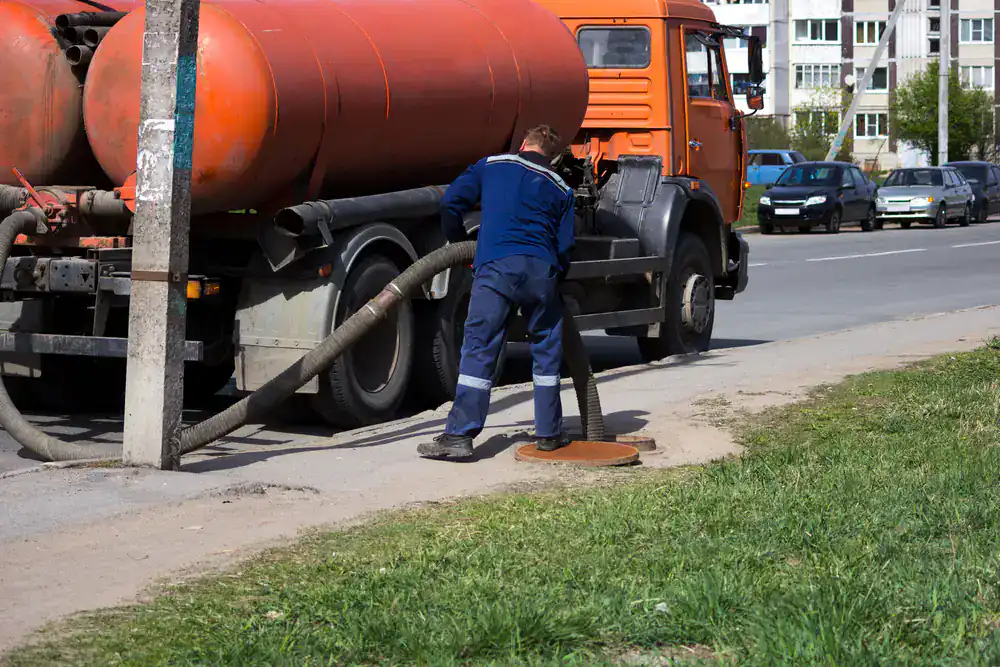
The pumping itself removes the accumulated solids and liquid from the tank. After the job, you receive documentation of the service which matters if you’re planning to sell your home, since Suffolk County health records and cesspool maintenance history come up in real estate transactions. If the inspection turns up something that needs repair, or if your system is showing signs of age that suggest it’s approaching end-of-life, that conversation happens honestly and without pressure.
Ready to get started?
Cesspool pumping and cesspool cleaning are not the same thing, and the distinction matters. Pumping removes the liquid and floating solids from your tank. Cleaning goes further it includes more thorough removal of hardened sludge and an inspection of the system walls. Many companies use the terms interchangeably, which is how homeowners end up paying for one thing and receiving another. We’re upfront about what each service includes.
For Ronkonkoma homeowners specifically, the age of the housing stock means a basic pump-out sometimes reveals that a system needs more than routine service. Clay soil conditions and a high water table can accelerate wear on older cesspool walls, and systems that haven’t been serviced in several years may have sludge buildup that requires more than a standard pump. We’ll tell you what we find, not what’s most profitable to recommend.
Beyond residential work, we also handle commercial cesspool service relevant for the hotels, restaurants, and office facilities along the Hawkins Avenue corridor and near MacArthur Airport. Commercial systems operate under different schedules and compliance requirements than residential ones, and we’re equipped to handle both. Whatever the system type, the job includes written service documentation something you’ll want on file whether you’re staying in your home for another 20 years or listing it next spring.
