Useful Links
Other Services we provide in Sayville
It depends on how close you are to the water and what the SCDHS determines during the permit review, but proximity to Brown’s River and the Great South Bay does affect your options. Suffolk County requires setback distances between leaching pools and wetland boundaries—typically 100 feet, though variances are possible with proper engineering documentation. If your property falls within those buffer zones, the system design may need to be adjusted or engineered differently than a standard installation on an inland lot.
Beyond the setback question, properties in Sayville’s waterfront areas are in a priority zone for I/A OWTS upgrades because of how directly the groundwater here feeds into the bay. A contractor who knows the SCDHS review process for South Shore properties—not just the general Suffolk County rules—is going to save you time and avoid the kind of back-and-forth that slows down permits. That’s where our 30 years in this area makes a real difference.
Yes, and it’s worth looking into before you do anything else. Sayville falls within Suffolk County, which means you may be eligible for the Suffolk County Septic Improvement Program. As of 2025, combined state and county grant funding of up to $45,000 is available for qualifying I/A OWTS installations. There’s also a loan option through CDCLI for costs above the grant amount, at 3% interest over 15 years.
The most important thing to understand about the grant is the timing. The application has to be submitted and the grant certificate has to be issued before installation begins—not after. If you start work first and apply for the grant later, you lose the funding. The grant is also paid directly to the approved installer, not reimbursed to you as a homeowner. That means the contractor you hire needs to be on the SIP approved installer list. Asking about that status before you sign anything is a reasonable and important question.
A cesspool is essentially a buried pit that lets raw waste seep directly into the surrounding soil with no treatment. There’s no separation of solids from liquids, no leach field, and no meaningful filtering before that waste reaches the groundwater. A conventional septic system adds a tank that separates solids from liquids and a drain field where the treated effluent disperses more slowly through the soil. An I/A OWTS goes further—it actively treats the effluent to reduce nitrogen before it ever reaches the ground.
This distinction matters in Sayville right now for a few reasons. First, Suffolk County stopped allowing new cesspool-only installations in July 2019, so replacement means upgrading to at least a conventional septic system, and often to an I/A OWTS. Second, Sayville’s sandy South Shore soils drain quickly—which sounds like a good thing but actually means nitrogen moves through the ground fast and reaches the water table before the soil has a chance to process it. That’s a real issue for a community that sits on the edge of the Great South Bay. The type of system you install has a direct connection to the water quality in the bay you can see from Sayville’s ferry dock.
There are really two timelines to think about: the permit process and the actual installation. The permit—filed with the Suffolk County Department of Health Services under Article 6 of the Sanitary Code—typically adds a few weeks before any active work can begin. The exact timeline depends on the scope of the project, whether a soil percolation test is needed, and how quickly SCDHS processes the application. If you’re also applying for a SIP grant, that process runs in parallel and needs to be completed before installation starts, so starting early matters.
Once permits are in hand and everything is approved, most residential septic installations are completed in a single day. That’s the active work—excavation, installation, proper abandonment of the old system, and cleanup. For Sayville homeowners who are anxious about their yard being torn up for weeks, the reality is usually much less disruptive than they expect. The permit phase is where the time goes, not the installation itself. Getting the process started as soon as you know you need a new system is the best way to control the overall timeline.
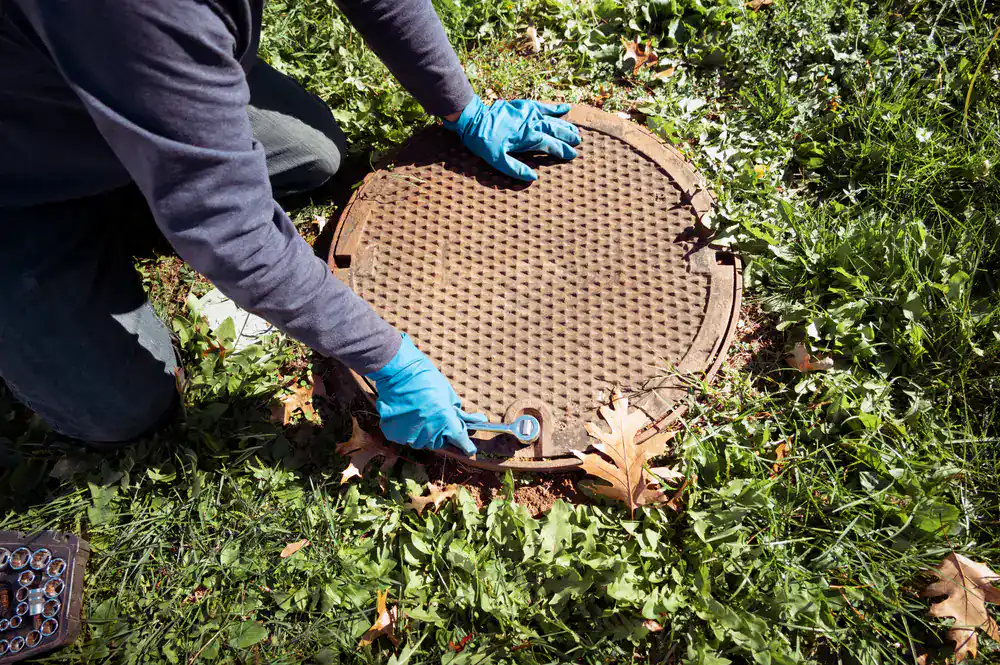
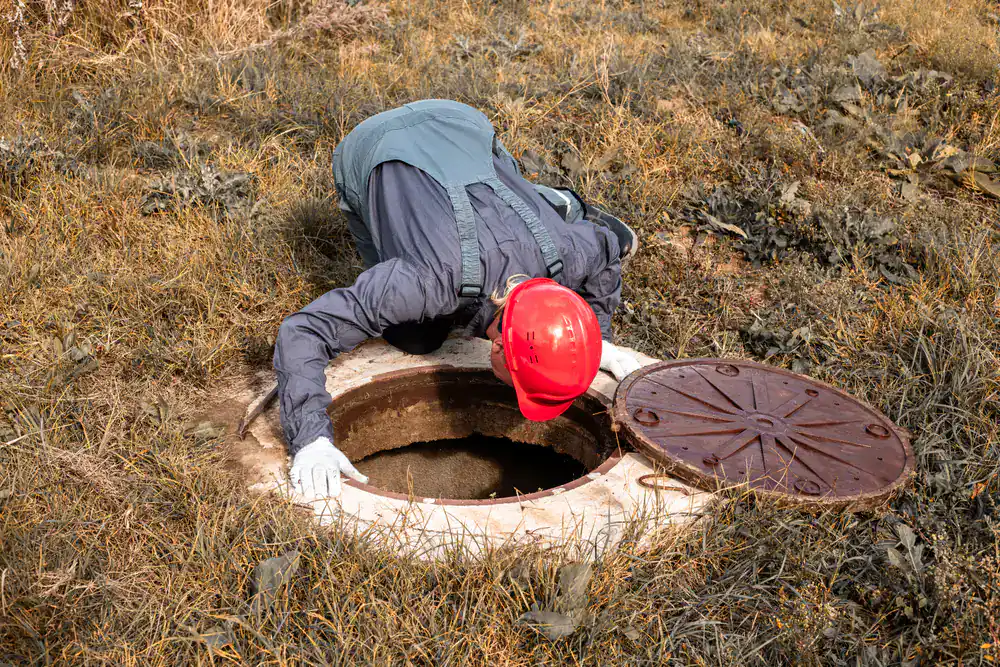
Older homes in Sayville—and a significant portion of the housing stock here was built before 1939—can present a few specific challenges that newer construction doesn’t. The most common is an unmapped or unmarked cesspool. Many properties from that era have systems that were never formally documented, and locating them before work begins is an essential first step. We have cesspool location experience specifically noted as a specialty, which matters a lot when you’re working on a property where the underground infrastructure hasn’t been touched in decades.
Beyond location, older lots sometimes have unusual configurations, mature trees with root systems near where the new system needs to go, or soil conditions that vary from what a standard perc test might suggest. None of these are deal-breakers, but they’re the kind of things that a contractor with real South Shore experience handles as a normal part of the job rather than an unexpected complication. The site assessment at the beginning of the process is specifically designed to surface these issues before the permit is filed and before any excavation starts, so there are no expensive surprises mid-project.
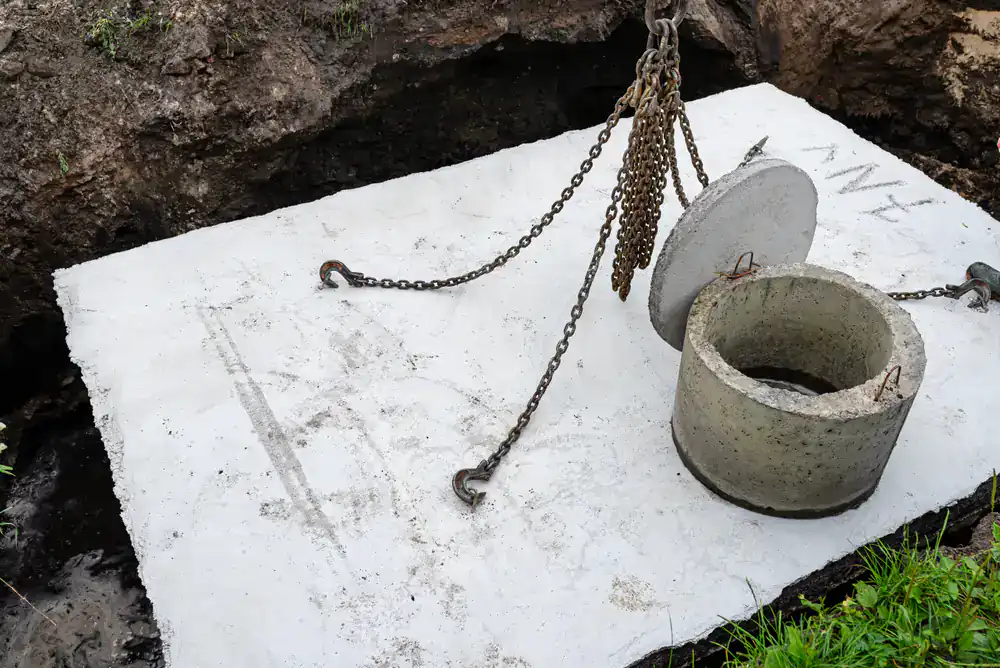
It doesn’t just get left in the ground and forgotten. Proper abandonment of the old system is a required part of the installation process under Suffolk County’s regulations. That means the existing cesspool gets pumped out completely, then filled or crushed in a way that prevents it from becoming a collapse hazard or a source of ongoing contamination. The abandonment is documented as part of the overall installation record.
This matters for a few reasons beyond just compliance. In Sayville’s older neighborhoods, there are properties where a previous owner had work done informally—a cesspool that was “taken out of service” without being properly abandoned. That creates liability and potential structural issues down the road, especially in areas with sandy soils where an unfilled void can shift over time. When we complete an installation, you receive documentation covering the full scope of work: the new system and the proper closure of the old one. That paperwork is what a buyer’s attorney or a lender will ask to see if you ever sell, and having it in order protects you at the closing table.
Hear from Our Customers
The most immediate thing you notice is what stops happening. No more slow drains that back up before company comes over. No more wet patches in the yard after a heavy rain. No more wondering whether that smell near the back fence is what you think it is. A properly installed septic system removes all of that from your daily mental load—and in Sayville, where homes are sitting on real value, that peace of mind has a financial dimension too.
Sayville’s housing stock is among the oldest in Suffolk County. Many homes in and around the Town Center were built before 1939, running on cesspool systems that were installed before modern standards existed. Those systems weren’t designed to last forever, and they weren’t designed with the Great South Bay in mind. Brown’s River runs right through the heart of Sayville and drains into the bay—the same water you look at from the ferry dock, the same water your neighbors kayak in. A new, properly functioning system stops contributing to that problem without you having to think about it again.
For homeowners preparing to sell, a documented, SCDHS-approved installation also removes one of the most common deal-killers in Sayville’s real estate market. Buyers’ attorneys in this price range look at every inspection report carefully. Getting ahead of it means you control the timeline instead of reacting to someone else’s deadline.
We’re a family-owned and operated company based in West Babylon, about ten to twelve miles west of Sayville along the South Shore corridor. We’ve been doing this work for over 30 years, and a significant part of that experience has been in communities exactly like yours: older homes, sandy South Shore soils, waterfront-adjacent properties, and a county permit process that has no patience for contractors who don’t know what they’re doing.
The towns immediately surrounding Sayville—Oakdale, Bayport, Great River, and Bohemia—are already part of our regular service area. When our crew shows up in Sayville, they already know the soil conditions, the SCDHS requirements, and the kinds of surprises that older properties in this part of Suffolk County tend to throw at you.
The owner’s name is Michael Chiofalo. This is his business, his reputation, and his crew. Every job reflects that.

It starts with a site assessment. Before we dig anything or quote you a number, our crew looks at the property—the existing system, the lot configuration, soil conditions, and proximity to any wetland boundaries or waterways. In Sayville, that last part matters more than it does in most inland communities. Properties near Brown’s River or the bay’s tidal edges have SCDHS setback requirements that affect where a new system can be placed, and we account for that before the permit is filed, not after.
Once the assessment is done, you get a written estimate. Not a ballpark over the phone—a real number in writing. From there, the permit process begins with the Suffolk County Department of Health Services under Article 6 of the Suffolk County Sanitary Code. Depending on the scope of the project, this typically adds a few weeks before active work can start. If you’re pursuing a Suffolk County Septic Improvement Program grant—and if you’re eligible, you should be—the grant certificate needs to be issued before installation begins, so starting that application early is something to discuss on the first call.
On installation day, the old system is properly abandoned: pumped out, filled or crushed, and documented. The new system goes in. Most residential installations are completed in a single day. When the work is done, you receive the installation records—the paperwork that proves to any future buyer, lender, or inspector that the system was installed correctly and approved by the county.
Ready to get started?
Suffolk County banned new cesspool-only installations in July 2019. That means if your system needs to be replaced—whether it’s failing, flagged in an inspection, or simply at the end of its useful life—it has to meet modern septic standards at minimum. In many cases, especially for homes near tidal water or where renovations have crossed certain cost thresholds, an innovative/alternative onsite wastewater treatment system, known as an I/A OWTS, is required. These systems reduce nitrogen output by up to 70% compared to a conventional cesspool, which is particularly relevant in Sayville given how directly the groundwater here connects to the Great South Bay.
We handle the full scope: site evaluation, soil percolation testing, permit filing with SCDHS, excavation, installation, proper abandonment of the old system, and post-installation documentation. There are no handoffs between a permit expediter, a separate excavator, and an installer. One contractor, start to finish.
For Sayville homeowners who qualify for the Suffolk County Septic Improvement Program, combined state and county grants of up to $45,000 may be available to offset the cost of an I/A OWTS installation. The grant process has specific timing requirements—the application and grant certificate must come before installation begins, not after—and we walk you through that from the start.