
The septic system you were planning to install may no longer be legal in Suffolk County. Here's what's actually required in 2026, and how to pay for it.
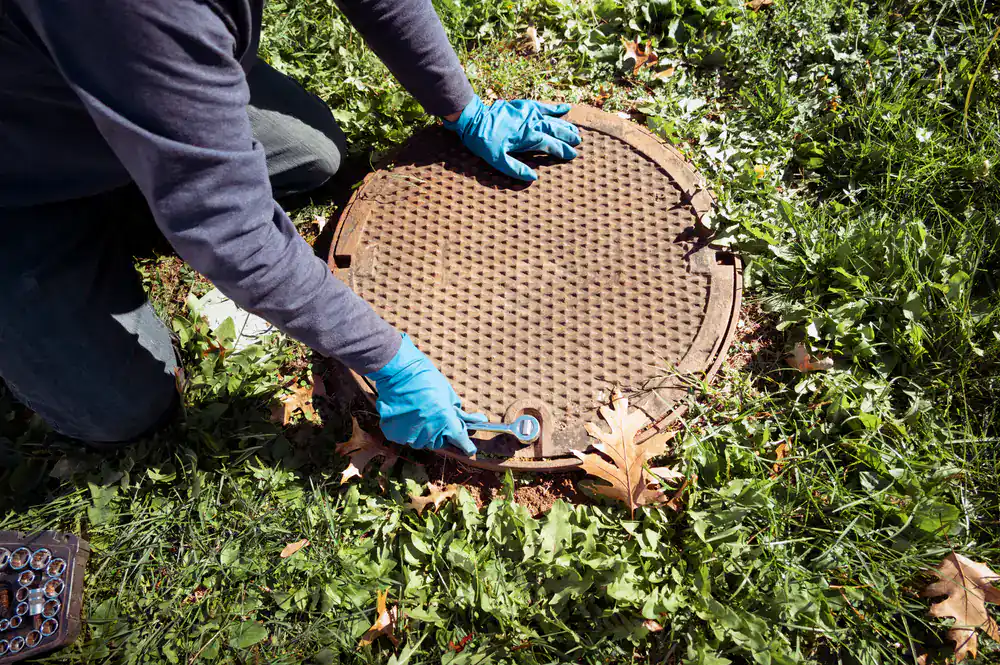
If your cesspool or septic system is on its last legs, you’re probably doing what most Suffolk County homeowners do, searching for someone to swap it out and move on. That’s a reasonable instinct. But the system you’re picturing may no longer be legally available to you, and the price you’re expecting may be very different from what you’ll actually hear. Before you get three confusing quotes and walk away more frustrated than when you started, it helps to understand what’s actually changed in Suffolk County and what your real options look like in 2026. That’s what this is about.
In July 2019, Suffolk County banned the installation of cesspools outright. That wasn’t a soft recommendation or a phased suggestion, it was a hard stop. If your system fails today, you cannot simply replace it with a new cesspool the way homeowners did for decades. At minimum, any replacement must include a septic tank preceding a leaching structure. In many cases, especially for new construction or major reconstruction, a full nitrogen-reducing system is legally required.
This matters because roughly 360,000 homes across Suffolk County still rely on outdated cesspools and conventional septic systems, the kind that release an average of 40 pounds of nitrogen per household into the ground every year. That nitrogen doesn’t just disappear. It moves through the county’s sandy, porous soil and directly into the sole-source aquifer beneath Long Island, the same aquifer that supplies 100% of the island’s drinking water. There is no backup water supply here. What goes into the ground eventually comes out of your tap.
The Great South Bay and harbors throughout Suffolk County have been hit hard by harmful algal blooms tied directly to nitrogen runoff from failing septic systems. The same story plays out in lakes and tidal creeks throughout the county. That’s why the regulations changed, and why understanding them now saves you time and money later.
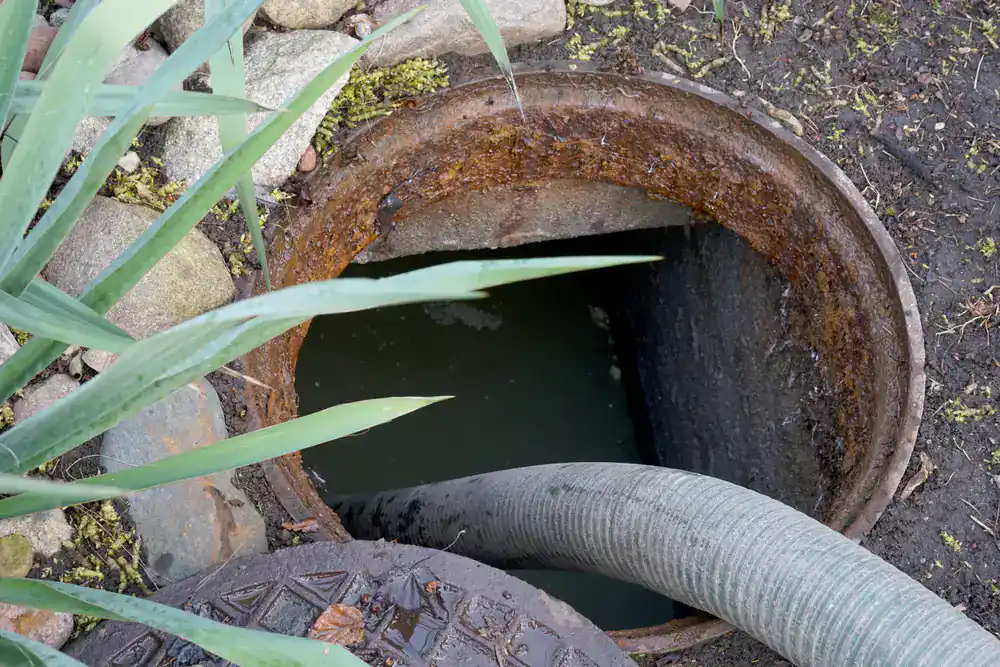
I/A OWTS stands for Innovative and Alternative Onsite Wastewater Treatment System. It’s the category of nitrogen-reducing septic system that Suffolk County now requires for new construction and major reconstruction in unsewered areas. The term sounds technical, but the concept is straightforward, these systems treat wastewater on-site and remove roughly 70% of the nitrogen before anything reaches the ground. Conventional systems remove almost none of it.
As of July 1, 2021, I/A OWTS became the legal standard for new installations in Suffolk County. We work with the two manufacturers approved by the Suffolk County Department of Health Services (SCDHS): Fujiclean and HydroAction. Both have demonstrated nitrogen reduction well below the county’s 19 mg/L standard in real-world testing. If you’re replacing a failed system or building new in Suffolk County, one of these is almost certainly what you’ll be installing.
The cost of an I/A OWTS installation in Suffolk County runs approximately $25,000 before grants, plus engineering and design. That number stops a lot of homeowners cold, and understandably so. But here’s what most people searching for this information don’t yet know: combined state and county grants of up to $30,000 are available for qualifying installations through the Suffolk County Septic Improvement Program (SIP).
The Suffolk County Septic Improvement Program was launched in 2017 in response to the county’s worsening nitrogen pollution crisis. The grant program exists because Suffolk County recognized that expecting homeowners to absorb the full cost of a $25,000 system upgrade on their own wasn’t a realistic path to getting 360,000 outdated systems replaced.
Here’s how the funding works in practice. The county’s SIP base grant covers a significant portion of the installation cost. On top of that, New York State offers its own Septic System Replacement Fund grant. Combined, qualifying homeowners in Suffolk County can receive up to $30,000 toward the purchase and installation of an SCDHS-approved I/A OWTS system. For homeowners who need additional support, the Community Development Corporation of Long Island (CDCLI) also offers loans of up to $10,000 to bridge any remaining gap.
To qualify, the property generally needs to be a primary residence in an unsewered area of Suffolk County, and the system being installed must be one of the SCDHS-approved I/A OWTS models. The application process involves documentation, eligibility verification, and coordination with the contractor handling the installation. We handle permit submission to SCDHS as part of what we do, which means the paperwork gets done correctly and you move through the process without delays.
Want live answers?
Connect with a Drastic Drainage expert for fast, friendly support.
A lot of homeowners assume a septic installation is a one-day job, someone shows up, digs a hole, drops in a tank, and leaves. In Suffolk County in 2026, it’s a more involved process, and understanding the steps upfront prevents surprises.
It starts with a site assessment. Before anything is designed or permitted, the property needs to be evaluated, soil type, water table depth, available space, and the condition of the existing system. Communities throughout Suffolk County, particularly on the South Shore in areas like Sayville, Islip, and Bay Shore, tend to have higher water tables due to proximity to the Great South Bay. That affects system design in ways that a contractor without local experience won’t anticipate.
We’ve been working these neighborhoods for over 30 years, and that kind of site-specific knowledge isn’t something you pick up from a manual. We understand how Suffolk County’s sandy soil behaves, where water tables sit in different neighborhoods, and what design choices work best for each property.

Yes, and this is non-negotiable. All cesspool replacements and new septic installations in Suffolk County require permits from the Suffolk County Department of Health Services. A contractor who skips this step isn’t saving you time or money. They’re creating a code violation that sits on your property and surfaces the moment you try to sell, refinance, or certify the system for any purpose.
We handle permit submission to SCDHS as part of the installation process. That means the documentation is done correctly, the system is installed to the approved design, and you receive installation records after the job is complete. Those records matter more than most homeowners realize, especially if you ever need to sell the property. Real estate transactions involving homes with cesspools or septic systems in Suffolk County require certification, and a system without proper documentation can derail a closing.
It’s also worth knowing what credentials to look for before you hire anyone for this work. Suffolk County requires a Liquid Waste License under Chapter 563, Article VII of the Suffolk County Code for anyone performing cesspool pumping, cleaning, installation, or repair. This license is issued by the Suffolk County Department of Labor, Licensing and Consumer Affairs (DLLCA) and is verifiable. We hold License #LW-63684.
The full installation timeline, from initial assessment through permit approval and completed installation, can take several weeks depending on SCDHS processing times and site conditions. We give homeowners a realistic picture of that timeline upfront so there are no surprises. Because septic emergencies don’t wait for business hours, we’re available 24/7 for urgent situations throughout Suffolk County.
This is more common than most people expect. A significant number of homes throughout Suffolk County, particularly in older neighborhoods where systems were installed in the 1950s, 60s, and 70s, have no documentation of where the cesspool or septic tank is located. Previous owners didn’t leave records. The paperwork was never filed or was lost. New owners bought the house without ever asking the question, because everything seemed to be working fine.
Then something goes wrong, or a home inspection flags the system, and suddenly you’re standing in your backyard with no idea where to start. Some contractors will tell you they can’t help until you locate the system yourself. Others will quote you for exploratory excavation that covers half your yard.
Cesspool location is something we specifically do. We’ve been working on Long Island for over 30 years, and we’ve dealt with systems buried under driveways, tucked behind additions, and placed in spots that made no sense to anyone who didn’t install them. Finding a system that’s been lost to time isn’t a minor inconvenience. It’s the difference between moving forward with a repair or installation and being stuck.
Once the system is located, we can assess its condition, determine what replacement or upgrade is required under current Suffolk County regulations, and walk you through what comes next, including whether you qualify for SIP grant funding.
The short version: the rules have changed, the costs are real, and the grants are available, but only if you work with someone who knows how to access them. Septic system installation in Suffolk County isn’t optional anymore. It’s the legal standard, driven by a genuine water quality crisis that affects every resident who drinks from a tap on this island.
What hasn’t changed is that the right contractor still makes all the difference. Someone who pulls the permits, knows the soil, understands the grant process, and gives you a straight answer before the work starts, not after.
If you’re facing a system replacement, a failed inspection, or just aren’t sure what condition your system is in, Drastic Drainage Long Island offers free estimates and same-day service throughout Suffolk County. Give us a call and we’ll tell you exactly where things stand.
Summary:

Article details:
Share: