
By submitting you consent to receive service-related texts from Drastic Drainage. Reply STOP to opt out. Msg & data rates may apply. Consent not required to book service.
Useful Links
When a cesspool is properly installed permitted, inspected, and sized correctly for your property you stop managing a problem and start forgetting it exists. No more slow drains that get worse after a rainstorm. No more wet patches showing up in the yard every spring when the ground thaws. No more wondering whether the smell is coming from inside the walls or somewhere underneath the lawn.
For Lake Grove homeowners specifically, that peace of mind carries real financial weight. With median home values approaching $650,000 and the local market moving fast, a documented, code-compliant cesspool installation is something a buyer’s inspector will note favorably not flag as a liability. Homes in Lake Grove sell in around 34 days on average. A cesspool issue discovered at inspection can stall or kill a deal. A properly installed, permitted system protects the equity you’ve built.
There’s also something bigger at stake. Lake Grove sits directly north of Lake Ronkonkoma, Long Island’s largest freshwater lake. Nitrogen from aging cesspools in Lake Grove and surrounding communities has been identified as the primary driver of the lake’s declining water quality. Algae blooms, beach closures, a lake that fewer families can enjoy each summer. Replacing a failing system with one that’s properly engineered is one of the most direct things you can do about that.
No and this catches a lot of Lake Grove homeowners off guard. Since July 1, 2019, Suffolk County has prohibited cesspool-only replacements. If your system needs to be replaced, the new installation must include at minimum a septic tank preceding the leaching structure. You can no longer swap one cesspool for another and call it done.
For new single-family construction as of July 2021, the requirement goes further Innovative and Alternative Onsite Wastewater Treatment systems are mandated. These I/A OWTS systems treat wastewater more effectively before it reaches the soil, reducing nitrogen output by 70 to 90 percent compared to a conventional cesspool. Given Lake Grove’s location directly north of Lake Ronkonkoma and the documented nitrogen contamination affecting the lake, this regulation has real local relevance it’s not just a bureaucratic requirement. If you’re unsure what your specific property requires, a free on-site estimate is the fastest way to get a straight answer.
The honest answer is that cost depends heavily on what your property needs system type, soil conditions, whether the old system needs full decommissioning, and whether you qualify for grant funding. We don’t publish a flat rate because a quote without a site assessment isn’t worth much, and a number that sounds low over the phone has a way of growing once the crew arrives. That’s the scenario we want you to avoid.
What we can tell you is that Suffolk County’s Septic Improvement Program currently offers up to $45,000 in combined State and County grants for eligible homeowners who upgrade to an I/A OWTS system. For many Lake Grove households, that grant covers the entire installation or reduces the out-of-pocket cost substantially. Grant payments are also tax-free under IRS Announcement 2022-26. The funding is first-come, first-served, which means the cost of waiting is real. A free estimate from us gives you the full picture: what the job requires, what it will cost, and what grant programs you may qualify for.
The most reliable answer comes from a licensed contractor who can assess the system in person not from symptoms alone. That said, there are patterns worth knowing. Slow drains that worsen after heavy rain, wet spots or unusually green patches in the yard, sewage odors near the house or yard, and gurgling sounds from toilets or drains are all signs the system is struggling. Any one of these warrants a call. Multiple symptoms together usually mean the system is failing.
Here’s the local context that matters: the median construction year for homes in Lake Grove is 1970. A properly maintained cesspool on Long Island has a design life of 30 to 40 years. If you’ve owned your home for 10 or 20 years and never replaced the cesspool, there’s a reasonable chance it was already aging when you moved in. Many Lake Grove homeowners are sitting on systems that are 50 to 60 years old not because they’ve been negligent, but because the system never caused a dramatic failure. That’s not the same as the system being fine. A free estimate tells you what you’re actually dealing with.
Yes, a permit is required for every cesspool installation and replacement in Lake Grove. The primary permitting authority is the Suffolk County Department of Health Services. Applications require engineered plans, soil testing results, and documentation of setback distances from wells, property lines, and water bodies. Processing typically takes two to four weeks. Permit costs generally run in the range of a few hundred dollars depending on system size.
Because Lake Grove is an incorporated village within the Town of Brookhaven, there’s also a layer of local governance the village has its own building inspector and zoning code, and surface excavation work may require a village building permit in addition to the SCDHS permit. We handle the permit process as part of the installation. You don’t need to figure out which forms go to which agency or track down an engineer separately. Unpermitted work can void your certificate of occupancy, complicate a future home sale, and leave you personally liable for regulatory violations.
Most residential cesspool installations in Lake Grove take one to five days from excavation to site restoration, depending on the complexity of the system and the condition of the existing infrastructure. A straightforward replacement on a standard residential lot where the old system is accessible and the soil cooperates typically runs one to two days. A more involved installation, such as an I/A OWTS system with a pressurized shallow drainfield, can take closer to four or five days.
Timing can also be influenced by the season. Lake Grove’s spring thaw is the peak period for cesspool calls frozen ground during winter can mask slow-developing problems, and the combination of snowmelt and saturated soil in March and April tends to push struggling systems over the edge. If you’re scheduling a replacement in winter, excavation in frozen ground is possible but adds some complexity. The permit process typically two to four weeks through SCDHS is usually the longest part of the timeline, and that clock starts as soon as the application is submitted. We submit that application as part of the job.
A complete cesspool failure sewage backing up into the house, active overflow in the yard is an emergency, and we treat it as one. We offer 24-hour emergency service, seven days a week, throughout Nassau and Suffolk Counties. If your system fails on a Sunday night or a holiday, one call gets the process moving.
In practice, a full failure usually means emergency pumping first to relieve the immediate backup, followed by a rapid assessment of what the system needs. If a full replacement is required, the permit application goes in immediately and the installation is scheduled as soon as approvals clear. The important thing to understand is that waiting until a complete failure to act puts you at a disadvantage emergency pricing is real, grant applications take time, and you lose the ability to compare quotes and plan ahead. For Lake Grove homeowners whose housing stock dates to the 1950s and 1960s, the better move is a free estimate now, before the system makes the decision for you.
Free, no-obligation estimates on cesspool, sewer, and drain work.
We get there quickly. No waiting days for a callback.
Backups don’t wait for business hours. Neither do we.
Fully licensed and insured across Long Island.
Up-to-date trucks and tools for cleaner, faster jobs.
Straight quotes, no surprises on the bill.
Hear from Our Customers
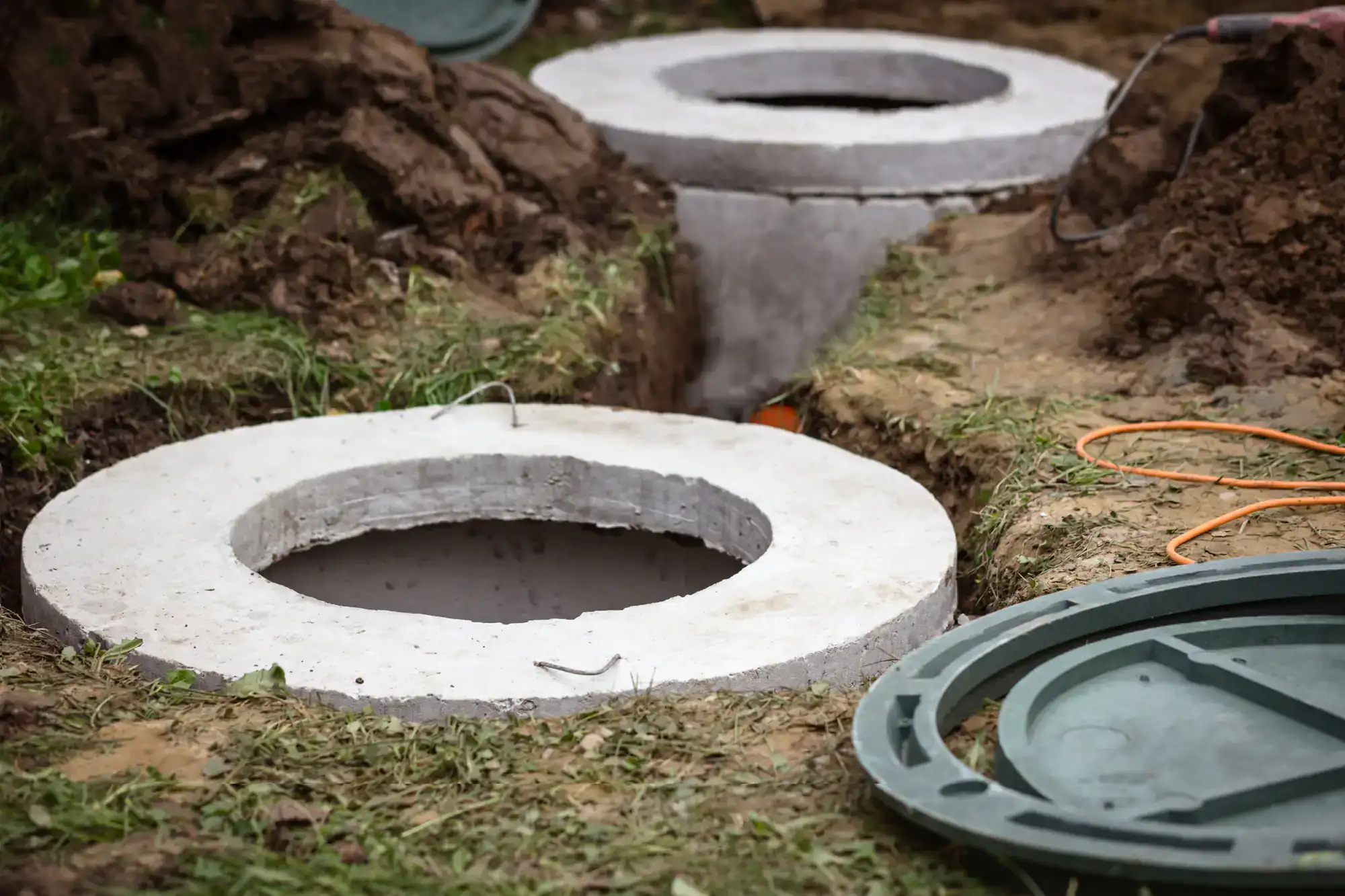
When a cesspool is properly installed permitted, inspected, and sized correctly for your property you stop managing a problem and start forgetting it exists. No more slow drains that get worse after a rainstorm. No more wet patches showing up in the yard every spring when the ground thaws. No more wondering whether the smell is coming from inside the walls or somewhere underneath the lawn.
For Lake Grove homeowners specifically, that peace of mind carries real financial weight. With median home values approaching $650,000 and the local market moving fast, a documented, code-compliant cesspool installation is something a buyer’s inspector will note favorably not flag as a liability. Homes in Lake Grove sell in around 34 days on average. A cesspool issue discovered at inspection can stall or kill a deal. A properly installed, permitted system protects the equity you’ve built.
There’s also something bigger at stake. Lake Grove sits directly north of Lake Ronkonkoma, Long Island’s largest freshwater lake. Nitrogen from aging cesspools in Lake Grove and surrounding communities has been identified as the primary driver of the lake’s declining water quality. Algae blooms, beach closures, a lake that fewer families can enjoy each summer. Replacing a failing system with one that’s properly engineered is one of the most direct things you can do about that.
We are a family-owned, fully licensed, insured, and bonded cesspool company based in West Babylon, NY. License number LW-63684, issued by Suffolk County. That’s not a detail buried in the fine print it’s publicly verifiable, and it matters because Suffolk County requires a Liquid Waste License for every cesspool installation. If the contractor you’re talking to can’t hand you that number without hesitating, that’s your answer.
We’ve been working Long Island’s soil for over 30 years. That means we’ve worked in central Suffolk’s glacial outwash the sandy loam terrain that drains quickly, shifts over time, and moves nitrogen into the aquifer faster than heavier soils elsewhere on the Island. We know what that soil requires in terms of depth, leaching area sizing, and system design. We’ve seen what happens when those factors are ignored.
We handle residential and commercial installations throughout Lake Grove and the surrounding area from single-family homes on quiet side streets to commercial properties along the Route 347 corridor. One crew, one call, from permit to final grade restoration.
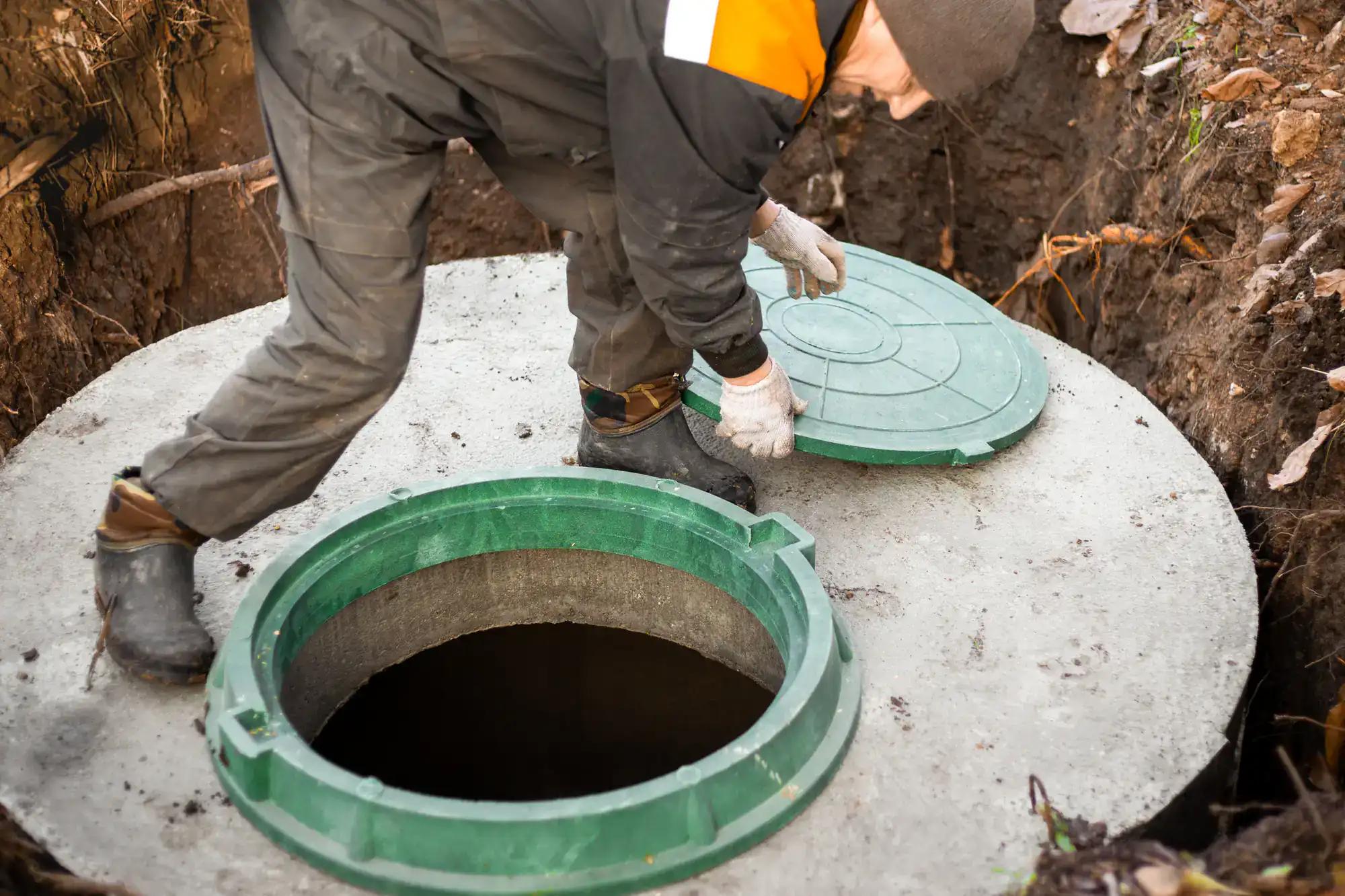
It starts with a free estimate not a vague ballpark over the phone, but an actual on-site assessment of your property and your system. We look at where the cesspool is located, what condition it’s in, what the soil is doing, and what Suffolk County requires for your specific situation. If your system is a candidate for the Suffolk County Septic Improvement Program which offers up to $45,000 in combined State and County grants for qualifying I/A OWTS installations that conversation happens here, before anyone picks up a shovel.
Once the scope is clear, the permit application goes to the Suffolk County Department of Health Services. Permit processing in Suffolk County typically takes two to four weeks, and we handle that paperwork. You don’t need to navigate the SCDHS application process on your own. After permits are approved, excavation begins. For most residential properties, that means digging to approximately ten to twelve feet deep. The old system gets properly decommissioned pumped, collapsed, and filled according to county requirements. The new system goes in: tank, leaching pool, connection to your home’s sewer line.
After the SCDHS final inspection clears, the site gets backfilled and graded. The yard goes back to normal. Most residential installations in this area are completed in one to five days depending on system type and site conditions. You’re not left with a torn-up property and a half-finished job.

Ready to get started?
A complete cesspool installation from us covers the entire scope not just the tank, not just the excavation, but everything from the permit application through the final SCDHS inspection and site restoration. That includes cesspool ring replacement when rings have shifted or cracked on older systems, leaching pool and drywell installation sized to your property’s specific drainage requirements, and full decommissioning of the old system before the new one goes in.
For Lake Grove properties, there are a few things worth understanding upfront. Since July 2019, Suffolk County has banned cesspool-only replacements. You cannot replace a cesspool with a cesspool the new system must include at minimum a septic tank preceding the leaching structure. And for new construction as of July 2021, Innovative and Alternative Onsite Wastewater Treatment systems are required. These I/A OWTS systems remove 70 to 90 percent of nitrogen compared to conventional cesspools which matters considerably for a village that sits upstream of Lake Ronkonkoma.
We also handle commercial installations along Lake Grove’s Route 347 and Middle Country Road corridors. Restaurants, medical offices, and retail properties face the same aging-system timeline as residential homes often with higher daily usage loads and less margin for a system failure. The same full-service approach applies: permits, excavation, installation, inspection, and site restoration. Residential or commercial, the process is the same and the accountability is the same.
