Useful Links
Other Services we provide in Lindenhurst
No and this catches a lot of Lindenhurst homeowners off guard. Since July 1, 2019, Suffolk County banned cesspool-only replacements. If your system fails and needs to be replaced, the new installation must include at minimum a septic tank preceding the leaching structure. You can no longer swap one cesspool for another, regardless of how old the existing system is or why it failed.
This applies to every property in Lindenhurst, which falls under Suffolk County jurisdiction. The permit application for any replacement goes through the Suffolk County Department of Health Services, and the system has to meet current standards to pass inspection. If someone quotes you a cesspool-for-cesspool swap without mentioning permits or the 2019 regulation, that’s a red flag worth paying attention to. Getting it done wrong means potential fines, forced redo work, and complications with your certificate of occupancy.
It affects it more than most people realize. The canals running inland from the Great South Bay through neighborhoods like American Venice and Venetian Shores keep the water table elevated throughout the southern half of Lindenhurst year-round. For a cesspool to work properly, the surrounding soil needs to absorb the effluent that passes through. When that soil is already saturated because the water table is sitting close to the surface, the system can’t leach efficiently. It fills faster, needs to be pumped more often, and deteriorates structurally at an accelerated rate.
For properties near the canals in Lindenhurst, some service providers recommend pumping as frequently as every 12 to 18 months compared to the two to three year standard for the rest of Long Island. If your system is also aging, that combination of high water table stress and years of use can push a marginal cesspool toward failure faster than you’d expect. When we assess a canal-adjacent property in Lindenhurst, we factor in the lot’s specific elevation and proximity to the water before recommending a system type or sizing a leaching pool.
Possibly, and it’s worth finding out. When Hurricane Sandy hit on October 30, 2012, it flooded more than half of Lindenhurst. The storm surge in bay-front areas reached five to nine feet, and saltwater intrusion into cesspool systems causes a specific kind of damage that isn’t always obvious from the surface. Saltwater accelerates corrosion in precast concrete rings, disrupts the biological treatment process that breaks down waste, and can compromise leaching fields by saturating them with salt-laden water that damages the soil bacteria responsible for treatment.
A cesspool that was submerged during Sandy and appeared to recover may have been structurally weakened in ways that only become apparent years later as corrosion progresses, rings crack or shift, and the system gradually loses capacity. If your Lindenhurst home was in a flood zone during Sandy and your cesspool was never formally assessed afterward, it’s worth having someone take a look before the system fails entirely. We specialize in locating and evaluating hard-to-find and previously undocumented systems, which is exactly the situation many older Lindenhurst homes are in.
For most residential installations, the actual on-site work takes one to five days. A straightforward replacement on a standard lot is usually on the shorter end of that range. More complex jobs properties with limited access, mature landscaping, canal-adjacent lots with elevated water tables, or systems requiring I/A OWTS technology can take longer, and that’s before factoring in the permit timeline.
The permit application through the Suffolk County Department of Health Services typically takes two to four weeks to process before we can break ground. That step is mandatory, and it’s one of the reasons we recommend not waiting until your system has completely failed before starting the process. If you’re in an emergency situation, we do offer 24/7 emergency service, but a planned replacement gives you time to get the permits in order, compare your options, and potentially apply for grant funding if your property qualifies. Starting the conversation before you’re in crisis mode almost always results in a better outcome.
The honest answer is that it depends on what your property needs, and the only way to know for certain is to have someone assess your specific lot. System type, soil conditions, lot access, and whether you’re doing a partial replacement or a full system install all affect the final number. Permit fees typically run between $200 and $500 depending on system size and scope.
What we can tell you is that if your property qualifies for an Innovative and Alternative Onsite Wastewater Treatment system, the Suffolk County Septic Improvement Program offers combined State and County grant funding of up to $45,000 for eligible installations. That grant is paid directly to the licensed installer after final inspection, so you only pay the remaining balance. The funding is first-come, first-served, so it’s worth asking about eligibility sooner rather than later. We provide free, written estimates so before any work begins, you have a clear number in hand, not a ballpark figure that changes once the crew shows up.
The line between repair and replacement depends on what’s actually failing and how far along the deterioration is. A cracked or collapsed ring, for example, might be repairable if the rest of the system is structurally sound. But if the leaching pool has failed, the tank is corroded through, or the system is backing up because it’s simply overwhelmed and past its functional lifespan, repair isn’t going to solve the underlying problem it just delays the inevitable and adds cost.
For Lindenhurst specifically, the age of the housing stock matters here. If your home was built in the 1950s or 1960s and the cesspool has never been replaced, you’re likely looking at a system that’s 60 to 70 years old well past the 30 to 40 year functional lifespan of a well-maintained system. Add in the water table stress from canal-adjacent conditions or any flood history from Sandy, and the odds that a repair is the right long-term answer drop considerably. The free estimate we provide isn’t just a pricing call it’s a genuine assessment of what’s underground and what makes the most sense for your property. If a repair is the right move, we’ll tell you that.
Hear from Our Customers
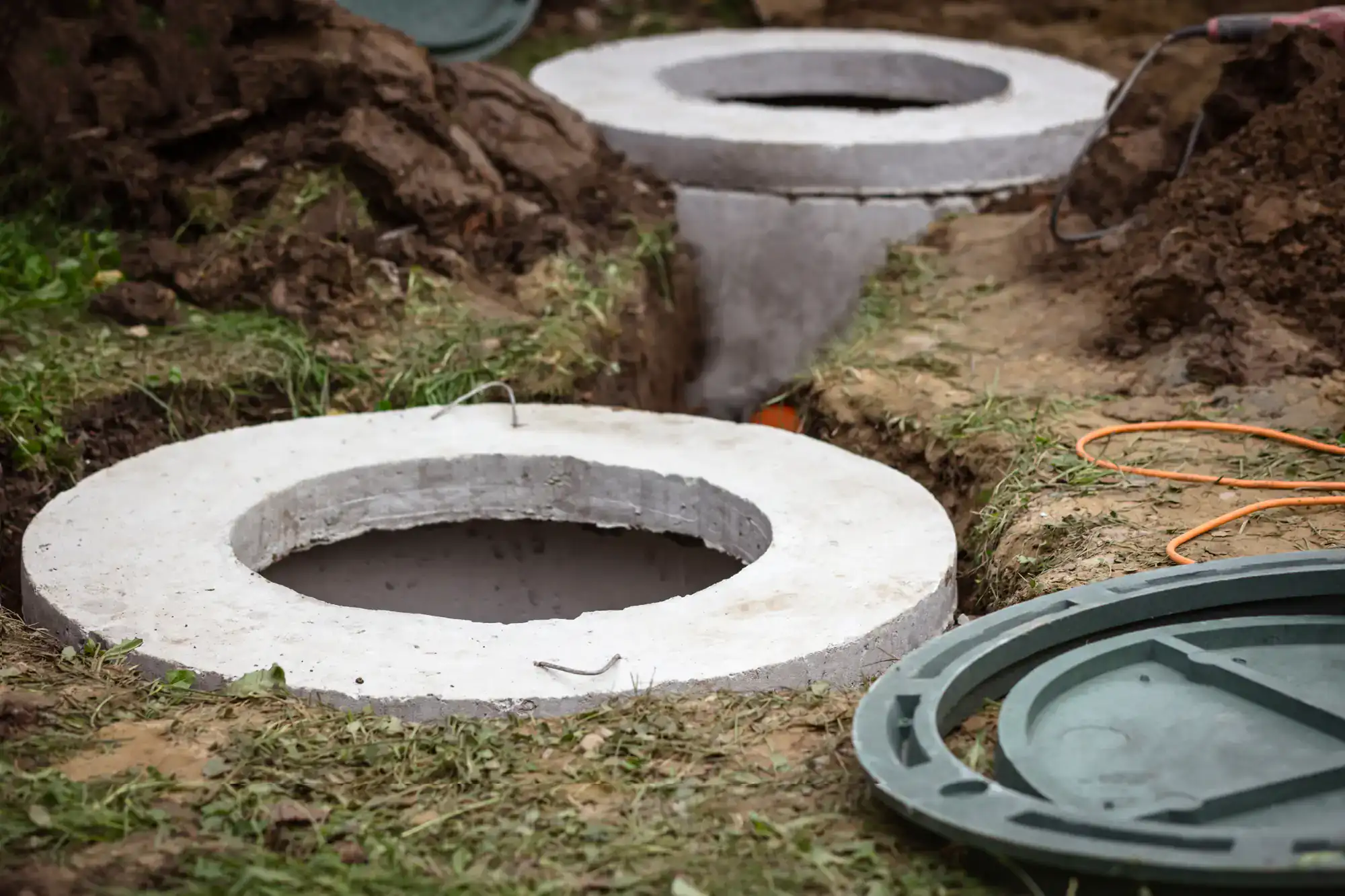
When a cesspool has been limping along for decades, you start to normalize the warning signs slow drains, a faint smell after heavy rain, a patch of yard that stays wet longer than it should. Once a properly installed system is in the ground, those things stop. No more holding your breath every time guests use the bathroom. No more wondering if this is the week it finally backs up into the house.
For Lindenhurst homeowners, the stakes are a little higher than they are in other parts of Long Island. The canals running inland from the Great South Bay through neighborhoods like American Venice and Venetian Shores keep the water table elevated year-round. That means a struggling cesspool here doesn’t just fail slowly. It fills faster, leaches less efficiently, and tends to surface problems in the yard before most homeowners expect it. A new system, sized and installed correctly for your lot’s conditions, changes that math entirely.
There’s also the regulatory side. Since July 2019, Suffolk County no longer allows you to replace a cesspool with another cesspool. Any replacement now requires at minimum a septic tank preceding the leaching structure. Getting that done right permitted, inspected, and built to last protects your home’s certificate of occupancy and keeps you on the right side of the county’s rules going forward.
Drastic Drainage Long Island is a family-owned, fully licensed, insured, and bonded cesspool and drainage company based in West Babylon which puts us directly next door to Lindenhurst in the same Town of Babylon jurisdiction. We’re not driving in from Nassau County or the East End. We know the South Shore, the soil conditions, the SCDHS permit process, and the specific challenges that come with older housing stock and canal-adjacent lots in Lindenhurst and throughout the area.
License number LW-63684 is on every page of our site because it matters. Suffolk County requires a Liquid Waste License for all cesspool work, and any contractor who can’t produce that credential upfront isn’t someone you want excavating your yard. We’ve been doing this for over 30 years, and we handle the complete job permits, excavation, installation, and site restoration so you’re not left coordinating between multiple contractors on a job that already has enough moving parts.
We also specialize in locating hard-to-find cesspools. A lot of Lindenhurst homes were built in the 1950s without any documentation of where the system was placed. If you don’t have records and don’t know where to start, that’s exactly the kind of situation we’ve handled hundreds of times.
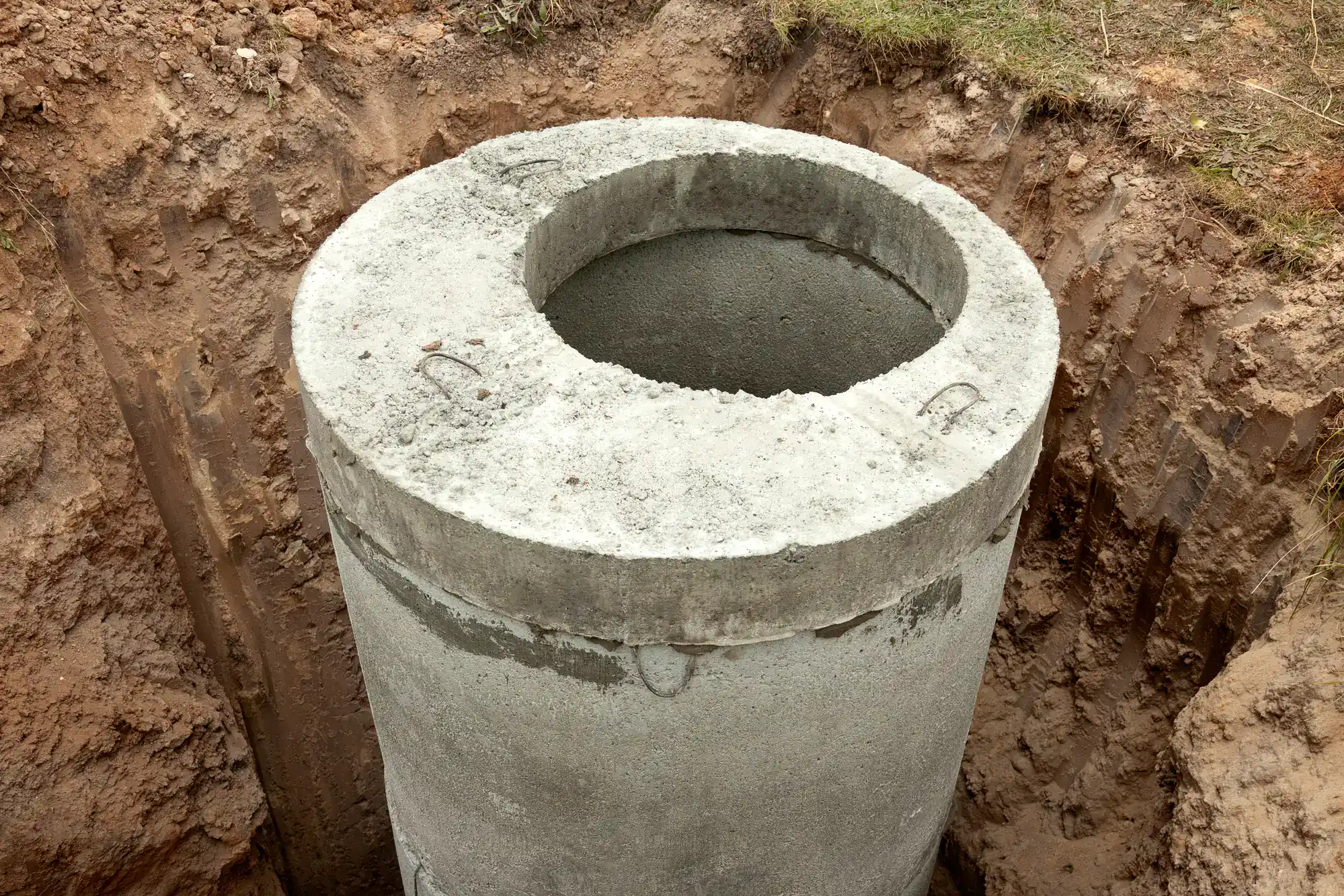
It starts with a free estimate. We come out, assess your property, and give you a clear picture of what your system needs and what it’s going to cost in writing, before any work begins. For older Lindenhurst homes where the cesspool location isn’t documented, we locate the system first. That step alone saves homeowners from unnecessary digging and guesswork.
Once we know what we’re working with, we handle the permit application through the Suffolk County Department of Health Services. Permit processing typically takes two to four weeks, and skipping that step isn’t an option unpermitted cesspool work can void your certificate of occupancy and create serious liability down the road. We take care of all of it so you don’t have to navigate the paperwork yourself.
When permits are approved, we mobilize. Excavation, removal of the old system, installation of the new tank and leaching pool, connection to your home’s sewer line, backfill, and site grading it’s all handled by our crew. Most residential installations in Lindenhurst take one to five days depending on system type and lot conditions. Canal-adjacent properties and flood-zone lots sometimes require additional planning due to the elevated water table, and we factor that in from the start rather than discovering it mid-job. When we leave, the system is installed, inspected, and ready to go.

Ready to get started?
Cesspool installation in Lindenhurst isn’t a one-size-fits-all job. The southern half of the village anywhere near the canals, Venetian Shores, or the bay-front areas sits on low-lying ground with a water table that stays close to the surface. That affects what kind of system performs well on your lot, how the leaching pool is sized, and what the excavation looks like. We account for all of that before we recommend a system, not after we’ve already broken ground.
For properties requiring a full replacement, we install the complete system: septic tank, leaching pool, and drywell components as needed, all connected to your existing sewer line. We also handle cesspool ring replacement for situations where the structure itself has deteriorated cracked or corroded rings are a real issue in older Lindenhurst homes, especially those that were in flood zones during Hurricane Sandy, where saltwater intrusion accelerated concrete corrosion in ways that aren’t always visible from the surface.
If your home qualifies for an Innovative and Alternative Onsite Wastewater Treatment system the nitrogen-reducing technology now required for new construction in Suffolk County we can walk you through what that involves, including the Suffolk County Septic Improvement Program grant funding that may be available to you. Eligible homeowners in Suffolk County can access up to $45,000 in combined State and County grants for qualifying I/A OWTS installations, and that funding is first-come, first-served. We provide free estimates for all of it, residential and commercial, so you know exactly what you’re looking at before any decisions are made.