Useful Links
Other Services we provide in Lindenhurst
The standard recommendation for septic tanks is every three to five years, and for cesspools which are more common in Lindenhurst’s older housing stock every one to two years. But those are baseline figures for average conditions. In Lindenhurst, average conditions don’t always apply.
Homes near the canal system, south of Montauk Highway, or anywhere with bay-front exposure deal with a water table that fluctuates with the tides rather than just responding to rainfall. That tidal pressure reduces how effectively a system can drain and process waste, which means sludge accumulates faster than it would in an inland community. If your Lindenhurst home is in or near the American Venice area, or on a block that sees regular coastal flooding, you’re likely better served by a shorter interval closer to every one to two years even for a septic tank rather than waiting out the full five-year window. A quick inspection during your next pump-out will give you a clearer picture of what your specific system actually needs.
In Suffolk County, standard residential septic tank pumping typically runs between $225 and $600, depending on tank size. A 1,000-gallon tank which is one of the most common sizes in Lindenhurst homes generally falls in the $225 to $400 range. Larger systems, around 2,000 gallons, tend to run $400 to $600. Those figures reflect the pump-out itself, legal disposal of the waste at a licensed facility, and a basic assessment of the system’s condition.
Where costs can increase is lid excavation. In Lindenhurst, where the median home was built in 1957, buried lids are common sometimes under a foot or more of soil and landscaping that’s accumulated over decades. Excavating a buried lid can add to the total cost depending on how deep it is and how accessible the area is. The best way to avoid surprises is to ask for a clear estimate before our crew arrives, which is exactly what we provide. The estimate is the starting point for an honest conversation, not a teaser number designed to get a truck in your driveway.
This is one of the most common questions homeowners in Lindenhurst have, and the confusion is understandable. The village’s housing stock spans multiple decades and multiple system types, and many homeowners especially those who recently bought have no documentation of what’s actually underground.
The simplest answer is that most homes built before the 1970s in Lindenhurst are more likely to have cesspools, which are single-chamber systems that collect waste without separating solids from liquids. Homes built after that era, or those that have had systems replaced or upgraded, may have a true septic tank with a separate drainfield. The distinction matters because cesspools typically need pumping more frequently and are subject to different regulatory rules in Suffolk County particularly the 2019 change that prohibits replacing a failed cesspool in kind. If you don’t have paperwork from the previous owner and aren’t sure what type of system you have, one of our technicians can identify it during a service visit. We can locate the system, access it, and tell you exactly what you’re working with before any work begins.
Flooding puts real stress on septic systems in ways that aren’t always obvious afterward. When surface water inundates a yard whether from a coastal storm, tidal surge, or the kind of street flooding that East Shore Road has seen repeatedly it can infiltrate the tank through cracked lids, aging concrete rings, or saturated surrounding soil. That infiltration adds volume the system wasn’t designed to handle, which accelerates sludge buildup and increases the risk of backup into the home.
Lindenhurst has one of the more documented flooding histories on the South Shore. Superstorm Sandy flooded more than half the village’s streets, and coastal flood advisories for the area are issued multiple times per year. For homeowners in the American Venice canal district or anywhere near the bay, this isn’t a hypothetical it’s a recurring condition. If your property experienced flooding recently, it’s worth having the system inspected even if you’re not past your normal pumping interval. A system that went into a flood event partially full is in a very different position than one that was recently serviced. We can assess whether infiltration has occurred and advise on the right next step.
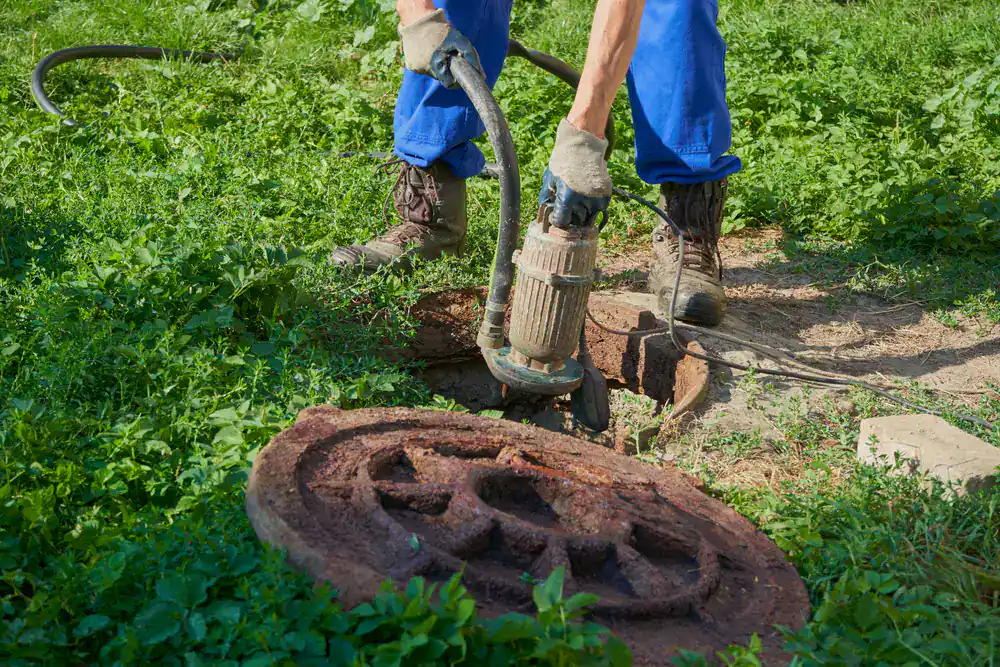
Yes, and this comes up more often than you might expect particularly in Lindenhurst, where many homes have been owned by multiple families over 60-plus years and records don’t always transfer with the deed. Lids get buried under new landscaping, lawn resodding, or simple accumulation over time. Some homeowners have no idea where their system is, and some don’t even know what type of system they have.
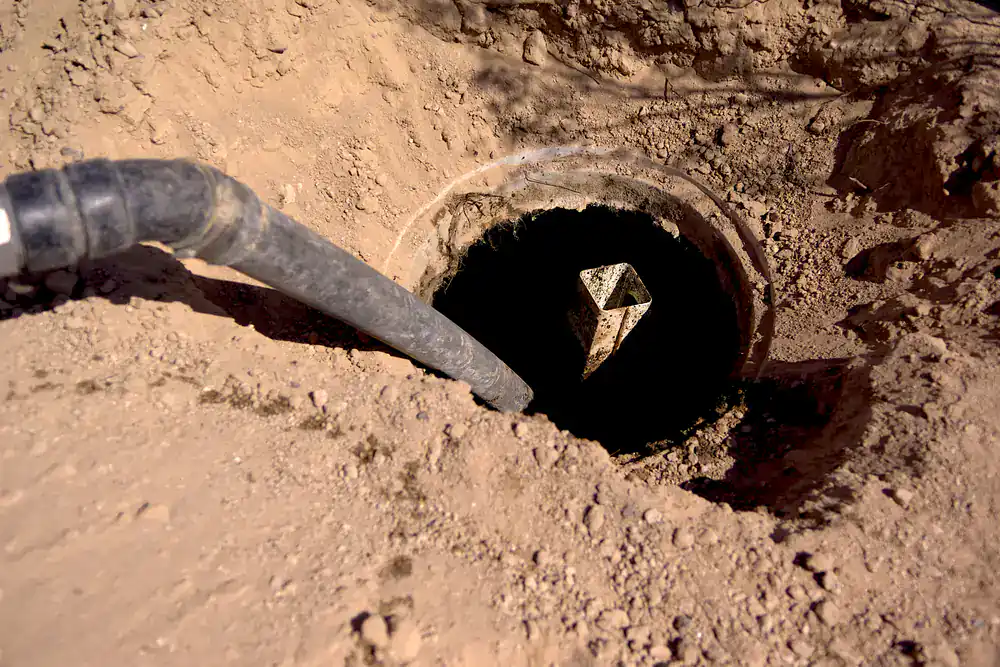
Locating hard-to-find cesspools and septic tanks is something we specifically handle. The process typically involves probing the yard and using the home’s plumbing layout as a reference point to narrow down where the tank is likely positioned. Once it’s located, the lid is excavated and the system is accessed for service. If the lid is buried deep enough that excavation adds to the overall cost, that will be discussed with you before any digging starts. The goal is to give you a clear picture of what’s involved before the work begins, not after.
Routine septic tank pumping does not require a homeowner permit in Lindenhurst. The regulatory requirement falls on the contractor, not the property owner specifically, the company performing the work must hold a valid Suffolk County Liquid Waste License under Chapter 563, Article VII of the county code. That license requires the contractor to have at least five years of verified trade experience in the relevant field and to own a dedicated pump and vacuum truck. It also requires proper disposal of septage at a licensed treatment facility not just pumping and hauling to an unlicensed site.
Where permitting becomes relevant for homeowners is if a system needs to be replaced or significantly upgraded. Suffolk County’s 2019 regulatory change means that a failed cesspool can no longer be replaced in kind any replacement must meet current standards, which often means upgrading to a more advanced system. If you’re at the point where replacement is on the table, that process does involve permits and health department approval. For routine pumping and maintenance, though, your responsibility is simply to hire a licensed contractor. We carry the required Suffolk County credentials and handle legal disposal as part of every service call.
Hear from Our Customers
Most Lindenhurst homeowners don’t think about their septic system until something goes wrong. A slow drain, a smell near the yard, or a soggy patch of grass that shouldn’t be wet by the time those signs show up, the system has usually been struggling for a while. Getting ahead of it means you’re not scrambling. It means your home inspection goes smoothly, your yard stays clean, and you’re not looking at a five-figure repair bill because a drainfield failed that routine maintenance could have protected.
For homes near the American Venice canal district or anywhere south of Montauk Highway, this matters more than it does in most places. The water table in Lindenhurst doesn’t just respond to rain it moves with the tides. High tides push groundwater up against cesspool rings and drainfield soil on a regular basis, which reduces how effectively the system can process waste and accelerates sludge buildup. A system that might go three to four years between pump-outs in an inland community may genuinely need attention every one to two years here.
Add the fact that most Lindenhurst homes were built around 1957, and you’re dealing with underground infrastructure that’s been in continuous use for 60 to 70 years. That’s not a reason to panic it’s a reason to stay on schedule. A properly maintained older system can keep working well. One that’s been ignored is a different story entirely.
We’re based in West Babylon which shares a border with Lindenhurst. When you call for service, our crew isn’t routing from across the county or dispatching from a regional hub. We’re minutes away, in the same South Shore environment, familiar with the same tidal conditions, the same aging housing stock, and the same tight canal-side lots that define Lindenhurst.
We bring over 30 years of hands-on experience with Long Island’s specific cesspool and septic landscape. That means we’ve worked on systems installed in the 1950s, found buried lids under decades of landscaping, and assessed systems in flood-prone neighborhoods that needed more than just a standard pump-out. We know what we’re looking at when we open a 60-year-old cesspool ring in a Lindenhurst backyard.
Our approach is straightforward: assess what’s actually there, do what the system needs, and tell you plainly what we found. No unnecessary recommendations, no inflated charges for simple jobs. You get a free estimate upfront and a crew that won’t leave until the work is done right.
It starts with a call. You describe what you’re dealing with routine maintenance, a slow drain, a smell, or just an unknown history on a home you recently bought and we’ll give you a free estimate before anyone shows up. No vague ranges, no “we’ll figure it out when we get there.” The price is discussed upfront.
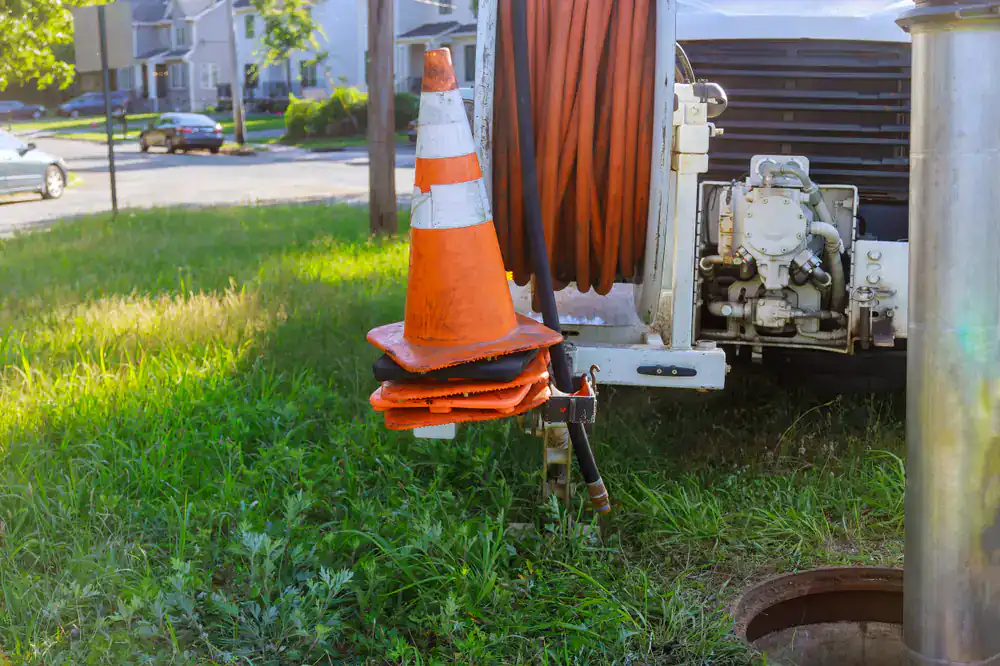
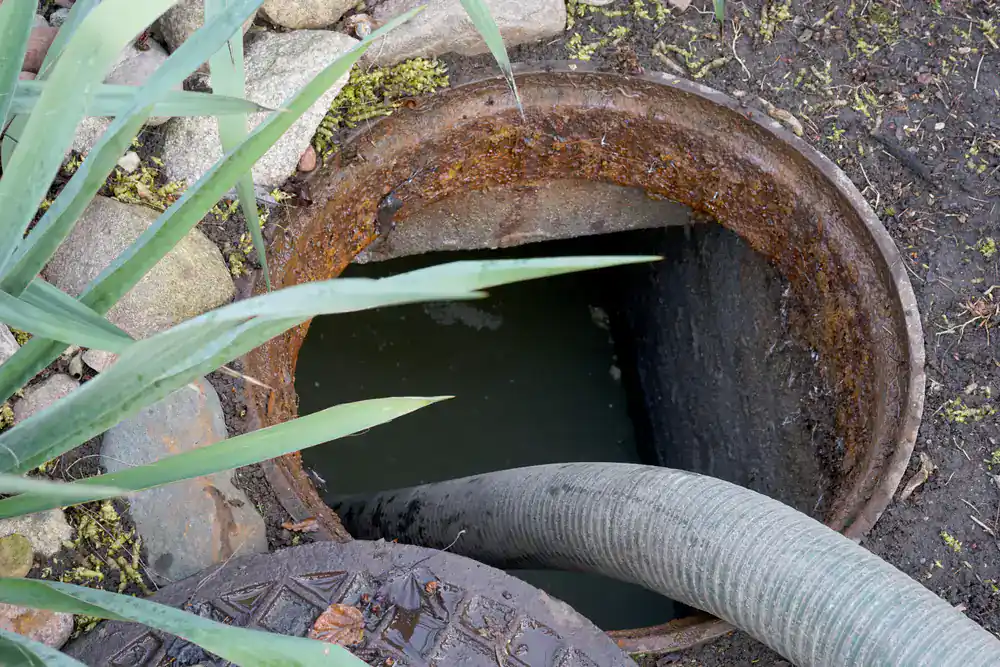
When our crew arrives, the first step is locating the tank and accessing the lid. In Lindenhurst, this is often where older homes present the first challenge lids buried under years of soil and lawn work are common, especially on properties that haven’t been serviced in a long time. We specialize in finding hard-to-locate cesspools and septic tanks, so if you don’t know where yours is, that’s not a problem. Once access is established, the tank is fully pumped out not partially, not surface-level. All accumulated sludge and waste is removed using a dedicated vacuum truck and transported to a licensed disposal facility.
After pumping, our technician will assess the system’s condition checking baffles, looking for signs of infiltration or damage, and letting you know what we found in plain terms. If something needs attention, you’ll hear about it honestly. If it doesn’t, you’ll hear that too. For Lindenhurst homes in flood-prone areas, this inspection step is particularly important repeated flooding events can compromise lids and tank integrity in ways that aren’t visible from the surface.
Ready to get started?
Septic tank pumping is the core of what brings most Lindenhurst homeowners to us, but it’s rarely the only thing a home needs. Older properties in this area particularly those built during the postwar boom that defined Lindenhurst’s growth often have multiple components that need attention at the same time: drywells that haven’t been cleaned in years, house traps that are corroding, main sewer lines that have shifted or partially blocked over decades of use. We handle all of it under one roof, so you’re not coordinating between three different companies to get a complete picture of what’s going on underground.
For residential properties, that includes drain cleaning, drywell cleaning, house trap replacements, main sewage line cleaning and replacement, and cesspool or septic installation when a system has reached the end of its service life. For commercial properties along the Sunrise Highway or Montauk Highway corridors, we also provide holding tank pumping. All work is performed under Suffolk County’s Liquid Waste License requirements, which mandate verified trade experience and the use of a dedicated pump and vacuum truck not subcontracted equipment.
One thing worth knowing if you’re in a flood zone: Suffolk County no longer allows in-kind cesspool replacement. If a system fails and needs to be replaced, it must be upgraded to meet current standards. We can walk you through what that means for your property before you’re in a position where the decision is urgent.