By submitting you consent to receive service-related texts from Drastic Drainage. Reply STOP to opt out. Msg & data rates may apply. Consent not required to book service.
Useful Links
A cesspool sized for three people year-round doesn’t automatically handle eight people through a Hamptons rental season. When occupancy spikes from Memorial Day through Labor Day, systems that were already marginal get pushed past their limit fast. The result is a backed-up system during the one stretch of the year when you can least afford it lost rental income, emergency service pricing, and contractors who are fully booked because everyone else’s cesspool is failing at the same time.
Getting ahead of it changes everything. A properly installed system, sized correctly for your actual usage patterns, gives you a summer season you don’t have to worry about. No wet spots appearing in the yard the week before your renters arrive. No calls to find an available contractor on a Friday night in August.
For Southampton homeowners specifically, there’s also a financial angle that most people don’t know about. Between the Suffolk County Septic Improvement Program, New York State matching grants, and the Town of Southampton’s own $20,000 rebate program funded through the Community Preservation Fund eligible homeowners can access significant financial assistance toward a qualifying nitrogen-reducing system installation. That funding is first-come, first-served, and it doesn’t wait for your cesspool to fail before the clock starts running.
Yes, and it’s one of the most important things to understand before you start the process. Southampton Town enacted its own I/A OWTS requirement starting September 1, 2017 nearly two years before Suffolk County’s countywide ban on cesspool-only replacements took effect in July 2019. What that means practically is that depending on where your property sits within Southampton, you may be required to install a nitrogen-reducing Innovative and Alternative Onsite Wastewater Treatment system rather than a conventional cesspool or septic setup.
The town has mapped priority areas based on factors like depth to groundwater, proximity to water bodies like Shinnecock Bay and Mecox Bay, and environmental sensitivity. If your property falls within one of those zones, a standard cesspool replacement won’t meet local code you’ll need an I/A OWTS system. A contractor who only knows the countywide Suffolk County rules and not Southampton Town’s separate layer of requirements can put you in a position where your installation doesn’t pass inspection. That’s a costly mistake to fix after the fact.
Southampton homeowners have access to one of the most generous stacked funding structures on Long Island. At the county level, the Suffolk County Septic Improvement Program offers grant funding toward qualifying I/A OWTS installations. New York State provides matching grant funds on top of that. And the Town of Southampton operates its own separate $20,000 rebate program, funded through the Community Preservation Fund a 2% tax on real estate transfers in the town specifically designed to help cover the cost of upgrading to nitrogen-reducing systems, including ancillary costs like landscaping restoration.
Combined, eligible Southampton homeowners can access $45,000 or more in total financial assistance. That’s a meaningful reduction in out-of-pocket cost for an installation that might otherwise feel out of reach. The important thing to know is that this funding is first-come, first-served it doesn’t accumulate or wait. Grant disbursement goes directly to the certified installer after final inspection, so you pay only the balance. Starting the process before your system fails gives you the time to apply properly and actually capture that funding.
No not anymore. As of July 1, 2019, Suffolk County law prohibits replacing an existing cesspool with a cesspool alone. Any replacement system must include at minimum a septic tank preceding the leaching structure. In Southampton specifically, the requirements can go further than the county baseline: properties in the town’s designated priority areas particularly those near Shinnecock Bay, Mecox Bay, Georgica Pond, and other sensitive water bodies are required to install I/A OWTS nitrogen-reducing systems rather than conventional septic setups.
This is one of the most common misconceptions homeowners run into. They assume that because their neighbor replaced a cesspool ten years ago without any issue, the same option is still on the table. The regulatory landscape has changed significantly since then, and Southampton has been ahead of the curve on enforcement. The good news is that the grant programs exist precisely because the upgrade costs more and with the right contractor guiding you through the process, the net out-of-pocket cost can be substantially lower than the sticker price suggests.
The installation itself from excavation to final setup typically takes one to five days for a residential property, depending on system complexity, lot conditions, and whether the existing system needs to be decommissioned first. Most straightforward residential jobs in Southampton’s sandy South Fork soils come in at the lower end of that range. Properties with more complex conditions waterfront locations with a shallower water table near Shinnecock Bay, tight access on estate properties, or mature landscaping that requires careful excavation may take longer.
What extends the overall timeline more than the installation itself is the permit process. Cesspool installations and replacements in Southampton require permits through the Suffolk County Department of Health Services, and processing typically takes two to four weeks from submission. That’s why starting the process before your system is in active failure is so important especially if you’re trying to get a system in place before the summer rental season begins. If you’re opening a seasonal property in late May or June, the conversation with us needs to happen in March or April at the latest.
The warning signs usually show up before a full failure you just have to know what you’re looking at. Slow drains throughout the house, gurgling sounds from toilets or sinks, a sewage smell in the yard, or wet soggy patches in the grass above where the cesspool sits are all indicators that the system is struggling. In Southampton, the spring thaw is a particularly telling time: ground that was frozen through winter can mask problems that become visible as soon as the soil warms and saturates in March and April.
For seasonal properties that sit vacant through the winter, the opening inspection in spring is often when issues surface. A system that was marginal going into fall may have deteriorated further over the cold months, and the first sign is usually a drain that won’t clear or a smell that wasn’t there last season. For properties that see heavy summer use whether that’s a large family, a rental situation, or frequent guests the risk of a system being pushed past its capacity is real and worth getting ahead of before the season starts rather than after the first backup.
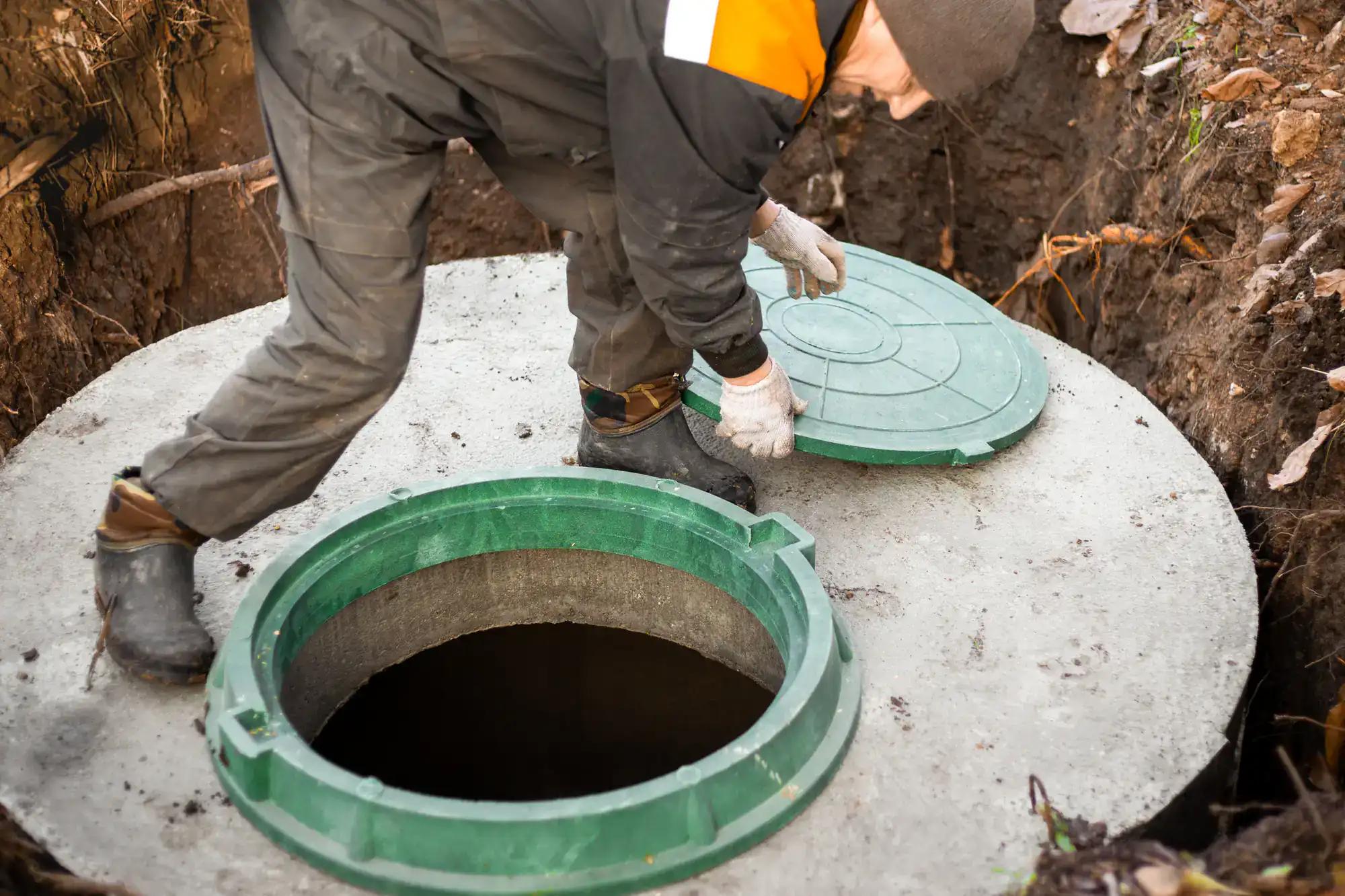
Excavation is part of the job there’s no way around that. For a standard residential installation, the excavation footprint is typically around ten to twelve feet deep and eight to ten feet wide, depending on the system being installed. That does mean a section of your yard will be disrupted during the work. What separates a professional installation from a sloppy one is what happens after the digging is done: proper backfilling, compaction, and grade restoration so the site is left in reasonable condition rather than a muddy hole.
For Southampton properties especially estate homes in Water Mill, Bridgehampton, or North Sea where landscaping represents a significant investment site restoration matters. The Town of Southampton’s $20,000 rebate program is specifically designed to help cover ancillary costs like landscaping restoration after an I/A OWTS installation, which is worth factoring into your overall cost picture. We handle the full scope of the job from excavation through final grade, and the free estimate will give you a clear picture of what the site impact looks like for your specific property before any work begins.
Free, no-obligation estimates on cesspool, sewer, and drain work.
We get there quickly. No waiting days for a callback.
Backups don’t wait for business hours. Neither do we.
Fully licensed and insured across Long Island.
Up-to-date trucks and tools for cleaner, faster jobs.
Straight quotes, no surprises on the bill.
Hear from Our Customers
A cesspool sized for three people year-round doesn’t automatically handle eight people through a Hamptons rental season. When occupancy spikes from Memorial Day through Labor Day, systems that were already marginal get pushed past their limit fast. The result is a backed-up system during the one stretch of the year when you can least afford it lost rental income, emergency service pricing, and contractors who are fully booked because everyone else’s cesspool is failing at the same time.
Getting ahead of it changes everything. A properly installed system, sized correctly for your actual usage patterns, gives you a summer season you don’t have to worry about. No wet spots appearing in the yard the week before your renters arrive. No calls to find an available contractor on a Friday night in August.
For Southampton homeowners specifically, there’s also a financial angle that most people don’t know about. Between the Suffolk County Septic Improvement Program, New York State matching grants, and the Town of Southampton’s own $20,000 rebate program funded through the Community Preservation Fund eligible homeowners can access significant financial assistance toward a qualifying nitrogen-reducing system installation. That funding is first-come, first-served, and it doesn’t wait for your cesspool to fail before the clock starts running.
We are a family-owned, fully licensed, insured, and bonded cesspool and drainage company serving Nassau and Suffolk Counties. With over 30 years of experience working across Long Island, we know what this island’s soil demands and Southampton’s South Fork geology, with its sandy composition, variable water table near the bays, and sensitivity around Shinnecock Bay and Mecox Bay, is something we’ve worked in firsthand.
Our Suffolk County Liquid Waste License LW-63684 is displayed on every page because it’s verifiable and it matters. In a market where Southampton Town’s own I/A OWTS mandate has been in place since September 2017 ahead of the countywide ban working with a contractor who knows the local regulatory landscape isn’t optional. It’s the difference between an installation that passes final inspection and one that creates problems down the line.
We serve both residential and commercial properties throughout the Southampton area, from year-round homes in Hampton Bays to estate properties in Water Mill and Bridgehampton. Free estimates are available, written and itemized, before any work begins.

It starts with a free estimate not a ballpark over the phone, but a written, itemized assessment of what your property actually needs. For older homes in Southampton Village or the surrounding estate areas, that first visit often includes locating the existing system, since many pre-1940 properties have no documentation of where the cesspool sits or what condition it’s in. We specialize in finding systems that other contractors can’t locate, which saves you from unnecessary excavation across a landscaped property.
Once the scope is confirmed, permits are handled through the Suffolk County Department of Health Services. In Southampton, that process also involves navigating the town’s own regulatory layer the local I/A OWTS requirements that apply in designated priority areas based on proximity to water bodies and depth to groundwater. Permit processing typically takes two to four weeks, and we manage that coordination so it doesn’t fall on you.
When permits are approved, the installation itself moves quickly. Most residential jobs take one to five days from excavation through final setup. We handle everything: site prep, excavation, tank and leaching pool installation, connection to your home’s sewer line, backfill, and grade restoration. Southampton’s sandy South Fork soils generally allow for efficient excavation, though waterfront and low-lying properties near Shinnecock Bay require more careful attention to water table depth during installation. Final inspection is coordinated with SCDHS before the system goes live nothing is left open-ended.
Ready to get started?
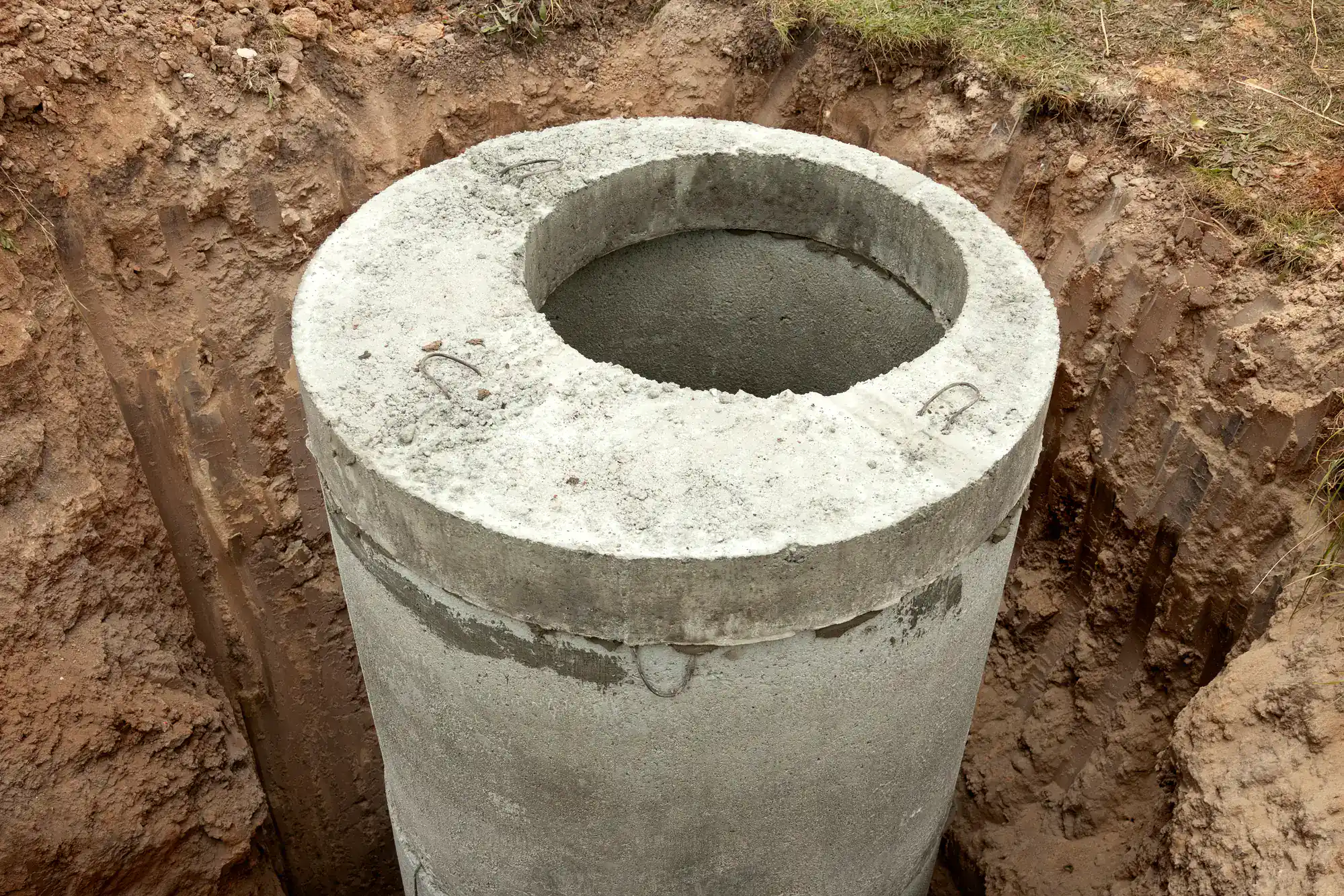
Cesspool installation in Southampton isn’t a single product it’s a system, and what that system looks like depends on your property, your location within the town, and the current regulatory requirements that apply to your specific situation. Since July 2019, Suffolk County has prohibited replacing a cesspool with a cesspool alone any replacement must include at minimum a septic tank preceding the leaching structure. For properties in Southampton Town’s designated priority areas, the requirement goes further: qualifying installations must use an Innovative and Alternative Onsite Wastewater Treatment (I/A OWTS) system that reduces nitrogen output by 70 to 90 percent compared to a conventional cesspool.
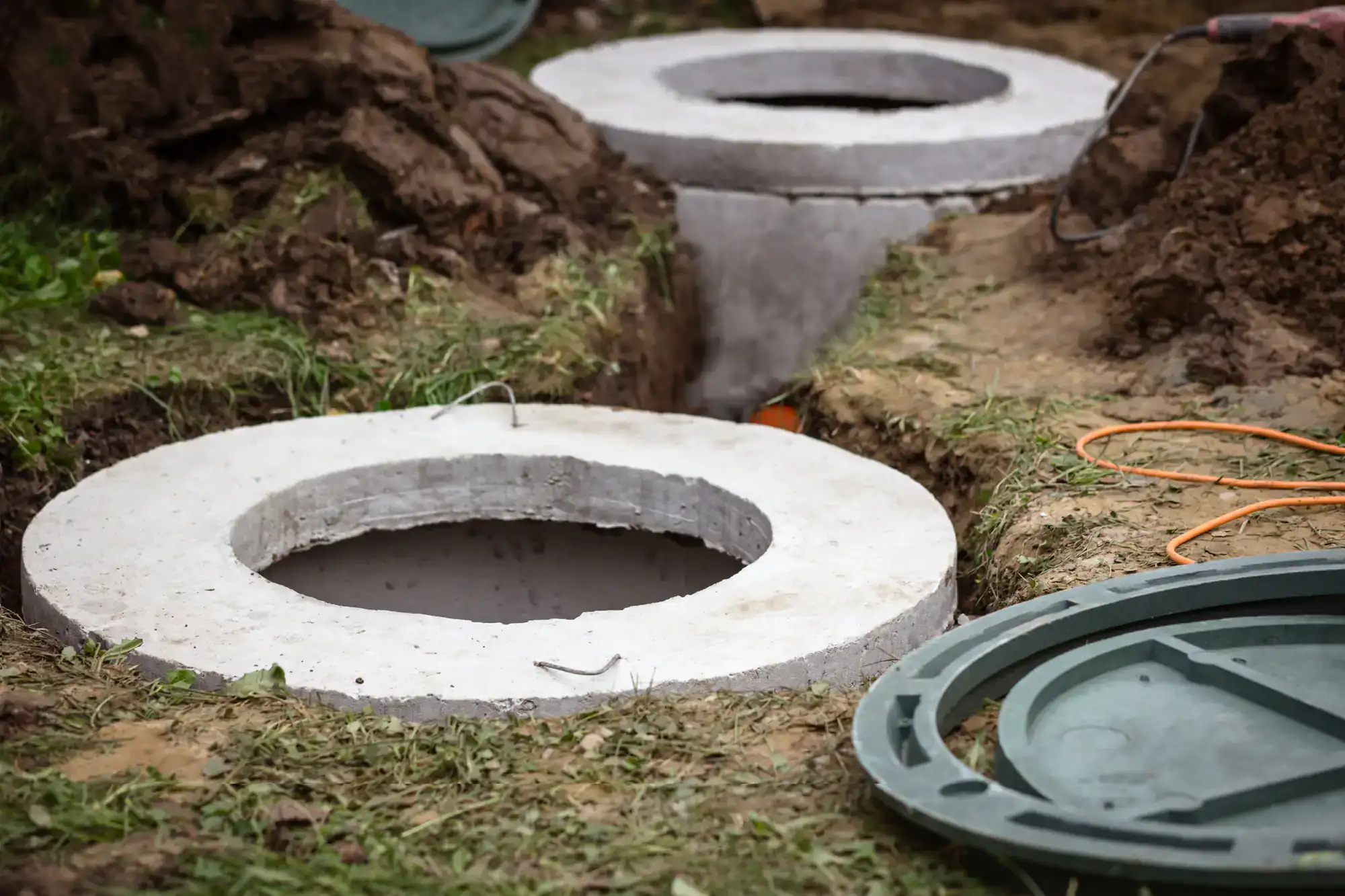
We handle the full scope of what a Southampton installation involves: cesspool ring replacement, leaching pool and drywell installation, full system replacement, and new construction installations for properties being built or significantly expanded. For estate properties in areas like Water Mill or North Sea, where large-lot setback requirements and mature landscaping add complexity, our experience with hard-to-find systems and careful site restoration matters as much as the installation itself.
If your property qualifies for the Town of Southampton’s $20,000 rebate which stacks on top of Suffolk County and New York State grant funding we can walk you through what that process looks like and what a qualifying system requires. Grant disbursement goes directly to the certified installer after final inspection, so you pay only the remaining balance. Getting that conversation started early, before the summer season, is what keeps the timeline workable.