Useful Links
Other Services we provide in Central Islip
If your home was built before 1973 which describes the majority of Central Islip’s housing stock your cesspool is almost certainly a single-chamber system. These older designs fill faster than modern septic tanks and require more frequent service. Industry guidance specifically calls out pre-1973 systems as needing pumping every one to three years, compared to the three-to-five year window that applies to newer systems.
In Central Islip specifically, that timeline can compress further. The area’s high water table and sandy soil mean groundwater can enter your system from below during wet periods, accelerating fill rates beyond what the standard schedule predicts. If your home is on the older end of that range and you haven’t had the system serviced in two or more years, it’s worth getting a look before you’re dealing with a backup rather than a routine pump-out.
For a standard residential pump-out in Suffolk County, the typical range runs from $200 to $500. The full range for more complex jobs larger tanks, difficult access, significant buildup can reach $1,234 depending on the specifics. What drives the price up is usually one of a few things: tank size, how buried or hard to locate the access point is, how full the system is at the time of service, and whether the job is scheduled in advance or called in as an emergency.
One thing worth knowing: the bait-and-switch pattern where a company quotes one price on the phone and charges more on-site is a documented complaint in this industry. If a company can’t give you a clear explanation of what the final price depends on before the truck rolls, that’s a red flag. Ask upfront what the quote covers and under what circumstances the price would change. A legitimate company will have a straight answer.
Pumping and cleaning are not the same thing, and the distinction matters more as a system gets older. Pumping removes the liquid waste and the floating solids sitting at the top of your cesspool. It’s the most common service and what most homeowners are scheduling when they call. Cleaning goes deeper it addresses the hardened sludge that settles and compacts at the bottom and along the walls of the chamber over years of use.
For a cesspool that’s been in the ground since the 1960s, as many in Central Islip have, that accumulated sludge is a real factor. A pump-out alone won’t remove it, and over time it reduces the effective capacity of your system. Whether you need cleaning in addition to pumping depends on what the technician finds when they’re on-site. We’ll walk you through what the inspection shows before recommending anything beyond the standard service.
The most obvious sign is sewage backing up into your drains or toilets but by the time that’s happening, your system is already in distress. Earlier warning signs are easier to catch if you know what to look for. A persistent sewage smell coming from your drains, especially in warmer months when heat amplifies odors, is a common early indicator. Slow drains throughout the house not just one fixture, but multiple suggest the system is near capacity. Standing water or an unusually green, wet patch of grass directly above where your cesspool is located is another sign worth taking seriously.
In Central Islip, spring is a particularly high-risk period. When the water table rises after snowmelt or heavy rain, cesspools in this area can fill faster than expected and show symptoms sooner than the calendar would suggest. If you’re noticing any of these signs in the spring months, don’t wait to see if it resolves it generally doesn’t.
This is more common than you’d think, especially in a community where the population has grown significantly in recent years and many homes have changed hands. When you buy an older Central Islip home, the cesspool’s service history doesn’t always come with the paperwork. Previous owners may not have kept records, or the records may simply not exist.
The right move is a baseline pump-out and inspection as soon as you can schedule it. This gives you a documented starting point you’ll know the current condition of the system, approximately how full it was when you took over, and whether there’s anything that needs attention. Suffolk County cesspool service records matter when you eventually sell the home, and starting that paper trail early is worth doing. We can handle the inspection and pump-out in a single visit and walk you through what we find.
Central Islip is an unincorporated hamlet within the Town of Islip, so there’s no separate municipal cesspool code specific to the community. The rules that apply are Suffolk County’s and they’re worth understanding. Suffolk County banned the installation of new conventional cesspools effective July 1, 2019. If your existing system fails and needs full replacement, it must be replaced with an Innovative/Alternative Onsite Wastewater Treatment System, known as I/A OWTS. These systems are significantly more expensive than a conventional cesspool full replacement costs can run $20,000 to $40,000 or more.
Any cesspool contractor working legally in Suffolk County must hold a Suffolk County Consumer Affairs license and meet the LILWA certification requirements for septic pumping and cleaning under Article VII of the Suffolk County Code. New York State can also levy fines ranging from $250 to $2,000 for missed pump-outs or compliance failures. The practical takeaway: keeping your existing system properly maintained is far less expensive than triggering a replacement, and working with a licensed contractor means your service records will hold up if the county ever asks.
Hear from Our Customers
When a cesspool is running the way it should, you don’t think about it. No odors creeping into the house, no slow drains, no standing water in the yard after a rainstorm. That’s the goal and it’s completely achievable with the right service schedule for your specific home and system.
Here’s what most Central Islip homeowners don’t realize: the pumping schedule you read about online was written for average conditions. Central Islip doesn’t have average conditions. The community sits over a high water table in sandy soil a combination that’s been documented specifically for this inland corridor stretching through Brentwood, Central Islip, and Ronkonkoma. When the water table rises after a heavy rain or spring snowmelt, it doesn’t just threaten your basement. It pushes groundwater into your cesspool system from below, accelerating how fast it fills.
A system that might last three years under normal conditions can be in distress in half that time. Add to that the age of the housing stock. The median construction year for homes in Central Islip is 1969. That means the majority of cesspools here are single-chamber systems that have been in the ground for more than 50 years the exact type that industry guidance flags as needing service every one to three years, not the three-to-five year window that applies to newer systems.
Staying on the right schedule keeps a manageable maintenance cost from turning into a system failure.
We’re a family-owned cesspool and drainage company based in West Babylon about 10 to 12 miles from Central Islip, well within the same Suffolk County soil conditions, the same water table behavior, and the same county regulations that affect every home in this area. This isn’t a national chain routing calls through a call center. It’s a local operation with over 30 years of experience working specifically on Long Island systems.
That experience matters in Central Islip. The cesspools under the 1960s ranches and split-levels near Carleton Avenue and Lowell Avenue are not the same as a newer system installed in a different era under different standards. They behave differently, fill differently, and need to be serviced by someone who recognizes the difference. We’ve been doing exactly that across Nassau and Suffolk Counties for decades and we’re available 24 hours a day, seven days a week, including when something goes wrong on a Sunday night.
The process starts with a call. When you reach out to us, a real person picks up not a voicemail, not a callback queue. You’ll get a straight answer about scheduling and what to expect before anyone shows up at your door.
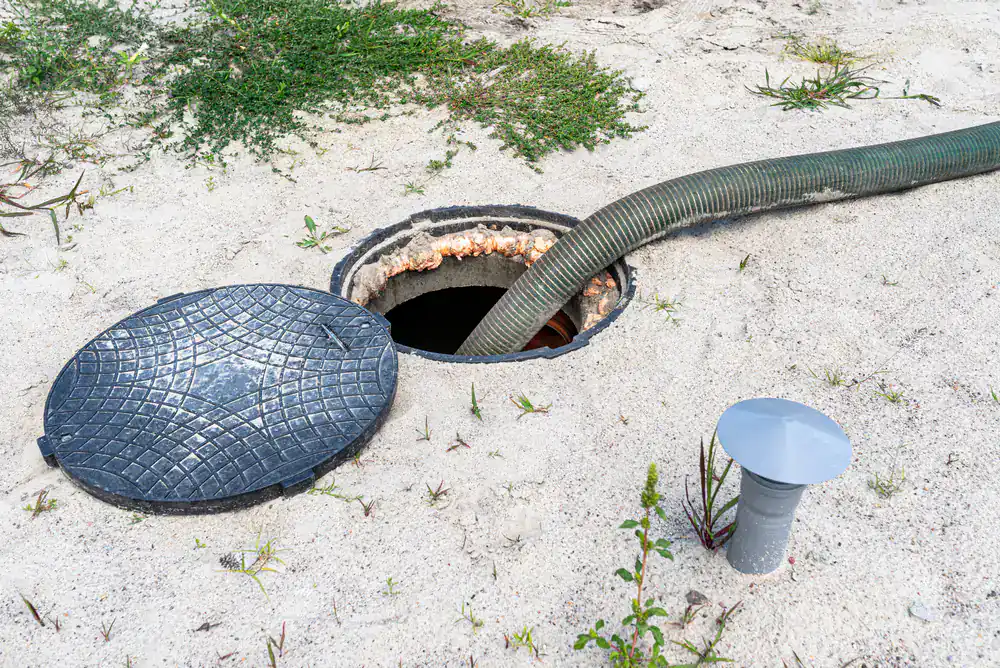
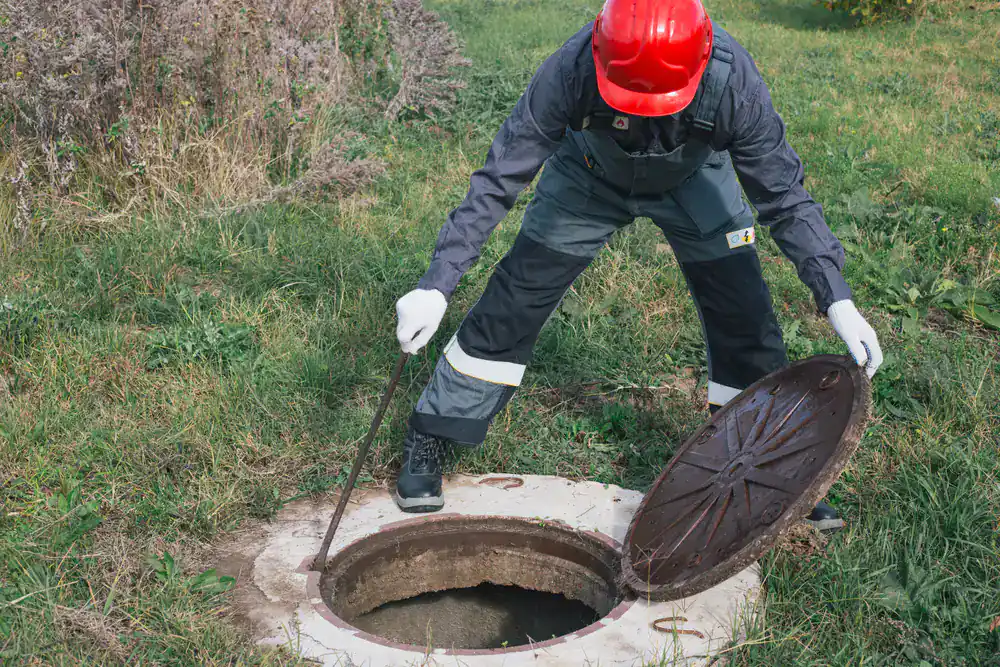
When our crew arrives, the first step is locating the cesspool access point. In Central Islip, where a large portion of the housing stock dates to the 1960s, this isn’t always straightforward. Records get lost, covers get buried, and previous owners don’t always leave documentation. We specialize in locating hard-to-find cesspools it’s a real skill in a community with homes this age, and it’s something we’re specifically equipped to handle.
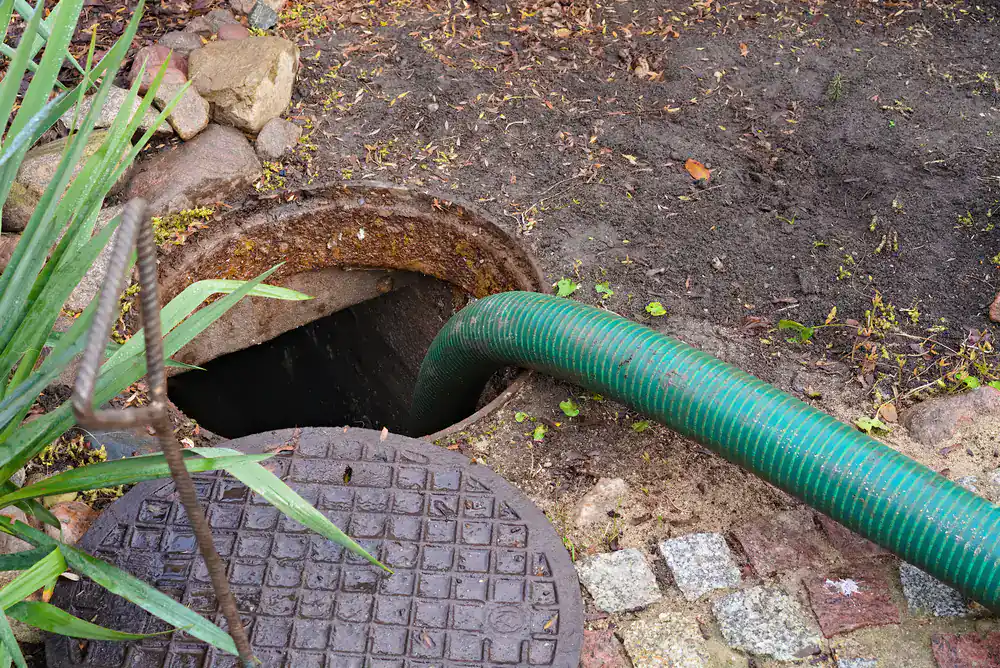
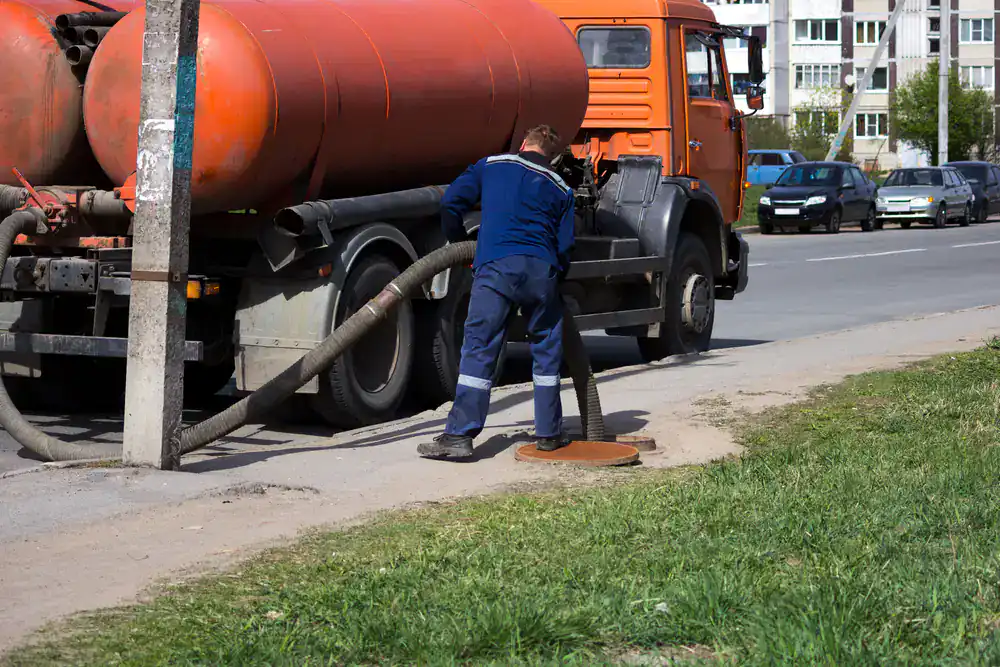
Once access is confirmed, we pump the accumulated waste using a tanker truck, clear the system, and inspect what’s visible for any signs of concern. After the work is done, you’ll know what was found and what, if anything, warrants attention.
Suffolk County cesspool regulations apply to every home in Central Islip there’s no separate municipal code here since the community is an unincorporated hamlet under Town of Islip and Suffolk County jurisdiction. If your system ever reaches the point of needing replacement, that replacement must meet the county’s I/A OWTS standards under rules in effect since July 2019. Keeping your existing system properly maintained is the most straightforward way to avoid that conversation for as long as possible.
Ready to get started?
We handle the full range of cesspool and drainage needs residential pump-outs, cesspool cleaning, drain cleaning, septic pumping, and full system installation when it comes to that. For Central Islip homeowners, that scope matters because a 50-plus-year-old cesspool rarely has just one thing going on. Being able to pump, inspect, and advise on next steps without sending you to a different contractor is a genuine convenience.
There’s also a distinction worth understanding between pumping and cleaning. Pumping removes the liquid and floating waste from your system. Cleaning goes further it addresses the hardened sludge that accumulates along the walls and bottom over time, the kind that builds up in a system that’s been in the ground since the Johnson administration. Many homeowners don’t know what they’re actually getting when they book a service call. We’ll tell you exactly what the job involves before it starts.
For Central Islip’s commercial and institutional properties whether that’s a business near the Cohalan Court Complex on Carleton Avenue or a rental property on a residential block we offer commercial cesspool service as well. Commercial systems operate on tighter schedules than residential ones, and we have the equipment and availability to handle recurring contracts and larger systems without disrupting your operations.