By submitting you consent to receive service-related texts from Drastic Drainage. Reply STOP to opt out. Msg & data rates may apply. Consent not required to book service.
Useful Links
Huntington Bay sits on East Neck, surrounded by Huntington Harbor on one side and the Long Island Sound on the other. Nearly half the village’s total area is water. That’s not just a scenic fact it’s the reason your cesspool works harder than systems in inland communities.
When spring rains come, when a nor’easter rolls through, or when tidal conditions push the water table up, the soil around your system has less room to drain. A cesspool that’s running close to capacity under normal conditions can back up fast when the ground around it is already saturated.
Getting your system pumped on a regular schedule isn’t just good maintenance here it’s the difference between a routine service call and an emergency on a stormy weekend. Homes in Huntington Bay that stay ahead of the fill cycle avoid the kind of backups that show up as sewage odors in the house, slow drains that won’t clear, or standing water in the yard that shouldn’t be there.
There’s also a bigger picture worth knowing. The NYSDEC has actively funded water quality restoration in Huntington Harbor, and local research has specifically identified cesspool nitrogen loading as a primary driver of algae blooms and water quality degradation in the bay. When you keep your system properly maintained, you’re not just protecting your home you’re protecting the water that defines this village.
For most Huntington Bay homes, every one to three years is the realistic range and the coastal conditions here push that toward the more frequent end of the spectrum. The high water table along the North Shore, combined with the storm surge exposure that comes with living on East Neck, means your system is working under more stress than a comparable system in an inland Suffolk County community. When the surrounding soil is saturated from spring rains or a nor’easter, a cesspool that’s running at 60 or 70 percent capacity can behave like one that’s completely full.
Household size matters too. A family of four generates significantly more wastewater than a couple, and older single-chamber cesspools which make up a large portion of the systems in Huntington Bay given the village’s housing stock age fill faster than modern two-chamber septic tanks. If your home was built before 1970 and you’re not sure when the system was last pumped, treating that as an overdue service is the right call, not a precaution.
For a standard residential pump-out in Suffolk County, the typical range runs from $200 to $500, with the full range for more complex jobs extending from $308 to $1,234 depending on tank size, access difficulty, and how much waste has accumulated. A 1,000-gallon tank generally falls in the $225 to $400 range; a 2,000-gallon tank runs $400 to $600 or more.
What drives the cost up is usually access difficulty a buried cover that needs to be located and dug out, a system that hasn’t been serviced in years and has significant hardened sludge, or a job that requires additional inspection work. Emergency pumping also commands a premium over a scheduled service call. The best way to keep costs predictable is to stay on a regular pumping schedule rather than waiting until the system is in distress, which almost always makes the job more involved and more expensive.
This is one of the most common calls we receive from North Shore communities, and Huntington Bay is particularly susceptible to it. When heavy rain saturates the ground or when a storm surge off the Long Island Sound elevates the water table the soil around your cesspool loses its ability to absorb the liquid the system is trying to drain. The cesspool fills from the outside in, essentially, and the system backs up even if it was functioning normally the week before.
It’s not a sign that your system is broken. It’s a sign that the water table temporarily overwhelmed the system’s drainage capacity. The solution is to have the system pumped to restore capacity, and then to think about how close to full the system was running before the storm hit. A system that’s regularly pumped has more buffer to absorb those high-water-table periods without backing up. A system that’s been running near capacity for a year or two doesn’t have that buffer, and the first significant storm event exposes it.
This comes up more often than you’d think in Huntington Bay, where a significant portion of the housing stock dates to the 1940s, 1950s, and 1960s. Cesspool location records from that era are often incomplete, filed with a county office that’s hard to navigate, or simply never documented in a way that transferred with the property. If you bought an older home and the previous owners didn’t leave you a diagram, you may genuinely have no idea where the system is buried.
A few starting points: the Suffolk County Department of Health Services may have records on file for your property, particularly if the system was installed or modified after certain permit requirements went into effect. Your local village building department is another option. If the records don’t exist or aren’t useful, we can locate the system using probing techniques and knowledge of where systems were typically placed relative to the house during different construction eras. We specifically call out expertise in hard-to-find cesspools it’s not a universal skill, and in a village like Huntington Bay, it’s one worth having on your side before the truck arrives.
They’re related but not the same, and the difference matters depending on what your system actually needs. Pumping removes the liquid and floating solids from the cesspool it’s the standard service most homeowners schedule on a routine basis. Cleaning is more thorough: it involves removing hardened sludge that has built up on the walls and floor of the system over time, and it typically includes a sewer inspection as part of the process.
For a system that’s been on a regular pumping schedule, a routine pump-out is usually sufficient. For a system that hasn’t been serviced in several years or one that’s showing signs of reduced drainage capacity, odor, or slow recovery after pumping cleaning is likely the more appropriate service. In Huntington Bay, where older single-chamber cesspools are common and some systems may have gone years without any service, it’s worth having a technician assess the system’s condition before assuming a standard pump-out covers what’s needed. Getting the right service the first time is more cost-effective than pumping a system that actually needed cleaning.
Suffolk County has compliance requirements tied to cesspool and septic system maintenance, and the state can issue fines ranging from $250 to $2,000 for missed pump-outs or failed compliance reporting. Beyond the regulatory side, written service records have a very practical value for Huntington Bay homeowners specifically: when you sell a home in this market where median prices run from $1.3 million to over $2 million buyers and their attorneys routinely request cesspool maintenance documentation as part of the transaction. Gaps in that record can slow a closing or become a negotiating point that costs you more than the service itself would have.
The Village of Huntington Bay’s own zoning regulations require cesspool location documentation in permit applications for pools and other structures, which means the system’s records have local regulatory relevance beyond just the county level. Every service call from us comes with written documentation of what was done not as an add-on, but as a standard part of the job. That paper trail protects your home’s value and keeps you on the right side of both Suffolk County requirements and the expectations of any future buyer.
Free, no-obligation estimates on cesspool, sewer, and drain work.
We get there quickly. No waiting days for a callback.
Backups don’t wait for business hours. Neither do we.
Fully licensed and insured across Long Island.
Up-to-date trucks and tools for cleaner, faster jobs.
Straight quotes, no surprises on the bill.
Hear from Our Customers

Huntington Bay sits on East Neck, surrounded by Huntington Harbor on one side and the Long Island Sound on the other. Nearly half the village’s total area is water. That’s not just a scenic fact it’s the reason your cesspool works harder than systems in inland communities.
When spring rains come, when a nor’easter rolls through, or when tidal conditions push the water table up, the soil around your system has less room to drain. A cesspool that’s running close to capacity under normal conditions can back up fast when the ground around it is already saturated.
Getting your system pumped on a regular schedule isn’t just good maintenance here it’s the difference between a routine service call and an emergency on a stormy weekend. Homes in Huntington Bay that stay ahead of the fill cycle avoid the kind of backups that show up as sewage odors in the house, slow drains that won’t clear, or standing water in the yard that shouldn’t be there.
There’s also a bigger picture worth knowing. The NYSDEC has actively funded water quality restoration in Huntington Harbor, and local research has specifically identified cesspool nitrogen loading as a primary driver of algae blooms and water quality degradation in the bay. When you keep your system properly maintained, you’re not just protecting your home you’re protecting the water that defines this village.
We’re a family-owned cesspool and drainage company based in West Babylon, serving Nassau and Suffolk Counties. Over 30 years, we’ve worked Long Island systems with real familiarity with the conditions that define this island: the high water table along the North Shore, the older housing stock in villages like Huntington Bay, and the specific ways coastal geography affects how systems fill and fail.
One thing that sets us apart is a specialty most companies don’t advertise: locating hard-to-find cesspools. In Huntington Bay, where the average home is around 62 years old and a significant portion of the housing stock dates to the 1940s, 1950s, and 1960s, system location records are often incomplete or simply gone. If you don’t know where your cesspool is, that’s not a problem it’s a starting point.
We operate 24/7, answer real phones, and send technicians who explain what they’re doing. Reviews consistently call out specific crew members by name for being thorough, courteous, and honest. That kind of reputation matters in a community as close-knit as Huntington Bay.
It starts with a phone call and a real person picks up. You describe what’s going on, whether that’s a backup, an odor, a routine service that’s overdue, or a system you’ve never had pumped since buying the house. From there, a time is set and confirmed. No vague windows, no voicemail callbacks two days later.
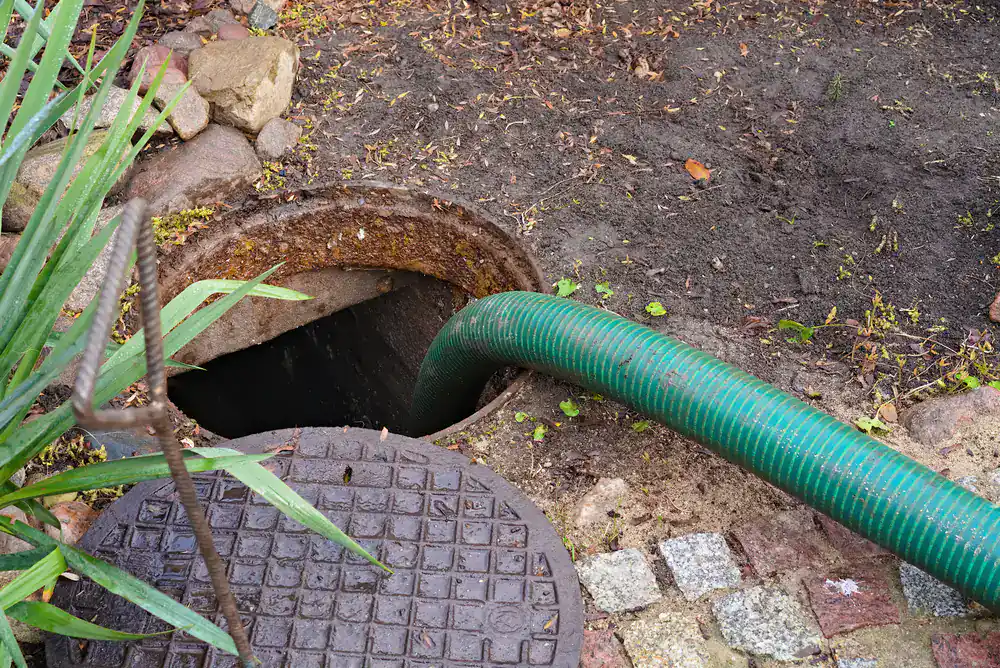
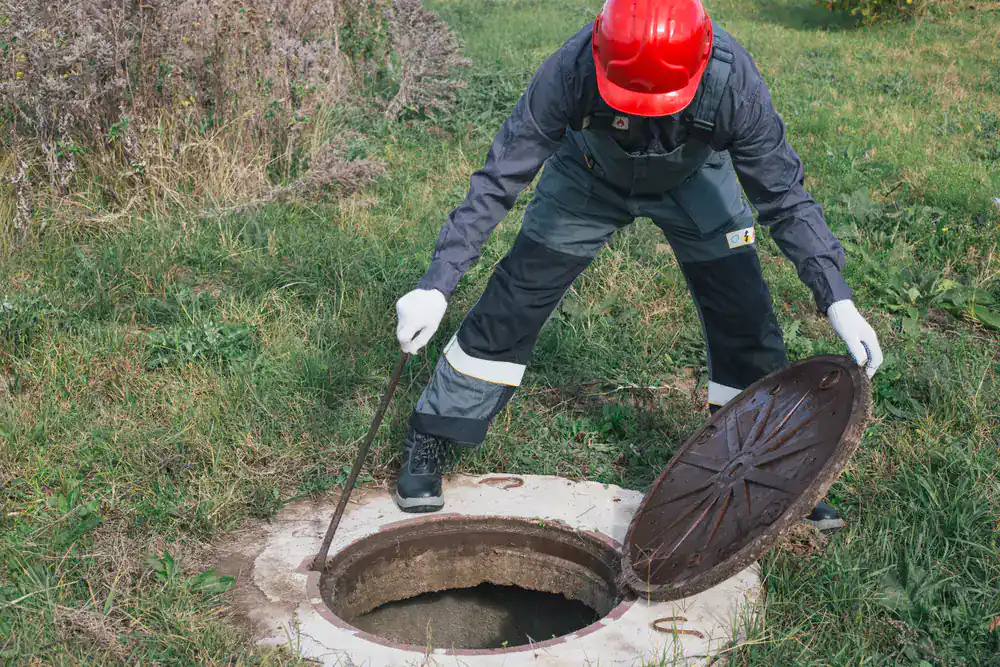
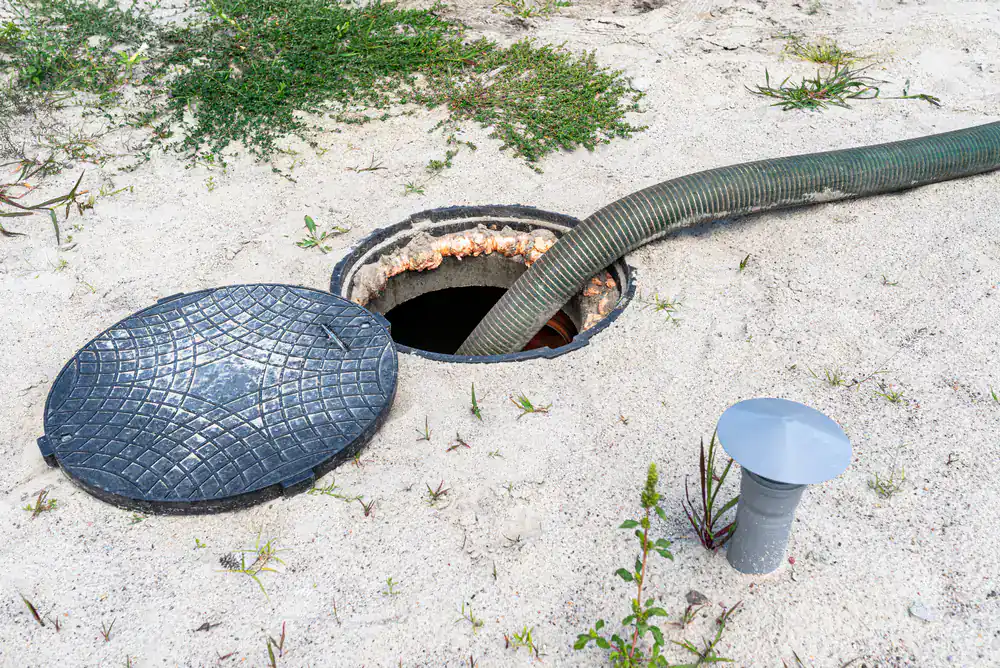
When our crew arrives, the first step is locating the cesspool access point. For many Huntington Bay homes built before 1970, that access point isn’t marked, documented, or anywhere near obvious. This is where experience with older North Shore housing stock matters. Once the system is located and opened, we assess the current fill level and condition before pumping begins. The waste is removed using a vacuum truck and transported to a licensed disposal facility this isn’t something that gets dumped locally or handled carelessly.
After pumping, we walk you through what was found. If there’s a cracked baffle, a damaged cover, or signs the system is approaching the end of its service life, you’ll hear about it directly not through an upsell pitch, but as a straightforward observation. You’ll also receive written documentation of the service, which matters more than most homeowners realize until they’re in the middle of a real estate transaction and the buyer’s attorney asks for cesspool records.
Ready to get started?
Cesspool pumping removes the accumulated liquid and floating solids from your system. Cesspool cleaning goes further it involves more thorough removal of hardened sludge from the system walls and typically includes a sewer inspection as part of the job. We perform both, and the distinction matters because many homeowners book a pump-out expecting a cleaning, or vice versa. Knowing what your system actually needs before the truck arrives means you’re not getting a partial job when a full one is what’s required.
For Huntington Bay properties, a few factors commonly shape what the job involves. Older systems especially those in homes built before Suffolk County’s 1973 cesspool regulations are single-chamber designs that fill faster and accumulate solids differently than modern systems. Coastal conditions, including the elevated water table and storm surge exposure along the North Shore, can accelerate fill rates and stress system walls in ways that aren’t always visible until the system is opened.
We also handle cesspool installation and repair, which means if a pump-out reveals a problem that goes beyond routine service, you’re not starting the contractor search over from scratch. The same team that pumped your system can assess what comes next whether that’s a repair, a cover replacement, or a conversation about Suffolk County’s I/A OWTS requirements for any system that needs full replacement.