Useful Links
Other Services we provide in Middle Island
For most Middle Island households, every one to three years is the right window but household size and water usage both affect that timeline. A family of four will fill a system faster than a couple, and older single-chamber cesspools fill faster than modern septic tanks because of how they’re designed. If you’re in a home built before 1970, which describes a large portion of Middle Island’s housing stock, your system is likely a traditional cesspool rather than a modern septic tank, and the one-to-three-year range is a realistic target.
Middle Island’s position above the Central Pine Barrens aquifer adds another reason to stay on schedule. The sandy soil here drains quickly, which is good for leaching but it also means there’s almost no filtration between your cesspool and the groundwater. Letting a system go too long doesn’t just risk a backup inside your home. It means more nitrogen is moving through that soil and into the aquifer. Staying on a regular pumping schedule is the most practical thing you can do to manage both risks.
The most common signs are slow drains throughout the house not just one fixture, but multiple gurgling sounds when you flush, a sewage smell coming from drains or from the yard, and wet or unusually green patches of grass above where the system sits. If you’re noticing any combination of those, the system is likely at or near capacity and needs attention soon.
One thing that catches Middle Island homeowners off guard is how quickly a system can shift from “working fine” to “backing up” after a heavy rain. The water table here sits notably close to the surface, especially above the Pine Barrens aquifer zone. When sustained rainfall raises the water table, the soil around your leaching rings becomes saturated and can no longer absorb liquid from the system. A cesspool that was at 60 or 70 percent capacity can back up into the house within 48 hours of a significant storm. If you know your system is overdue and a stretch of rain is in the forecast, don’t wait to find out what happens.
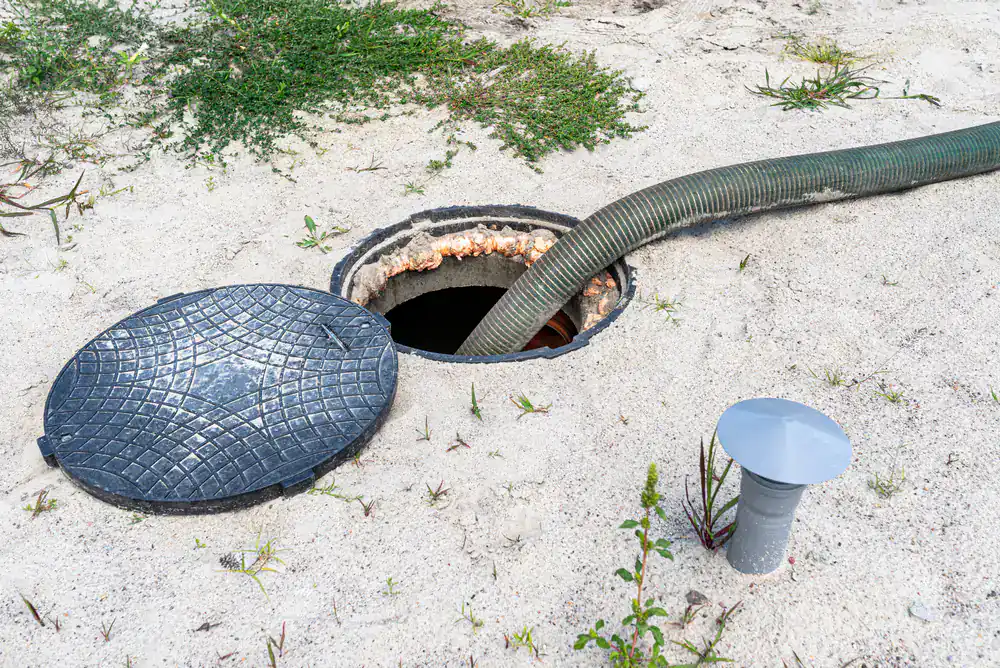
They’re related but not the same, and the difference matters when you’re deciding what to book. Pumping removes the liquid waste and floating solids from the system it’s the most common service and what most homeowners need on a regular maintenance schedule. Cleaning goes further: it involves more thorough removal of hardened sludge that has settled at the bottom of the system, along with an inspection of the system walls and components. Pumping handles the volume problem. Cleaning addresses the buildup that pumping alone doesn’t fully reach.
For most Middle Island homeowners on a routine schedule, pumping is the right call. If a system has gone several years without service, or if the technician finds significant sludge accumulation during the visit, a more thorough cleaning may be recommended. The distinction also matters because some companies use the terms interchangeably and homeowners end up paying for one thing while expecting another. When you book with us, the technician will tell you what the system actually needs based on what they find, not what generates the higher ticket.
If you don’t know where your cesspool is, you’re not alone especially in Middle Island. A large portion of the homes here were built before 1970, when cesspool installation wasn’t formally documented and systems were placed wherever the contractor decided was convenient. There are no standardized maps, and many homeowners have never seen a service record for their property. When those homeowners finally call for service often triggered by a backup or a home sale inspection the first challenge isn’t pumping. It’s finding the system.
We specifically handle hard-to-find cesspools as part of our service. Our crew uses probing tools and our working knowledge of how systems were typically installed in central Brookhaven-era construction to locate the access point without tearing up the entire yard. If you’re a new homeowner or you’ve never had the system serviced and have no idea where it is, that’s not a barrier to getting the job done. It’s just part of the call.
The short answer is that waiting costs significantly more than staying on schedule. A routine pump-out in Suffolk County typically runs $200 to $500. An emergency call the kind that happens on a weekend when sewage is backing up into the house commands a significant premium on top of that. And if the system has been neglected to the point of failure, you’re no longer talking about a pump-out. You’re talking about a full system replacement, which under Suffolk County’s 2019 ban on new cesspool installation means an Innovative/Alternative Onsite Wastewater Treatment System. Those run $20,000 to $40,000 or more, even accounting for the county’s grant program.
Beyond the cost, a failed system in Middle Island has consequences that extend past your property line. The Pine Barrens aquifer beneath this area supplies drinking water to a significant portion of Long Island. There’s no secondary water source it’s a sole-source aquifer. An overloaded or failing cesspool leaching untreated waste into that groundwater isn’t a private problem. It’s a community one. Staying on a regular pumping schedule is genuinely the lowest-cost, lowest-risk path available to you.
Yes, and Middle Island’s specific geography makes this more relevant here than in many other parts of Long Island. The hamlet sits above the Central Pine Barrens aquifer, where the water table is notably close to the surface. In spring, after snowmelt and sustained rainfall, that water table rises and when it rises far enough, it meets the leaching zone of your cesspool. At that point, the system can no longer disperse liquid into the surrounding soil, and waste has nowhere to go but back up into the house.
Spring is the highest-risk season for cesspool backups in Middle Island, and it’s also peak real estate season which means homeowners who are listing their properties are often dealing with cesspool inspections at exactly the time the system is under the most stress. Scheduling a pump-out in late fall or early winter, before the ground freezes and before the spring water table rise, gives you a clean baseline going into the riskiest months. Fall service also tends to be easier to schedule than spring, when emergency calls spike and availability tightens. If your last pump-out was more than two years ago, the calendar is already working against you.
Hear from Our Customers
Most Middle Island homeowners don’t think about their cesspool until something goes wrong. A slow drain, a smell that won’t leave the bathroom, standing water near the yard by the time you notice any of that, the system has already been telling you something for a while. Getting ahead of it isn’t complicated. It just requires actually doing it on schedule.
Here’s what that looks like in practice: no sewage smell working its way into the house, no panic call on a Sunday night, no excavation crew tearing up your yard in an emergency. A routine pump-out typically every one to three years for most Middle Island households keeps the system processing waste the way it’s supposed to and extends the life of what’s underground.
Middle Island’s soil is part of what makes this area so ecologically valuable. That same sandy, porous Pine Barrens soil means there’s almost no filtration barrier between your cesspool and the groundwater beneath it. The Carmans River starts right here its headwaters run through Cathedral Pines County Park and it’s been designated a nitrogen priority waterway by New York State. Regular pumping is the most direct thing you can do as a homeowner to reduce what your system is putting into that groundwater. It’s a practical responsibility, and it starts with a pump-out that’s probably overdue.
We’re a family-owned operation based in West Babylon, Suffolk County. Over 30 years, we’ve built a working knowledge of the conditions that make central Brookhaven different from anywhere else on the Island and that matters when you’re dealing with Middle Island’s specific challenges.
The older housing stock in Middle Island tells a particular story. Homes built before 1970 often have cesspools in locations nobody documented. There are no maps, no records, sometimes no visible covers. We’ve built a reputation for locating systems that other companies can’t find which matters a lot when you’re dealing with a pre-1970 ranch off Middle Country Road and the cesspool hasn’t been serviced in years.
When you call, a real person answers. The technicians who show up our own crew, not subcontractors have been praised by name in customer reviews for being professional, thorough, and straightforward about what they find. That’s the kind of service that keeps people calling back.

When you call us, you get a real person on the phone not a voicemail, not a callback form. You’ll get a straight answer about scheduling and a clear explanation of what the job involves before anyone sets foot on your property. One of the most common complaints in this industry is a phone quote that jumps significantly once the truck pulls up. That’s not how we work. You know what to expect before the job starts.
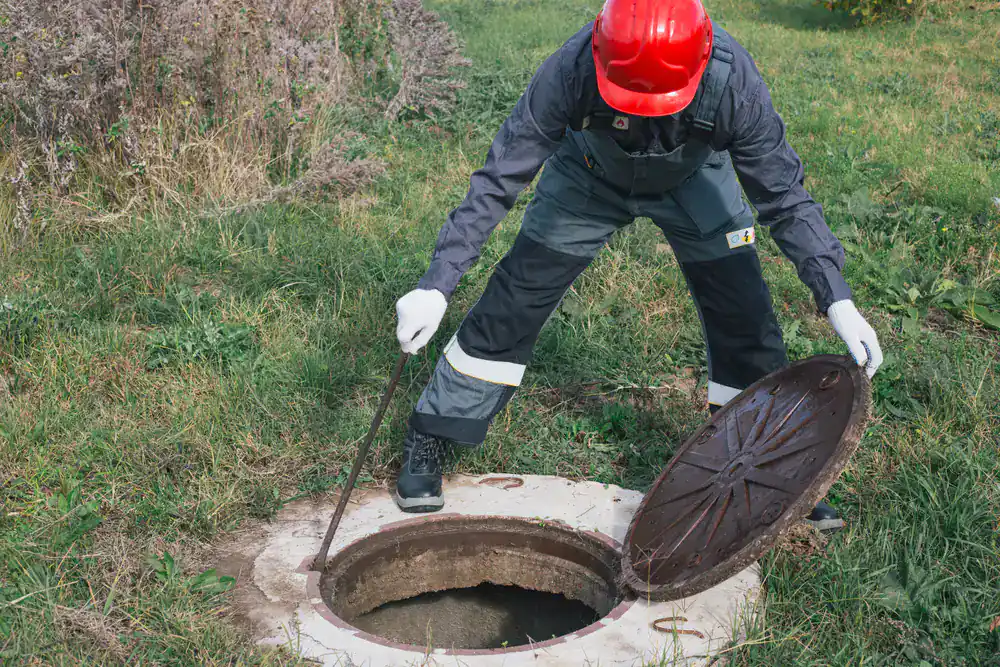
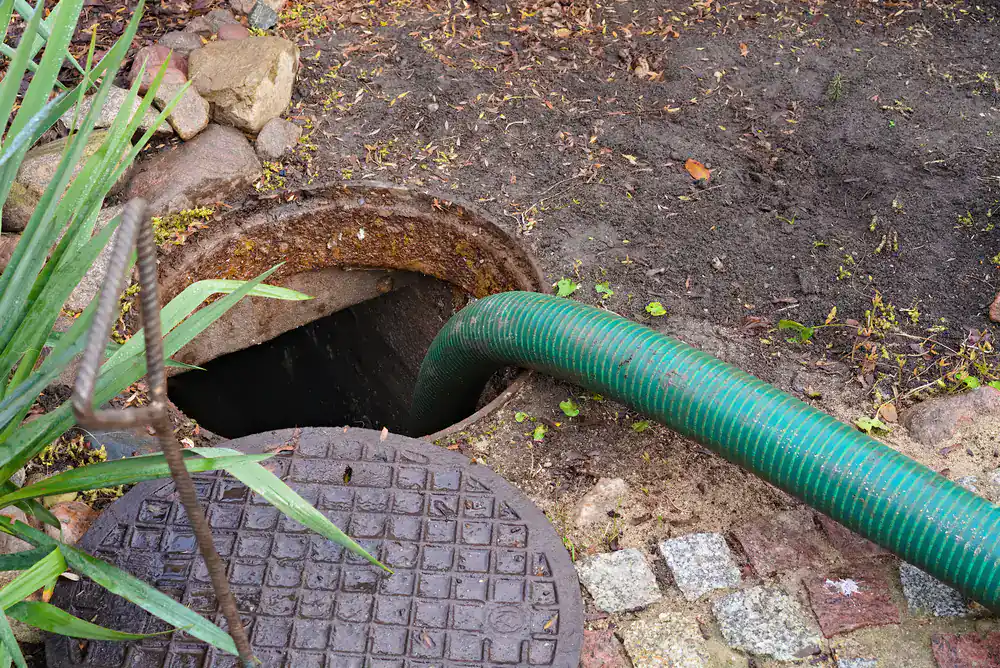
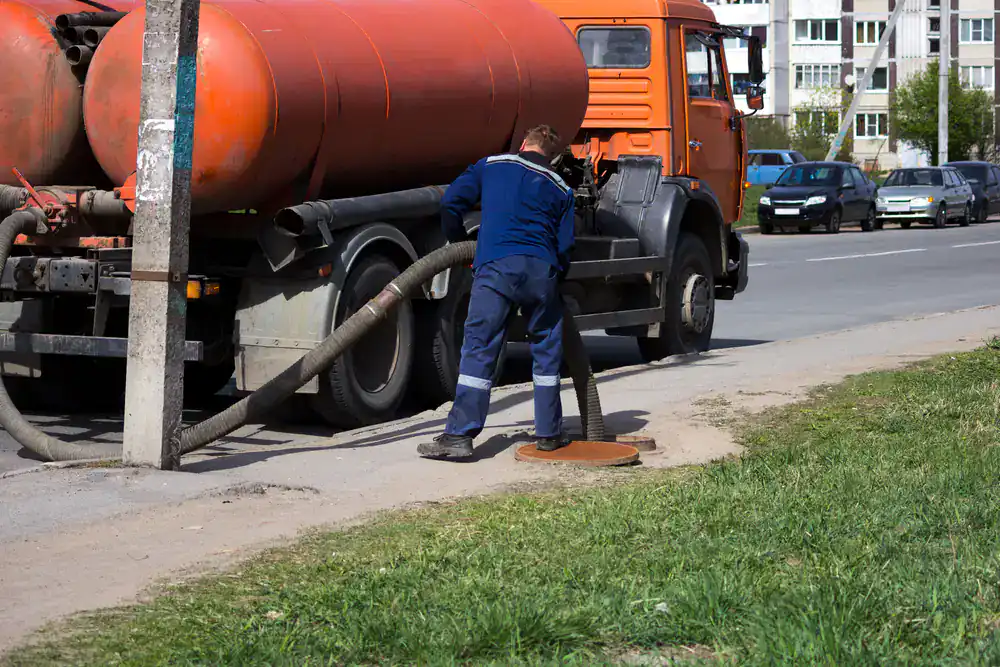
On the day of service, we locate your cesspool and if you don’t know where it is, that’s not unusual in Middle Island. A significant portion of the homes here were built before 1970, and system locations were never formally recorded. Our crew handles the locating process as part of the job. Once the system is accessed, we pump out the accumulated waste, assess the condition of the system, and tell you what we found in plain language not a sales pitch, just an honest read of what’s there.
After the work is done, you receive written service documentation. That paperwork matters more than most people realize. Suffolk County health department records track cesspool maintenance history, and when you go to sell your home, buyers’ inspectors will ask for it. A pump-out that isn’t documented is a pump-out that doesn’t exist on paper. Middle Island’s water table also rises notably after sustained rainfall spring is the highest-risk season so if you’ve been putting this off, scheduling before the ground saturates is the smarter move.
Ready to get started?
We handle the full range of residential cesspool service pumping, cleaning, inspection, repair, and full system installation. For Middle Island homeowners, that scope matters because one service visit on an older property often surfaces more than just a full tank. A cracked wall, a root intrusion, a leaching ring that’s stopped functioning these are common findings in homes built in the 1950s and 1960s, and having a company that can address them on the spot means you’re not coordinating a second contractor.
Standard residential cesspool pumping in Suffolk County typically runs $200 to $500 for a routine job. More complex situations buried covers, hard-to-access systems, or higher waste volume can run higher. What you won’t get is a low number on the phone and a different number on-site. The quote you receive reflects the actual job.
Middle Island also has a meaningful number of co-op apartment complexes and condominium communities, which require commercial-scale cesspool service with different scheduling and documentation needs than a single-family home. We serve both. And if your system has reached the point where replacement is necessary, Suffolk County banned new cesspool installation in 2019 any replacement must use an Innovative/Alternative Onsite Wastewater Treatment System. The county does offer grants up to $25,000 for qualifying upgrades, and we can walk you through what that means for your property.