Useful Links
Other Services we provide in Mount Sinai
For most residential cesspools in Mount Sinai, every one to three years is a reasonable baseline but the right interval depends on a few factors specific to your property. Household size matters: more people means more daily water use, which fills a system faster. The age and design of your system matters too. The majority of homes in Mount Sinai were built in the 1980s with single-chamber cesspools, which fill faster than modern septic tanks because they don’t separate waste the same way.
Mount Sinai’s coastal position also plays a role. The water table in lower-lying parts of the hamlet can rise significantly after heavy rain or a nor’easter, which puts additional pressure on a system that’s already near capacity. If your property is in a lower area particularly toward the eastern edge near Miller Place you may need to stay closer to the one-to-two-year end of that range rather than waiting three years. When in doubt, a pump-out and inspection will tell you exactly where your system stands.
For a standard residential pump-out in Suffolk County, most homeowners are looking at somewhere between $200 and $500. The full range across more complex jobs runs from around $308 to $1,234, depending on tank size, how accessible the system is, how much waste has accumulated, and whether the job is scheduled or emergency.
A 1,000-gallon tank typically runs $225 to $400. A 2,000-gallon tank is generally $400 to $600 or more. Emergency service the kind you need when something has already backed up commands a meaningful premium over a scheduled appointment. The most important thing to know is that the quote you get on the phone should be the number you pay. If a company gives you a price over the phone and then raises it once the truck is on-site, that’s a known pattern in this industry and a legitimate reason to walk away. We give you the real number upfront.
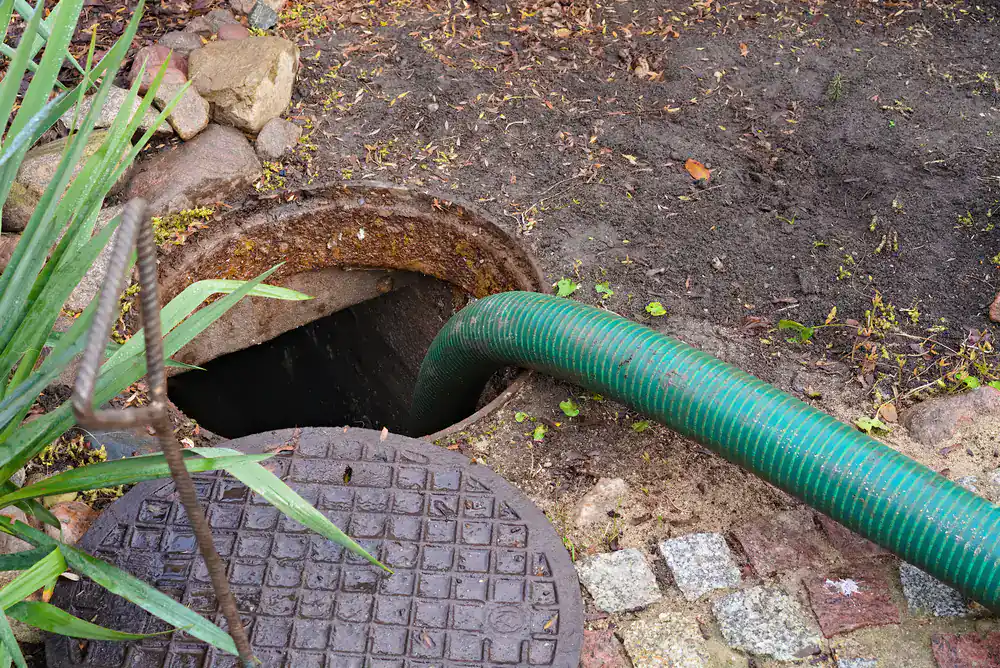
The most obvious signs are slow drains throughout the house not just one fixture, but multiple gurgling sounds from toilets or drains, sewage odors coming up through your drains or HVAC system, and standing water or unusually green, wet patches of grass over the cesspool area in your yard. If you’re noticing any of these, the system is already telling you it needs attention.
What’s worth understanding is that by the time these symptoms show up, the system is usually under real stress. In Mount Sinai, where many homes sit on wooded lots with mature trees, root intrusion can block drain lines and mimic the symptoms of a full cesspool slow drains, backups even when the tank itself isn’t at capacity. A proper pump-out and inspection will tell you which problem you’re actually dealing with. Waiting to see if it gets better on its own is almost never the right call, because the next stage is sewage backing up into the house.
In practice, yes. When a home sale is in process in Suffolk County, buyers and their inspectors routinely ask about the cesspool’s service history. If you can’t produce documentation showing when the system was last pumped and what condition it was in, it can slow down the transaction or raise concerns that complicate the negotiation.
Mount Sinai’s real estate market has been active 131 homes sold in the past year at a median price around $816,000. At that price point, buyers are thorough, and their attorneys and inspectors know to ask about onsite wastewater systems. Getting a pump-out and inspection from a licensed contractor who provides written service documentation is one of the simplest things a seller can do to keep the process clean. If you’re buying a home in Mount Sinai and the previous owners can’t show you a service record, scheduling a baseline pump-out and inspection before you move in is worth doing regardless you’ll know exactly what you have and where the system is located.
The short version is that a neglected cesspool doesn’t stay a small problem. When solids accumulate past the point where the system can process them, waste starts backing up into the house through drains and toilets, or pushing up to the surface of the yard. At that point you’re dealing with a health hazard, not just an inconvenience and the cost of the repair goes up significantly compared to what a routine pump-out would have run.
Beyond the immediate backup risk, there’s a longer-term consequence specific to Mount Sinai’s location. A conventional cesspool releases approximately 40 pounds of nitrogen per year into the groundwater even when it’s functioning correctly. When a system is overdue and failing, that output increases. Mount Sinai’s groundwater drains toward Mount Sinai Harbor and Long Island Sound the same harbor where residents boat and the same Sound that feeds Cedar Beach. New York State fines for compliance failures in this area range from $250 to $2,000. And if the system reaches the point of needing full replacement, Suffolk County now requires an innovative/alternative onsite wastewater treatment system, which runs $20,000 to $40,000 or more. A $200 to $500 pump-out looks very different next to those numbers.
This comes up more often than most people realize, especially in Mount Sinai. The hamlet has some of the oldest residential real estate on the North Shore Crystal Brook Park dates to 1892, the Historic District along North Country Road includes homes from the 1800s, and even the more common 1980s-era construction can have systems where the cover location was never clearly documented or has been buried over time.
Locating a hard-to-find cesspool is something we handle regularly. The process typically involves checking any available records first, then using probing equipment to locate the system if documentation is absent or incomplete. It adds time to the job, but it’s a solvable problem not a reason to avoid getting the system serviced. The bigger risk is assuming the system is fine because you can’t see it. In older properties especially, a system that hasn’t been located or serviced in years is more likely to be overdue than not. Once the system is found, the location gets documented so you have a record going forward.
Hear from Our Customers
When your cesspool is properly pumped and inspected, you stop guessing. No more wondering whether that slow drain is something minor or the beginning of a much bigger problem. You know where things stand, and you can move forward without that low-level worry sitting in the back of your mind.
For Mount Sinai homeowners specifically, that peace of mind carries more weight than it might somewhere else. The majority of homes here were built between the mid-1970s and the early 1990s a period when single-chamber cesspools with clay pipe lines were standard. Those systems are now old enough that cracking, root intrusion from the wooded lots that line nearly every street in neighborhoods like Mount Sinai Hills and Strathmore Woodridge, and accumulated sludge are all real possibilities. Getting a proper pump-out and inspection tells you exactly what you’re working with.
There’s also the water table factor. Mount Sinai sits on the North Shore with Mount Sinai Harbor and Long Island Sound just to the north. After a significant nor’easter or a stretch of heavy rain, the water table in lower-lying areas of the hamlet can rise quickly and a cesspool that was functioning fine can back up in a matter of hours. Staying ahead of your maintenance schedule is the simplest way to keep that from becoming an emergency on a Sunday morning.
We’ve been working on cesspools and drainage systems across Nassau and Suffolk Counties for over 30 years. That experience isn’t general it’s specific to the soil conditions, housing stock, and regulatory environment of Long Island, including the older North Shore communities in the Town of Brookhaven where Mount Sinai sits.
One thing that comes up regularly in this area is homeowners who don’t know exactly where their cesspool is. That’s especially common in older enclaves like Crystal Brook Park, where some homes date back to the late 1800s and the system documentation has been lost over decades. Locating hard-to-find cesspools is something we do routinely it’s not a special request, it’s just part of the job on Long Island.
We’re family-owned and operated, and the technicians who show up at your door are the same people customers mention by name in their reviews. That’s not a coincidence. When your reputation lives in the same communities you serve, every job matters.

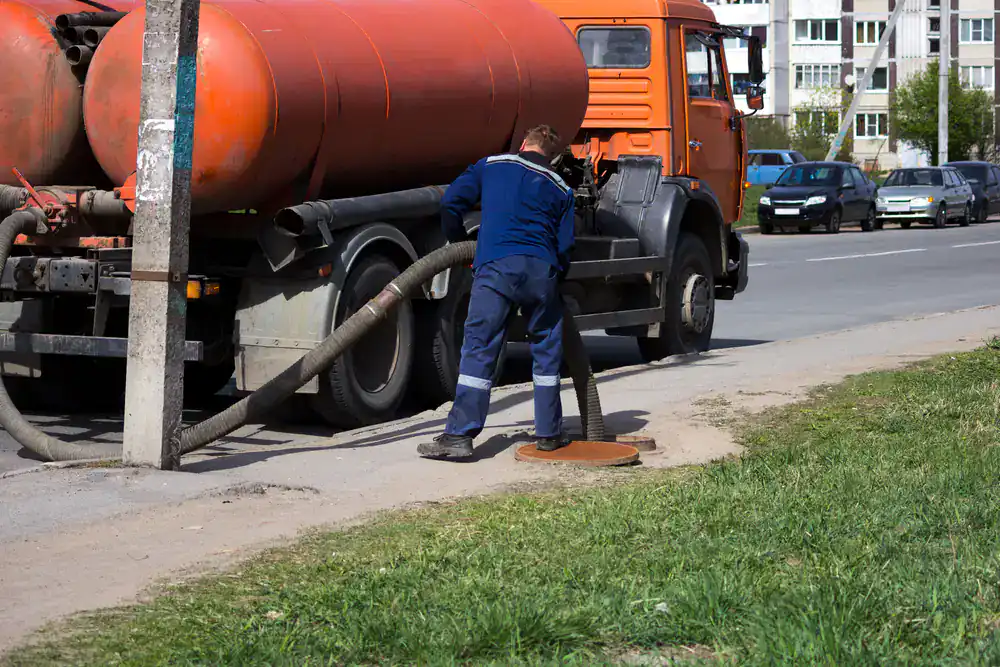
It starts with a call, and a real person answers. You’ll get a clear quote before anyone shows up at your door not a number that shifts once the truck is in your driveway. That’s a documented problem in this industry, and it’s worth saying plainly: what you’re told on the phone is what you pay.
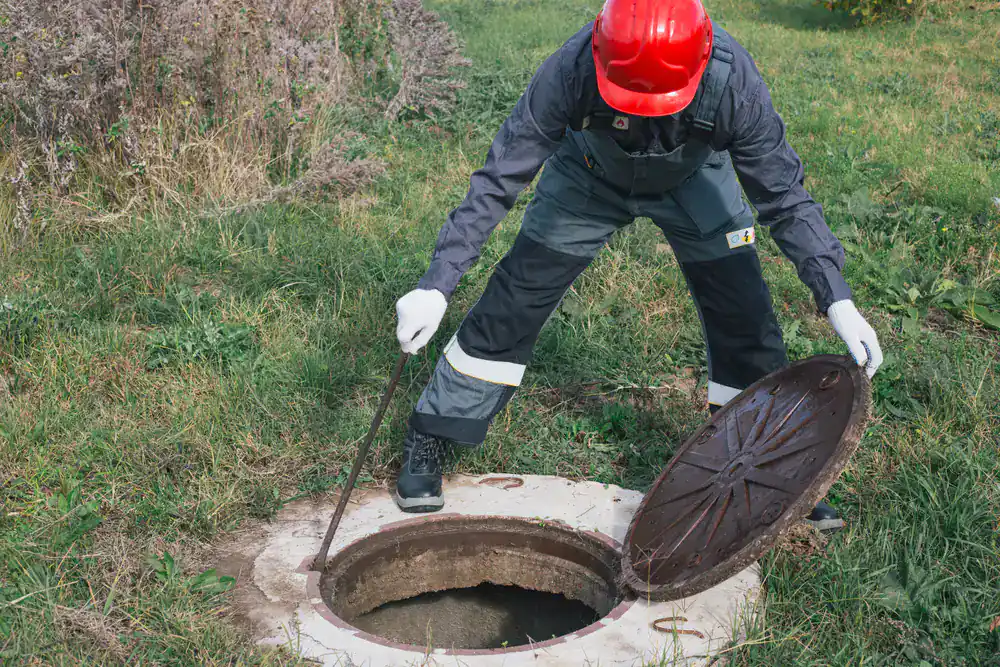
When our technician arrives, the first step is locating and accessing the cesspool. For newer homes in developments like Island Estates or The Hamlet at Willow Creek, that’s usually straightforward. For older properties especially anything built before 1970 along North Country Road or in the Historic District it may take more work to find the system if the cover location isn’t documented. We handle both situations.
Once access is confirmed, the system is pumped fully and the technician inspects what’s there. Given Mount Sinai’s wooded lots and aging clay pipe infrastructure, this inspection step matters root intrusion and cracked lines don’t always announce themselves with obvious symptoms. After the job is done, you receive written documentation of the service. That record matters if you’re planning to sell your home, and with 131 homes sold in Mount Sinai in the past year, it comes up more often than people expect. Suffolk County requires licensed contractors for this work, and we hold the necessary Suffolk County credentials.
Ready to get started?
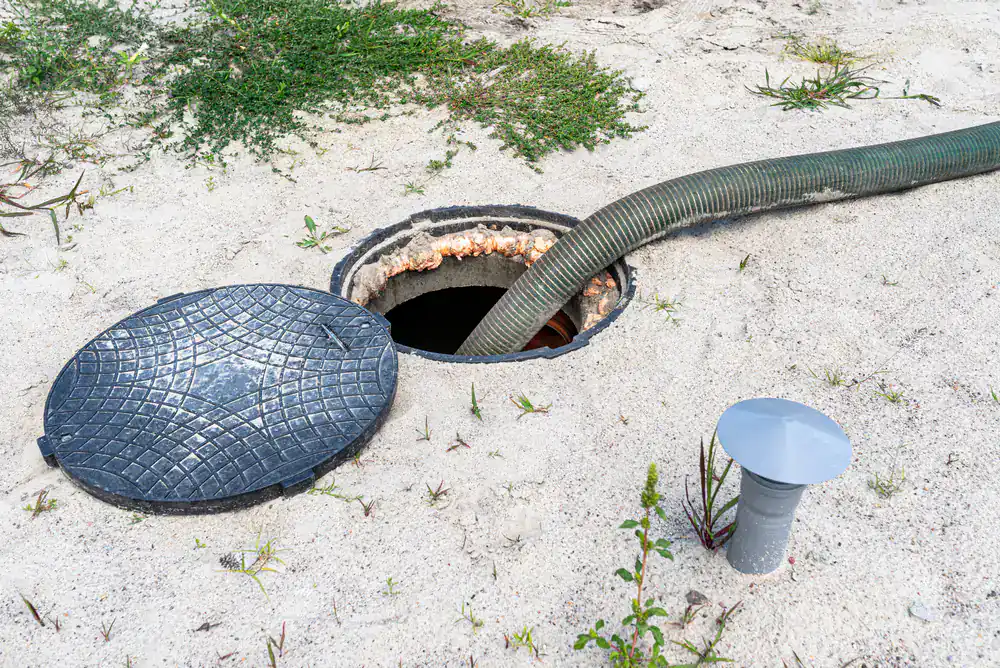
Cesspool pumping and cesspool cleaning are not the same thing, and it’s worth understanding the difference before you book. Pumping removes the liquid and floating solids from your system. Cleaning goes further it addresses hardened sludge buildup and includes a more thorough inspection of the system’s condition. Many homeowners don’t know which one they actually received until they ask. We’ll tell you exactly what was done and why.
For Mount Sinai residents, the scope of service often depends on what the system looks like when it’s opened. Homes built in the 1985 era which covers most of the hamlet have systems that may not have been serviced in years, or where the service history is unknown. In those cases, a more thorough cleaning and inspection is often the right call, not just a basic pump-out. The sandy loam soil common to this part of Suffolk County can harden around accumulated sludge over time, and the wooded character of most lots here adds root intrusion to the list of things worth checking.
If the inspection reveals a drain line issue, a cracked pipe, or a system that’s approaching the end of its useful life, you’ll hear about it clearly not through a high-pressure upsell, but as a straightforward assessment of what was found. We handle the full scope: pumping, cleaning, drain clearing, and installation if a replacement becomes necessary. Suffolk County’s current regulations require any new or replacement system to be an innovative/alternative onsite wastewater treatment system, and we can walk you through that process directly.