By submitting you consent to receive service-related texts from Drastic Drainage. Reply STOP to opt out. Msg & data rates may apply. Consent not required to book service.
Useful Links
A properly pumped septic tank doesn’t make headlines and that’s exactly the point. No soggy patches appearing in the yard. No slow drains that gradually get worse. No sewage smell creeping into the basement on a cold February morning after a nor’easter soaks the ground. That’s what routine maintenance actually buys you: a system that runs quietly in the background while you focus on everything else.
For Mount Sinai homeowners, that peace of mind carries extra weight. The rolling, wooded lots throughout this community are beautiful but they’re also where mature tree roots find their way into lateral lines, and where decades of soil accumulation quietly bury lids that were installed before anyone thought about future access. When a system goes unserviced long enough, those small complications become expensive ones.
There’s also the harbor to think about. Mount Sinai Harbor opens directly onto Long Island Sound, and researchers have documented harmful algae blooms and oxygen depletion in these waters traced directly to nitrogen loading from septic systems in surrounding communities. Keeping your system properly maintained isn’t just about protecting your home. It’s about protecting the water that makes this neighborhood worth living in.
For most Mount Sinai homeowners with a standard septic tank, every three to five years is the general guideline but the right interval depends on tank size, household size, and how much load the system handles. A family of four with a 1,000-gallon tank typically lands in the three-to-four-year range. If you have a cesspool rather than a true septic tank, that frequency shortens considerably cesspools on Long Island generally need attention every one to two years because they don’t separate solids from liquids the way a septic tank does.
The complicating factor in Mount Sinai specifically is the age of the housing stock. Many homes here were built in the 1960s, which means the systems underneath them are the same vintage. Older systems with deteriorated baffles or compromised tank walls don’t manage waste as efficiently as a newer system would, which can mean you need service more often than the standard schedule suggests. If you’re not sure when the system was last pumped or if you’ve recently purchased the home and have no service history starting with a pumping and inspection gives you a baseline to work from.
A complete pump-out means removing all accumulated sludge and scum from the tank not just the surface layer. This distinction matters more than it sounds. Some low-price operators do a partial pump and move on, which leaves waste behind and shortens the time before you need service again. A thorough job empties the tank entirely, which is what actually resets the maintenance clock.
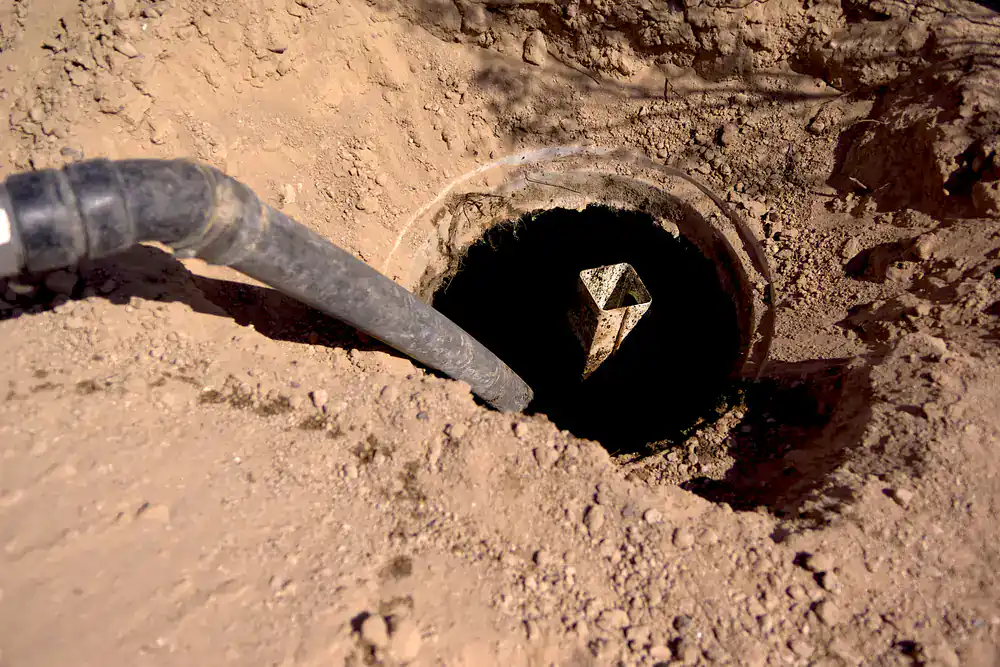
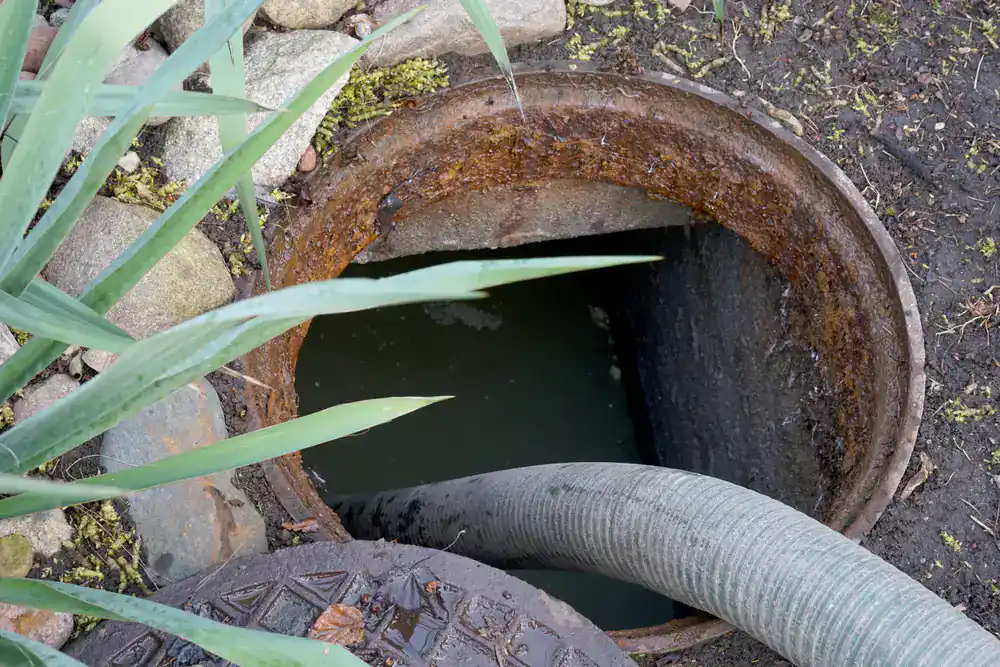
Beyond the pumping itself, a quality service visit should include locating and accessing the lid (which on many older Mount Sinai properties means excavating through years of soil buildup), inspecting the baffles and tank condition after the tank is empty, and giving you a straight report on what was found. If there’s a cracked baffle, signs of root intrusion from the mature trees common on North Shore lots, or evidence that the system is taking on groundwater, you should hear about it along with an honest assessment of what actually needs to be done versus what can wait.
This is genuinely one of the most common questions from Long Island homeowners, and the confusion is understandable. The two systems look similar from the outside and serve the same basic purpose, but they work differently and have different maintenance requirements. A cesspool is a single chamber waste flows in, liquids seep out through the walls into the surrounding soil, and solids accumulate at the bottom. A septic tank is a two-chamber system that separates solids from liquids before the liquid effluent moves to a drainfield.
In Mount Sinai, many of the homes built in the 1960s were installed with cesspools, which were the standard at the time. Newer construction particularly from the 1990s onward is more likely to have a true septic system. The fastest way to know for certain is to have a technician locate and open the system. Property records through the Suffolk County Department of Health Services may also have installation documentation if the system was permitted. Knowing which type you have affects how often you need service and what your options are if the system eventually needs replacement.
Since 2019, Suffolk County no longer allows a failed cesspool to be replaced with the same type of system. If your cesspool reaches the point where it needs to be replaced, the county requires an upgrade to a more advanced wastewater treatment system what’s referred to as an Innovative/Alternative Onsite Wastewater Treatment System, or I/A OWTS. These systems are designed to significantly reduce nitrogen output, which is directly relevant to Mount Sinai given the documented nitrogen loading issues affecting Mount Sinai Harbor and Long Island Sound.
The cost of a full system replacement is substantially higher than routine maintenance which is one of the clearest arguments for keeping up with regular pumping. A system that’s properly maintained has a much longer functional life than one that’s neglected until failure. New York State and Suffolk County have grant and loan programs available to help homeowners offset the cost of upgrading to an advanced system, so if you’re facing that conversation, it’s worth asking about what financial assistance might be available before assuming you’re bearing the full cost alone.
Yes and this is something that comes up regularly on North Shore properties. Mount Sinai’s rolling terrain and heavily wooded lots create access challenges that flat mid-island communities simply don’t have. Steep or narrow driveways, mature trees with root systems that have grown into lateral lines over decades, and lids buried under layers of landscaping are all common service complications in this area. They’re not dealbreakers, but they do require a crew that’s worked on this type of property before and knows how to handle them without turning a routine pump-out into a landscaping disaster.
We specialize in locating hard-to-find systems a specific capability that’s directly relevant to older Mount Sinai properties where the original lid location was never documented and years of yard changes have made it even harder to find. We bring the equipment and the experience to handle access challenges without unnecessary excavation or yard disruption. If you’re on a wooded lot and you’ve been putting off service because you weren’t sure the truck could even get to the tank, that’s worth a phone call to sort out before it becomes an emergency.
With homes in Mount Sinai’s 11766 ZIP code selling in the $630,000 to $715,000 range and above, a septic system in unknown or undocumented condition is a real liability at closing. Buyers purchasing at this price point are going to ask about the system and in many transactions, a septic inspection is a condition of the sale. If the system hasn’t been serviced recently, or if there’s no documentation of when it was last pumped and what condition it was in, that gap can slow down a closing or give a buyer leverage to negotiate the price down.
The straightforward move is to get the system pumped and inspected before you list. That gives you a recent service record to share, surfaces any issues while you still have time to address them on your own terms, and removes one of the most common points of friction in a real estate transaction. Given that many Mount Sinai homes are sitting on systems installed in the 1960s, having a current assessment in hand rather than waiting for a buyer’s inspector to flag something keeps you in control of the process. We handle pumping, inspection, and documentation in a single visit.
Free, no-obligation estimates on cesspool, sewer, and drain work.
We get there quickly. No waiting days for a callback.
Backups don’t wait for business hours. Neither do we.
Fully licensed and insured across Long Island.
Up-to-date trucks and tools for cleaner, faster jobs.
Straight quotes, no surprises on the bill.
Hear from Our Customers
A properly pumped septic tank doesn’t make headlines and that’s exactly the point. No soggy patches appearing in the yard. No slow drains that gradually get worse. No sewage smell creeping into the basement on a cold February morning after a nor’easter soaks the ground. That’s what routine maintenance actually buys you: a system that runs quietly in the background while you focus on everything else.
For Mount Sinai homeowners, that peace of mind carries extra weight. The rolling, wooded lots throughout this community are beautiful but they’re also where mature tree roots find their way into lateral lines, and where decades of soil accumulation quietly bury lids that were installed before anyone thought about future access. When a system goes unserviced long enough, those small complications become expensive ones.
There’s also the harbor to think about. Mount Sinai Harbor opens directly onto Long Island Sound, and researchers have documented harmful algae blooms and oxygen depletion in these waters traced directly to nitrogen loading from septic systems in surrounding communities. Keeping your system properly maintained isn’t just about protecting your home. It’s about protecting the water that makes this neighborhood worth living in.
We’ve been working on Suffolk County septic and cesspool systems for over 30 years. That’s not a number pulled from a brochure it’s the kind of experience that means our technicians can look at a 1960s-era system on a wooded North Shore lot in Mount Sinai and know exactly what they’re dealing with before we even open the lid. Or find it, which on a lot of older Mount Sinai properties is half the job.
We’re locally owned and operated, headquartered right here in Suffolk County. When you call, you’re reaching a real team not a national dispatch center routing a truck from somewhere three counties away. Technicians like Mike, Lucas, and George have been named by customers in reviews because we show up, explain what we find, and do the work completely. Our stated operating principle is simple: no unnecessary recommendations, no inflated charges for straightforward jobs. You get an honest assessment and a straight answer.
It starts with a free estimate. Before anyone shows up at your property, you know what the job is expected to cost. That’s not a small thing in an industry where the price quoted over the phone and the bill handed over at the end have a way of not matching.
When our crew arrives, the first step is locating and accessing the tank. On many Mount Sinai properties particularly the 1960s-era homes that make up a large portion of this community lids are buried under years of landscaping changes and soil accumulation. We specialize in finding hard-to-locate systems, so this part of the job doesn’t turn into a surprise add-on that doubles your bill.
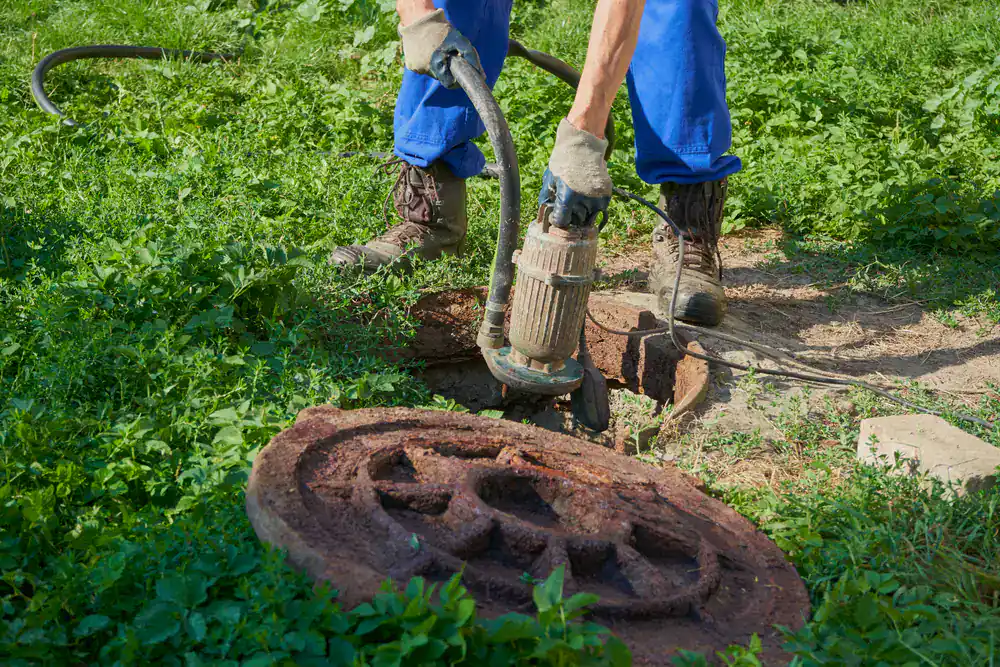
Once access is clear, we pump the tank completely not partially. All accumulated sludge and waste is removed, not just the surface layer. After pumping, our technician inspects the condition of the system: baffles, tank walls, any visible signs of infiltration or damage. You hear what was found and what, if anything, actually needs attention.
Because Mount Sinai falls under Suffolk County Department of Health Services jurisdiction, any work beyond routine pumping installations, replacements, or major repairs requires proper permitting. We’re familiar with those requirements and handle them without putting that burden on you.
Ready to get started?
Septic tank pumping is the core of what brings most Mount Sinai homeowners to call us, but it’s rarely the only thing a system needs especially on properties with aging infrastructure. We handle the full scope: septic pumping, cesspool pumping, drain cleaning, drywell cleaning, main sewage line cleaning and replacement, house trap replacements, and full system installation when a replacement becomes necessary.
That last point matters more than it used to. Since Suffolk County changed its regulations in 2019, a failed cesspool can no longer be replaced in kind it has to be upgraded to a more advanced system. If your system is showing signs of failure, knowing that upfront and having a contractor who handles both the pumping side and the installation side saves you from coordinating between multiple companies at an already stressful time.
For homeowners in Mount Sinai who are preparing to sell and with median home values in this ZIP code approaching $700,000, that’s a high-stakes transaction having a system that’s been pumped, inspected, and properly documented before listing is worth doing early. Buyers purchasing a home at this price point are going to ask about the septic system. Having a clear, recent service record is a straightforward way to keep the process clean on your end.
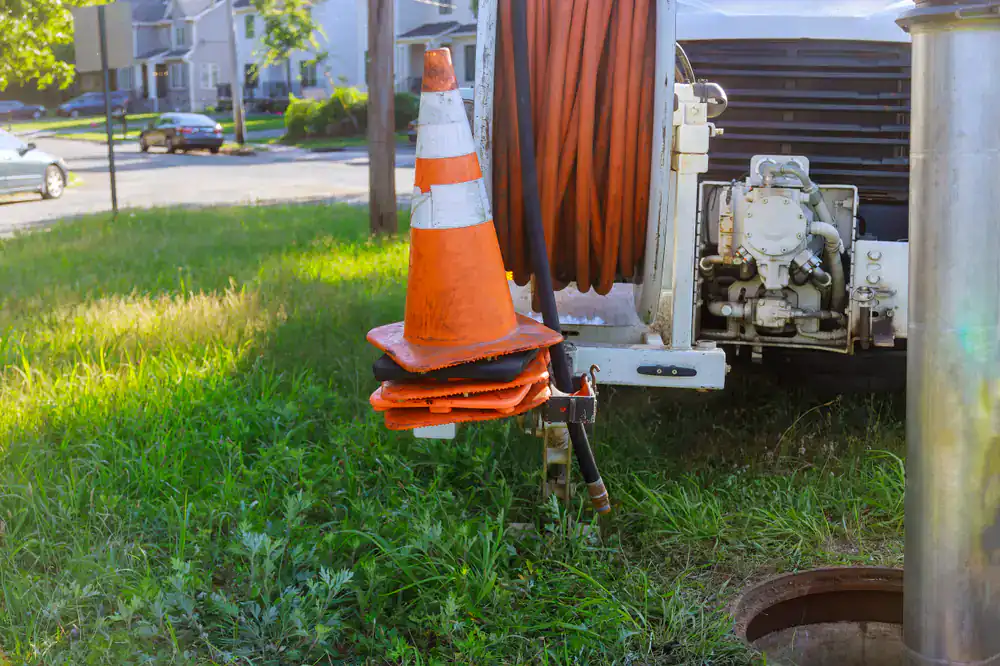
We’re available 24 hours a day, seven days a week, including weekends and holidays.