Useful Links
Other Services we provide in Nesconset
For most Nesconset homeowners, every one to three years is the realistic range and in some cases, annually is appropriate. The national guideline of three to five years applies to modern septic tanks, not to the older single-chamber cesspools that are common throughout Nesconset’s post-war housing stock. A home built in the 1960s or early 1970s along the Smithtown corridor is almost certainly sitting on an original cesspool that was designed for smaller households and lower daily water usage than what most families run today.
The sandy pine barrens soil beneath Nesconset allows liquid to drain away from the cesspool chamber relatively quickly, which can make the system seem fine longer than it actually is. But that same permeability means that when solids accumulate past a safe level, the system doesn’t give you much warning before it backs up. Household size matters too a family of four will fill a system faster than a retired couple. If you’re not sure when your cesspool was last pumped, that uncertainty is reason enough to schedule a service.
For a standard residential pump-out in Suffolk County, the typical range is $200 to $500. Where your job lands within that range depends on a few things: the size of the tank, how full it is at the time of service, whether the cover is accessible or needs to be located and excavated, and whether it’s a scheduled appointment or an emergency call. Emergency service commands a meaningful premium over a planned pump-out, which is one of the better arguments for staying on a regular schedule.
What you should watch out for in this market is the gap between a phone quote and what you’re told on-site. A low number gets you to book, and then the price shifts once the crew arrives. We give you a clear quote upfront, and the price you’re told is the price you pay for the work agreed upon. If something unexpected comes up during the job like a buried cover that requires excavation that gets communicated before the work happens, not after.
The most common signs are slow drains throughout the house not just one fixture, but multiple gurgling sounds coming from toilets or drains, a sewage smell near your yard or inside near floor drains, and standing water or unusually lush grass patches over the area where your cesspool is located. Any one of these is worth taking seriously. More than one at the same time means you should call the same day.
What makes this tricky in Nesconset is that the sandy soil conditions here can mask the problem longer than you’d expect. Because liquid drains away from the chamber relatively efficiently, the system can be significantly overloaded before you see surface symptoms. That’s exactly what happened at a Suffolk County SepticSmart Week inspection held right here in Nesconset a homeowner’s system showed no obvious external warning signs, but officials found it was weeks away from overflowing. The lesson is that the absence of visible symptoms doesn’t mean the system is fine. If it’s been more than two or three years since your last service, schedule an inspection before you need an emergency call.
Not always as a legal requirement, but practically speaking, yes you want them. Suffolk County now requires septic system inspections on a three-year cycle with mandatory reporting to the county database. If you’re selling a home in Nesconset and your system has no documented service history, that gap will surface during the buyer’s inspection process. In a tight market like this one where Nesconset East has one of the lowest vacancy rates in the country buyers are thorough, and a cesspool with no paper trail is a negotiating liability.
Since 2021, certain Suffolk County property transfers have also required cesspool upgrades to an I/A OWTS system as a condition of sale, particularly where the existing system is original, high-capacity, or located in an environmentally sensitive area. Whether or not an upgrade is required in your specific case, having a current pump-out on record with written documentation from a licensed contractor puts you in a much stronger position at closing. We provide written service records for every job, which is the documentation that actually holds up when it matters.
The system fills past its capacity and solids start blocking the outlet pipe. Once that happens, sewage backs up into your home through floor drains, toilets, or basement fixtures or it surfaces in your yard. At that point you’re no longer dealing with a scheduled maintenance call. You’re dealing with an emergency service, potential property damage, and possibly a health hazard that requires remediation beyond just pumping.
The cost difference is significant. A routine pump-out runs $200 to $500. Emergency service costs more, and if the backup has caused damage to the system itself cracked walls, a failed outlet, a collapsed leach field you’re looking at repair or replacement costs that can reach into the tens of thousands. For a Nesconset homeowner with a property worth close to $870,000, that’s not an abstract risk. It’s a real one. New York State can also issue fines between $250 and $2,000 for compliance failures related to cesspool maintenance. Staying on schedule is always the cheaper path.
Yes, and this comes up more than most people expect. In Nesconset, a large share of homes were built in the 1950s through 1970s, and original cesspool documentation from that era is often incomplete, lost, or simply never existed in a form that transferred with the property. Previous owners may have paved over the access cover, planted over it, or just never kept records. If you’ve moved into an older home in the Smithtown area and have no idea where your system is located, you’re not alone.
Locating hard-to-find cesspools is something we specifically call out as a specialty it’s not a workaround or an add-on, it’s part of the job for a company that has been working Suffolk County’s older housing stock for over 30 years. Our crew uses knowledge of typical installation patterns for homes built in that era, combined with on-site assessment, to locate the system before pumping begins. If excavation is needed to access a buried cover, that gets communicated to you clearly before any additional work starts.
Hear from Our Customers
The smell goes away. The slow drains clear up. And that low-level anxiety about what’s happening underground the kind you’ve been ignoring finally has an answer. Routine cesspool pumping is not a dramatic fix. It’s just the thing that keeps a quiet problem from becoming an expensive one.
For Nesconset homeowners specifically, that matters more than most people realize. The hamlet developed almost entirely on sandy pine barrens soil, which means liquid moves fast through the ground beneath your property. When a cesspool is overdue, contaminants don’t sit and wait they travel. Regular pump-outs keep that from happening, and they give you a written service record that means something when it’s time to sell.
With a median home value pushing $870,000 in Nesconset, the math on deferred maintenance is not kind. A standard pump-out runs $200 to $500. A system failure or a failed home inspection because of an undocumented cesspool costs multiples of that. The homes here are worth protecting. The service that protects them is straightforward.
We’ve been working on Nassau and Suffolk County cesspools for over 30 years. That experience is not a number on a website it’s the difference between a technician who knows what a 1960s single-chamber cesspool looks like after five decades of use and one who’s working from a general checklist.
We’re family-owned, based in western Suffolk County, and built around the kind of work that earns repeat calls. Technicians like George, Mike, and Lucas show up by name in customer reviews and that’s not an accident. When you call us, you’re not getting a dispatch center routing a random crew. You’re getting people who have worked this county, know its soil, and understand what the older housing stock along the Smithtown corridor actually demands from a cesspool system.
If you don’t know where your cesspool is which is common in Nesconset’s older homes that’s not a problem. Locating hard-to-find systems is something we do regularly, and it’s one of the things that sets us apart from companies that only show up when the cover is already visible.
It starts with a call. You describe what’s going on or just tell us it’s been a while and we give you a clear time window. Not a vague “sometime between 8 and 5.” A real window. Someone answers the phone, and we show up when we say we will.
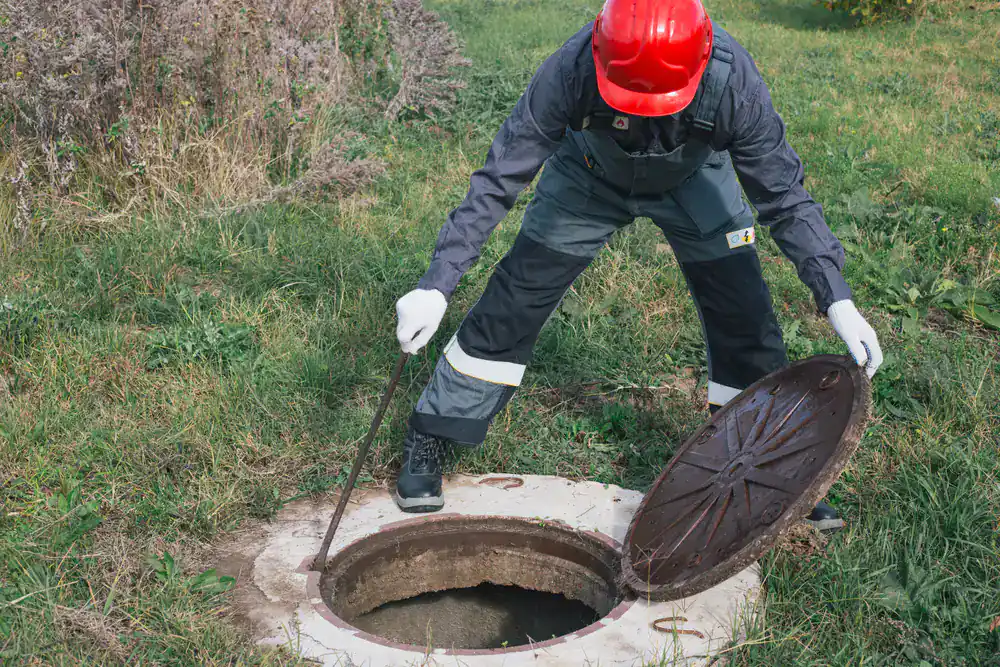
When our crew arrives, the first step is locating and accessing the cesspool. In Nesconset, where a significant number of homes were built in the 1960s and 1970s, the cover isn’t always obvious. It may have been paved over, landscaped around, or simply never documented by a previous owner. If that’s the case, we handle the locating process before anything else.
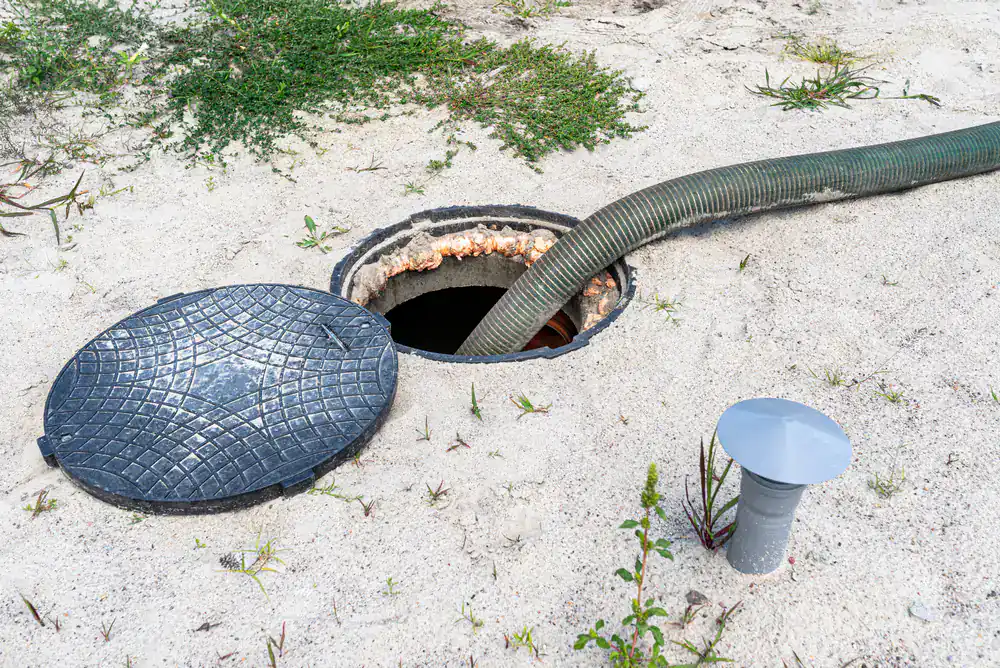
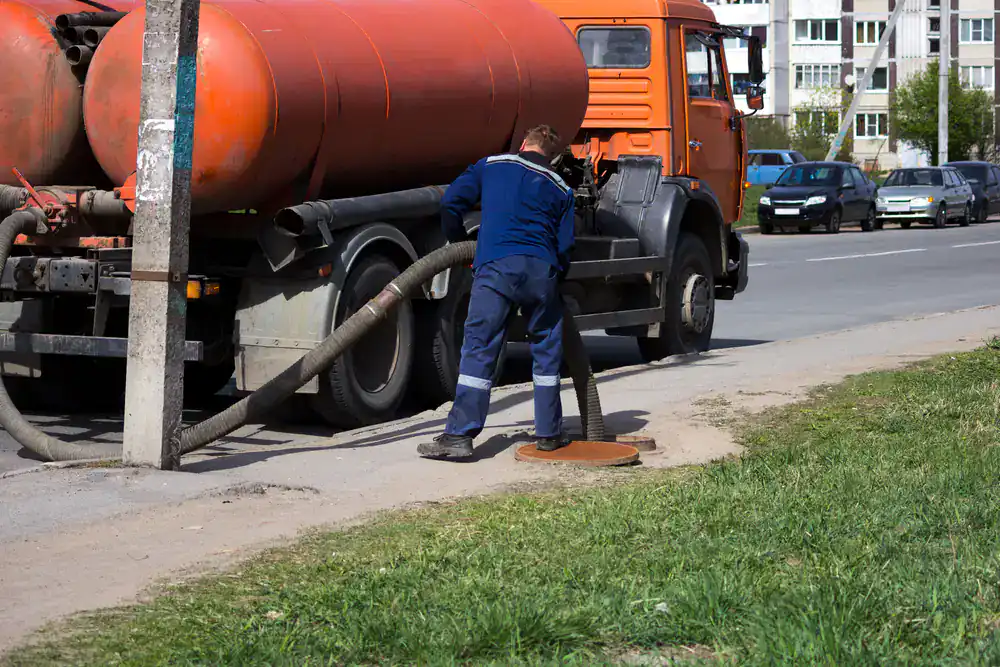
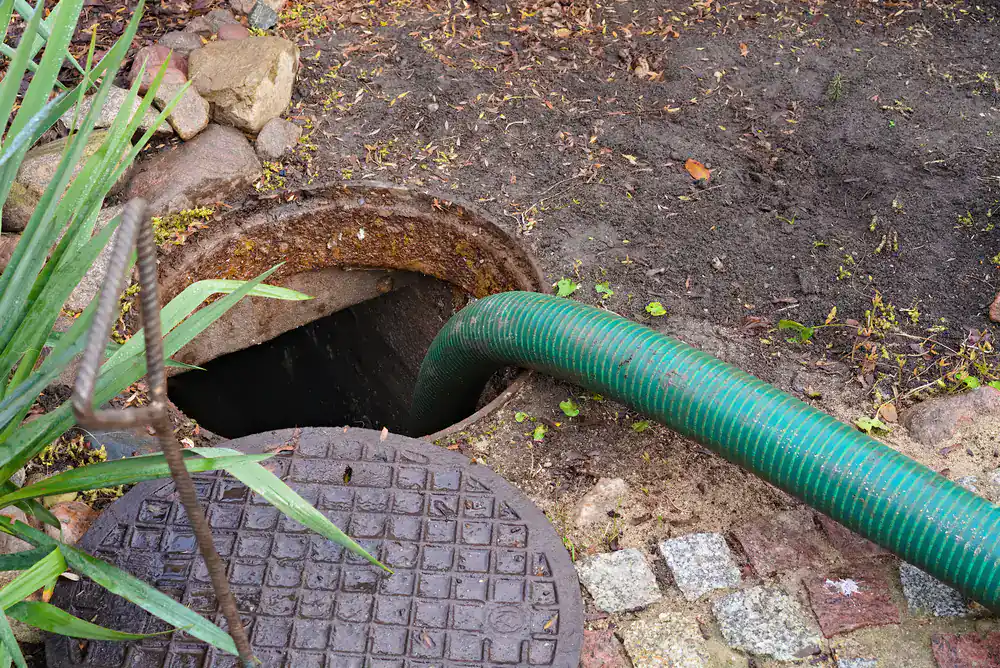
Once access is established, the pumping begins removing the accumulated liquid, solids, and sludge from the chamber using a vacuum truck. The process typically takes less than an hour for a standard residential system, though older or larger systems may take longer.
After the pump-out, you get documentation. That matters in Suffolk County, where the health department tracks cesspool maintenance records and where buyers increasingly ask for service history before closing. We provide written confirmation of the work performed not just a receipt, but a real service record you can hold onto. If we notice anything during the job that warrants attention, we’ll tell you plainly, without pressure.

Ready to get started?
Cesspool pumping and cesspool cleaning are not the same thing, and it’s worth understanding the difference before you book. Pumping removes the liquid and floating solids from the chamber it’s the standard service most homeowners need on a regular schedule. Cleaning goes further, addressing hardened sludge buildup and typically including a more thorough inspection of the system walls and components. If your system hasn’t been serviced in several years, or if you’ve just bought a Nesconset home without a clear service history, cleaning may be the right starting point.
For most Nesconset households, the pumping schedule should be more aggressive than the national average suggests. The EPA recommends pumping every three to five years for a modern septic tank, but older single-chamber cesspools the kind common in homes built before 1973 along the Route 347 development corridor fill faster and typically need service every one to three years. Household size, water usage, and the sandy soil conditions in this part of Smithtown all factor into how quickly your system reaches capacity.
We handle both residential and commercial cesspool service across Nassau and Suffolk Counties. Every job includes written documentation a service record that satisfies Suffolk County’s compliance tracking requirements and holds up during a home sale. Suffolk County requires a Consumer Affairs license for any cesspool contractor operating legally in the county, and all work is performed by our own crew not subcontractors. If your system needs more than a pump-out, whether that’s a repair, a full inspection, or guidance on Suffolk County’s I/A OWTS upgrade requirements, we can walk you through what’s actually needed without pushing you toward work you don’t need.