
Useful Links
Other Services we provide in Saint James
For most Saint James homeowners, every one to three years is the realistic target not the three-to-five-year window that gets cited nationally. The difference comes down to what’s actually under your yard. A significant portion of homes in Saint James, particularly in the College Section neighborhoods near Stony Brook University and along the older residential corridors off Route 25A, were built with single-chamber cesspools that predate modern septic design. These systems don’t have the separation capacity of a newer two-stage setup, so they fill faster and are more sensitive to overload.
Long Island’s water table and sandy soil conditions affect how quickly a cesspool reaches capacity especially after heavy rain events, which the North Shore sees regularly. If you’ve owned your Saint James home for more than two or three years and can’t point to a recent pump-out, it’s worth getting someone out to assess it. Waiting until something goes wrong is almost always the more expensive option.
Standard residential cesspool pumping in Suffolk County typically runs between $200 and $500 for a routine service call. The full range, including more complex jobs, runs from around $308 to $1,234 depending on tank size, access difficulty, waste volume at the time of service, and whether the job requires locating a buried or unmarked cover.
For Saint James specifically, a few factors can affect where your job lands in that range. Older homes with buried cesspool covers common in the historic neighborhoods along Route 25A and in the midcentury residential areas may require additional time and effort to access. If the system hasn’t been serviced in several years, there may be more accumulated waste to remove. The most important thing is getting a clear, upfront quote before any work begins. We’ll tell you what the job will cost before we start, not after.
The most common warning signs are slow drains throughout the house not just one fixture, but multiple along with gurgling sounds from toilets or drains, sewage odors coming from drains or from the yard, and soft or wet ground above where the cesspool is located. If you’re noticing any combination of these, the system is telling you it’s overdue.
In Saint James, the warm months tend to make odor-related symptoms more noticeable, which is often what finally pushes homeowners to call. But by the time you can smell it outside, the system is already under significant stress. The smarter trigger is calendar-based, not symptom-based if it’s been two or three years since your last pump-out, schedule it before the symptoms show up.
Suffolk County health departments track cesspool maintenance records, and those records are reviewed as part of the home sale process. Buyers’ attorneys and home inspectors flag gaps in service history, and in a market like Saint James where homes are selling at median prices around $731,000 and typically going under contract within a few weeks a cesspool issue discovered during inspection can trigger renegotiation, price concessions, or worse.
Having current, documented service records from a licensed cesspool company is a straightforward way to protect yourself in a transaction. We provide written documentation after every service call as standard practice, not as an add-on. If you’re preparing to list your Saint James home, or if you recently purchased a property here and aren’t sure of the system’s history, a pump-out and inspection with proper documentation is one of the most financially sensible maintenance calls you can make before the process begins.
This comes up more than most people expect, particularly in Saint James. Homes built before the 1970s and there are many of them here, especially in the historic areas along Route 25A and in the older residential neighborhoods often have cesspools with no marked access point, no documentation from previous owners, and no obvious indication of location from the surface.
We specifically handle locating hard-to-find cesspools, and it’s one that directly addresses a real and common problem for older North Shore properties. The process typically involves probing the yard, reviewing any available records, and using our experience with how systems were installed during different eras of Long Island construction to narrow down the location. It adds some time to the job, but it’s not a barrier it’s something we handle routinely. If you’ve been putting off a pump-out because you genuinely don’t know where the system is, that’s not a reason to wait longer.
They’re related but not the same, and the difference is worth understanding before you book a service call. Pumping removes the liquid waste and the floating solids from the cesspool it’s the core service, and it’s what most homeowners mean when they say they need their cesspool done. Cleaning goes further. It addresses the hardened sludge that settles at the bottom of the system over time and typically includes a more thorough inspection of the system’s walls and condition.
For Saint James homeowners with older systems that may not have been serviced consistently, cleaning is often the more appropriate starting point especially if it’s been several years since the last pump-out. We approach drain cleaning as a complete service, including sewer inspection, so you’re not just removing waste you’re getting a real picture of what the system looks like and whether anything needs attention. That level of information matters, particularly for homes near Stony Brook Harbor or the Nissequogue River, where an aging or failing cesspool isn’t just a household problem.
Hear from Our Customers
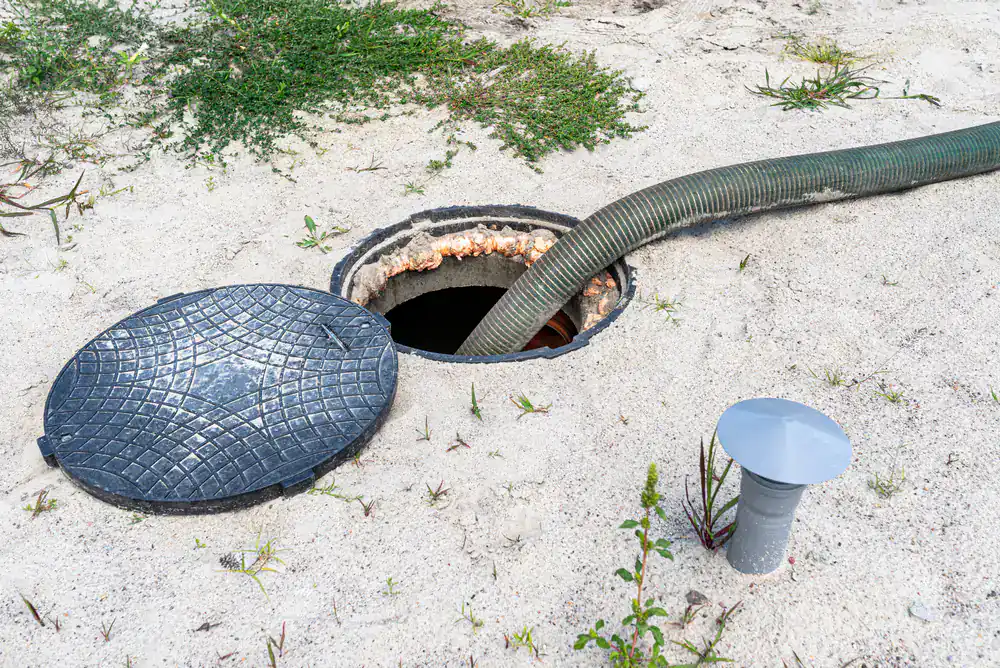
When your cesspool is properly pumped and serviced, the most immediate thing you notice is peace of mind. No slow drains creeping up on you. No odor finding its way into the house on a warm afternoon. No guessing whether the system is overdue or quietly failing under the yard.
For Saint James homeowners, that peace of mind carries real financial weight. With median home sale prices around $731,000 in this market, a cesspool that hasn’t been serviced recently isn’t just a maintenance issue it’s a liability. Suffolk County cesspool records come up during real estate transactions, and buyers’ attorneys notice gaps in service history. A clean maintenance record protects your home’s value and keeps your sale on track.
The age of the housing stock here makes this more urgent than people realize. The College Section neighborhoods near Stony Brook University are full of midcentury homes built in the 1950s, 60s, and early 70s with single-chamber cesspools that predate current regulations. These systems fill faster than modern septic tanks and are more sensitive to neglect. Staying on top of them isn’t optional. It’s what responsible ownership of an older North Shore home looks like.
We’ve been doing this work for over 30 years specifically on Long Island, specifically in Suffolk County, with a real understanding of what makes the systems here different from anywhere else. The older housing stock along Route 25A in Saint James, the water table behavior on the North Shore, the county’s regulatory framework none of that is news to us.
We’re family-owned and operated, based in West Babylon, and have been serving Nassau and Suffolk Counties since the beginning. That local accountability matters. When your name is attached to the work in Saint James, you don’t cut corners on a job and move on. You do it right because your reputation lives here too.
One thing that sets us apart in a meaningful way: we specialize in locating and servicing hard-to-find cesspools. In a hamlet where some homes along the Route 25A corridor date back to the 1800s, and many others were built in eras when documentation wasn’t a priority, this isn’t a niche skill it’s exactly what a lot of Saint James homeowners actually need.
It starts with a phone call. A real person answers not a voicemail, not an automated system. You describe what’s going on, whether that’s a scheduled pump-out you’ve been meaning to book or something more urgent, and you get a straight answer about timing and what to expect.
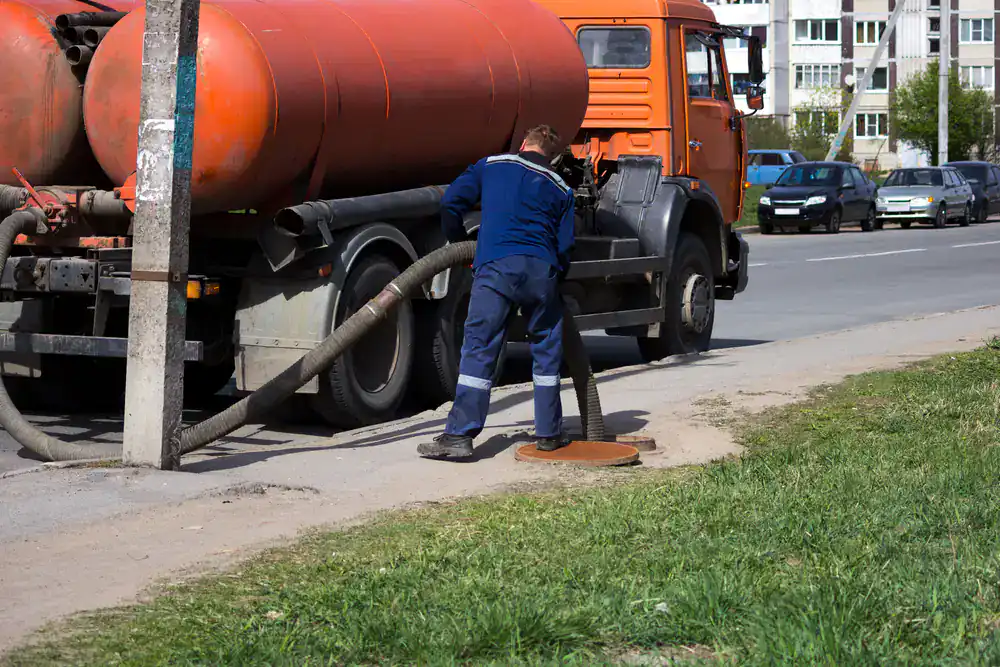
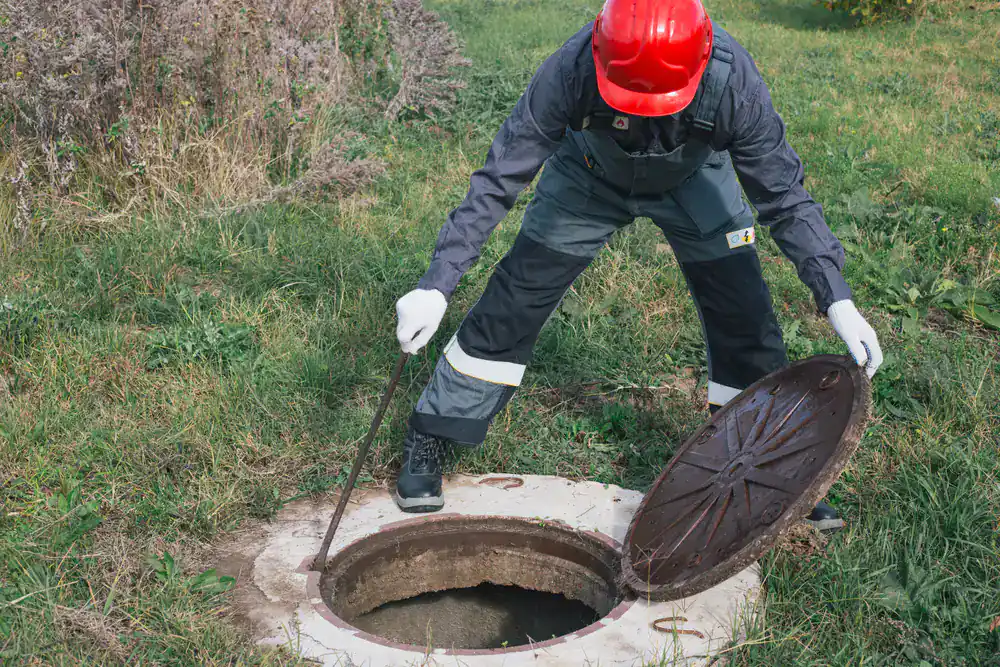
When our technician arrives, the first step is locating and accessing the system. For newer homes, this is usually straightforward. For older Saint James properties especially those built before the 1970s the cesspool cover may be buried, unmarked, or in an unexpected location. We handle this routinely. Once access is established, we pump the system thoroughly, not just skim it. Our technician assesses what they’re seeing sludge levels, condition of the system walls, any signs of concern and communicates that to you clearly before leaving.
After the job, you receive written documentation of the service. In Suffolk County, that paperwork matters. It’s what you hand over when a buyer’s attorney asks for maintenance records during a home sale, and it’s what keeps you on the right side of county compliance requirements. The whole process is designed to be clean, honest, and straightforward.
Ready to get started?
We handle the full range of cesspool and drainage needs pumping, cleaning, inspection, repair, and full system installation for both residential and commercial properties. The scope of each job is determined by what the system actually needs, not a preset menu.
For most Saint James homeowners with older single-chamber cesspools, the standard guidance is pumping every one to three years. That’s more frequent than the national average, and for good reason Long Island’s water table, soil composition, and the age of the systems here all accelerate fill rates. If your home was built before 1973, the three-to-five-year window you might read about online doesn’t apply to you.
It’s also worth understanding the difference between pumping and cleaning, because they’re not the same thing. Pumping removes the liquid waste and floating solids. Cleaning goes further it addresses hardened sludge buildup and includes a more thorough inspection of the system. We perform drain cleaning that includes sewer inspection as part of the process, so you know what you actually have going on. For Saint James homeowners near Stony Brook Harbor or the Nissequogue River corridor, where environmental sensitivity adds another layer of responsibility, knowing the true condition of your system matters to the water quality of the waterways that define this part of the North Shore.
