Useful Links
Other Services we provide in Saint James
It depends on what type of system you have. Cesspools which are more common in older Saint James homes typically need pumping every one to two years because they don’t separate solids from liquids the way a true septic tank does. Septic tanks, which do that separation, generally hold up for three to five years between pump-outs for a typical household, though a family of four with a 1,000-gallon tank is usually looking at every three to four years.
The honest answer is that Saint James’s older housing stock makes this harder to generalize. If you’ve just bought a home and don’t know the system’s history, don’t try to estimate from scratch schedule a pump-out and inspection now. You’ll find out exactly what type of system you have, what condition it’s in, and when it actually needs service again. That information is worth more than any rule of thumb.
Standard residential septic tank pumping in Suffolk County runs between $225 and $600, depending primarily on tank size. A 1,000-gallon tank typically falls in the $225 to $400 range; a 2,000-gallon system is more likely to land between $400 and $600. Those are the numbers for a straightforward job with accessible lids.
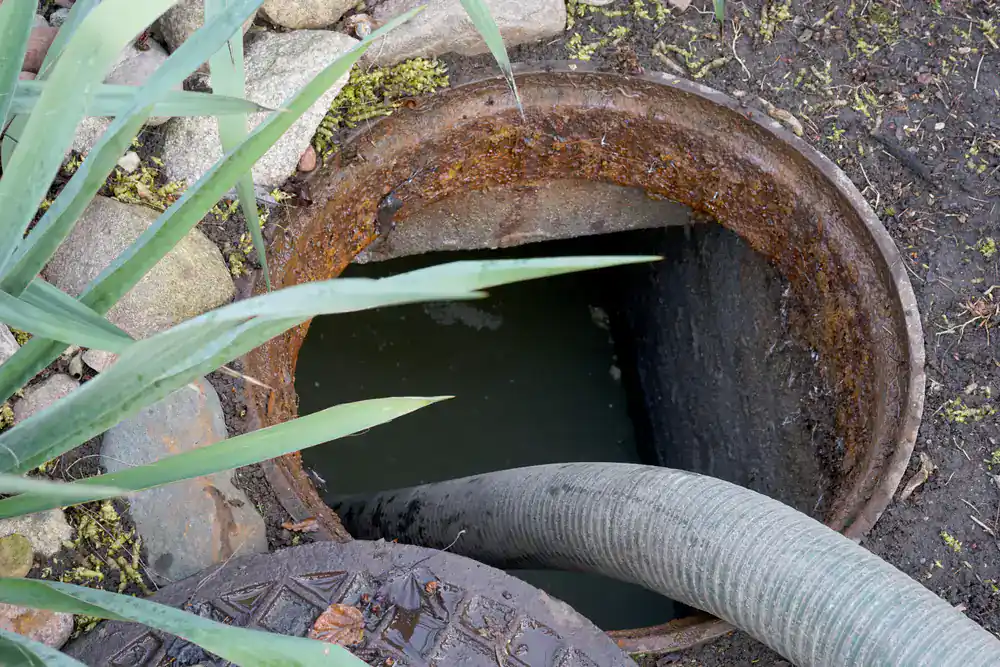
Where the cost can climb is lid excavation. If your tank lid is buried which is very common in Saint James, particularly on homes built in the mid-20th century excavating it can add $300 to $1,200 depending on how deep it is and what’s above it. This is one of the most common sources of sticker shock when homeowners get a low teaser quote and then see the final bill. We give you the full picture upfront, including what excavation will involve if it’s needed, so there are no surprises when the job is done.
Schedule a pump-out and inspection as soon as you can before you notice any problems. This is the single most useful thing a new homeowner can do with an unknown system, and it applies especially in Saint James where a significant portion of the housing stock dates back decades and records of prior service are often nonexistent or incomplete.
A proper pump-out visit will tell you what type of system you have (cesspool or septic tank), where it’s located on your property, what condition the tank and baffles are in, and whether anything needs immediate attention. You’ll also find out when it was last pumped based on the sludge levels our technician finds. That’s real information you can use to plan ahead not a guess based on what the previous owners told you, which may or may not be accurate. In a community where many homes have private wells, knowing your system is functioning correctly isn’t a luxury. It’s a baseline.
A cesspool is a single underground chamber that collects all household waste. Liquids seep out through the walls and bottom into the surrounding soil, while solids accumulate at the bottom. It’s a simpler, older design with no separation process which is why cesspools fill up faster and need more frequent pumping.
A septic tank is a two-stage system. Solids settle to the bottom, liquids flow out to a distribution system or drainfield, and the separation process extends the time between pump-outs significantly. Septic tanks are generally more effective at treating waste before it reaches the soil.
In Saint James, particularly in older sections of the hamlet near Lake Avenue and throughout the mid-century residential streets, cesspools are still common. Many were installed in the 1950s and 1960s and have never been replaced. If your home was built before the 1980s and hasn’t had significant system work done, there’s a reasonable chance you have a cesspool rather than a modern septic tank. A technician can confirm which one you have during a service visit and that distinction affects your pumping schedule, your costs, and what happens if the system ever needs replacement under current Suffolk County regulations.
By the time you see or smell a problem slow drains, gurgling toilets, soggy spots in the yard, sewage odor near the tank area the system is already in distress. That doesn’t mean it’s too late to fix, but it does mean you’ve lost the window where a routine pump-out would have handled everything cleanly and inexpensively.
The cost difference is significant. A standard pump-out runs a few hundred dollars. A drainfield failure which is what happens when a neglected tank overflows solids into the leaching system can cost $10,000 to $15,000 or more to repair, plus landscaping restoration and potential involvement from the Suffolk County Department of Health Services. In Saint James, where many properties sit near Stony Brook Harbor or above private wells, a system failure also carries real environmental consequences that go beyond your property line. The math on preventive maintenance is straightforward. The pump-out is cheaper every time.
Yes. The villages of Head of the Harbor and Nissequogue share the 11780 ZIP code with the hamlet of Saint James, and we service properties throughout this area. Both villages are predominantly residential, largely unsewered, and home to a mix of older and estate-scale properties many of which rely on private wells and private septic systems that haven’t seen professional service in years.
Properties in these villages often come with more complex infrastructure than a standard suburban lot: larger tanks, older cesspool configurations, buried lids on heavily landscaped grounds, and systems that predate modern Suffolk County regulations by decades. That’s exactly the kind of work we handle regularly. The same upfront pricing and honest assessment that applies to a ranch on Edgewood Avenue applies equally to a larger property on Nissequogue River Road. Our crew brings the same equipment, the same experience, and the same approach regardless of the property size or location within the 11780 area.
Hear from Our Customers
Saint James is one of the oldest continuously settled communities on Long Island. That history is part of what makes it a great place to live and part of what makes the infrastructure underneath it complicated. A lot of homes here were built decades before anyone thought to document their cesspool or septic system. Lids get buried. Records disappear. New owners move in and inherit a system they know nothing about.
Getting your tank pumped isn’t just a maintenance checkbox. It’s how you find out what you actually have down there the condition of the tank, whether it’s been properly maintained, and whether anything needs attention before it becomes a real problem. That information is worth a lot, especially on a property where the home value is pushing toward $827,000 and a drainfield failure can cost $10,000 to $15,000 or more to fix.
There’s also something specific to this part of Suffolk County worth understanding. Many homes in Saint James and in the villages of Head of the Harbor and Nissequogue that share the 11780 ZIP code rely on private wells for drinking water. Your septic system and your water supply are both operating in the same ground beneath your property. When a septic system fails or goes too long without service, that’s not a distant environmental concern. It’s a direct risk to the water coming out of your tap. Keeping your system properly maintained here isn’t optional it’s personal.
We’ve been handling cesspool and septic work across Suffolk County since 2002, with a team that brings over 30 years of hands-on Long Island experience to every job. That experience matters in a hamlet like Saint James, where older homes, buried lids, and systems that haven’t been touched in a generation are the norm rather than the exception.
Our approach is straightforward: show up, assess what’s actually going on, do the work that needs to be done, and tell you honestly what if anything needs follow-up. There’s no pressure to approve repairs you don’t need, no vague add-ons after the fact, and no inflated scope just because your home is in a higher-value area. The free estimate is real, and the price quoted is the price you pay.
From the historic streets near Lake Avenue to the larger properties along the Nissequogue River corridor, we’ve seen the full range of what’s buried under North Shore homes. Our crew knows what aging systems look like and how to handle them without making a straightforward pump-out into something more complicated than it needs to be.

It starts with a call and a free estimate. Before anyone shows up at your property, you’ll know what the service involves and what it costs. There are no surprise charges waiting at the end of the job.
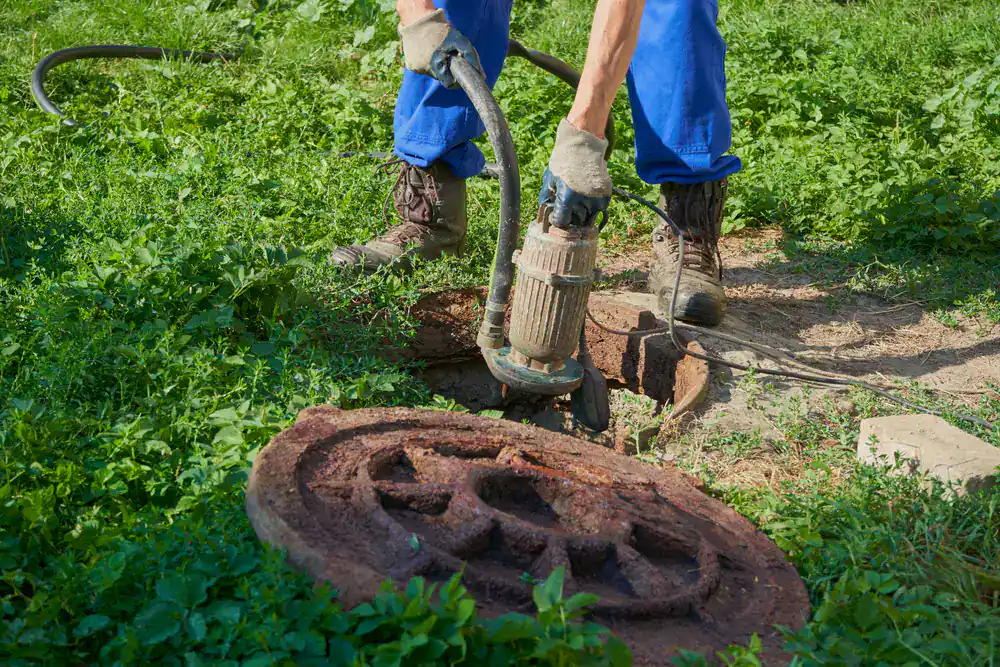
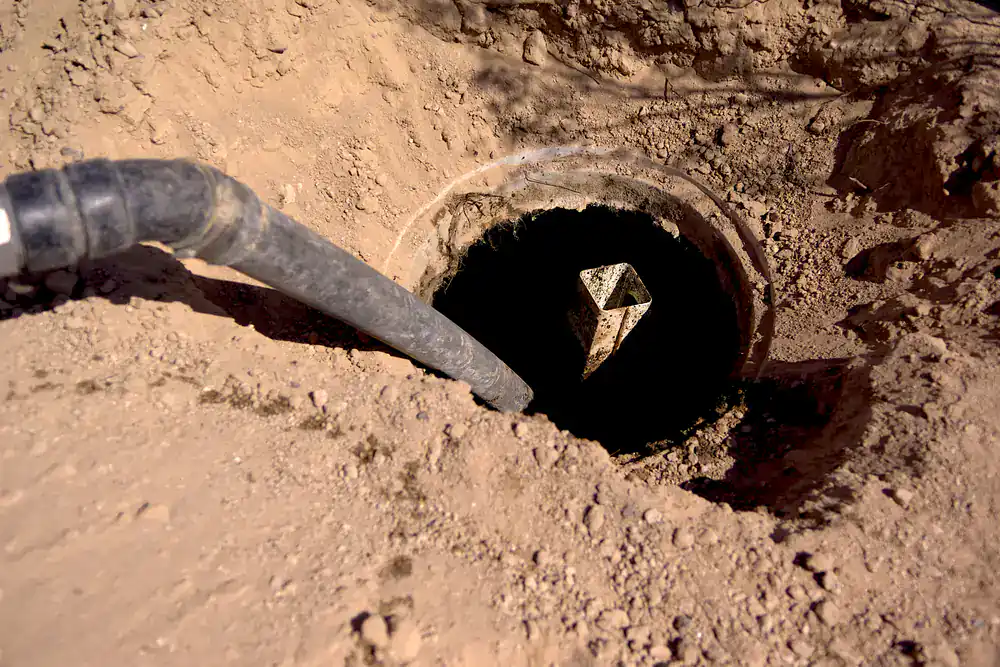
When our crew arrives, the first step is locating your tank. In Saint James, this is often where the job gets interesting. Homes built in the 1950s, 1960s, and 1970s frequently have lids buried under years of soil accumulation and landscaping sometimes several feet down. We specialize in finding hard-to-locate cesspools and septic tanks, so this isn’t an obstacle that stalls the job or triggers a separate billing conversation. It’s part of what we do.
Once the tank is located and accessed, the full pump-out begins. That means removing all accumulated sludge and waste not just the surface layer. A partial pump-out might look the same from the outside, but it leaves the problem half-solved. After pumping, our technician assesses the tank’s condition: checking baffles, looking for signs of infiltration or structural issues, and giving you an honest read on what they found. If anything needs attention, you’ll hear about it plainly, with no pressure attached.
One thing worth knowing for Saint James specifically: the area’s soil conditions including the clay layer in north-central Suffolk County that slows water drainage and can raise local water tables mean systems here sometimes show stress earlier than homeowners expect. Scheduling service before symptoms appear is almost always cheaper than responding to one.
Ready to get started?
Septic tank pumping is the core of what brings most Saint James homeowners to call, but it’s rarely the only thing a property needs especially on older North Shore lots where the system hasn’t been touched in years. We handle the full scope: septic pumping, cesspool pumping, cesspool and septic installation, drain cleaning, drywell cleaning, house trap replacements, and main sewer line cleaning and replacement. One call covers the whole system.
For properties in the 11780 ZIP code including the villages of Head of the Harbor and Nissequogue, where estate-scale lots and older private systems are common that full-service capability matters. You’re not calling one company for the pump-out and another for the drain issue we found while we were there. It all gets handled by the same crew, on the same visit when possible.
Suffolk County requires all cesspool and septic contractors to hold a Liquid Waste License under Chapter 563, Article VII of the county code a credential that demands verified trade experience and a dedicated pump/vacuum truck. And if your system is older and fails, the county’s 2019 regulations mean in-kind replacement is no longer an option; any failed system must be upgraded to meet current standards. Whether you’re dealing with a routine pump-out, an emergency backup, or a system that’s reached the end of its life, we can walk you through what’s required and what it actually involves without the upsell.