
Useful Links
Other Services we provide in Stony Brook
For most Stony Brook homeowners, every one to three years is the right range but the honest answer depends on your specific system. Homes built before 1973 almost certainly have original cesspool systems, and those single-chamber designs fill faster than modern septic tanks. The EPA’s general guideline of every three to five years applies to modern septic systems, not to the older cesspool configurations that make up the majority of Stony Brook’s housing stock.
A few factors push that schedule shorter: household size, how many bathrooms and appliances are running daily, and the water table conditions along the North Shore. Stony Brook’s proximity to tidal waterways means the water table can rise significantly after heavy rain, which accelerates how quickly a system reaches capacity.
If your home was built in the 1960s and you’re not sure when it was last pumped, that’s reason enough to schedule a service and get a baseline reading on where things stand.
For a standard residential pump-out in Suffolk County, the typical range runs from $200 to $500. The full range for more complex jobs larger tanks, difficult access, significant waste volume can run from $308 up to $1,234. What drives the number up is usually access difficulty, system size, and how long it’s been since the last service.
In Stony Brook specifically, older homes often have cesspools with buried or non-standard covers that require locating before any work can begin. That adds time to the job, which affects cost. The more important number to understand is the cost of not maintaining the system: a routine pump-out at $200 to $500 versus a full system replacement, which now requires an Innovative/Alternative Onsite Wastewater Treatment system under Suffolk County’s 2019 installation ban, and runs $20,000 to $40,000 or more.
Regular maintenance is not just good practice it’s the cheaper path by a significant margin.
The most obvious signs are slow drains throughout the house not just one fixture, but multiple along with gurgling sounds from toilets or drains, and sewage odors coming from inside the home or from the yard above where the system sits. Standing water or unusually green, fast-growing grass over the tank area is another indicator that the system is saturated and leaching.
What most homeowners don’t realize is that by the time these symptoms show up, the system is already in distress. The warning signs aren’t the beginning of the problem they’re the system telling you it’s been overdue for a while.
In Stony Brook, where spring rain elevates the water table along the harbor watershed, a system that was borderline in February can back up in April without much additional warning. If you’re noticing any of these signs, waiting to see if they resolve on their own usually makes the situation worse and the repair more expensive.
They’re related but not the same. Pumping removes the liquid waste and the floating solids sitting near the top of the tank. Cleaning involves a more thorough process removing the hardened sludge that has settled at the bottom of the chamber over time, and inspecting the walls and components of the system for damage or deterioration.
For a system that’s been serviced regularly, a standard pump may be sufficient. For older Stony Brook systems that haven’t been touched in years or that have no documented service history at all a cleaning is usually what’s actually needed. Hardened sludge doesn’t come out with a pump-down alone.
The distinction matters because you want to know what you’re paying for and whether it’s actually addressing the condition of your system. When we arrive on-site, our technician assesses the system’s condition and gives you a straight answer about what it needs before any work begins.
You’re not legally required to hand over a cesspool service log at closing, but in practice, it comes up. Buyers’ attorneys and home inspectors in the Stony Brook market ask about maintenance history and when there’s no documentation, it raises questions that can slow a transaction, trigger a price negotiation, or require an emergency pump-out under time pressure with no ability to shop around.
Given that homes in Stony Brook regularly sell at or above $455,000, the math on this is straightforward. A documented pump-out from a licensed contractor with written records showing the date, the condition of the system, and the work performed costs a fraction of what a price concession costs. It also satisfies the Suffolk County regulatory framework, which tracks cesspool maintenance records as part of broader water quality compliance efforts.
If you’re planning to sell in the next year or two, getting the system serviced and documented now is one of the lower-cost, higher-impact things you can do to protect the transaction.
No and this is one of the most common misconceptions in this space. Cesspool additives, treatments, and biological products do not substitute for physical pumping. Your system already contains the natural bacteria it needs to break down waste. Adding more bacteria or chemical treatments doesn’t remove the accumulated solids that have been building up in the tank it just gives homeowners a reason to delay a service they actually need.
The only way to remove what’s in the tank is to physically pump it out. For Stony Brook homeowners with older systems the kind installed in the 1950s and 1960s that weren’t designed for today’s household water usage additives are especially unlikely to make a meaningful difference. These systems are working harder than they were built to handle, and the sludge accumulation reflects that.
Treatments don’t change the math. Regular pumping on a realistic schedule, based on your household size and system age, is what actually keeps the system functioning and keeps you out of emergency territory.
Hear from Our Customers
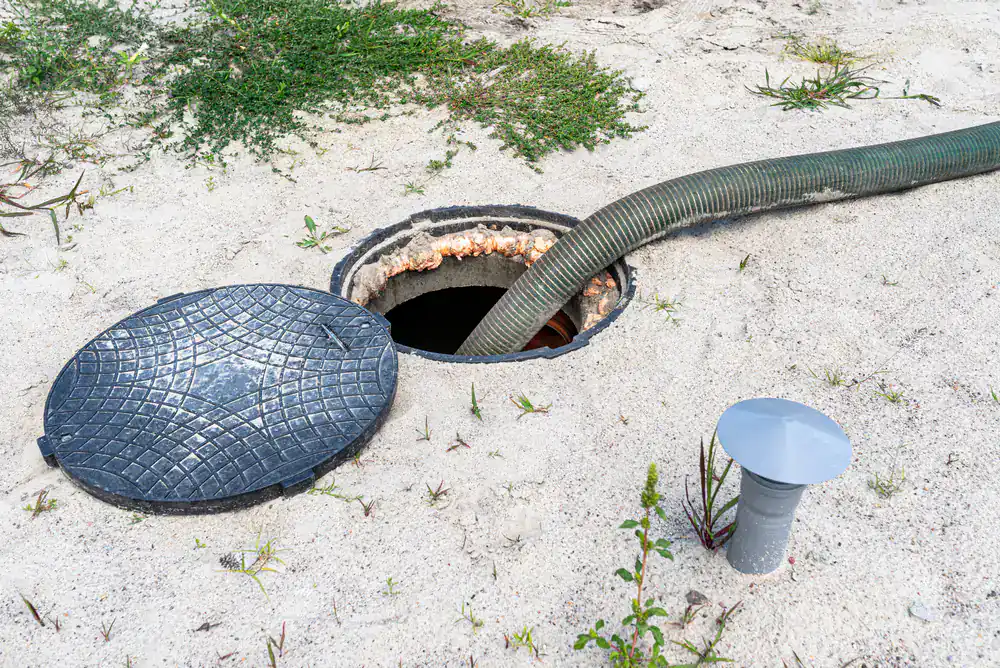
When a cesspool is properly pumped and documented, you stop guessing. No more wondering if the slow drain in your second bathroom is a minor clog or something worse. No more anxiety about what a home inspector is going to find when you eventually sell.
You know where things stand and you have the paperwork to prove it. That matters more in Stony Brook than most people realize. Homes here sell at a premium, and buyers and their attorneys ask questions. A written service record from a licensed cesspool contractor is part of what keeps a transaction on track.
If you’ve owned your Stony Brook home for ten or twenty years and can’t remember the last time you had the system pumped, that gap in documentation can cost you far more than the service itself when it comes time to sell. There’s also the harbor to think about.
Stony Brook Harbor sits downstream from thousands of residential cesspool systems. Nitrogen from household sewage seeps into groundwater and eventually finds its way into the water and environmental advocates have set a measurable goal of reducing nitrogen in Stony Brook Harbor by 37%. A properly maintained and regularly pumped cesspool keeps that nitrogen load in check. It’s not a dramatic gesture it’s just good maintenance that happens to benefit the water your neighborhood is built around.
We’ve been servicing cesspools and drainage systems across Nassau and Suffolk Counties for over 30 years. That’s not a round number chosen for marketing it’s actual time spent working on Long Island’s specific soil conditions, water table behavior, and aging housing stock. The kind of experience that tells us what we’re dealing with before we even open the tank.
We’re family-owned and operated, based in West Babylon, and we’ve built our reputation one job at a time across communities exactly like Stony Brook North Shore neighborhoods with mid-century homes, older systems, and homeowners who expect the people they hire to actually know what they’re doing. When one of our technicians shows up at a home in the Three Villages area, they’re not learning on the job.
We service both residential and commercial properties, and we run 24/7 including genuine emergency response. If something goes wrong on a Saturday night or a holiday weekend, someone answers the phone.
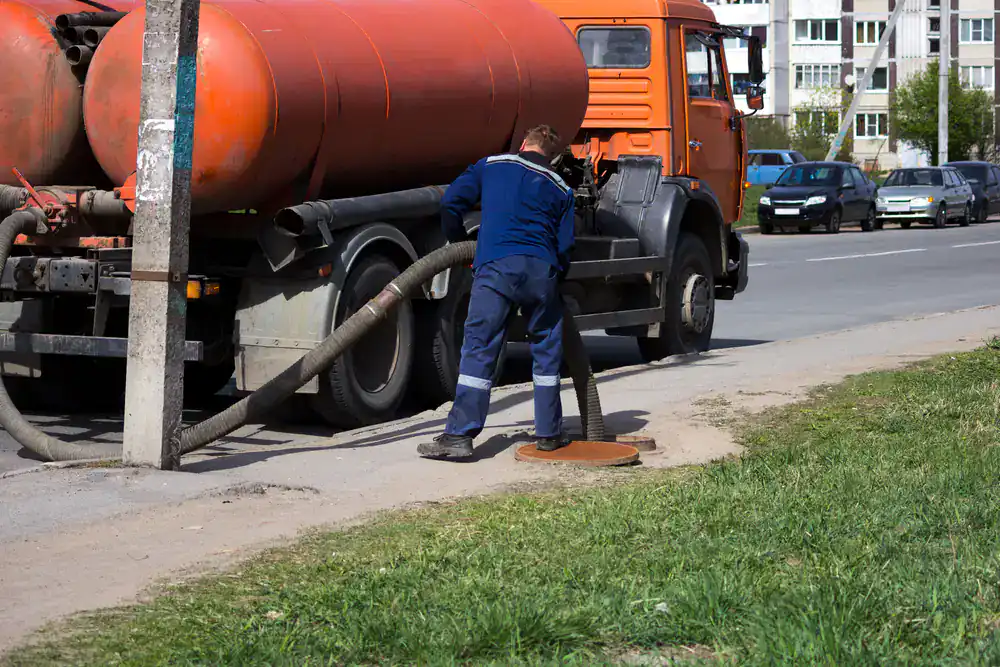
It starts with a call. A real person picks up, gets the details about your property, and gives you a clear picture of what to expect including how pricing works before anyone shows up at your door. That part matters, because the gap between a phone quote and an on-site charge is the most common complaint in this industry, and it’s one worth addressing upfront.
When our technician arrives, the first step is locating the system. In Stony Brook, this is more involved than people expect. A lot of homes here were built in the 1930s through the 1960s, and many of those cesspools have no visible covers, no documented location, and no service history that transferred with the property. We specifically handle hard-to-find cesspools it’s not a complication that sends the job sideways, it’s a normal part of working in this area.
Once the system is located and accessed, we pump the tank down fully. Our technician checks the condition of what’s inside sludge levels, floating solids, any signs that the system is under stress and explains what they’re seeing. After the job is complete, you receive written documentation of the service. That record is yours to keep, and it’s the kind of thing that matters when Suffolk County compliance comes up or when your home goes on the market.
The whole process is straightforward, and you’re not left wondering what happened or why.
Ready to get started?
Cesspool pumping and cesspool cleaning are not the same thing, and it’s worth understanding the difference before you book. Pumping removes the liquid waste and floating solids from the tank. Cleaning goes further it involves more thorough removal of hardened sludge that has settled at the bottom of the chamber, along with an inspection of the system walls and components.
Many homeowners don’t know what they’re actually getting when they call a company, and that ambiguity is how people end up paying for less than they expected. For Stony Brook homes where many systems have been in the ground since the 1960s and may not have been serviced consistently a more thorough cleaning is often what the system actually needs, not just a basic pump.
Decades of accumulated sludge doesn’t clear out with a standard pump-down. We assess the system’s condition on-site and give you an honest read on what it needs, not just what’s easiest to sell.
Suffolk County requires cesspool contractors to hold a Consumer Affairs license, and all work must comply with county health department standards. The 2024 Suffolk Water Quality Restoration Act expanded enforcement around onsite wastewater systems across the county including communities like Stony Brook, where proximity to Stony Brook Harbor makes compliance more than a formality. Every service we perform is documented, licensed, and done by our own crew not subcontracted out to whoever’s available that day.
