Useful Links
Other Services we provide in Terryville
For most homes in Terryville, every one to three years is a reasonable target but the honest answer depends on a few variables. Household size is the biggest one: a family of four puts more load on a system than a couple, and the system fills faster as a result. The age of your system matters too. Most homes in Terryville were built in the 1970s, which means their cesspools are original or near-original equipment. Older single-chamber cesspools fill faster than modern septic tanks, and they don’t give you much warning before they’re in trouble.
Suffolk County’s sandy soil and seasonal water table fluctuations also play a role. After a wet spring when snowmelt and rain raise the water table a system that’s already running close to capacity has less room to absorb what’s coming in. If you don’t know when your cesspool was last pumped, the safest move is to schedule a service call and get a baseline. From there, you’ll have a documented starting point and a clearer sense of how often your specific system needs attention.
For a standard residential pump-out in Suffolk County, most homeowners are looking at somewhere between $200 and $500 for a routine service call. The full range across more complex jobs larger tanks, harder access, additional services runs from around $308 to $1,234. What drives the variation is mostly tank size, how accessible the cover is, how full the system is at the time of service, and whether the job is scheduled in advance or called in as an emergency.
The bait-and-switch pattern where a company quotes one number on the phone and arrives with a different one is a real and documented problem in this market. It’s the most common complaint homeowners raise about cesspool companies across Long Island. We’re a family-owned business with a local reputation that depends on repeat customers and referrals. The quote you get on the phone reflects what the job actually costs. If anything changes on-site, you’ll know before any additional work begins.
The most obvious signs are slow drains throughout the house not just one sink, but multiple fixtures draining sluggishly at the same time. Gurgling sounds in your toilets or drains, sewage odors coming from drains or from the yard, and soft or wet patches of ground above where your cesspool is located are all signals that the system is under stress. If you’re noticing any combination of these, the system is telling you it’s past due.
In Terryville, the warm months tend to make outdoor odors more noticeable the suburban density here means neighbors are close enough that a cesspool smell in the yard becomes a social problem quickly, not just a home maintenance one. It’s also worth knowing that by the time visible symptoms appear, the system is already in distress. Waiting for something dramatic to happen before calling means you’re probably looking at a more involved job than if you’d scheduled service a few months earlier. Early intervention is almost always less expensive than reactive repair.
Yes Suffolk County requires cesspool certification as part of the real estate closing process. This typically involves a dye test to confirm the system is functioning properly and not backing up into areas it shouldn’t reach. If the system fails the test or is found to be in poor condition, it can delay or derail a closing until the issue is resolved.
Given where home values sit in Terryville the median is $745,318, with newer construction reaching closer to $985,000 a cesspool problem discovered during a buyer’s inspection is not a minor inconvenience. It’s a negotiating point that can cost you tens of thousands in price reductions or, in a worst-case scenario, require a mandatory I/A OWTS replacement that runs $20,000 to $40,000. Getting the system pumped, inspected, and documented before you list removes that uncertainty. We provide the service documentation you’ll need for the certification process, so you’re not scrambling to pull records together when the closing timeline is already running.
Pumping removes the liquid waste and floating solids from the system it’s the standard service most people are referring to when they call for a pump-out. Cleaning is more thorough. It involves removing the hardened sludge that accumulates along the walls and floor of the cesspool chamber over time, material that pumping alone doesn’t fully address. Think of pumping as draining the system and cleaning as actually scrubbing it out.
For a home in Terryville with a 1970s-era system that hasn’t been serviced in several years or where the service history is unknown cleaning is often the more appropriate starting point. A system that’s been running for decades without thorough maintenance has likely built up a sludge layer that affects its effective capacity and drainage function. Once a proper cleaning is done and documented, subsequent service calls are typically more straightforward. The technician who shows up can assess what the system actually needs rather than making assumptions, and you’ll have a clear record from that point forward.
No and this is one of the most common misconceptions in the cesspool space. Commercial additives and biological treatments do not substitute for physical removal of accumulated solids. Your cesspool already contains the natural bacteria it needs to break down organic material. Adding more bacteria or enzyme products doesn’t accelerate that process enough to offset the buildup of sludge and solids that accumulates over time and it does nothing to remove what’s already there.
The only way to actually reduce the volume inside a cesspool is to pump it out. For Terryville homeowners, this is especially relevant because the 1970s-era systems common in this area are single-chamber cesspools with less working capacity than a modern septic tank. They reach their threshold faster, and a system running on additives instead of scheduled pump-outs tends to show up as an emergency call rather than a routine service. Suffolk County also doesn’t recognize additive use as a substitute for proper maintenance when it comes to compliance records or real estate certification. The pump-out is the only thing that actually resets the system.
Hear from Our Customers
When a cesspool is properly pumped and documented, you stop guessing. No more wondering if that slow drain is something minor or the start of a real problem. No more avoiding the subject when a buyer’s inspector shows up at your door. You just know where things stand and that clarity is worth more than most people realize until they don’t have it.
For Terryville homeowners specifically, this matters in a few ways that don’t apply everywhere. The majority of homes here were built in the 1970s, which means the cesspool systems underneath them are original equipment or close to it. These systems weren’t designed to go decades between service calls. Sandy Suffolk County soil lets liquid move fast, and when the water table rises after a wet spring, a system that’s already near capacity doesn’t have much room to work with. Getting ahead of that is the difference between a scheduled pump-out and an emergency call.
There’s also the drinking water angle, which is easy to overlook but hard to ignore once you know it. Every home in Terryville draws its water from the Long Island sole-source aquifer. There’s no backup supply. A neglected cesspool releases nitrogen into that groundwater whether it’s backing up or not roughly 40 pounds per household per year from a conventional system. Regular pumping isn’t just about avoiding a mess in your yard. It’s connected, directly, to the water your family drinks.
We’ve been servicing cesspools across Nassau and Suffolk Counties for over 30 years. That tenure means something when you’re dealing with a 1970s-era system in Terryville that hasn’t had documented service in years, and nobody’s sure where the access cover even is.
Locating hard-to-find cesspools is something we specifically call out as a specialty and in a community like Terryville, where homes have changed hands multiple times since they were built and landscaping has shifted over decades, that skill comes up more often than you’d think. It’s not unusual to call for a pump-out and realize the first challenge is just finding the system.
We’re family-owned and operated, based in Suffolk County, and the technicians who show up at your property the same ones customers mention by name in their reviews are the people who’ve been doing this work for years. You get someone who knows what they’re looking at, explains what they find, and doesn’t manufacture a reason to come back next week.
It starts with a phone call, and someone answers it. That’s not a given in this industry but with us, you reach a real person who can give you a time window and a straight answer on what to expect. No voicemail, no callback queue.
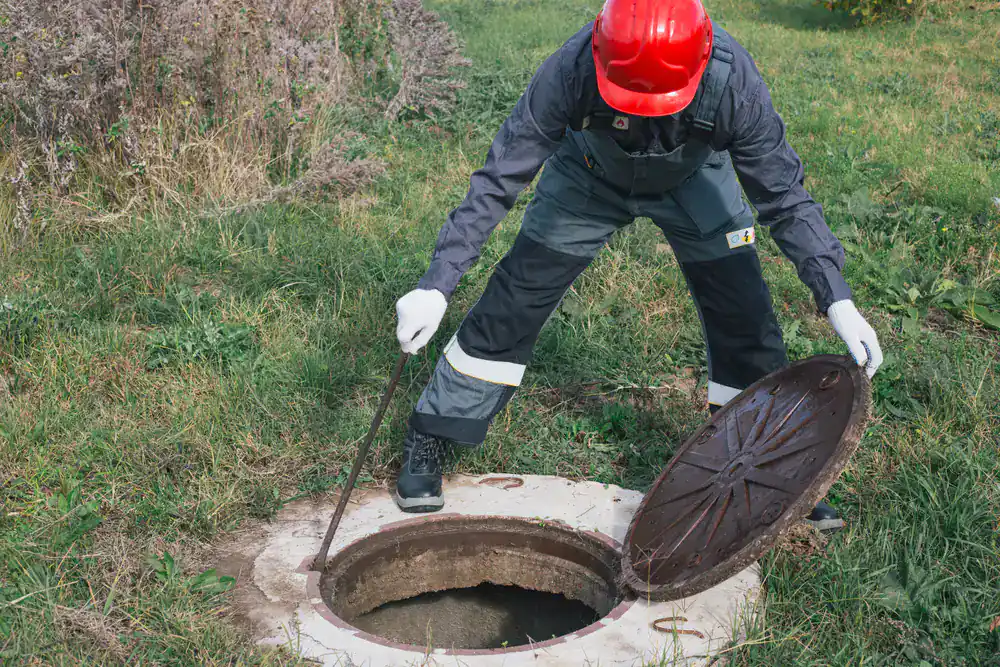
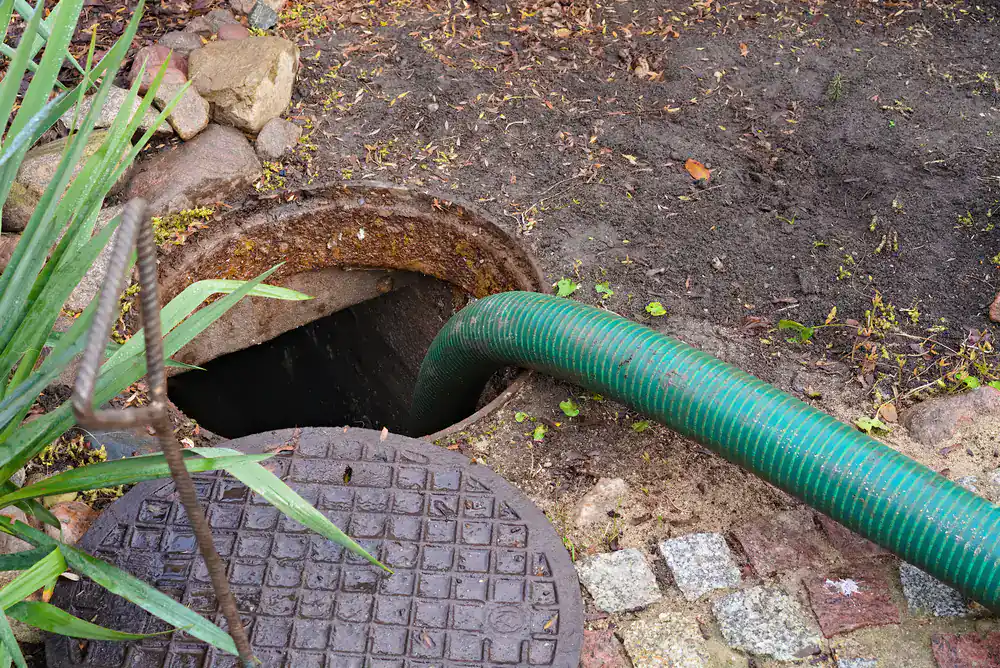
When our crew arrives, the first step is locating and accessing the cesspool. In Terryville’s older housing stock, this sometimes takes a few minutes of work covers get buried under years of landscaping or paving, and access points that were visible when a home was built in 1972 aren’t always easy to find in 2025. Once access is established, our technician assesses the current condition: how full the system is, how the solids are layered, and whether there’s anything that warrants a closer look.
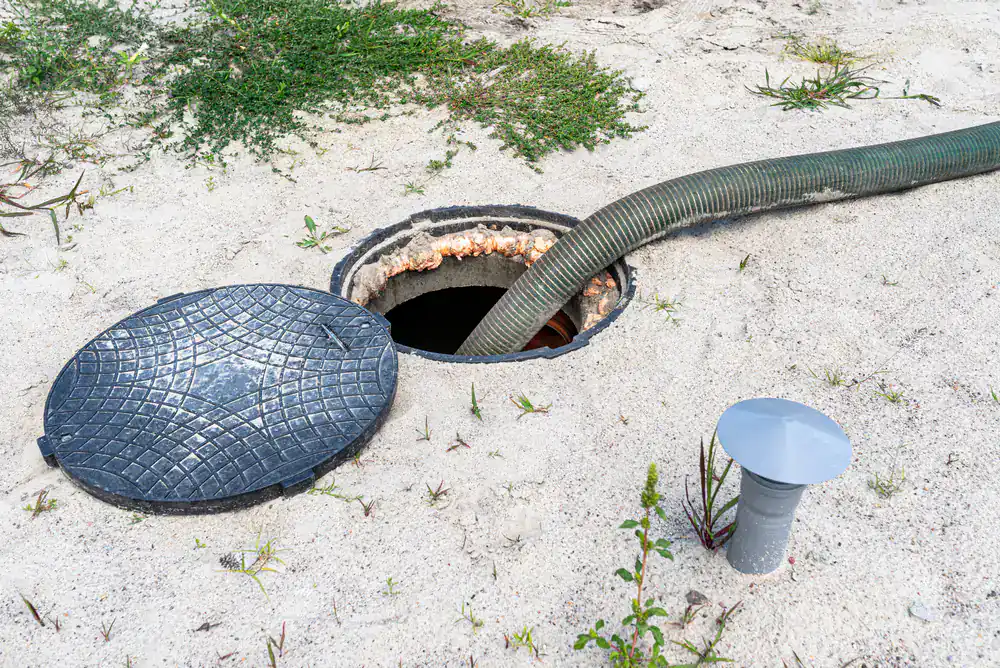
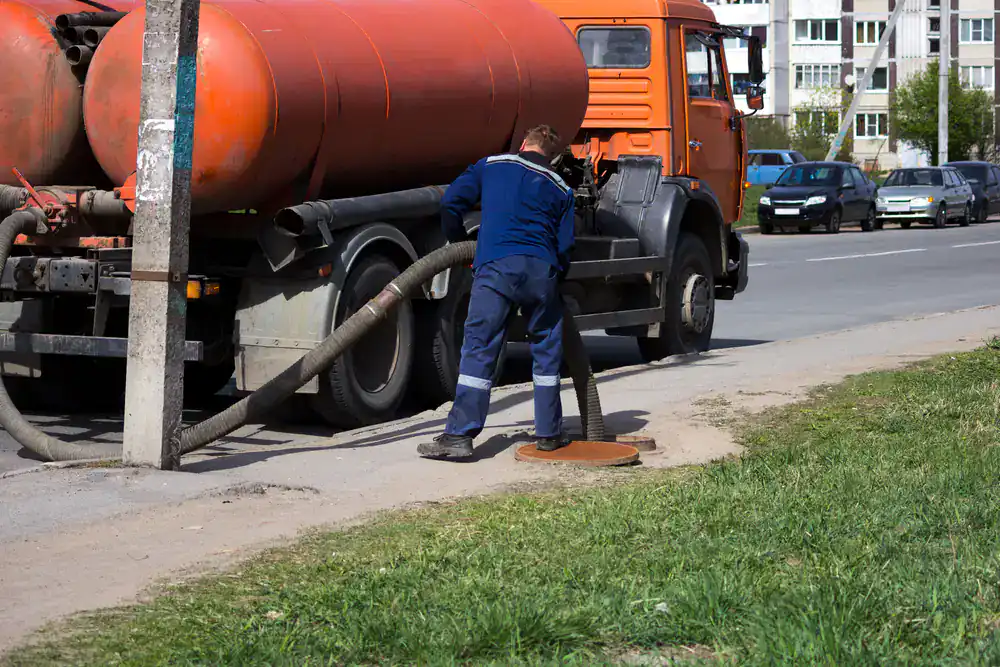
The pumping itself involves removing the liquid waste and accumulated solids with a vacuum tanker the goal is a thorough cleanout, not just pulling the surface layer and calling it done. After the job is complete, you get documentation of the service. This matters more than people expect especially if you’re planning to sell. Suffolk County requires cesspool certification as part of a real estate closing, and having a clear service record makes that process straightforward instead of stressful. We handle the full scope: pump, inspect, document, and advise if anything needs attention before it becomes a larger problem.

Ready to get started?
Cesspool pumping and cesspool cleaning are not the same thing, and it’s worth understanding the difference before you book. Pumping removes the liquid waste and floating solids from the system. Cleaning goes further it involves a more thorough removal of hardened sludge that builds up along the walls and bottom of the chamber over time. For a 1970s-era system in Terryville that may not have been serviced recently, cleaning is often the more appropriate starting point.
Beyond pumping and cleaning, we also handle drain cleaning, septic pumping, and full cesspool and septic installation which matters in Suffolk County specifically because any system that needs replacement must now meet the county’s Innovative/Alternative Onsite Wastewater Treatment System (I/A OWTS) standards. New cesspools haven’t been permitted since July 1, 2019. If your system is at the end of its life, you’re looking at a replacement conversation that involves county permitting, not just a new tank. Having a company that understands both the maintenance side and the installation side means you’re not starting from scratch with a different contractor if the situation escalates.
For Terryville homeowners preparing to list their home, cesspool certification including dye testing when required is part of what needs to happen before closing. With median home values in Terryville at $745,318 and new construction reaching closer to $985,000, the cost of a pump-out and proper documentation is a straightforward investment against the risk of a failed inspection derailing a sale.