Useful Links
Other Services we provide in West Hills
The standard recommendation for most Long Island cesspools is every one to three years for older single-chamber systems, and every three to five years for modern septic tanks. But that range assumes relatively sandy, well-draining soil which isn’t what you’re working with in West Hills. The upland terrain here includes clay-heavy soil that slows the leaching process, which means solids build up faster relative to your system’s effective capacity. If you’re following the generic guideline and haven’t had the system inspected in a few years, it’s worth getting eyes on it sooner rather than later.
Household size also plays a role. A family of four puts more load on a system than a retired couple, and a cesspool that was sized for one usage pattern may not keep pace with a different one. The safest approach is to have the system pumped, have the technician assess the sludge and scum levels while they’re there, and use that real data to set your next service interval rather than guessing based on a calendar.
For a standard residential pump-out in Suffolk County, the typical range runs from $200 to $500 depending on tank size, how accessible the system is, and how full it is at the time of service. Larger tanks in the 2,000-gallon range can run $400 to $600 or more. Emergency service commands a premium over scheduled work, so if you’re calling because something has already backed up, expect the cost to reflect that.
One thing worth knowing: the cesspool industry in this area has a documented pattern of low phone quotes that jump once the crew is on-site. The most common version of this is a quote that doesn’t account for digging up a buried cover something that’s extremely common on West Hills properties where access points have been obscured for years. The honest way to handle this is to ask upfront what the quote includes and what would change the price. A company that gives you a straight answer to that question before showing up is one you can trust.
This is one of the most common situations on older North Shore properties, and West Hills has a lot of them. Many homes in this hamlet were built in the 1950s, 1960s, and early 1970s before modern permit records were consistently maintained. If the original installation paperwork has been lost and there’s no visible cover in the yard, the system’s location may be genuinely unknown to the current homeowner.
Locating a buried cesspool typically involves a combination of probing the ground and using the layout of the home’s plumbing as a starting point the system is usually positioned along the path of the main outflow pipe from the house. On a heavily wooded lot with decades of root growth and overgrowth, this takes experience and the right equipment. We specifically list hard-to-find cesspools as a specialty, which is not something every company in this area offers. Before any pumping can happen, the system has to be found and that first step is where a lot of homeowners run into trouble with less experienced crews.
Suffolk County doesn’t mandate a specific pump-out schedule for every homeowner the way some jurisdictions do, but it does regulate who can perform the work and how waste is transported and disposed of. Any cesspool contractor operating in Suffolk County must hold a valid Consumer Affairs license and, for septic pumping specifically, must meet the certification requirements under Suffolk County Article VII which includes completing a LILWA (Long Island Liquid Waste Association) training program and passing their certification test.
What matters practically for West Hills homeowners is the written service record. Suffolk County’s Department of Health tracks cesspool maintenance history, and that documentation becomes a real issue when you sell your home. Buyers’ attorneys routinely request proof of recent service, and a home at West Hills price points will face a thorough inspection process. A written record from a licensed contractor showing the date of service, what was done, and who performed it is the documentation that closes that question cleanly. We provide that record after every job.
The most obvious signs are slow drains throughout the house not just one fixture, but multiple along with gurgling sounds from toilets or drains when water runs elsewhere in the home. If you’re noticing a sewage smell inside the house or a strong odor in the yard near where the system is located, that’s the system telling you it’s under stress. Standing water or unusually green, lush patches of grass above where the cesspool sits are also indicators that the system is saturating the surrounding soil.
In West Hills, the warm months bring these symptoms to the surface more noticeably than any other time of year both because heat amplifies odors and because spring and summer rainfall raises the local water table, which puts additional pressure on a system that’s already close to capacity. If you’ve been noticing any of these signs and putting off the call, the season isn’t going to make it better on its own. The longer a system operates past capacity, the more likely you are to move from a routine pump-out into a repair or full replacement conversation and the cost difference between those outcomes is significant.
In some meaningful ways, yes. The property characteristics in West Hills create service conditions that don’t apply everywhere on the Island. Large lots with mature tree cover, older homes with no surviving installation records, and clay-heavy upland soil all combine to make cesspool service here more involved than it is in a newer subdivision on the south shore with sandy soil and a visible access cover in a flat backyard.
The clay soil issue is the one most homeowners don’t know about. Sandy soil lets liquid leach out of a cesspool quickly, which keeps the system’s effective capacity higher between pump-outs. Clay soil slows that process, which means the system fills faster and needs more attentive maintenance to stay functional. Add in the age of many West Hills homes a significant number were built before 1973, when cesspool installation was standard and documentation was inconsistent and you have a situation where both the soil and the system’s history argue for more frequent service than the generic Long Island average would suggest. A company that understands the specific conditions in West Hills and the surrounding North Shore is going to give you a more accurate picture of where your system actually stands.
Hear from Our Customers
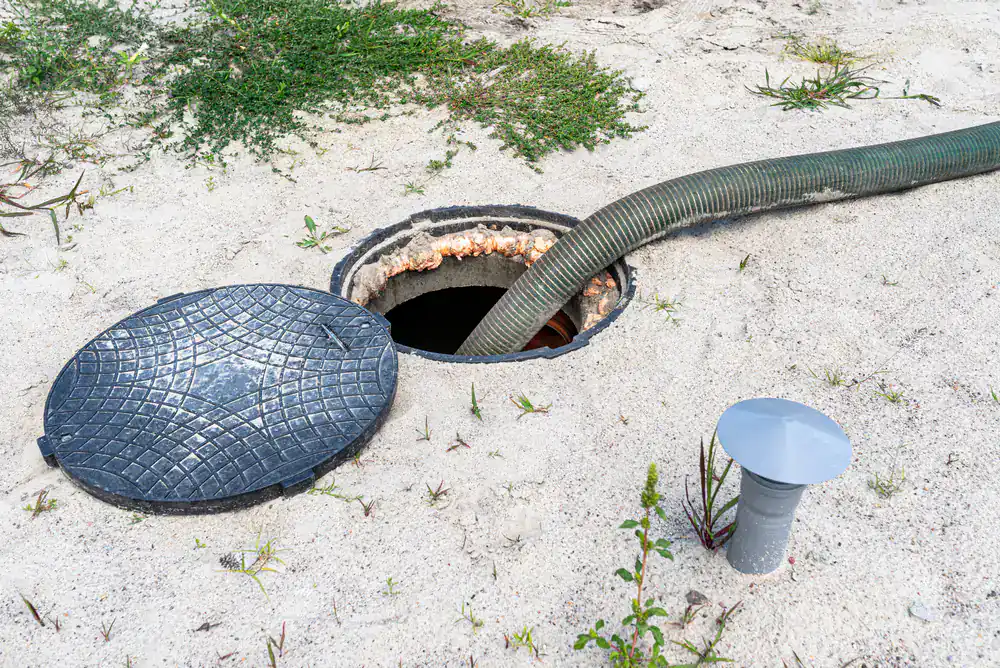
No slow drains. No sewage smell drifting through the house on a warm evening. No panic call on a Sunday because something finally gave out after years of being ignored. When your cesspool is pumped on a proper schedule, you’re not just avoiding a mess you’re protecting a home that’s worth protecting.
In West Hills, that matters more than most people think. With median property values pushing well past $741,900 and many homes trading hands at close to seven figures, a cesspool that lacks documentation or has been quietly neglected is a real liability. Buyers at this price point have thorough inspectors and attorneys who will find it. Getting ahead of that with a proper pump-out and written service record removes a known risk before it becomes someone else’s leverage.
There’s also a soil factor here that most homeowners aren’t aware of. Unlike the sandier terrain on Long Island’s south shore, West Hills sits on upland ground with clay-heavy soil that slows how quickly liquid leaches out of the system. That means solids accumulate faster than the standard pumping guidelines suggest. If you’ve been going by the generic “every three to five years” rule, your system may already be closer to capacity than you realize.
We’re a family-owned cesspool and drainage company based in West Babylon, Suffolk County about fifteen miles south of West Hills on the Route 110 corridor. We’ve been doing this work for over thirty years, and that experience is specifically Long Island experience: the older housing stock, the clay-heavy upland soils that define West Hills and the surrounding North Shore, the county regulations, the systems that were installed decades ago and never properly documented.
West Hills has some of the oldest residential properties on the North Shore. Homes in this hamlet were built across multiple eras, and many of the cesspools serving them were installed before modern records were kept no site maps, no permit history, no visible covers. Finding those systems before any work can begin is something we handle regularly. It’s not a special request here; it’s just part of the job.
When a technician shows up at your property, they explain what they’re doing. They answer questions. They don’t disappear into the yard and hand you a bill for work you can’t verify. That’s the standard every job is held to.
The first thing that happens is a call with a real person. Not a voicemail, not a callback form a live conversation where you describe what’s going on, get a clear sense of what the visit will involve, and agree on timing. If it’s an emergency, the goal is same-day. If it’s scheduled maintenance, you get a time window and we show up in it.
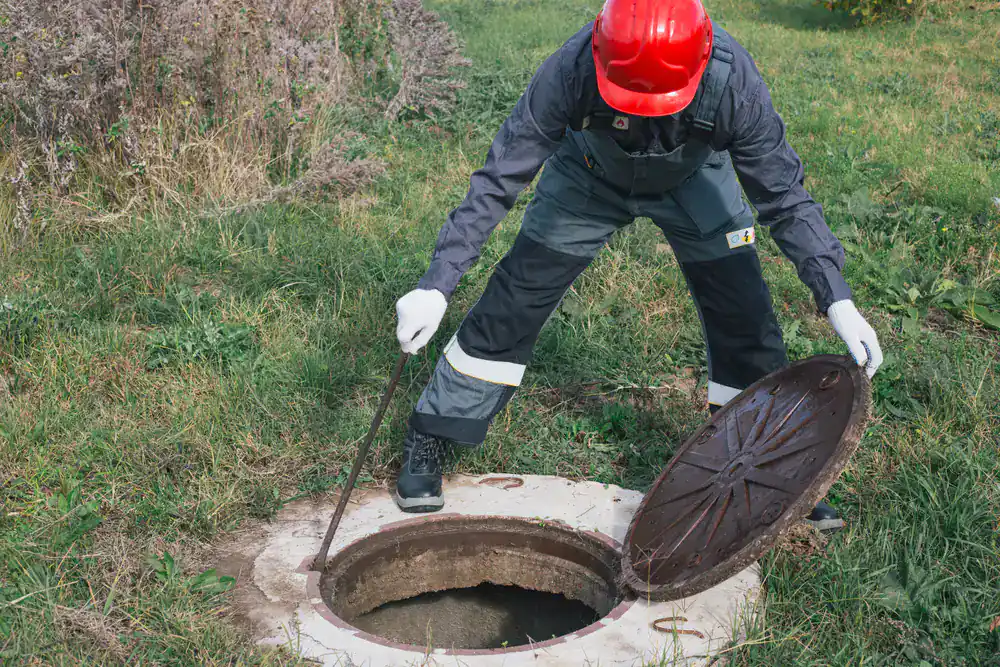
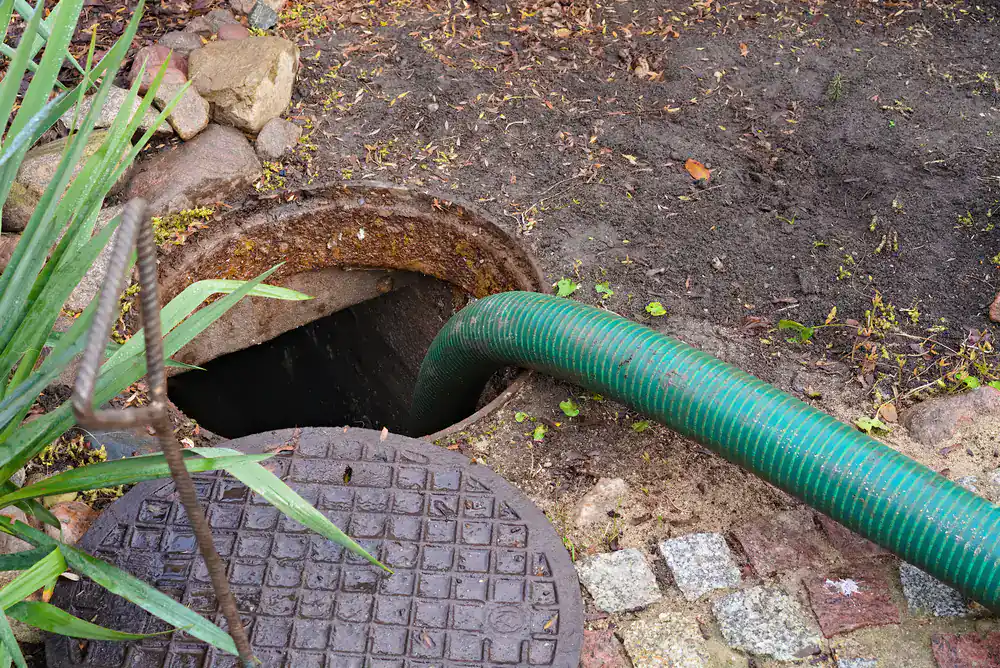
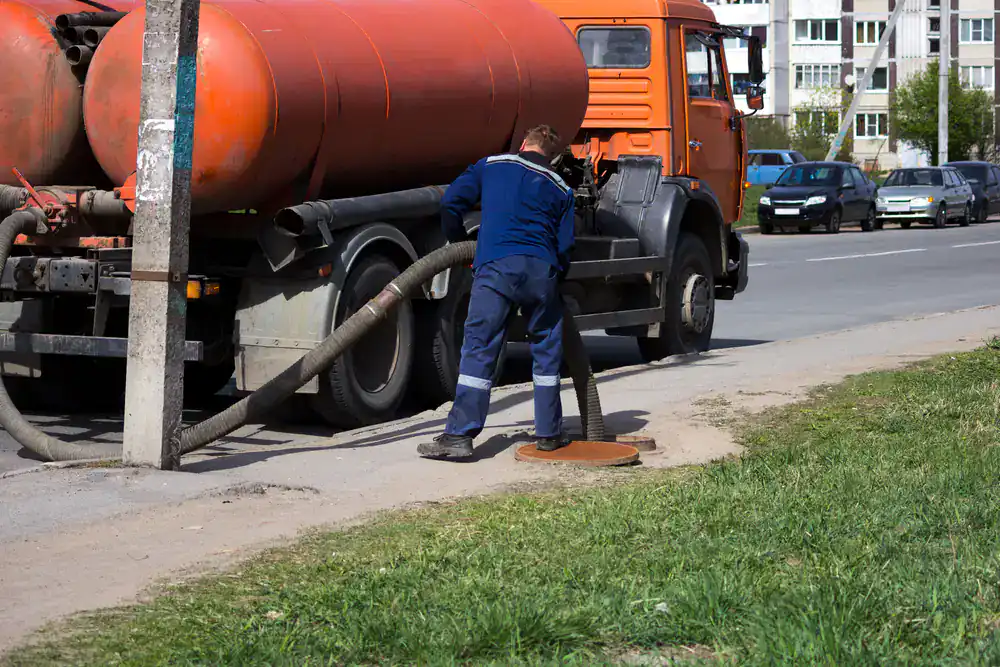
When the crew arrives at your property, the first task is locating the system if the access point isn’t already known. On West Hills properties where mature trees, dense landscaping, and decades of overgrowth are common this step matters. We have the equipment and experience to locate buried covers without tearing up your yard. Once access is confirmed, the pumping begins: liquid waste and accumulated solids are removed from the system using a tanker truck, and the crew checks the condition of what they can see while they’re in there.
After the work is done, you receive written documentation of the service. That record matters in Suffolk County it’s what the health department tracks, and it’s what a buyer’s attorney will ask for when you sell. Under Suffolk County’s regulations, all cesspool work must be performed by a licensed contractor with the required Consumer Affairs license and LILWA certification. We carry both.
Ready to get started?
Cesspool pumping and cesspool cleaning are not the same thing, and it’s worth understanding the difference before you book. Pumping removes the liquid and floating solids from the system. Cleaning goes further it involves more thorough removal of hardened sludge that has settled at the bottom, along with an inspection of the system’s walls and structure. Many homeowners assume they’re getting a full cleaning when they’re only getting a pump-out. We’re straightforward about what each service involves so you know exactly what you’re paying for.
For West Hills homeowners specifically, the clay-heavy soil conditions in this area mean that sludge accumulates at a faster rate than it does in communities with sandier ground. That makes the thoroughness of each service visit more consequential. A system that’s only partially cleared will reach capacity again faster and in a hamlet where many cesspools are already aging and underdocumented, partial service isn’t a smart gamble.
The full scope of what we handle includes cesspool pumping, cesspool cleaning, drain cleaning, septic pumping, and full system installation when a replacement is required under Suffolk County’s current I/A OWTS regulations. If your system is beyond routine maintenance, we can assess that honestly and walk you through what comes next without steering you toward work you don’t need.