Useful Links
Other Services we provide in Farmingville
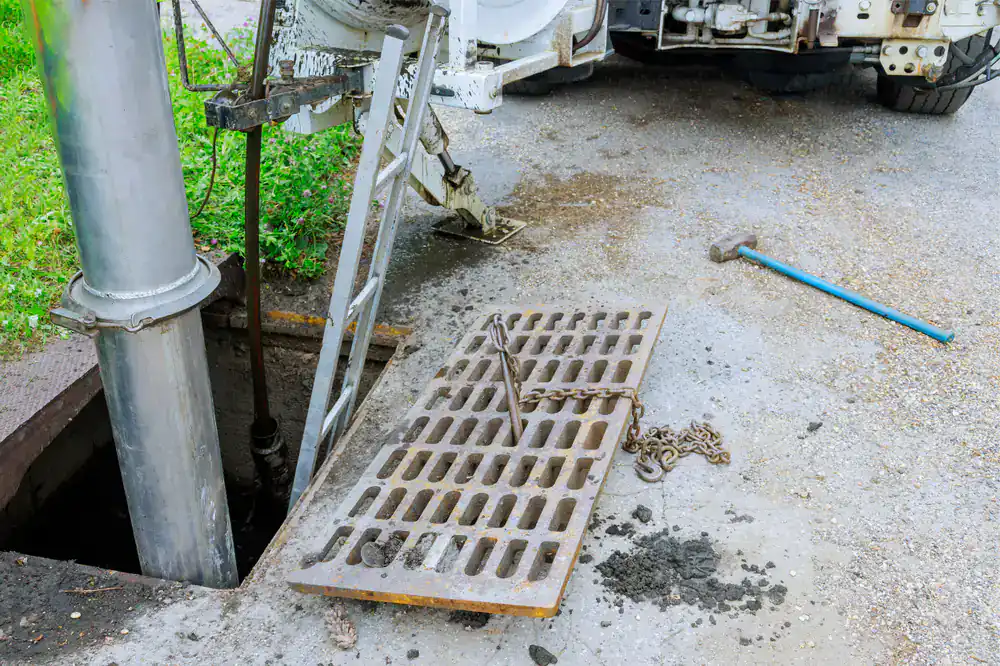
A lot of it comes down to what’s underground and how long it’s been there. Most homes in Farmingville were built in the 1970s, which means the sewer laterals and cesspool systems beneath them are now 50 or more years old. The Ronkonkoma Moraine the glacial formation that gives Farmingville its hilly terrain and puts Bald Hill at 331 feet creates a heterogeneous mix of gravel, clay, sand, and silt underground. That variability causes uneven settling around buried pipes over time, which opens joints that were once tight.
Once a joint opens even slightly, tree roots find it. Farmingville’s mature suburban tree canopy oaks and maples that have been growing since the neighborhood buildout means root systems are large, established, and actively seeking moisture. The result is that recurring main line clogs in Farmingville are often root-related, not just grease or buildup. A plumbing camera inspection is the only reliable way to know which problem you’re actually dealing with.
This is one of the most common points of confusion for homeowners in Farmingville, and it’s genuinely hard to tell from inside the house. A full cesspool behaves a lot like a blocked drain water drains slowly, multiple fixtures back up at the same time, or you hear gurgling in the toilet when you run the sink. The difference is that clearing the drain line won’t fix anything if the cesspool is the real issue. Water will back up again within days.
The clearest indicators of a cesspool problem rather than a drain problem are when multiple fixtures are affected simultaneously and when the issue returns quickly after a drain cleaning. If your kitchen sink, bathroom sink, and toilet are all draining slowly at the same time, that’s a main line or cesspool situation not three separate clogs. We can assess both in a single visit, which means you get an accurate diagnosis instead of paying to clear a drain that’s going to back up again because the cesspool was never looked at.
Hydro jetting uses high-pressure water to clean the interior wall of a drain or sewer pipe not just break through a clog, but remove everything attached to the pipe wall. That includes root material, grease buildup, mineral scale, and debris that’s been accumulating for years. Snaking, by contrast, punches a hole through a blockage but leaves the pipe wall largely untouched. For a simple clog in a bathroom drain, snaking is often enough. For a main sewer line with root intrusion or years of grease accumulation, hydro jetting is the treatment that actually lasts.
In Farmingville specifically, hydro jetting tends to come up most often for main line issues in older homes where root intrusion has been a recurring problem. If you’ve had the same main line snaked multiple times and the clog keeps coming back within a few months, that’s a strong signal that the root mass isn’t being fully cleared or that grease and debris are re-accumulating quickly on a rough pipe wall. A camera inspection before the service confirms whether jetting is the right call, and we use that inspection to make the recommendation not just default to the more expensive option.
Chemical drain cleaners from the hardware store are formulated to dissolve organic material hair, grease, soap but they rarely reach the actual location of a deep clog, and the acid content can damage older pipe materials over time. For a Farmingville home with 1970s-era clay or concrete sewer laterals that have already been weakened by decades of ground movement, introducing harsh chemicals into a compromised pipe is a real risk. You might clear a surface clog temporarily while accelerating deterioration in a section of pipe that’s already under stress.
The more practical issue is that chemical cleaners don’t work on root intrusion at all. Roots aren’t dissolved by drain chemicals they require mechanical removal through snaking or hydro jetting. If your clog is root-related, which is common in Farmingville given the mature tree canopy and aging pipe joints in this area, a bottle of drain cleaner won’t do anything except delay a call to a professional. For anything beyond a minor, isolated fixture clog, a professional assessment will save you time and money compared to repeated chemical treatments that don’t address the underlying problem.
For most single-family homes, professional sewer line cleaning every 18 to 22 months is a reasonable maintenance interval to prevent major backups and catch developing problems before they become emergencies. That said, Farmingville homes with mature trees close to the sewer lateral which describes a significant portion of the hamlet’s residential properties may benefit from more frequent inspections, particularly in spring when root growth accelerates as trees come out of dormancy. That’s consistently the busiest season for main line drain calls across central Suffolk County.
If your home has never had a camera inspection of the main sewer line, that’s a useful starting point regardless of whether you’ve had any drain problems. For a house built in the 1970s which covers most of Farmingville’s residential stock knowing the current condition of the lateral is genuinely valuable information. It tells you whether you’re working with a clean line that just needs routine maintenance or a pipe with root intrusion or joint damage that warrants a different approach.
Yes. We offer reduced rates for firefighters, police officers, EMTs, teachers, government employees, and veterans. Farmingville is served by local fire and EMS, falls within the Sachem Central School District one of the largest school districts on Long Island, with Sachem High School East located right on Granny Road in the hamlet and has a meaningful number of residents who work in public service roles throughout Brookhaven Town and the broader Suffolk County area.
If you or someone in your household qualifies, mention it when you call. The discount applies to the service, and coupons or discounts cannot be combined with other offers. It’s worth asking upfront so the estimate reflects it from the start.
Hear from Our Customers
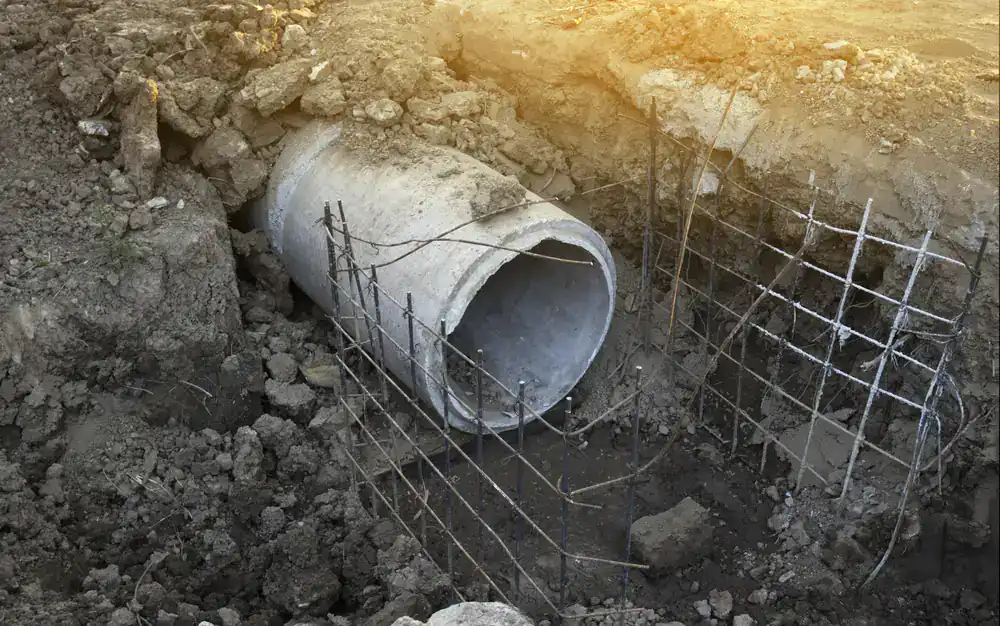
When a drain backs up in a Farmingville home, it rarely comes out of nowhere. Most homes here were built in the 1970s, and the cesspool and sewer lateral infrastructure underneath them is right there in age. Decades of subtle ground movement through the Ronkonkoma Moraine’s irregular mix of gravel, clay, and sand has been quietly stressing pipe joints that were never designed to flex. When those joints open up, tree roots from a 50-year-old oak or maple find them fast.
Getting the drain cleaned the right way means the problem doesn’t come back in six weeks. Hydro-jet cleaning scours the full interior wall of the pipe not just the clog itself so grease, root material, and built-up debris come out completely, not just enough to let water pass again. That’s the difference between a temporary fix and a drain that actually holds.
For Farmingville homeowners, there’s another layer that’s easy to miss. Because nearly every residential property here runs on a private cesspool rather than a municipal sewer connection, a slow drain or a backed-up toilet is often not a drain issue at all. It’s a cesspool that’s full. We handle both in one visit, which means you get a real answer not just a cleared drain that backs up again because the actual problem was never addressed.
We’ve been working through Farmingville’s specific combination of aging cesspools, morainal soil conditions, and root-invaded sewer lines for over 30 years. That experience matters because Farmingville’s underground infrastructure has its own character the Ronkonkoma Moraine creates soil variability that affects how pipes settle and how quickly joints open up compared to the flat outwash plains on the South Shore.
We’re bonded and licensed, meeting every Suffolk County requirement for liquid waste handling, drain cleaning, and cesspool service. When a technician shows up at your door off North Ocean Avenue or Horseblock Road, they’re not running a diagnostic script they’re drawing on real familiarity with what’s typically going on beneath homes in this part of Brookhaven Town.
Free estimates before any work begins. No surprise charges when the invoice arrives.
It starts with a phone call and someone actually picks up. Whether it’s 9 AM on a Tuesday or 11 PM on a Thursday after you’ve come home through Exit 63 off the LIE and found water backing up in the basement, we’re available around the clock, every day of the year. Same-day service is available for urgent situations, which matters in a commuter household where waiting three days for a service window isn’t realistic.
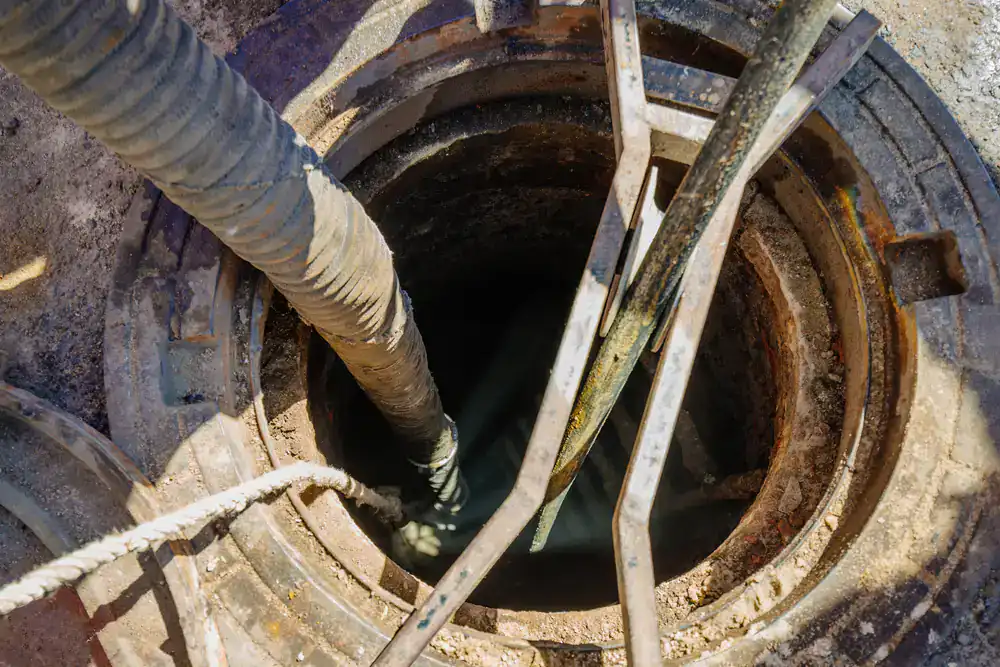
Once we arrive, the first step is figuring out what’s actually happening. That means a proper assessment and for main line issues, a plumbing camera inspection to look inside the pipe. In Farmingville, where 1970s-era clay and concrete laterals have been shifting under morainal soil for decades, the camera often reveals root intrusion at a joint that’s been slowly separating. That’s something a snake alone would never show you, and it’s the difference between fixing the problem and masking it.
From there, the method matches the diagnosis. A simple fixture clog is handled differently than a root-compromised main line. For the more serious cases, hydro-jet cleaning uses high-pressure water to clear the full pipe wall roots, grease, scale, and all. If the assessment shows the issue is actually cesspool-related rather than a drain problem, that gets handled in the same visit. One trip, complete picture, real fix. Suffolk County’s licensing requirements for this kind of work are specific, and we carry every credential required to operate legally and safely in Farmingville.
Ready to get started?
Drain cleaning in Farmingville covers more ground than it does in a lot of other Long Island communities. Because the residential fabric here is almost entirely single-family homes on private cesspools with Suffolk County’s ARPA-funded sewer expansion focused on commercial corridors, not residential streets the average homeowner is fully responsible for everything underground. That includes the drain lines inside the house, the lateral running to the cesspool, and the cesspool itself.
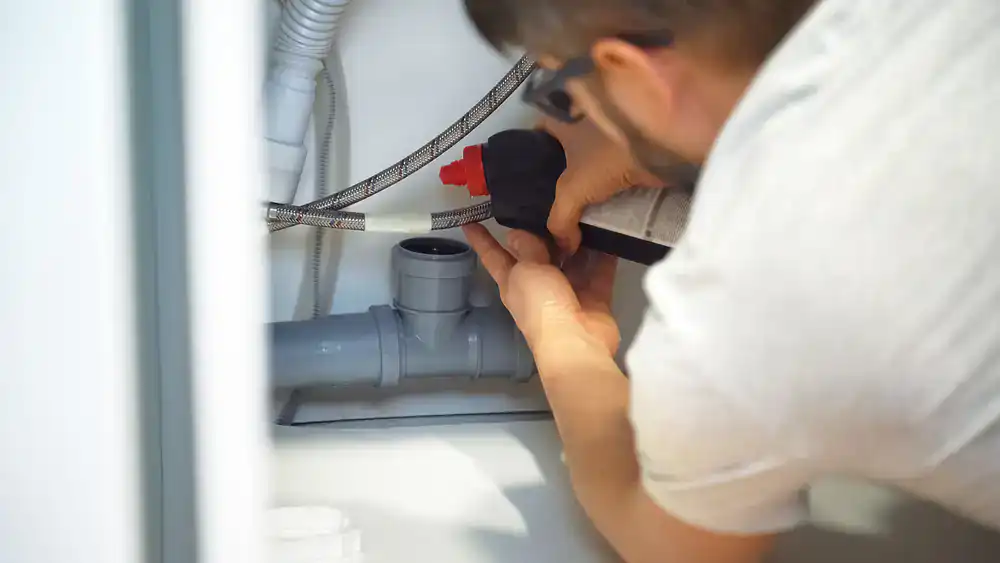
We handle all of it. Kitchen drains clogged with grease, bathroom drains backed up with hair and soap buildup, floor drains in utility rooms, and main sewer line blockages from root intrusion each gets assessed and treated based on what the inspection actually shows. The camera goes in before the treatment is decided, not after. Hydro-aeration, thorough sludge removal, and sulfuric acid treatments for mineral and organic buildup are available when the cesspool is part of the picture. House trap installation and mainline replacement are also on the table when cleaning alone won’t hold.
Spring is the most active season for root intrusion calls in Farmingville. As the mature oaks and maples come out of dormancy each year, root growth accelerates and the calls follow. If you’ve had the same main line cleared two or three times in recent years, a camera inspection during that window will tell you whether you’re dealing with a recurring grease issue or a root problem that needs a more permanent solution.