

Useful Links
Other Services we provide in North Babylon
Yes, and it’s worth understanding how this works before you do anything else. The Suffolk County Septic Improvement Program (SIP) offers combined Suffolk County and New York State grant funding of up to $45,000 for qualifying I/A OWTS installations as of July 2025. That’s a significant amount of money, and for most North Babylon homeowners facing a $20,000 to $40,000 installation, it’s the difference between a manageable project and a financial strain.
The critical detail most people miss: the grant has to be applied for and awarded before installation begins. You cannot install the system and then apply for reimbursement. The grant funds are also assigned directly to the approved installer they don’t come to you as a check. This means you need to be working with a contractor who is on the SIP approved installer list. If you’re exploring this program, that conversation needs to happen at the very start of the process, not once the excavator is already booked.
A cesspool is essentially a pit in the ground. Waste goes in, liquid seeps out into the surrounding soil, and solids accumulate at the bottom. There’s no treatment happening the effluent goes directly into the ground as-is. For North Babylon, which sits on a sole-source aquifer with fast-draining sandy soils, that means untreated waste nitrogen, bacteria, and other contaminants moves into the groundwater relatively quickly.
A septic system is a step up. It includes a tank that separates solids from liquids, allowing the liquid effluent to flow into a leach field where it gets filtered through the soil before reaching the water table. An I/A OWTS goes further it actively treats the effluent to reduce nitrogen by up to 70% compared to a conventional system. Suffolk County banned new cesspool-only installations in July 2019, so if your system needs replacement, you’re already looking at a modern septic system at minimum. Understanding the distinction helps you have a more informed conversation with any contractor you’re evaluating.
Yes, without exception. Any cesspool replacement or septic system installation in North Babylon falls under Article 6 of the Suffolk County Sanitary Code, and all work must be permitted through the Suffolk County Department of Health Services before installation begins. This isn’t optional and it isn’t something a legitimate contractor will skip.
The permit process involves submitting an application to SCDHS, which typically includes a site plan and in some cases a soil percolation test depending on system type and lot conditions. Perc tests generally run between $500 and $1,500, and permit fees are typically in the $200 to $500 range. Once submitted, the permit review process usually adds a few weeks before work can begin which is one reason why getting started early matters, especially if you’re dealing with a system that’s showing signs of stress. Contractors also need to register the work through the SHIP portal. If someone is offering to skip the permit to save time or money, that’s a red flag, not a convenience.
The honest answer is that it depends on where you are in the process. The active installation work itself excavation, installation of the new system, abandonment of the old one typically takes one to three days for a standard residential property. Many jobs in North Babylon’s single-family home stock are completed in a single working day, which is something customers of ours have specifically noted in reviews.
What adds time is the front end of the process: site assessment, permit filing with SCDHS, and if you’re pursuing SIP grant funding the grant application and approval period. That portion can take several weeks depending on current processing times. If your system is already showing signs of failure, that timeline matters. Getting the assessment and permit process started before things become an emergency gives you the most control over scheduling and keeps the project on your terms rather than the system’s.
The old system doesn’t just get abandoned in place and forgotten there’s a documented process for decommissioning it properly. The cesspool is pumped out completely, then either crushed and filled with appropriate material or otherwise rendered inoperable in accordance with SCDHS requirements. The goal is to eliminate any ongoing risk of collapse or contamination from the old structure.
This step also generates paperwork, which matters more than most homeowners realize. The abandonment of the old system is documented as part of the installation record, and that documentation becomes part of your property’s file with SCDHS. For North Babylon homeowners who may eventually sell and at current median listing prices, that’s a significant transaction having clean, complete records of both the old system’s proper decommissioning and the new system’s installation is something buyers, their agents, and their lenders will look for. Keeping those records somewhere accessible is worth doing from day one.
This is one of the most common questions, and it’s a fair one the fear of being pushed toward a full replacement when a repair would do the job is real and documented across the industry. The honest answer is that you need an actual site assessment to know, and any contractor who gives you a definitive answer over the phone without seeing the property is guessing.
That said, there are patterns worth knowing. North Babylon’s housing stock is predominantly postwar construction most homes were built between 1940 and 1960, which means the cesspools beneath them are 60 to 80 years old. These systems were designed to last 25 to 40 years under normal use. A cesspool that’s operating 30 or 40 years past its design life isn’t a candidate for a patch it’s a candidate for replacement, and Suffolk County’s 2019 regulations mean that replacement has to meet modern standards regardless. If your home falls into that age range and you’re seeing slow drains, wet spots in the yard, or sewage odors, those aren’t signs of a fixable problem. They’re signs that the system has run its course. A proper assessment will confirm it either way, and a written estimate before any work begins is how you protect yourself from surprises once the job starts.
Hear from Our Customers
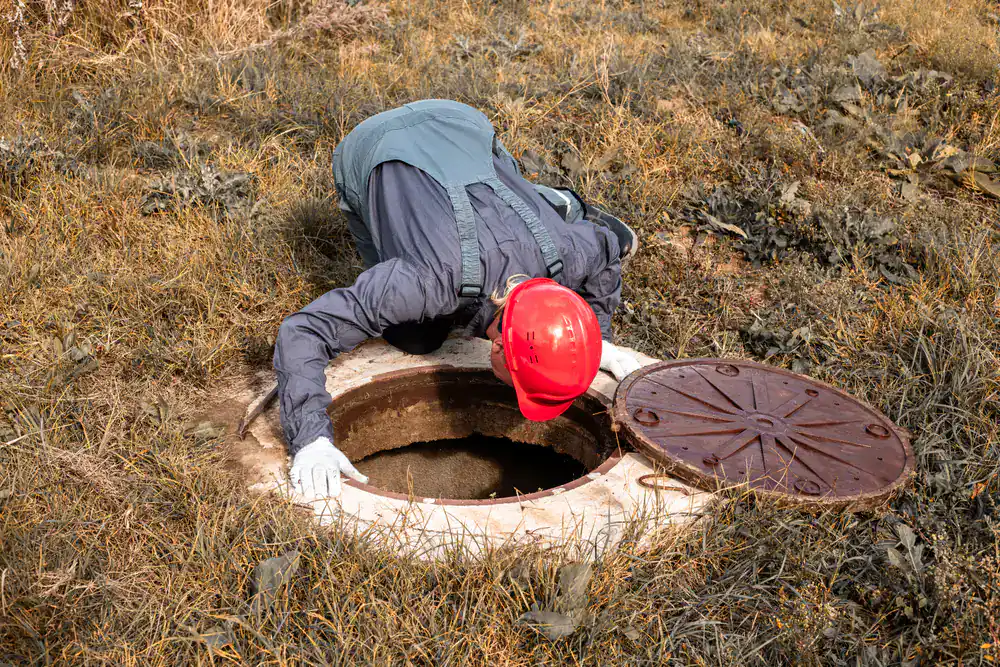
When a properly installed septic system replaces a failing cesspool, the most immediate thing you notice is that the problem is gone. No more slow drains, no more odors creeping up from the yard, no more quietly hoping nothing gets worse before you can deal with it. That’s not a small thing especially when you’ve been putting it off.
For North Babylon homeowners specifically, there’s more at stake than just the plumbing. The hamlet sits on a sole-source aquifer that supplies drinking water to the entire island. The sandy glacial soils beneath your property drain quickly, which means whatever your cesspool is leaching nitrogen, bacteria, untreated waste moves into the groundwater fast. A modern septic system, and especially an I/A OWTS nitrogen-reducing system, cuts that contamination dramatically. It’s a meaningful upgrade for your household and for the neighborhood around you.
There’s also the financial picture to consider. A compliant, documented septic system adds real value to a home in an active real estate market like North Babylon’s, where median listing prices are sitting around $649,000 as of mid-2026. Buyers and their lenders look at this closely. Getting ahead of it on your own timeline rather than scrambling to satisfy an inspection contingency before closing puts you in a much stronger position.
Drastic Drainage Long Island is based in West Babylon, which shares a border with North Babylon and falls under the same Town of Babylon regulatory framework. This isn’t a company driving in from the East End or sending a technician who’s never filed a Suffolk County permit before. We’ve been working in this part of the island for over 30 years, navigating the same SCDHS process, the same soil conditions, and the same aging postwar housing stock that defines neighborhoods throughout the 11703 zip code.
We’re family-owned and operated. When you call, a real person picks up. When we give you a time, we show up at that time. That consistency shows up in the reviews customers specifically mention that someone answered the phone, gave a straight answer, and arrived when they said they would. In a service industry full of vague scheduling windows and surprise charges, that’s not standard. It should be, but it isn’t.
From the initial assessment through permit filing, installation, and post-installation documentation, the work is handled by the same team start to finish. No hand-offs, no confusion about who’s responsible for what.
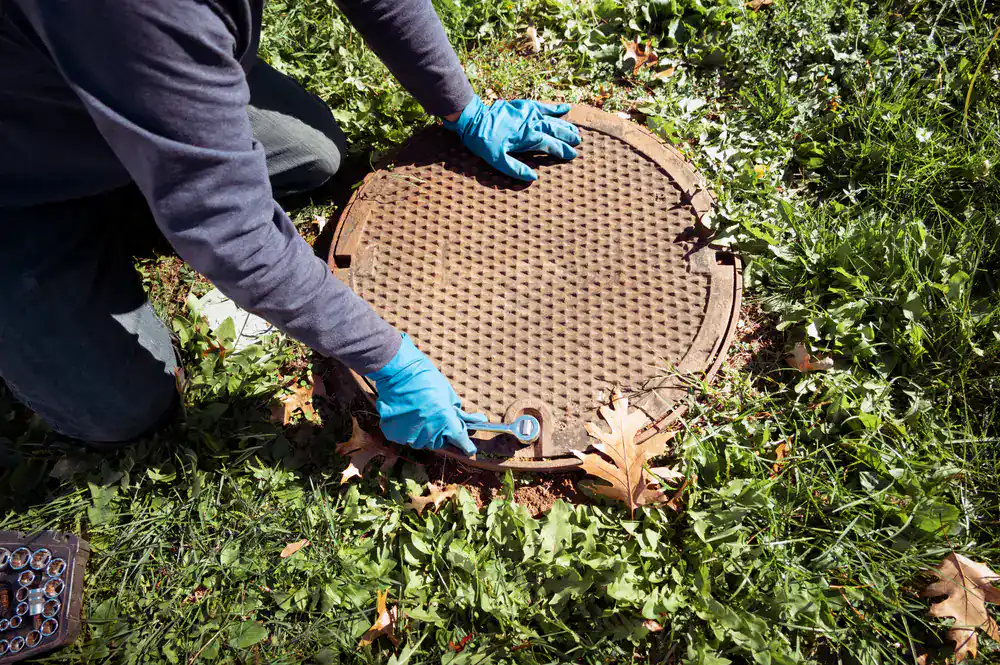
It starts with a site assessment. Before any numbers are put on paper, someone needs to look at your property the lot size, the location of your existing cesspool, the soil conditions, and what your current system is actually doing. North Babylon’s sandy outwash soils percolate quickly, which is generally favorable for leach field design, but every lot is different. Older properties in this hamlet sometimes have cesspools that were never formally documented, and locating them accurately before any excavation is a step that matters.
Once the site is evaluated, the next phase involves permit filing with the Suffolk County Department of Health Services under Article 6 of the Suffolk County Sanitary Code. This is a required step before any installation work begins and it’s also the phase where grant eligibility through the Suffolk County Septic Improvement Program needs to be confirmed and applied for if you qualify. The grant must be in place before installation starts, not after. Skipping this step costs homeowners real money.
After permits are secured, the installation itself typically takes one to three days of active work for a residential property. The old system is properly abandoned pumped, filled, and documented and the new system goes in. Most jobs are wrapped in a single working day. You’ll receive installation records at the end, which you’ll want to keep on file for future real estate transactions or SCDHS inquiries.
Ready to get started?
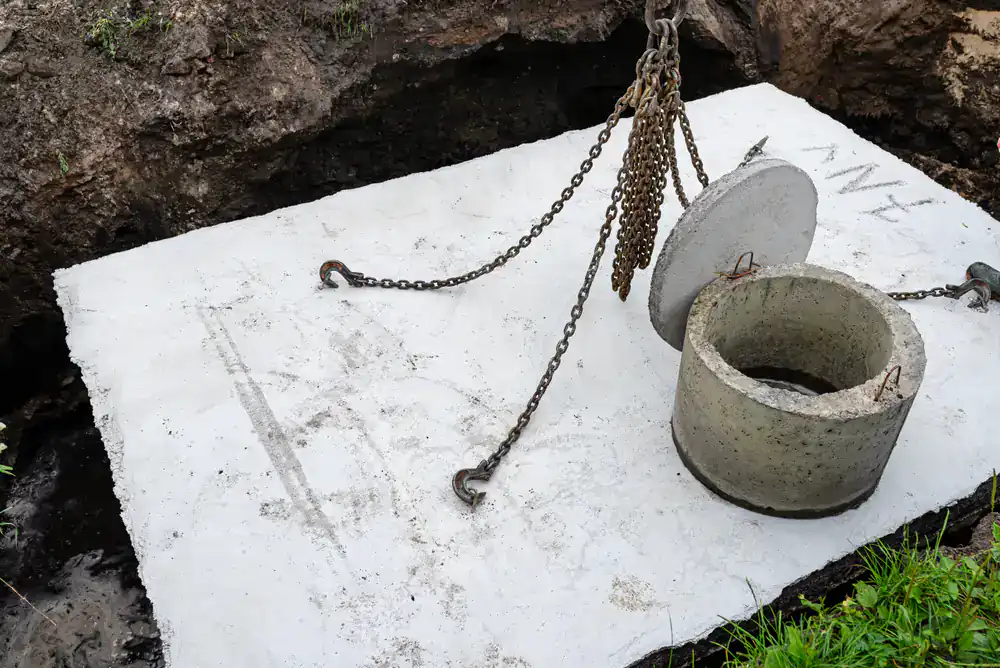
Septic installation in North Babylon isn’t a single-step job, and the scope of what’s involved depends on your property’s specific situation. For homes in the Town of Babylon where a cesspool is being replaced, Suffolk County’s 2019 regulations mean a simple like-for-like cesspool swap is no longer an option. The replacement must meet modern septic standards at minimum and in many cases, particularly for properties triggering certain renovation thresholds or located in sensitive groundwater recharge areas, an I/A OWTS (innovative/alternative onsite wastewater treatment system) is required. These nitrogen-reducing systems are the standard the county is moving toward, and they’re what the Suffolk County Septic Improvement Program grant funding is tied to.
We handle septic systems across a range of designs, styles, and sizes depending on what the property requires. The process includes the site assessment, soil evaluation, permit coordination with SCDHS, excavation, installation, proper abandonment of the existing system, and post-installation documentation. For homeowners in North Babylon who are exploring SIP grant eligibility, the conversation about system type and grant timing needs to happen before any work is scheduled not after.
We serve both residential and commercial properties, and our coverage extends across Nassau and Suffolk Counties. If your property sits near the county border not uncommon for western Suffolk hamlets like North Babylon that’s not a problem. One company handles both sides.
