

Useful Links
Other Services we provide in Port Jefferson
Yes, Port Jefferson properties are eligible for the Suffolk County Septic Improvement Program, which offers grants for qualifying I/A OWTS installations. As of 2025, combined State and County grant funding can reach up to $45,000 for eligible properties. To qualify, your home needs to be on an existing cesspool or conventional septic system, not connected to public sewer, have a valid certificate of occupancy, and have no outstanding tax liens or foreclosure proceedings.
One important detail that catches a lot of homeowners off guard: the grant has to be approved before installation begins. You cannot install the system first and apply for reimbursement afterward. The grant funds are also paid directly to us as the approved installer not to you so working with a contractor who understands the SIP process matters. Beyond the county program, Port Jefferson’s location within the Long Island Sound watershed may also make your property eligible for additional funding through the Long Island Sound Septic System Replacement Fund, which is a separate program worth exploring alongside the SIP application.
It affects it more than most homeowners expect. Port Jefferson sits on the Harbor Hill moraine, which means the soil beneath your property is clay-heavy and glacially deposited very different from the sandy, fast-draining soils you’d find in South Shore communities. Clay-heavy soil holds water and drains slowly, which directly affects perc test results. If your soil absorbs water too slowly to support a conventional drainfield, you may need an alternative system design a mound system, a pressurized shallow drainfield, or a specific I/A OWTS configuration that accounts for those drainage rates.
This is exactly why a site visit and soil evaluation are required before any system is designed or priced. Two properties on the same street in Port Jefferson can have meaningfully different soil conditions depending on their elevation, slope, and proximity to the harbor. A contractor who skips the evaluation and quotes you a standard system without seeing your land is guessing and that guess can become a very expensive problem if the design fails an SCDHS review or doesn’t perform after installation.
Since July 1, 2019, Suffolk County has banned new cesspool-only installations. That means if your existing cesspool fails or needs to be replaced, you cannot simply swap it for a new cesspool. At minimum, the replacement must meet modern septic tank standards. In many cases particularly for properties near Port Jefferson Harbor or Long Island Sound the replacement will need to be an I/A OWTS nitrogen-reducing system, especially if your home has five or more bedrooms or is undergoing significant renovation.
A cesspool and a septic system are not the same thing, even though the terms get used interchangeably. A cesspool is a pit that allows raw waste to seep directly into the surrounding soil with no treatment. A septic system includes a tank that separates solids from liquids and a leaching field where treated effluent disperses. The distinction matters legally, environmentally, and for your property’s resale value. If you’re not sure what you currently have or what a replacement would require on your specific lot, that’s exactly what the initial site assessment is for.
The active installation work itself excavation, system installation, abandonment of the old system, and site restoration typically takes one day for most residential properties. That’s the part that actually disrupts your yard, and for most Port Jefferson homeowners, it’s over faster than they expected.
What takes longer is the period before installation begins. A permit application has to be filed with the Suffolk County Department of Health Services under Article 6 of the Sanitary Code, and that review process adds lead time before any work can start. If your property is near Port Jefferson Harbor or adjacent to tidal wetlands which applies to a number of homes in Belle Terre and Old Field there may also be additional NYSDEC review for wetland setback compliance, which can extend the pre-installation timeline further. If you’re applying for SIP grant funding, the grant approval also needs to come through before installation begins. The honest answer is that the permitting and approval phase is where most of the calendar time goes the installation day itself is fast.
Your old cesspool doesn’t just get left in the ground and forgotten. Under Suffolk County regulations, it has to be properly abandoned that means the system is pumped out completely, and then the structure is either crushed in place or filled with an approved material to prevent it from becoming a void or a collapse risk beneath your property. We document this abandonment process and provide those records along with the installation records for the new system.
This matters more than it might seem. If you sell your home down the road, your buyer’s attorney or inspector will want documentation showing the old system was properly decommissioned and the new system was installed with valid permits. Gaps in that paperwork create problems at closing. For older Port Jefferson properties particularly those in the village with homes that date back several generations there’s sometimes the issue of an unmapped or unmarked secondary cesspool that surfaces during excavation. We’re experienced in locating what’s underground before the work starts, which reduces the chance of unexpected discoveries mid-job.
For a lot of Port Jefferson sellers, the answer is yes and the math usually makes sense when you work through it. With median home values in Port Jefferson ranging from roughly $500,000 to over $700,000, a failed septic inspection during a home sale can trigger a renegotiated price, a delayed closing, or a collapsed deal entirely. Buyers in this market many of them professionals connected to Mather Hospital or Stony Brook University are sophisticated enough to know what a failing system means for their future costs, and they’ll price it into any offer accordingly.
Installing a compliant, permitted system before listing removes that leverage from the negotiation. It also gives you cleaner documentation to present to buyers and their attorneys. And if your property qualifies for SIP grant funding which many Port Jefferson homes do the out-of-pocket cost of the installation may be substantially reduced or eliminated entirely. That changes the calculus significantly. A system that might cost $20,000 to $40,000 without grant funding could cost you far less, while adding a documented, permitted upgrade that buyers and their lenders can verify.
Hear from Our Customers
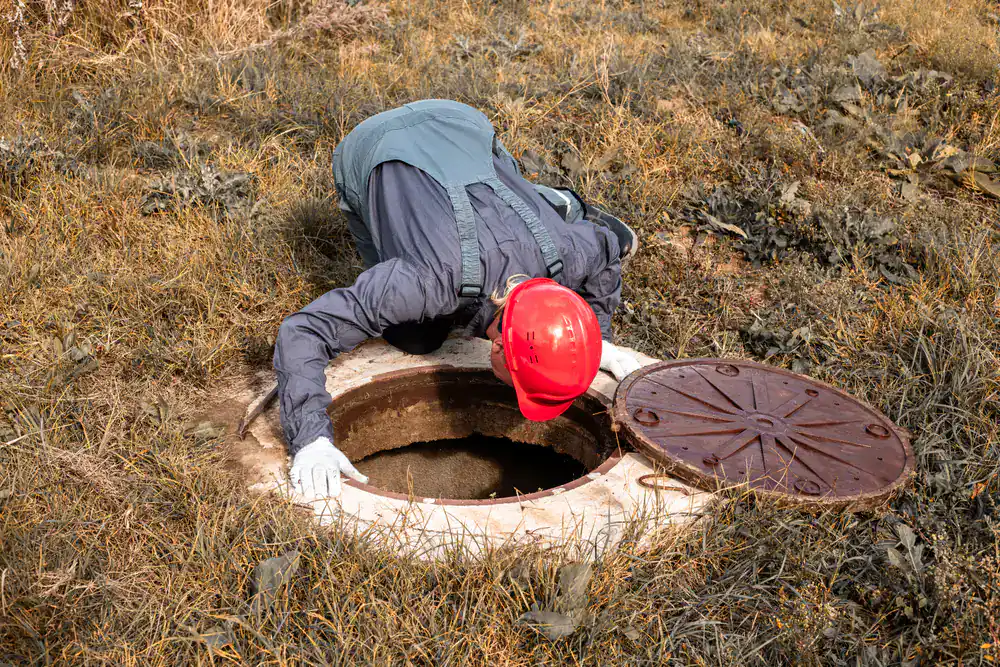
Port Jefferson sits on the Harbor Hill moraine a glacially deposited ridge system that creates the hilly, rolling terrain the village is known for. What most homeowners don’t realize is that the clay-heavy soils underneath that terrain hold water, drain slowly, and behave very differently from the sandy soils found in South Shore communities. That matters a lot when it comes to septic system design.
A contractor who’s only worked on flat, sandy lots can design a system that fails a perc test or doesn’t account for the drainage patterns specific to Port Jefferson properties. Getting this right from the start saves you from costly redesigns and delays.
Once a properly designed system is in the ground, the difference is immediate and lasting. No more slow drains creeping up on you, no more sewage smells drifting through the yard, and no more wondering whether your system is quietly failing beneath the surface. For properties near Port Jefferson Harbor a designated No Discharge Zone upgrading to a nitrogen-reducing I/A OWTS system means you’re no longer contributing to the water quality problems that researchers have specifically documented in this harbor.
There’s also a financial reality worth understanding. Suffolk County and New York State currently offer combined grants of up to $45,000 for qualifying I/A OWTS installations, and Port Jefferson properties within the Long Island Sound watershed may be eligible for additional funding through the Long Island Sound Septic System Replacement Fund. For many homeowners here, a system that would otherwise cost $20,000 to $40,000 ends up costing significantly less or nothing at all out of pocket.
We’re a family-owned company based on Long Island, and the team behind every job has over 30 years of hands-on experience with the specific conditions, regulations, and soil types that define this region including the North Shore. The clay-heavy glacial soils around Port Jefferson, the wetland setback considerations for properties in Belle Terre and Old Field, the SCDHS permit process none of this is new territory for us.
What you’ll notice right away is that a real person picks up the phone, gives you an honest arrival window, and shows up when they said they would. That sounds like a low bar, but in this industry it’s genuinely rare. Customers mention it in reviews because it actually stands out. We’re not a franchise operation running calls through a national center we’re a local company where the people doing the work are the same people you spoke with when you called.
We serve both Nassau and Suffolk Counties, which means homeowners throughout the Port Jefferson area including Port Jefferson Station, Mount Sinai, and the surrounding incorporated villages are well within our regular service area.
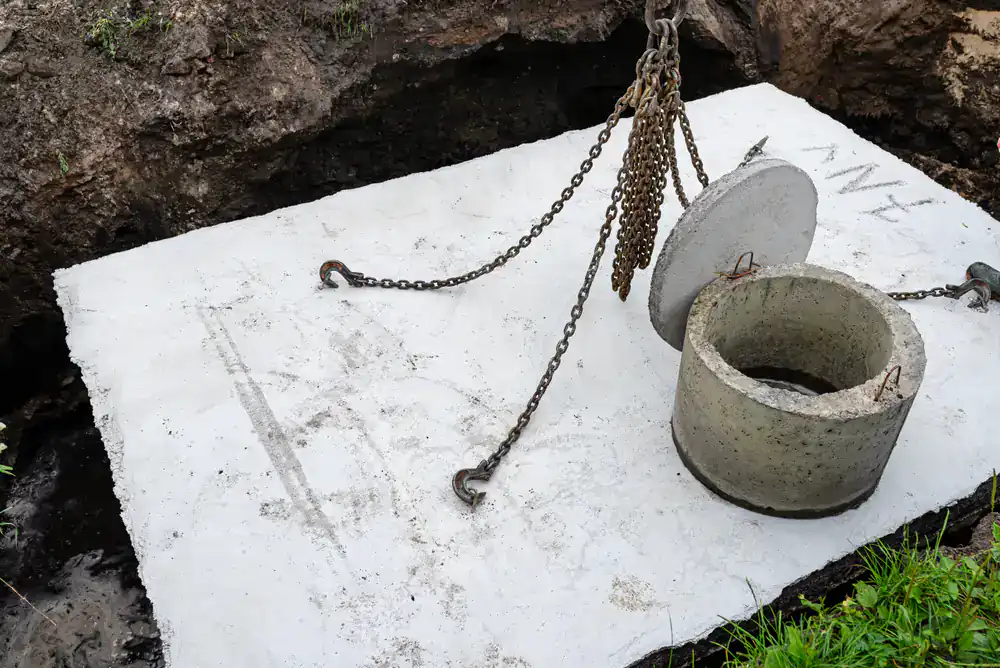
It starts with a site visit. Before anything is quoted or scheduled, we assess your property the terrain, the existing system, the soil conditions, and any site-specific factors that affect what type of system will work here. For Port Jefferson properties, that often means paying close attention to slope, drainage patterns, and how the clay-heavy moraine soils are likely to perform on a perc test.
If your property is near Port Jefferson Harbor or adjacent to tidal wetland areas which applies to a number of homes in Belle Terre and Old Field we factor in the applicable setback requirements before any system design is finalized.
From there, we handle the permit filing with the Suffolk County Department of Health Services. This is a required step under Article 6 of the Suffolk County Sanitary Code, and it has to happen before any installation work begins. The permit process adds some lead time, but it also protects you a system installed without proper SCDHS approval creates problems at resale and can result in fines. We walk you through what’s needed, file on your behalf, and keep you informed on timing.
Once permits are in hand, most residential installations are completed in a single day. Our crew handles excavation, installation, proper abandonment of the old system, and site restoration before they leave. If you’re pursuing SIP grant funding, we coordinate that process as well the grant needs to be approved before installation begins, and the funds flow directly to us as the contractor, not to you as a reimbursement after the fact. We make sure that’s handled correctly so you don’t lose eligibility on a technicality.
Ready to get started?
Every installation starts with a proper soil evaluation and perc test this is not optional under Suffolk County regulations, and it directly determines what system design will work on your specific lot. For Port Jefferson properties on the Harbor Hill moraine, perc test results in clay-heavy soil can vary significantly from one property to the next, which is why a site visit matters before any numbers are discussed. We design the system around what your land can actually support, not around what’s easiest to install.
If you’re replacing an old cesspool, the existing system has to be properly abandoned pumped out, crushed or filled, and documented. That’s part of what we handle, and we provide installation records for the new system when the work is complete. Those records matter when you sell the home, when SCDHS conducts a post-installation inspection, and when you need to demonstrate compliance under Article 6.
For properties that qualify for an I/A OWTS nitrogen-reducing system which is now required for most replacements in Suffolk County we work with SCDHS-approved system designs that meet the county’s advanced treatment standards. These systems reduce nitrogen discharge by up to 70% compared to a conventional cesspool, which is particularly meaningful for a community that lives alongside Port Jefferson Harbor and Long Island Sound. We also handle both residential and commercial installations, so if you’re operating a business in the village or along the waterfront, we can assess your needs there as well.
