
Useful Links
Other Services we provide in Mastic
The standard recommendation for a conventional septic tank is every three to five years, and for a cesspool, every one to two years. In Mastic, those intervals deserve a closer look. The Forge River watershed creates an unusually high water table throughout this area, which puts additional stress on drain fields and can cause systems to fill or fail faster than they would in a drier inland town.
If your home was built in the 1960s which describes a large portion of Mastic’s housing stock your system is old enough that more frequent monitoring makes sense regardless of the general guidelines. If you’ve recently bought a home in Mastic and don’t have any records showing when the system was last serviced, treat that as a signal to schedule a pump-out now rather than waiting to hit a calendar milestone. A technician can assess the current condition and give you a realistic picture of where things stand and how often to service it going forward.
The most obvious signs are the ones you notice inside the house first drains that are slower than usual, toilets that gurgle or back up, or a sewage smell coming from fixtures. Outside, you might see unusually green or spongy patches of grass over the drain field, or standing water in the yard that doesn’t match the recent rainfall. Any of these means the system is under stress and needs attention quickly.
What’s worth understanding is that by the time these symptoms appear, the system has usually been struggling for a while. The absence of visible problems doesn’t mean everything is fine it just means the failure hasn’t surfaced yet. In Mastic, where the high water table limits the drain field’s ability to handle overflow, a system that’s running behind on pumping can deteriorate faster than it would in a town with better drainage conditions. Don’t wait for the backup to confirm what a routine service call would have caught.
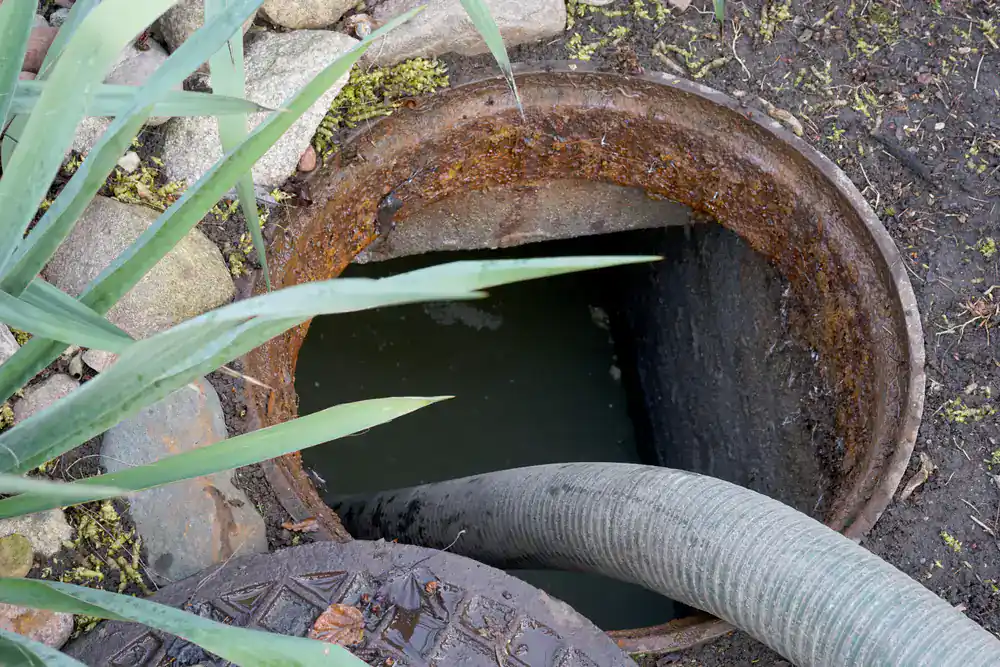
It matters quite a bit, and a lot of Mastic homeowners genuinely aren’t sure which one they have. The distinction comes down to how the system handles waste. A septic tank separates solids from liquids before sending effluent to the drain field it’s a two-stage process. A cesspool is simpler: it’s a buried chamber that collects everything and relies on the surrounding soil to absorb and filter the liquid.
Cesspools are far more common in older Long Island housing stock, and given that most homes in the 11950 ZIP code were built in the 1960s, there’s a good chance your property has a cesspool rather than a conventional septic tank. Why does it matter? Mainly because of service frequency. Cesspools need pumping more often typically every one to two years and they’re more vulnerable to soil saturation, which is a real factor in Mastic given the area’s proximity to the Forge River and the shallow water table. If you’re not sure what you have, a service call will answer that question quickly.
Start with the closing documents. If the previous owner had the system inspected or pumped as part of the sale, there should be a record. Suffolk County requires maintenance documentation for septic systems during real estate transactions, so there’s a chance something was filed though not always. If you can’t find records, contact the Town of Brookhaven or Suffolk County’s Department of Health Services, which may have permit or inspection records tied to the property.
If the paper trail comes up empty, the practical answer is to schedule a pump-out and inspection now. Mastic homes from the 1960s can have systems that haven’t been professionally serviced in years, and buying a house in a market where homes are selling in under three weeks doesn’t always leave time for thorough due diligence on underground infrastructure. Getting a current assessment gives you a baseline you’ll know exactly what condition the system is in and what, if anything, it needs. That’s worth more than guessing based on a calendar.
Yes, and it’s one of the more important local factors to understand if you own property in that part of Mastic. The Forge River watershed has a documented high water table, which is one of the reasons the $224 million sewer project was built to serve the area in the first place. When the water table sits close to the surface, your drain field has less capacity to absorb and treat effluent. That means the system fills faster, the drain field recovers more slowly after heavy rain, and the margin for error on a missed pumping cycle is smaller than it would be on higher, drier ground.
Properties along the Forge River corridor are also in areas that have experienced significant flooding including during Superstorm Sandy and subsequent storm events. Flooding can infiltrate aging tank structures with debris-laden water and compound the stress on a system that was already working hard. If your property is in or near a flood zone, it’s worth being more proactive about pumping schedules and getting a post-storm assessment after any significant weather event rather than waiting until something fails.
Once your property connects to the Forge River Sewer District, your existing onsite system whether it’s a cesspool or a septic tank needs to be properly abandoned. This isn’t something you can skip or handle informally. Suffolk County has specific regulations governing how onsite waste disposal systems must be decommissioned when a property connects to municipal sewer service, and the work has to be done by a licensed contractor.
Until that connection is actually made, your existing system still needs to function and still needs to be maintained. The sewer project is connecting properties over a period of years, and during that window, the cesspool or septic tank under your yard is still doing its job every day. Letting it go without service because you’re planning to connect eventually is how you end up with a backup or a failure while you’re still waiting for the hookup. We handle both the ongoing maintenance for properties awaiting connection and the abandonment work when the time comes so you’re not dealing with two different companies for what is really one continuous process.
Hear from Our Customers
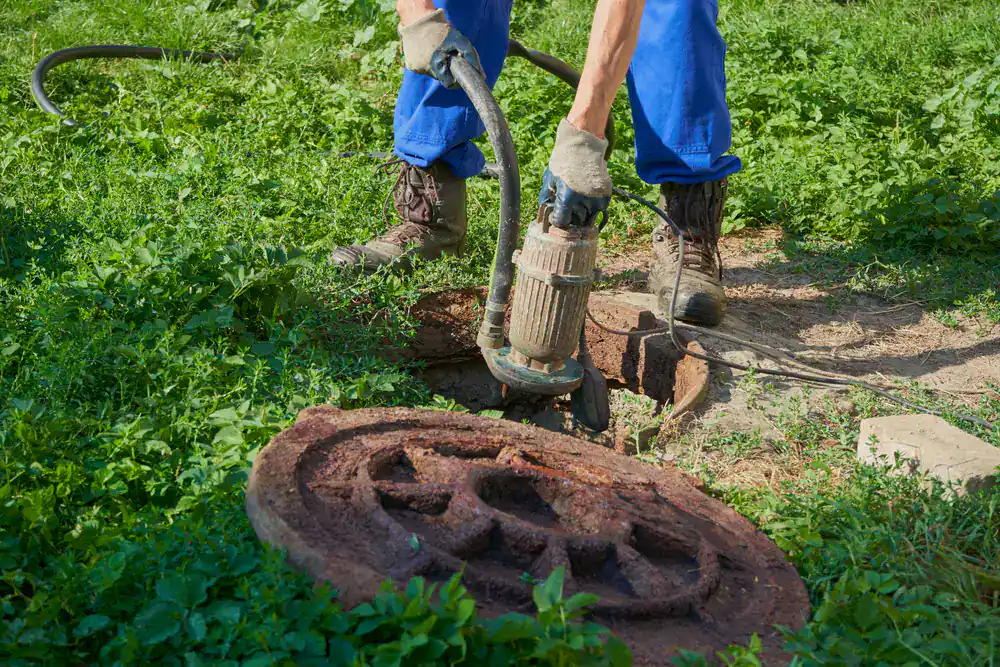
Most homeowners don’t think about their septic system until something goes wrong. A slow drain, a smell near the yard, or water where it shouldn’t be. By that point, the system has usually been struggling for a while and what could have been a straightforward pump-out has turned into something more involved.
Getting ahead of it is simpler than most people expect. A properly maintained system runs quietly in the background. No odors, no backups, no emergency calls on a Sunday night. You just go about your life knowing the underground infrastructure your home depends on is actually in good shape.
In Mastic specifically, that maintenance window matters more than it does in a lot of other Long Island towns. The Forge River watershed creates an unusually shallow water table throughout this area, and that changes how hard your drain field has to work. Saturated soil can’t absorb and treat effluent the way drier ground can, which means systems here tend to show stress earlier than the standard pumping schedules account for.
Homes along the Forge River corridor and throughout the 11950 ZIP code many of them built in the 1960s are sitting on systems that were installed when this neighborhood was brand new. Regular pumping keeps those older systems functional and gives a technician the chance to catch developing problems before they become expensive ones.
We’ve been handling septic and cesspool work across Suffolk County for over 30 years. We’re locally owned and operated out of West Babylon, accessible to Mastic via Sunrise Highway the same south shore corridor that connects this community to the rest of the island. We’re not a national franchise dispatching from a regional hub. We’re a real Long Island business run by people who know what the south shore looks like, how it drains, and what its aging housing stock actually needs.
Our approach is straightforward: show up, do the work correctly, charge what was quoted on the phone. No recommending unnecessary repairs. No inflating a simple job into something it isn’t. That’s not a marketing angle it’s how we’ve kept customers coming back and referring their neighbors for three decades.
For Mastic homeowners dealing with the Forge River area’s specific conditions, or anyone who just bought a home and has no idea when the system was last serviced, that kind of transparency matters. You get a free estimate before anything starts and a clear explanation of what we found when the job is done.
It starts with a call. You describe what you’re dealing with routine pumping, a slow drain, a smell, or just a system you’ve never had looked at since buying the house and we give you a straight estimate before anyone gets in a truck. What you hear on the phone is what you’ll be charged when the job is done.
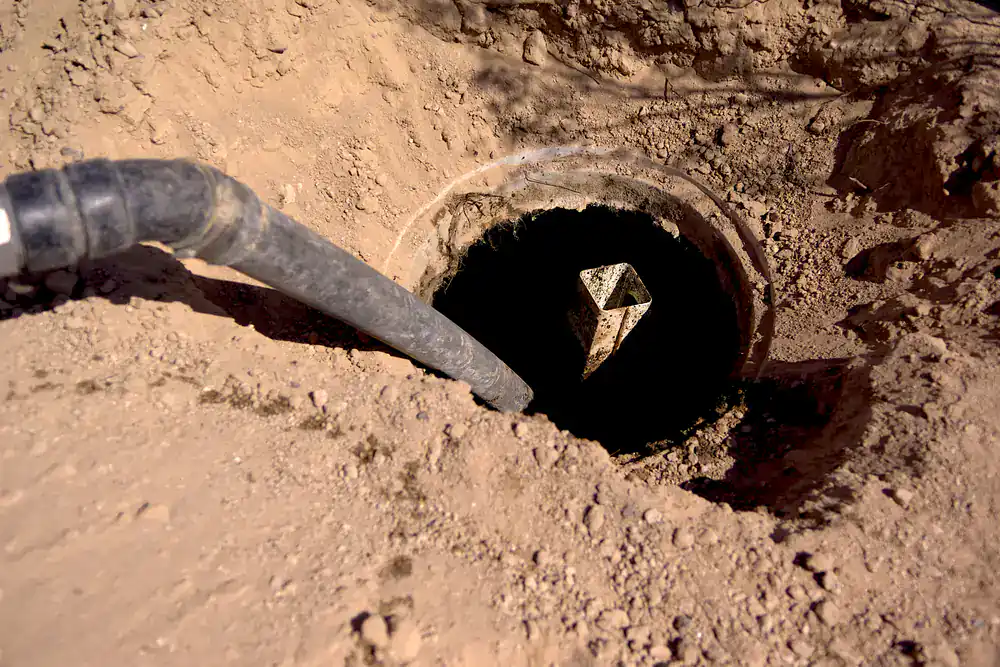
When our crew arrives, the first order of business is locating the tank. In Mastic, that’s not always as simple as it sounds. A lot of the homes here were built in the 1960s, and over 50-plus years, cesspool and septic lids get buried under soil, landscaping, and additions. We specialize in locating hard-to-find systems it’s one of the more common things we deal with on south shore properties, and it’s handled as part of the service rather than a reason to tack on a surprise charge.
Once the tank is accessed, we do a full pump-out not a partial one. All the accumulated sludge and waste gets removed, the system gets assessed, and you get a clear picture of its current condition. If something needs attention, you’ll hear about it honestly. If it doesn’t, you’ll hear that too.
After the job, the site is left clean and the lid is properly secured. The whole process typically takes a few hours depending on tank size and access conditions.
Ready to get started?
Septic tank pumping is the core of what brings most Mastic homeowners to call us, but it’s rarely the only thing a property needs. We handle the full range of residential and commercial septic and cesspool work pumping, cleaning, installation, drain cleaning, drywell service, house trap replacements, and main sewer line cleaning and replacement. One call covers the whole system.
For Mastic properties, a few specifics are worth knowing. Cesspools are extremely common in this area given the age of the housing stock, and many homeowners aren’t entirely sure which type of system they have. That distinction matters because cesspools which don’t separate solids from liquids the way a septic tank does typically need pumping every one to two years, while conventional septic tanks can go three to five years between service visits. The high water table throughout the Forge River watershed can compress those intervals further, so if you’re not sure when your system was last serviced, it’s worth getting eyes on it sooner rather than later.
If your property falls within the Forge River Sewer District boundaries generally south of Sunrise Highway between William Floyd Parkway and the Forge River you may be in the process of connecting to the new municipal system. That doesn’t mean your current septic or cesspool is off the hook yet. It still needs to be properly maintained until the connection is made, and when the time comes, the abandonment of your existing onsite system has to be done in accordance with Suffolk County regulations. We handle that work too.
For properties outside the sewer district which is the majority of Mastic’s 11950 ZIP code nothing changes. Your system stays private, it needs regular service, and the same rules apply: keep up with pumping, document your maintenance history, and don’t wait for symptoms to show up before making the call.
