Useful Links
Other Services we provide in Westhampton
The standard recommendation for a conventional septic tank is every three to five years, but that range assumes relatively consistent year-round usage. In Westhampton, where many properties are used seasonally or as vacation rentals, the actual loading pattern can be very different months of minimal use followed by weeks of heavy summer occupancy. A system that handles two people through the off-season may be processing the wastewater of eight or ten people every weekend from June through August.
That kind of variable loading accelerates sludge accumulation faster than the standard schedule accounts for. If your Westhampton property sees significant summer use especially if you rent it out a pumping interval closer to every two to three years is more appropriate. Cesspools, which are more common in older Westhampton housing stock, typically need service every one to two years regardless of usage patterns because of their simpler design. When in doubt, we can measure the sludge layer during a service call and tell you exactly where the tank stands.
For a standard residential septic tank in Suffolk County, pumping typically runs between $225 and $600 depending on tank size. A 1,000-gallon tank generally falls in the $225 to $400 range; larger systems in the $400 to $600 range. Those figures reflect the actual pump-out transporting and disposing of the waste at a licensed treatment facility is part of the job, not an add-on.
Where costs can climb unexpectedly is lid access. If your tank lid is buried which is common on older Westhampton properties where landscaping has grown over the system excavating to reach it can add anywhere from $300 to $1,200 depending on depth and access conditions. That’s not a hidden fee if you know to ask about it upfront. We give you a complete picture before the truck arrives, so there are no surprises when the invoice comes.
Sandy soil drains fast, which sounds like a good thing for a septic system but it also means wastewater moves quickly toward the water table with less filtration than you’d get in areas with heavier, clay-rich soils. In Westhampton, where the water table is relatively close to the surface, there’s less vertical distance between your drainfield and the groundwater below it. That reduced separation limits how much treatment the soil can provide before effluent reaches the aquifer.
This matters for two reasons. First, a system that’s overloaded or poorly maintained will push partially treated wastewater into the ground faster and with less natural cleanup than a system in an inland location. Second, if the water table rises which happens during wet seasons or following coastal flooding events the drainfield can become partially submerged, which shuts down its ability to function at all. Keeping your tank properly pumped reduces the volume of effluent reaching the drainfield and gives the system the best chance of performing correctly under these conditions. It’s also worth noting that Moriches Bay and Quantuck Bay are already classified as impaired waterways due largely to nitrogen from septic systems in this area proper maintenance is one of the few direct actions a homeowner can take to reduce that contribution.
A neglected septic system doesn’t fail with much warning. The sludge and scum layers build up gradually until they block the outlet baffle, at which point solids start moving into the drainfield. Once solids reach the drainfield, they clog the soil, and the drainfield stops accepting effluent. At that point, you’re looking at sewage backing up into the house, saturating the yard, or both and a drainfield failure can cost $10,000 to $15,000 or more to address, not counting landscaping restoration.
In Suffolk County, the regulatory situation adds another layer of complexity. Since 2019, any failed system that requires replacement cannot be replaced in kind it must be upgraded to a more advanced system that meets current standards. That means a cesspool failure in Westhampton isn’t just an expensive repair; it’s potentially a full system upgrade on a compressed and stressful timeline. The cost of routine pumping a few hundred dollars every few years is a straightforward way to avoid that scenario. Catching a problem during a routine service call, when you have time to plan and budget, is a very different situation than dealing with it after a backup.
There’s no single universal requirement that mandates a septic inspection before every home sale in New York, but in practice, buyers purchasing a property in Westhampton at current market values are going to ask. At median sale prices well above $1 million, buyers arrive with attorneys and inspectors, and a septic system with no documented maintenance history is a legitimate negotiating point one that can delay closing, trigger price adjustments, or require the seller to fund repairs before the deal moves forward.
Having a recent pump-out on record, along with a technician’s assessment of the system’s condition, is the simplest way to take that leverage off the table. It shows that the system has been professionally serviced, gives the buyer’s inspector something concrete to review, and demonstrates that you’ve maintained the property responsibly. For a seller, the cost of a pump-out relative to the value of a Westhampton transaction is negligible. The documentation it produces is not. If you’re planning to list in the spring which is peak real estate season in the Hamptons scheduling service in late winter or early spring gives you time to address anything we find before buyers start walking through.
Westhampton sits in a coastal flood zone, and nor’easters, tropical storms, and heavy rain events can push groundwater levels up fast. When the water table rises enough to saturate the area around your drainfield, the field loses its ability to accept effluent and the wastewater has nowhere to go but back toward the house. If you’re seeing slow drains, gurgling toilets, or sewage odors after a significant storm, that’s the likely explanation, and it’s not something that resolves on its own once the water recedes.
The right call is to stop using water in the house as much as possible and contact us immediately. We operate 24 hours a day, seven days a week, including weekends and holidays which matters when a storm hits on a Friday night and you’re dealing with a backup by Saturday morning. Our technician can pump the tank to relieve the immediate pressure, assess whether the drainfield has been compromised, and tell you what the next steps look like. For seasonal homeowners who arrive after a storm to open the house, getting the system inspected before resuming normal use is the right starting point especially if the property has been unoccupied and you don’t know what the system experienced while you were away.
Hear from Our Customers
Most of the year, your Westhampton property runs quietly. Then June arrives, the house fills up, and your septic system starts working harder than it has all year. A system that handles two people through the winter can be pushed to its limit by a full household of guests, renters, and weekend visitors running back-to-back through August. That’s not a worst-case scenario that’s just what summer looks like out here. Regular pumping keeps the sludge and scum layers from building up to the point where the system can’t do its job.
There’s also the geography to consider. Westhampton sits on sandy coastal soil with a high water table, which means wastewater moves quickly through the ground toward the aquifer with less natural filtration than you’d get further west. Moriches Bay and Quantuck Bay both right on your doorstep are already on the state’s list of impaired waterways, with cesspools and septic systems identified as the primary source of nitrogen loading. Keeping your system properly maintained isn’t just a household issue here. It’s a direct contribution to what happens to the water you can see from your property.
And if you’re thinking about selling, a clean service record on a $1M+ property is not a detail it’s leverage. A documented pump-out is one of the simplest things you can do to protect your asking price before a buyer’s inspector arrives.
We’ve been working on Long Island septic and cesspool systems for over 30 years. That kind of experience covers a lot of ground older ranch homes that were built as summer cottages and converted to year-round use, properties with buried lids and no maintenance records, and the full range of conditions you find across coastal Suffolk County, including the sandy soil and variable water table conditions common to Westhampton.
We’re locally owned and operated out of West Babylon, NY not a franchise, not a national chain routing calls through a regional dispatch center. When you call, you reach people who work on Long Island every day and know what these systems actually look like in the field. Our approach is straightforward: assess what’s there, do what’s needed, and tell you what we found without recommending work you don’t need. That’s not a philosophy statement it’s just how the job gets done.
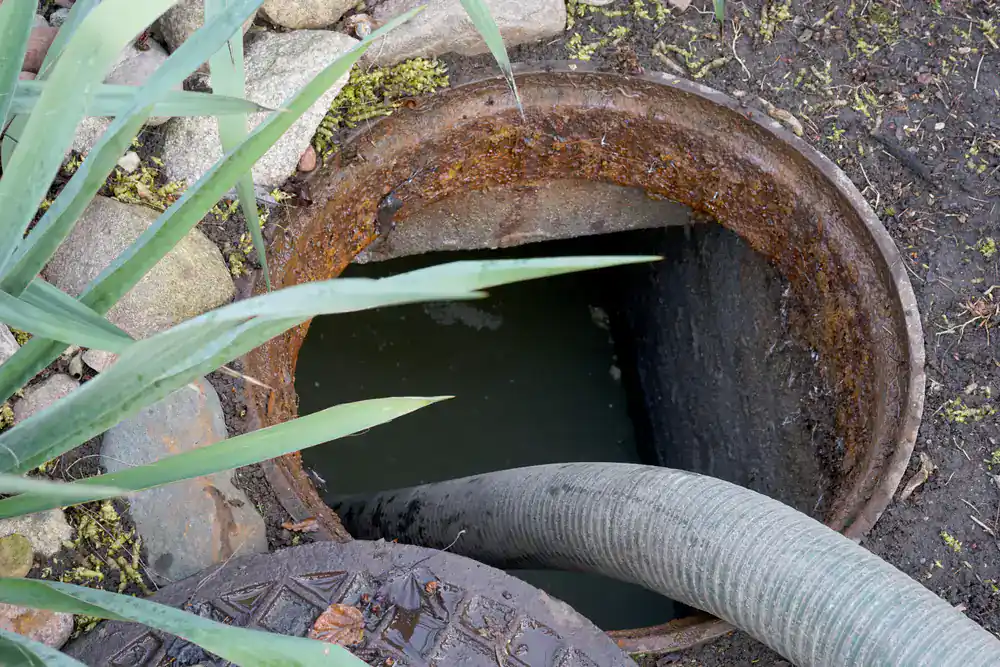
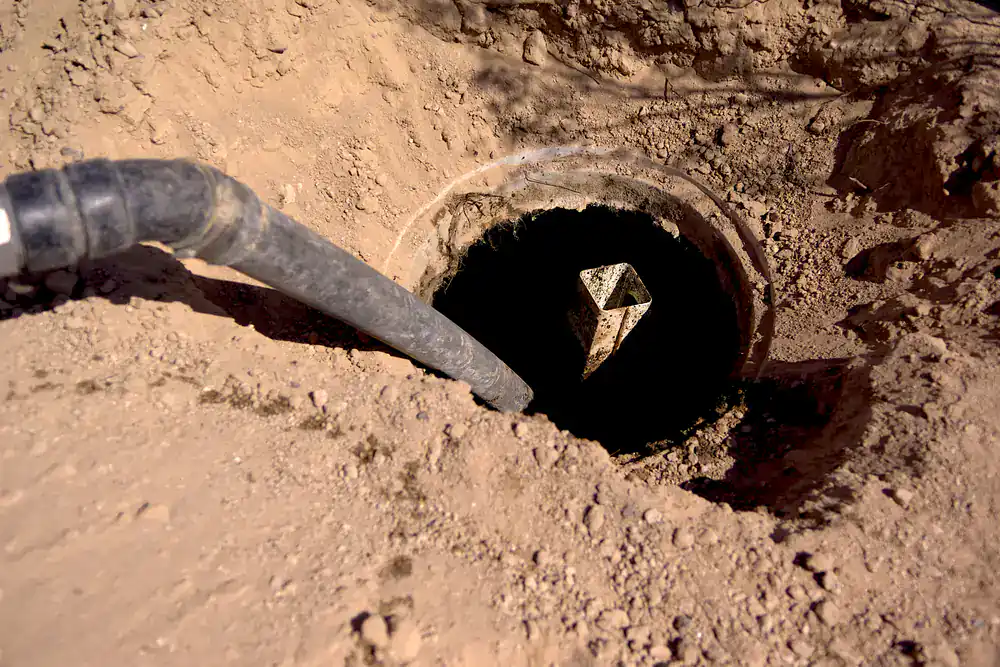
It starts with locating the tank. On older Westhampton properties especially homes that were originally built as seasonal summer cottages the lid may be buried under years of soil and landscaping. We specialize in finding hard-to-locate cesspools and septic tanks, so if you don’t know exactly where yours is, that’s a normal starting point, not a problem.
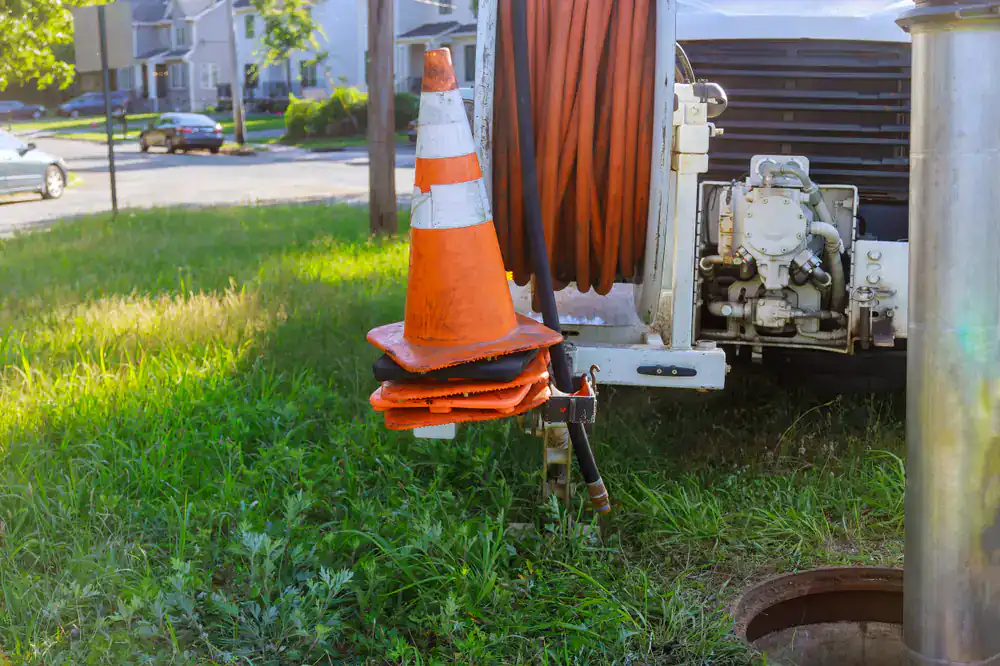
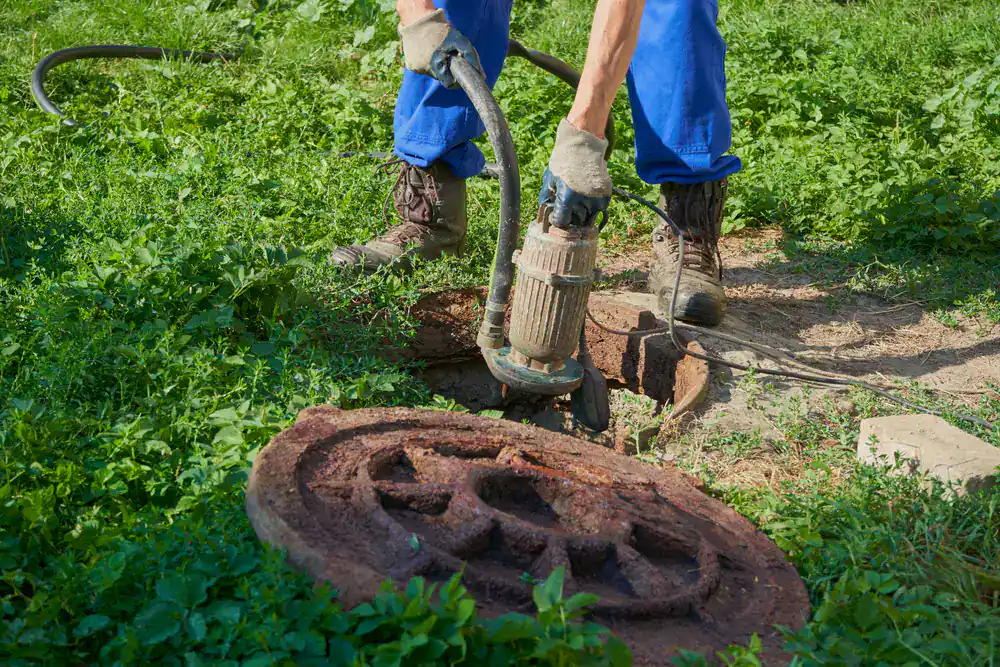
Once the lid is accessed, our technician measures the sludge and scum layers to assess how full the tank actually is and pumps it out completely not partially, not just the surface layer. A real pump-out removes all the accumulated waste, which we then transport and dispose of at a licensed treatment facility. After pumping, we check the condition of the tank, look at the baffles, and give you a clear picture of what we found. If something needs attention, you’ll hear about it. If everything looks fine, you’ll hear that too.
For Westhampton homeowners managing a seasonal property, the timing of this matters. Scheduling before Memorial Day before the house fills up and the system gets loaded is the most practical window. If you’re opening the house after a winter away and haven’t had the system serviced in a few years, that’s exactly when to call. Suffolk County’s Liquid Waste licensing requirements mean you want a contractor who’s properly credentialed for this work, and we meet those standards.

Ready to get started?
Septic tank pumping is the core of what brings most Westhampton homeowners to call us, but it’s rarely the only thing a property needs. We handle the full range drain cleaning, cesspool pumping, drywell cleaning, house trap replacements, main sewage line cleaning and replacements, and full system installation when a tank has reached the end of its serviceable life. For second-home owners and rental property managers who can’t be on-site for every service call, having one company that handles everything is a real operational advantage.
Holding tank pumping is also available for properties with sealed holding tanks rather than conventional septic systems a setup that requires more frequent service but is sometimes found on coastal or constrained lots in the Westhampton area. Whatever the system type, the process starts with a free estimate and upfront pricing before any work begins. The price you’re quoted is what you pay no unnecessary techniques recommended, no inflated charges for simple tasks.
Given Suffolk County’s 2019 regulatory changes which prohibit in-kind cesspool replacement and require any failed system to be upgraded to a more advanced standard it’s also worth knowing what you have and what condition it’s in before a problem forces the decision. An assessment during a routine pump-out is the least expensive way to get that answer.