
By submitting you consent to receive service-related texts from Drastic Drainage. Reply STOP to opt out. Msg & data rates may apply. Consent not required to book service.
Useful Links
When your cesspool is properly maintained, you stop guessing. No unexplained odors in the yard, no slow drains that get worse after a rainstorm, no wet patches showing up where they shouldn’t. You just go about your life knowing the system underground is doing its job.
For Mastic Beach homeowners specifically, that peace of mind is harder to come by than it is for people living further inland. The sandy coastal soil here drains fast, but when the water table rises — and in this community, it rises during storms, after nor’easters, and sometimes on completely dry days due to documented sea level flooding — your cesspool’s ability to properly treat and absorb effluent drops off. A system that was performing fine in September can be overwhelmed by November.
Regular maintenance is what keeps that from becoming a $3,000 emergency. If your home was built in the 1950s, ’60s, or ’70s — which describes most of the housing stock on this peninsula — your cesspool system is somewhere between 50 and 70 years old. The expected lifespan is 20 to 40 years. That gap matters.
A properly serviced system can be kept functional well beyond its original design life. One that’s been ignored cannot. Getting ahead of it now is the difference between a routine pump-out and a full excavation.
Not yet — and this is one of the most important things to understand if you live in the Mastic-Shirley area. The Forge River Watershed Sewer Project is a $228 million infrastructure initiative that will eventually serve approximately 2,450 parcels, but the home connection phase is expected to run through approximately 2026, and not every property connects at the same time. Until your property is physically hooked up to the new sewer line, your cesspool remains your legal responsibility.
A system that fails while you’re waiting for connection is your emergency to deal with — not the county’s. A cesspool that backs up during the transition period can cost anywhere from $3,000 to $7,000 to remediate after overflow, before you factor in any structural repairs. Staying current on maintenance during the transition is the most cost-effective thing you can do. We can also tell you what your cesspool decommissioning obligations will look like once your property does connect.
Significantly — and more often than most homeowners realize. Mastic Beach sits at 6.6 feet above sea level, and the community has experienced documented “sunny day flooding” from sea level rise alone, not just during storms. When the water table rises, it reduces the vertical separation between your cesspool’s leaching field and the groundwater. That separation is what allows soil to treat effluent before it reaches the water table.
When it’s gone, the system can’t absorb properly — and sewage has nowhere to go but back up or out. After a nor’easter or a coastal storm event, the saturated sandy soil around your cesspool can eliminate absorption capacity almost overnight. A system that was functioning normally in dry conditions can be in distress within 24 hours of a significant rain or surge event. If you notice slow drains, gurgling pipes, or a wet patch in your yard following any kind of weather event, that’s your system telling you something. Calling early is almost always cheaper than waiting.
Yes, and it’s worth taking seriously. Superstorm Sandy hit Mastic Beach on October 29, 2012, with record storm surge that flooded much of the peninsula and resulted in over 100 emergency rescues. Cesspool and septic systems throughout the community were compromised by that flooding — some visibly, many in ways that weren’t obvious at the time. Homeowners who patched what they could and moved on are now dealing with systems that are a decade older and carrying compounded stress on top of whatever Sandy did to them.
If your home was here in 2012 and your cesspool hasn’t had a thorough inspection since then, a video pipe inspection is the right starting point. Waterproof camera equipment goes underground and shows you exactly what’s there — baffle condition, structural integrity, any cracking or collapse that developed after the storm. Most of the housing stock in Mastic Beach was built between the 1950s and 1970s, which means these systems were already 30 to 40 years old when Sandy hit. Many are now past the outer edge of their expected lifespan. Finding out what’s actually down there costs far less than dealing with a failure you didn’t see coming.
Free, no-obligation estimates on cesspool, sewer, and drain work.
We get there quickly. No waiting days for a callback.
Backups don’t wait for business hours. Neither do we.
Fully licensed and insured across Long Island.
Up-to-date trucks and tools for cleaner, faster jobs.
Straight quotes, no surprises on the bill.
Hear from Our Customers
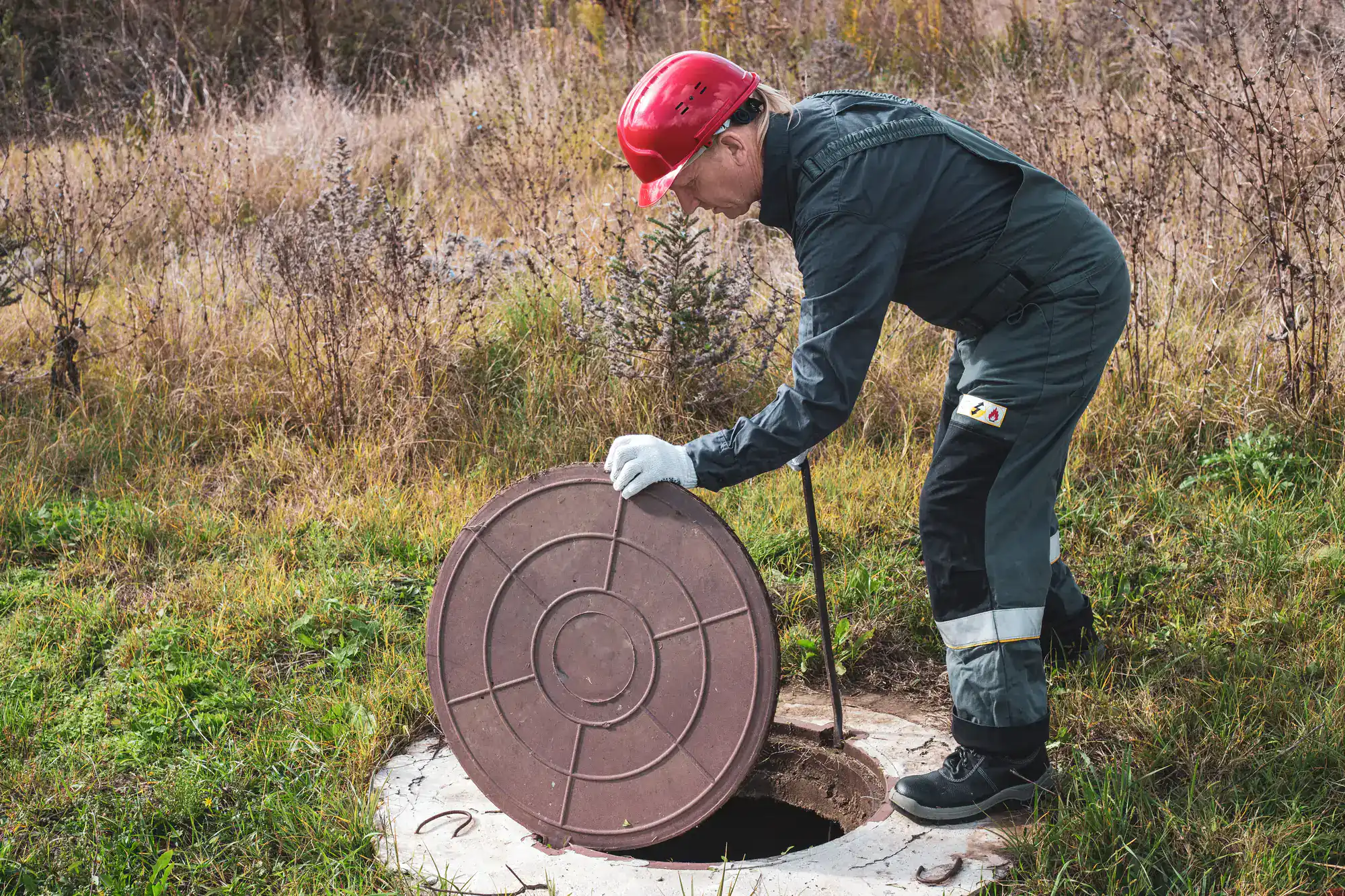
When your cesspool is properly maintained, you stop guessing. No unexplained odors in the yard, no slow drains that get worse after a rainstorm, no wet patches showing up where they shouldn’t. You just go about your life knowing the system underground is doing its job.
For Mastic Beach homeowners specifically, that peace of mind is harder to come by than it is for people living further inland. The sandy coastal soil here drains fast, but when the water table rises — and in this community, it rises during storms, after nor’easters, and sometimes on completely dry days due to documented sea level flooding — your cesspool’s ability to properly treat and absorb effluent drops off. A system that was performing fine in September can be overwhelmed by November.
Regular maintenance is what keeps that from becoming a $3,000 emergency. If your home was built in the 1950s, ’60s, or ’70s — which describes most of the housing stock on this peninsula — your cesspool system is somewhere between 50 and 70 years old. The expected lifespan is 20 to 40 years. That gap matters.
A properly serviced system can be kept functional well beyond its original design life. One that’s been ignored cannot. Getting ahead of it now is the difference between a routine pump-out and a full excavation.
We’ve been doing this work across Nassau and Suffolk County for over three decades, based out of West Babylon — a South Shore community that shares the same Great South Bay watershed, the same coastal soil conditions, and the same high water table dynamics that define Mastic Beach. This isn’t a national chain learning your area from a manual. We’re a licensed, insured, and bonded local company that has spent 30-plus years working in the exact conditions you’re dealing with.
Our license number LW-63684 is verifiable with Suffolk County. The technicians who show up are named in real customer reviews — Mike, Lucas, George — and our owner, Michael Chiofalo, runs a company where accountability isn’t a marketing line. When you call (631) 422-4122, a real person picks up. That’s been true for three decades, and it’s still true today.
Whether your home is near the Forge River, along the Neighborhood Road corridor, or a few blocks from the bay, we’ve seen what this peninsula does to cesspool systems. We come prepared for it.

It starts with a phone call — and a real person on the other end. You describe what you’re seeing or what you need, and you get a straight answer about timing and next steps. No voicemail, no callback queue. If it’s an emergency, that matters a lot. If it’s a scheduled maintenance visit, you’ll get a clear window and an honest estimate before anyone shows up.
When our crew arrives, the first step is locating and accessing your system. In Mastic Beach, this is often more involved than it sounds. Homes built in the post-war era frequently have cesspools with no visible access point — buried under decades of landscaping, repaving, or yard work done after Superstorm Sandy. We specialize in locating systems with no visible cover.
Once access is confirmed, we run a video pipe inspection using waterproof camera equipment that goes underground before any digging happens. That means you get an accurate picture of what’s actually going on — not a guess — and no unnecessary excavation.
From there, the work is done: pumping, cleaning, repair, or whatever the system needs based on what the inspection shows. Before our truck leaves, you’ll know exactly what was done, what condition your system is in, and what, if anything, to watch for. Suffolk County requires licensed cesspool operators for this work, and every job we complete is handled under License #LW-63684. If your property is in the Forge River sewer project area, we can also walk you through what your current cesspool obligations are during the transition period.
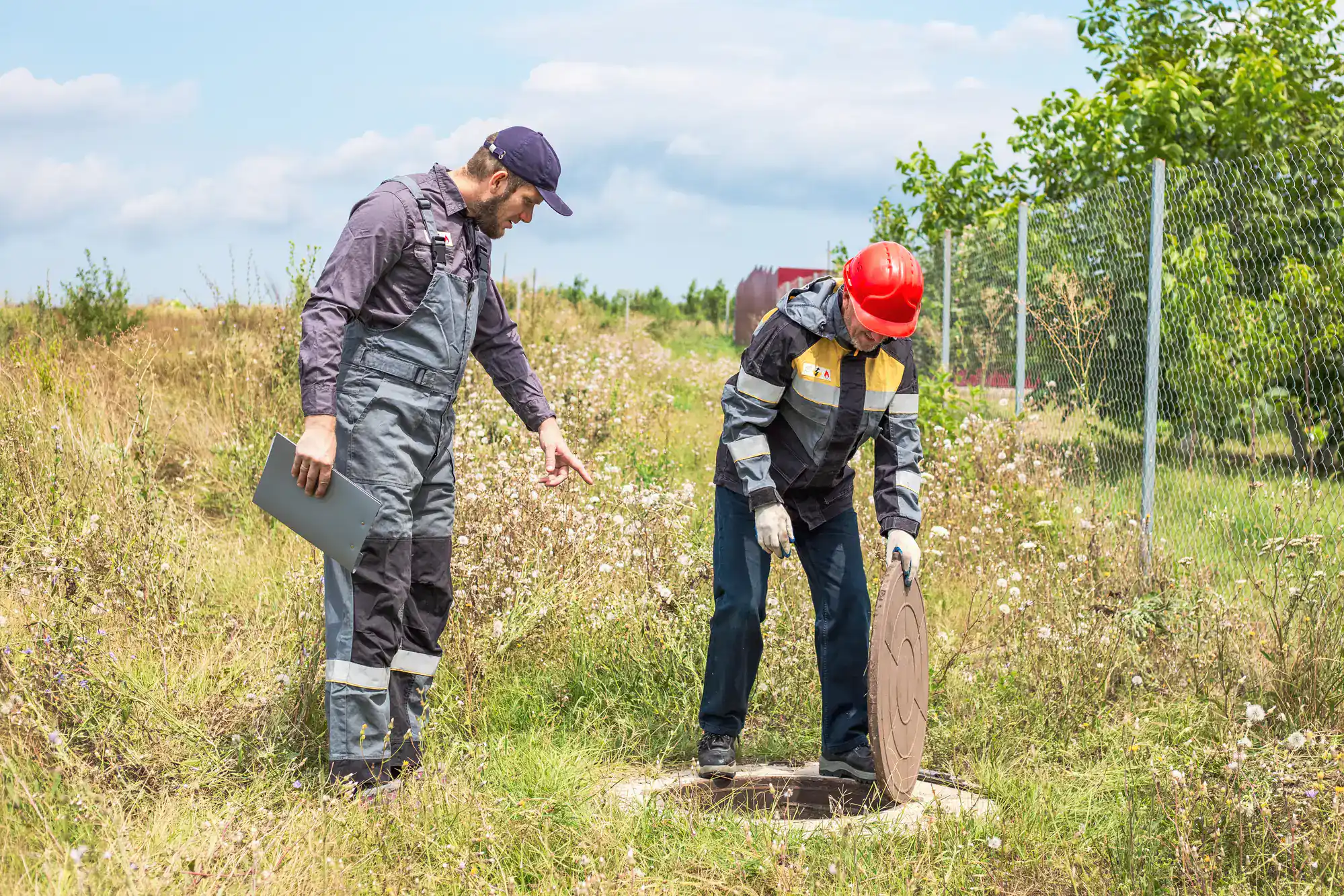
Ready to get started?
We handle the full scope of cesspool and drain work — not one piece of it, all of it. That includes routine cesspool cleaning and pumping, cesspool installation, drywell cleaning, house trap replacements, main sewage line cleaning and replacements, storm drain cleaning, video pipe inspections, cesspool location services, and 24-hour emergency cesspool service.
If your leaching pool is saturating faster than it should — a common issue in Mastic Beach given the high water table and low elevation — that’s a specific condition we diagnose and address directly, not something we’ll wave off as normal.
For Mastic Beach homeowners selling their property, we handle real estate certifications in-house. This is a detailed inspection and documentation service required for property transfers in Suffolk County, and it carries real deadline pressure when a closing date is on the calendar. With the Town of Brookhaven’s 47-acre downtown redevelopment bringing new housing activity to the Neighborhood Road corridor, more transactions are moving through this community than have in years. Having a company that handles certifications cleanly and on time is essential.
Since July 2019, Suffolk County has banned new traditional cesspool installations. If your system fails and needs full replacement, it must be replaced with an Innovative/Alternative (IA) advanced treatment system. We can walk you through what that means for your property and whether the county’s reimbursement program — which now covers up to 75% of project cost or $25,000 under the 2024 Suffolk Water Quality Restoration Act — applies to your situation.
