Useful Links
Other Services we provide in Farmingville
For most Farmingville households, every one to three years is the realistic answer and for older homes, that schedule leans toward the shorter end. The majority of Farmingville’s residential properties were built in the 1950s and 1960s, which means they’re likely running single-chamber cesspool designs that accumulate waste faster than modern septic tanks. A family of four in a home from that era is typically looking at a two-to-three-year cycle at most.
A few factors can push that timeline shorter. Household size matters more people means more waste volume. Central Suffolk’s water table can rise after wet stretches, reducing the soil’s ability to absorb effluent and effectively filling the system faster than usual. If your home has a garbage disposal, that accelerates accumulation as well.
The honest answer is that a technician who’s seen your specific system can give you a more accurate schedule than any general guideline. The first pump-out tells you a lot about where things stand.
Pumping removes the liquid waste and the floating solids sitting on top of the tank’s contents. It’s the standard maintenance service and what most homeowners need on a regular schedule. Cleaning is a more involved process it targets the hardened sludge that settles at the bottom of the tank over time and includes a closer inspection of the system’s interior structure.
For a Farmingville home that’s been on a consistent pumping schedule, a standard pump-out is usually sufficient. Where cleaning becomes necessary is when a system has gone several years without service, when there’s visible buildup that pumping alone won’t fully address, or when an inspection reveals that the tank walls or baffle are compromised.
If you’re not sure which one your system needs, we can assess that on-site and give you a straight answer. There’s no benefit to recommending cleaning if pumping gets the job done.
The system doesn’t stop filling just because you’re not thinking about it. Once a cesspool reaches capacity, waste has nowhere to go except back up into the house through the lowest drain usually a basement floor drain or a ground-floor toilet or out into the yard as surfacing effluent. Neither outcome is minor.
Sewage backup causes property damage, creates a health hazard, and in Suffolk County, can trigger regulatory action with fines ranging from $250 to $2,000. Beyond the immediate mess, a system that’s been pushed past its limits is more likely to suffer structural damage cracked walls, a failed baffle, a saturated leach field.
At that point, you’re not looking at a pump-out anymore. Full system replacement in Suffolk County means installing an Innovative/Alternative Onsite Wastewater Treatment System, which runs $20,000 to $40,000 or more. A routine pump-out, by comparison, costs $200 to $500 for most residential jobs.
This comes up constantly in Farmingville, and it’s not a sign that something is wrong with your property. A lot of the homes in this area were built in the 1950s, and cesspool location records from that era are often incomplete, lost during ownership transfers, or simply buried under decades of landscaping.
We specifically handle hard-to-find cesspools as part of our standard service in Farmingville. Our technicians use probing and locating methods to find the system before any digging starts, so you’re not paying for guesswork. Once the system is located, that position can be documented for your records which is useful both for future service calls and for any home sale disclosure requirements.
If you’re in a mid-century Farmingville home and you’ve never had the cesspool serviced since buying the property, locating it is the logical first step.
Yes, and it’s more relevant in Farmingville than homeowners typically expect. Central Suffolk sits on sandy, glacially deposited soils that drain efficiently under dry conditions but when the water table rises after sustained rainfall, the ground around the cesspool’s leach field becomes saturated. When that happens, the system can’t disperse effluent at its normal rate, which means the tank fills faster and the risk of backup goes up.
If you’ve noticed slow drains, gurgling sounds from your toilets, or a faint sewage smell in the days following a heavy rain or a wet spring, that’s the connection. It doesn’t necessarily mean your system is failing it may just mean the timing is right to get it pumped before the next wet period hits.
Staying on a consistent service schedule gives the system more buffer to handle those high-water-table stretches without backing up.
Suffolk County health departments request cesspool maintenance records as part of the home sale process, and buyers and their attorneys increasingly ask for them as well. In a market where Farmingville homes are selling at median values between $472,000 and $628,000, a gap in that documentation can slow down a closing or become a point of negotiation.
If you’re planning to list your home and you don’t have service records, the most straightforward move is to schedule a pump-out now and get written documentation from a licensed Suffolk County provider. That receipt becomes part of your disclosure file. We provide written service documentation after every job, which is exactly what you need for this purpose.
If the pump-out reveals any condition issues with the system, you’re better off knowing before the buyer’s inspector finds it and having the option to address it on your own terms rather than under contract pressure.
Hear from Our Customers
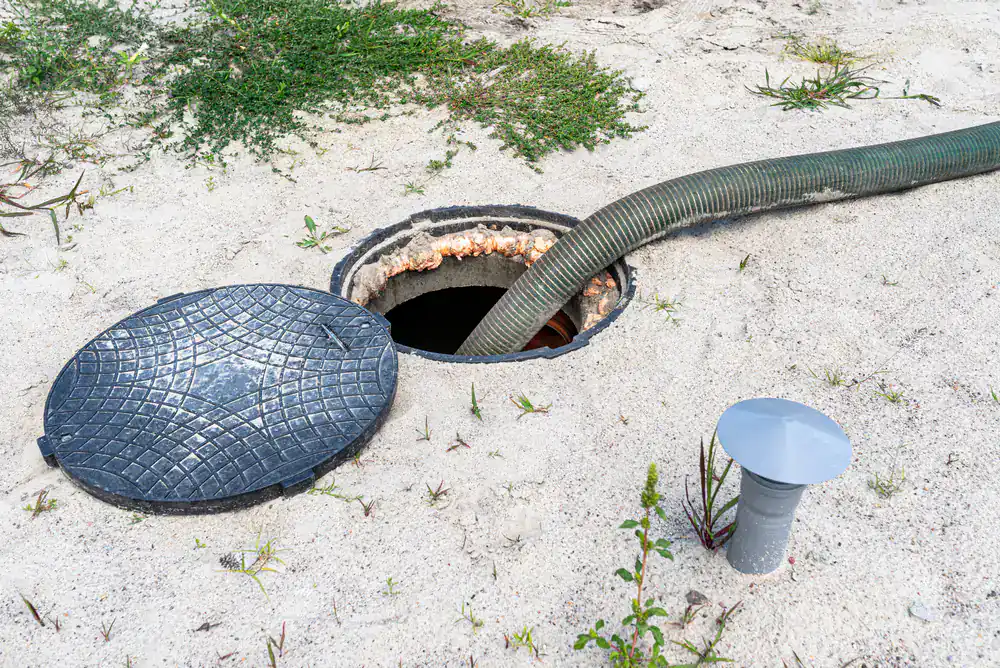
When a cesspool is pumped on schedule, you stop reacting and start staying ahead. No emergency calls. No sewage smell creeping into the house on a hot July morning. No scrambling to find someone who can come out same-day because you’ve been putting it off for four years.
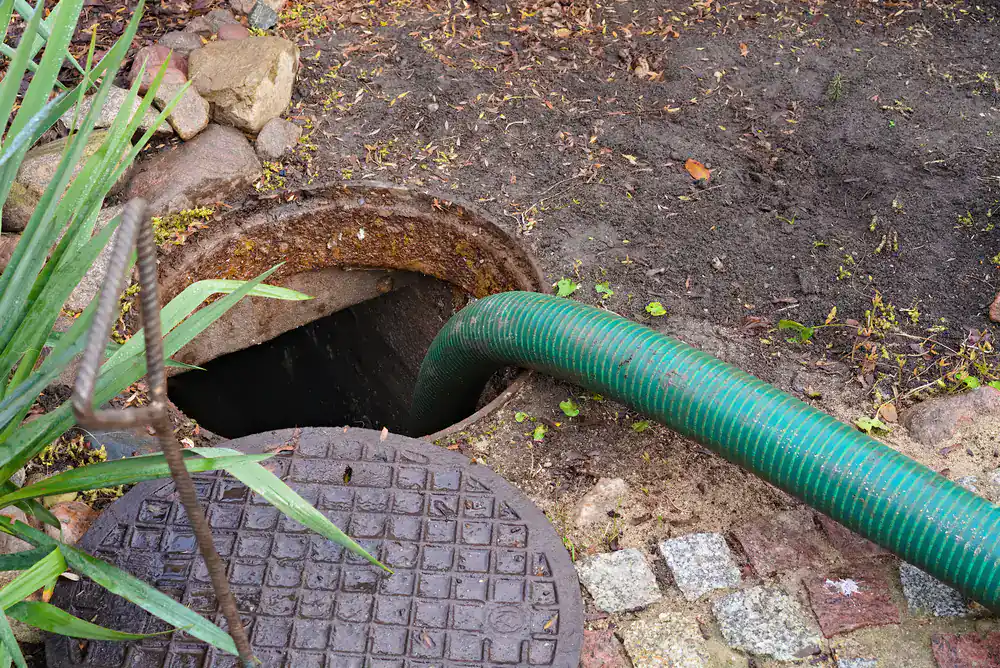
Farmingville’s housing stock makes this more urgent than most people realize. The ranches and Capes that fill the streets off Portion Road and Horseblock Road were built when cesspools were the only option and those single-chamber systems fill up faster than a modern septic tank. For a household of four in a home from that era, pumping every one to three years isn’t a sales pitch. It’s the realistic schedule for keeping the system functional.
There’s also something most Farmingville homeowners don’t think about until they’re selling. The town had 211 home sales in the past year, and Suffolk County health departments request cesspool maintenance records during real estate transactions. A documented service history from a licensed provider isn’t just good practice at median home values between $472,000 and $628,000, it’s a real asset when you’re at the closing table.
We’re a family-owned cesspool and drainage company based in Suffolk County, with more than 30 years of experience working on the specific type of systems that exist in Farmingville and across Long Island older construction, sandy soils, high water tables, and county regulations that change. That combination isn’t something you learn from a manual.
Central Suffolk communities like Farmingville, situated along the I-495 corridor, have a particular mix of aging infrastructure and active homeownership that demands a company that actually understands what’s underground. A 65-year-old cesspool behaves differently than a newer system, and our technicians have seen enough of them to know the difference between a system that needs a routine pump and one that’s showing early signs of real trouble.
We handle everything from routine residential cesspool pumping to locating hard-to-find systems in Farmingville homes where the documentation was lost decades ago a genuinely common problem in this area’s mid-century housing stock. One call, one crew, full scope.
It starts with a phone call that a real person answers. You describe what’s going on whether it’s a scheduled pump-out, a slow drain you’ve been ignoring, or something that surfaced this morning and you get a straight answer about timing and what to expect. No voicemail, no callback queue.
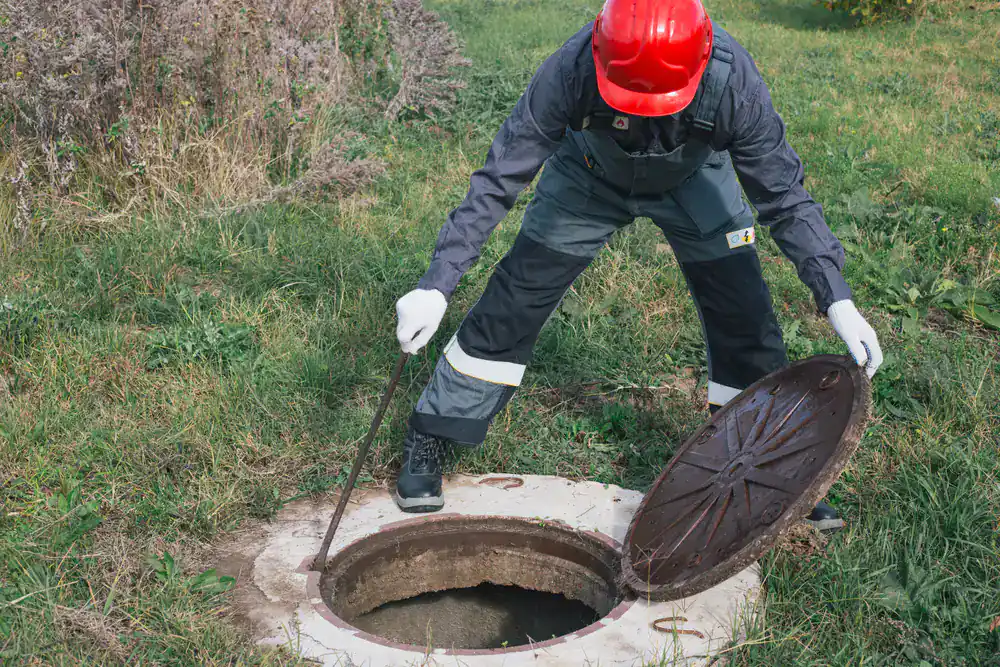
When our crew arrives, the first step is locating and accessing the cesspool. In a lot of Farmingville homes, especially those built in the 1950s and ’60s, the cover is buried or the location isn’t documented anywhere. We specialize in finding systems that other companies can’t locate, so if you don’t know exactly where yours is, that’s not a problem that stops the job.
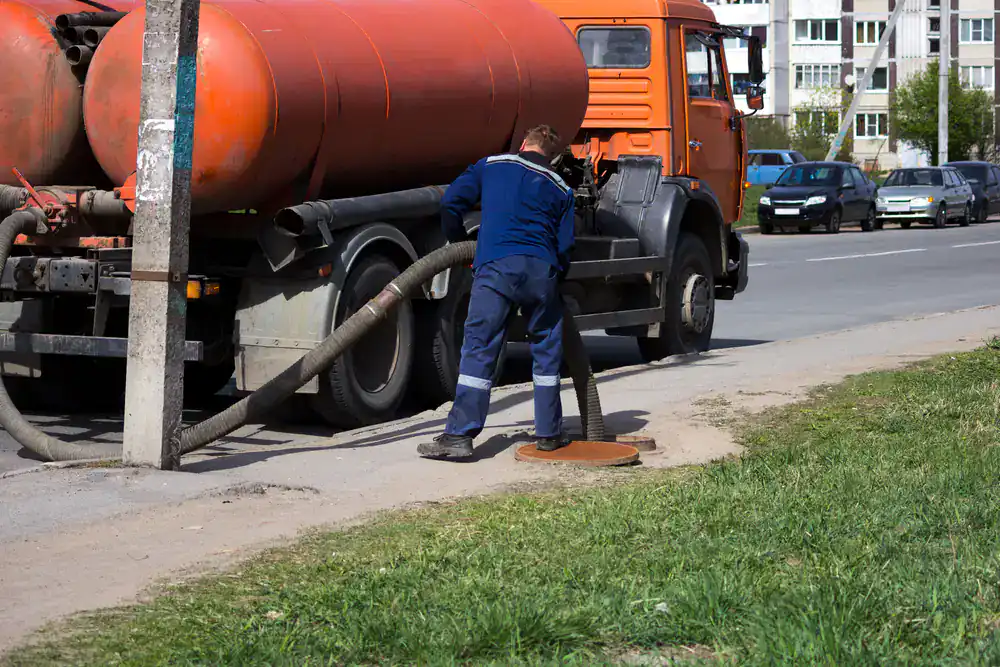
Once access is confirmed, the tank is pumped out fully liquid, floating solids, and accumulated sludge. Our technician will also take a look at the condition of the system while they’re in there, so if something looks off, you hear about it before it becomes a bigger issue.
After the work is done, you receive written documentation of the service. In Suffolk County, that paperwork matters both for your own records and for any future real estate transaction. The whole process is straightforward, and there are no charges added on-site that weren’t discussed upfront.
Ready to get started?
Cesspool pumping and cesspool cleaning aren’t the same thing, and it’s worth understanding the difference before you book. Pumping removes the liquid waste and floating solids from the tank. Cleaning goes further it involves more thorough removal of hardened sludge and an inspection of the system’s interior walls. Most Farmingville homeowners need pumping on a regular cycle; cleaning becomes relevant when a system has been neglected for an extended period or when an inspection reveals buildup that a standard pump-out won’t fully address.
Every job we perform in the Farmingville area includes a thorough pump-out, a visual assessment of the system’s condition, and written service documentation. If the inspection surfaces something that needs attention a cracked baffle, a compromised wall, a leach field showing signs of saturation you’ll be told clearly and without pressure.
Suffolk County’s sandy, glacially deposited soils drain efficiently under normal conditions, but after a wet spring or a heavy storm, the water table in central Suffolk can rise enough to stress older systems. If you’ve noticed slow drains or a faint odor following a period of heavy rain, that’s not coincidence.
Because Farmingville has no municipal sewer system, every residential property here depends entirely on its onsite system. There’s no fallback. We also handle drain cleaning, septic pumping, and full system installation for situations where a pump-out reveals that the system has reached the end of its useful life.