Useful Links
Other Services we provide in Central Islip
No and this catches a lot of Central Islip homeowners off guard. Suffolk County banned all new cesspool-only installations effective July 1, 2019. That means if your existing cesspool fails or needs replacement, you cannot simply swap it out for a new cesspool. At minimum, any replacement must meet modern septic tank standards, and depending on your property’s circumstances, you may be required to install an I/A OWTS nitrogen-reducing system.
This is especially relevant in Central Islip, where most of the residential housing stock was built in the 1950s through 1970s and the original cesspools are now 50 to 70 years old well past the end of their functional lifespan. If you’re noticing slow drains, wet spots in the yard, or sewage odors, don’t wait to find out whether the system can be repaired. In many cases, the answer is a full replacement, and knowing that sooner gives you more time to apply for grant funding before the situation becomes an emergency.
Central Islip is a Suffolk County community, so yes your property may be eligible for the Suffolk County Septic Improvement Program (SIP), which offers combined state and county grants of up to $45,000 for I/A OWTS installation. Eligibility is based on several factors: the property must have a valid certificate of occupancy, no outstanding tax liens, and the existing system must be abandoned as part of the project. The grant is not a reimbursement it’s assigned directly to the approved installer, so you don’t pay the full amount out of pocket and wait to get money back.
The most important thing to understand is that the grant certificate must be issued before installation begins. If you hire a contractor and have the work done first, you lose eligibility. That’s why the grant conversation needs to happen at the very beginning of the process, not at the end. If you’re not sure whether your property qualifies, the first step is a site assessment and a conversation about your specific situation not an assumption either way.
The honest answer is that it depends on your property, the system type required, and the site conditions which is why any contractor who gives you a firm number before seeing your property should be a red flag. That said, complete septic system replacement in Suffolk County generally falls in the range of $20,000 to $40,000 depending on system type and site conditions, with I/A OWTS installations averaging around $25,000 before any grant offset is applied.
For Central Islip specifically, the sandy soil and high water table can affect system design requirements, which in turn affects cost. A system that needs to account for a shallow effective soil depth due to the water table may require a different configuration than a standard installation on a lot with more depth to work with. The Suffolk County SIP grant program which can provide up to $45,000 in combined state and county funding exists precisely because these costs are significant. Many Central Islip homeowners end up paying far less out of pocket than the sticker price suggests once grant eligibility is factored in. Get the assessment done first, then have the grant conversation before committing to anything.
There are two timelines to understand here: the permit and preparation phase, and the actual installation. The permit process through the Suffolk County Department of Health Services including the required soil percolation test and SCDHS application typically adds a few weeks of lead time before any ground gets broken. This is not something that can be skipped or rushed. Article 6 of the Suffolk County Sanitary Code requires that all permits and registrations are in place before work begins, and that applies to every installation in Central Islip and across Suffolk County.
Once permits are secured and the project is ready to go, most residential septic installations are completed in a single day of active work. That’s the part homeowners are most relieved to hear the excavation, installation, old system abandonment, and site restoration typically happen in one continuous workday rather than stretching across a week of disruption. If you’re in the middle of a real estate transaction or working against a deadline, the permit lead time is the variable to plan around. The earlier you start the process, the more flexibility you have on timing.
I/A OWTS stands for Innovative and Alternative Onsite Wastewater Treatment System. These are advanced septic systems designed to remove nitrogen from wastewater before it reaches the soil conventional cesspools and older septic systems do not do this. Suffolk County’s push toward I/A OWTS adoption is driven by the fact that approximately 70 to 80 percent of the nitrogen pollution entering Long Island’s coastal waterways comes from onsite wastewater systems, and Long Island gets 100 percent of its drinking water from underground aquifers.
Whether you’re required to install an I/A OWTS in Central Islip depends on your specific situation. New construction and major reconstruction projects in Suffolk County are now required to use I/A OWTS systems. For existing homeowners replacing a failed system, the requirement depends on factors like property size, design flow, and whether the project triggers the advanced treatment threshold under the Suffolk County Sanitary Code. The practical reality in Central Islip is that the community’s sandy soil makes the nitrogen-treatment function of an I/A OWTS more consequential than in areas with slower-draining soils effluent moves fast here, and the less treatment it gets before reaching groundwater, the more it matters. We’ll tell you clearly at the assessment stage what type of system your property requires.
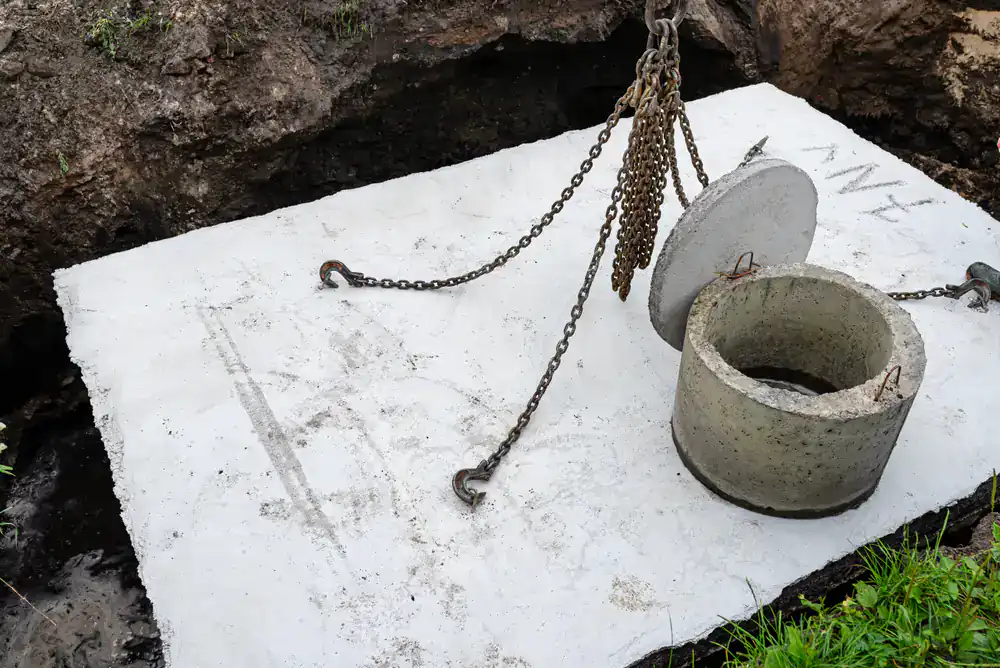
Your old cesspool doesn’t just get left in the ground it has to be properly abandoned as part of the installation process. This means the existing system is pumped out, then crushed or filled according to Suffolk County requirements, and the abandonment is documented. This documentation matters. It becomes part of the installation record that gets filed with the SCDHS, and it’s something that will come up if you ever sell the property or apply for permits on future work.
In Central Islip, where a lot of the housing stock dates back to the post-war decades, it’s not unusual to find cesspools that were installed without thorough documentation or that have shifted position over the years due to soil movement. This is part of why a proper site assessment before any work begins is so important we need to know exactly what’s underground and where it is before excavation starts. Drastic Drainage Long Island provides full installation records for every new system, including documentation of the old system’s abandonment. That paper trail protects you as a homeowner and keeps the project compliant with Suffolk County’s requirements from start to finish.
Hear from Our Customers
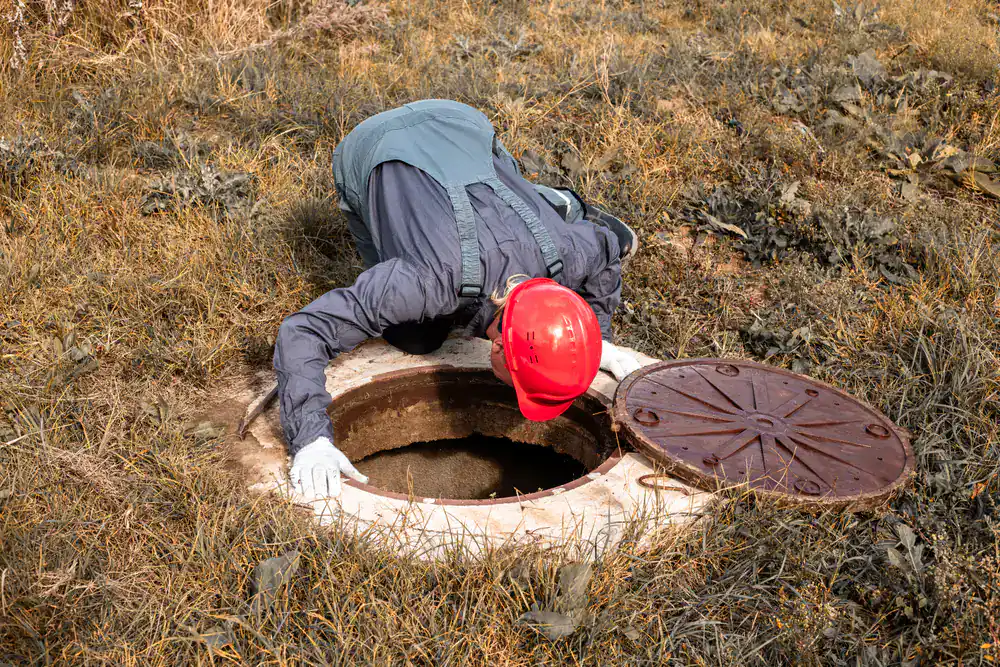
When your septic system is properly installed right size, right placement, built for the conditions underneath your specific property you stop managing a problem and start forgetting it exists. No more slow drains creeping up on you. No more wondering whether the wet patch in the backyard means something serious. No more anxiety every time you have guests over.
Central Islip’s soil is sandy and fast-draining, which sounds like a good thing until you understand what it means for an aging cesspool. Effluent moves quickly through sandy glacial outwash soil with very little natural filtration before it hits the aquifer. A system that’s undersized or improperly placed for these conditions isn’t just inefficient it’s actively pushing untreated waste into the groundwater your family drinks. Getting the design right the first time matters more here than it would in a community with slower-draining clay soils.
There’s also the high water table to account for. It reduces the depth of usable soil between your system and the groundwater beneath it, which affects both system design and the urgency of replacing a cesspool that was never treating anything to begin with. A properly designed modern septic system or I/A OWTS unit addresses both of these local realities directly. That’s not a sales pitch it’s just the reality of what’s underground in Central Islip, and it’s why system design here isn’t something you want to leave to guesswork.
Drastic Drainage Long Island is a family-owned company based in West Babylon, about 8 to 10 miles from Central Islip. We’ve been doing this work across Nassau and Suffolk Counties for over 30 years, which means we’ve spent decades working through the Town of Islip service area including the post-war housing stock that defines most of Central Islip’s residential neighborhoods.
The cesspools installed under homes in Central Islip during the 1950s, 60s, and 70s were built with pre-cast concrete rings and concrete block construction. Those materials have a lifespan, and most of them have reached it. We’ve seen this type of system fail across the area, and we know what the replacement process looks like from the first call through the final SCDHS documentation.
What you’ll hear consistently from our customers is that a real person answered the phone, showed up when we said we would, explained what was happening without pressure, and got the job done. Named technicians, a named owner, and a company where the reputation on the line is a real person’s not a corporate complaint department’s. That’s the difference between a local operator and a franchise dispatch.

It starts with a site assessment. Before anything else, we come out and evaluate your property the existing system, the soil conditions, the available space, and what the ground is telling us about what will work here. In Central Islip, that means accounting for the sandy soil profile and the water table, both of which directly affect system sizing and leaching field placement. This isn’t a formality. It’s where the right design gets built.
From there, we handle the permit and registration process through the Suffolk County Department of Health Services. Under Article 6 of the Suffolk County Sanitary Code, all septic and cesspool work requires a permit or SCDHS registration before any ground gets broken. We file that. A soil percolation test is also required before system design is finalized, and we coordinate that as part of the process. The permit window typically adds some lead time before active work begins, so the earlier you call, the better especially if you’re dealing with a system that’s already showing signs of failure.
Once permits are in hand, most residential installations are completed in a single day of active work. We excavate, install the system, properly abandon the old cesspool, and document everything. Post-installation, we provide full installation records which you’ll need for SCDHS compliance and for any future property sale. If your system qualifies for the Suffolk County Septic Improvement Program, we walk you through the grant process before work begins, because eligibility requires the grant certificate to be issued before installation starts, not after.
Ready to get started?
Septic system installation in Central Islip isn’t a single product it’s a process that covers everything from initial site evaluation to final documentation. On the front end, that means a proper assessment of your property’s soil conditions and water table depth, a coordinated perc test, and a system design that accounts for the specific drainage characteristics of your lot. Central Islip’s fast-draining sandy soil and elevated water table aren’t footnotes they’re the starting point for every design decision we make.
We install conventional septic systems and I/A OWTS nitrogen-reducing systems, which are now required for new construction and major reconstruction in Suffolk County. If your property qualifies for the Suffolk County Septic Improvement Program, combined state and county grants of up to $45,000 may be available to offset the cost of an I/A OWTS installation. Central Islip is a Suffolk County community and falls within the eligible service area. We can walk you through whether your property qualifies and what the application process involves but the grant certificate has to be in place before installation begins, so this conversation needs to happen early.
Every installation includes proper abandonment of the existing system, permit filing, SCDHS registration through the SHIP portal, and full post-installation documentation. We serve the entire Central Islip area and the surrounding Town of Islip communities whether you’re near the Suffolk Avenue corridor, off Carleton Avenue, or in the neighborhoods bordering Brentwood, Islip Terrace, or Hauppauge.