
Useful Links
Other Services we provide in Southampton
It depends on where your property sits within Southampton Town’s Water Quality Improvement Project Plan. The town has designated both Medium and High Priority Areas based on proximity to sensitive water bodies like Shinnecock Bay and the Peconic Estuary. If your property is in a High Priority Area, Southampton Town Code Chapter 123 requires an I/A OWTS a nitrogen-reducing advanced treatment system for certain project types, regardless of what Suffolk County’s baseline Article 6 requirements would otherwise allow. A conventional septic system simply won’t satisfy Southampton’s mandate in those zones.
If your property falls in a Medium Priority Area, a conventional septic replacement may still be permissible under county rules, but you’d still be eligible for the town’s CPF rebate program if you choose to install an I/A OWTS voluntarily. Southampton Town provides a GIS parcel search tool where you can check your property’s priority area designation before making any decisions. The practical answer is: don’t assume. A site assessment will tell you exactly what’s required for your specific address, and that’s the right starting point before any other conversation.
The honest answer is that it varies enough that any single number would be misleading without a site assessment first. In Suffolk County broadly, a complete septic system replacement typically ranges from $20,000 to $40,000 depending on system type, lot conditions, and whether an I/A OWTS is required. An I/A OWTS installation averages around $25,000 before any grant funding is applied.
What makes Southampton different from most of the county is the funding stack available to qualifying homeowners. The Suffolk County SIP grant can cover up to $25,000 in combined state and county funds. Southampton Town’s Community Preservation Fund rebate adds up to $25,000 more. That means a qualifying homeowner could recover a substantial portion of the installation cost potentially more than the installation itself costs in some scenarios if they apply in the right order and work with an SIP-approved contractor. The out-of-pocket number for many Southampton homeowners ends up being significantly lower than the sticker price suggests, which is why understanding the grant process before you get quotes is worth the time.
The Suffolk County Septic Improvement Program commonly called the SIP provides grant funding to homeowners who replace an existing cesspool or conventional septic system with an I/A OWTS, which is a nitrogen-reducing advanced treatment system. The grant combines Suffolk County and New York State funding, and as of 2025 the combined amount available is up to $25,000 for a qualifying installation.
The most important thing to understand about how the grant works is the timing. You cannot install first and apply for reimbursement after. The grant application must be submitted and approved before installation begins. The funds are also assigned directly to the approved installer not paid to you as a homeowner to then pay the contractor. That means the contractor must be on the SIP Approved Installer list, and the application process has to be coordinated before any work starts. For Southampton homeowners, this is the first step to get right, because the town’s CPF rebate which is submitted after installation depends on having the county process documented correctly from the start.
The actual installation work on most residential properties takes one to three days once permits are in hand. The longer part of the timeline is everything that happens before the crew arrives site assessment, soil evaluation, SCDHS permit filing, and if you’re applying for the SIP grant, waiting for that approval before work can legally begin. In Suffolk County, the permit review process typically adds several weeks to the overall timeline, and the SIP grant approval adds additional lead time on top of that.
For Southampton specifically, the seasonal calendar matters more than almost anywhere else in the county. If you’re trying to have a system installed before Memorial Day weekend which is a very common situation for properties that host summer guests or run seasonal rentals you need to start the process well before spring. Waiting until April to begin a permit application for a system you need by late May is cutting it very close. The homeowners who avoid the summer scramble are the ones who start the conversation in late winter or early spring and get the permit process moving before the South Fork contractor market gets stretched thin.
No. Suffolk County banned new cesspool-only installations effective July 1, 2019. Any replacement of an existing cesspool must meet at minimum a conventional septic system standard a tank that separates solids from liquids and a proper leaching field for treated effluent. A cesspool is a simple pit that allows raw waste to seep directly into surrounding soil with no treatment, and the county’s regulatory direction has been firmly away from that approach for several years now.
In Southampton specifically, the requirements go further for many properties. If your address falls within a High Priority Area under the town’s Water Quality Improvement Project Plan, a conventional septic replacement may not satisfy the town’s own Chapter 123 mandate an I/A OWTS may be required. Given that Southampton sits adjacent to Shinnecock Bay and within the Peconic Estuary watershed, a significant portion of the town’s residential properties fall into those higher-priority zones. The short answer is: a like-for-like cesspool replacement is not a legal option anywhere in Suffolk County, and in Southampton the bar is often higher than the county baseline.
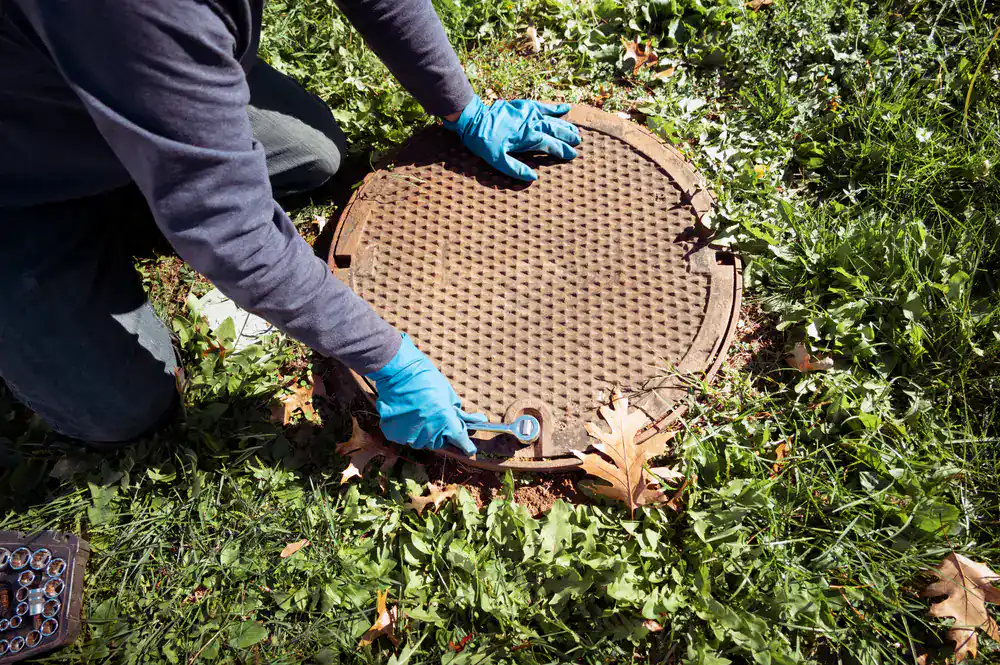
The old system has to be properly abandoned it can’t simply be left in the ground and ignored. Proper abandonment means the existing cesspool or septic tank is pumped out completely, then either crushed in place or filled with clean material to prevent future collapse. The abandonment process is documented and reported as part of the SCDHS registration requirement, so there’s a paper trail confirming it was handled correctly.
This matters for a few reasons specific to Southampton. First, older properties in the town particularly those built before 1970 sometimes have cesspools that aren’t clearly mapped or marked on any existing records. Part of the site assessment process involves locating the existing system before any design work happens. Second, for homeowners pursuing the Southampton Town CPF rebate, the documentation of proper abandonment is part of the submission package required to receive the rebate funds. It’s not a step that can be skipped or done informally. When we complete an installation, the abandonment documentation is included as part of the job not an add-on, not an afterthought.
Hear from Our Customers
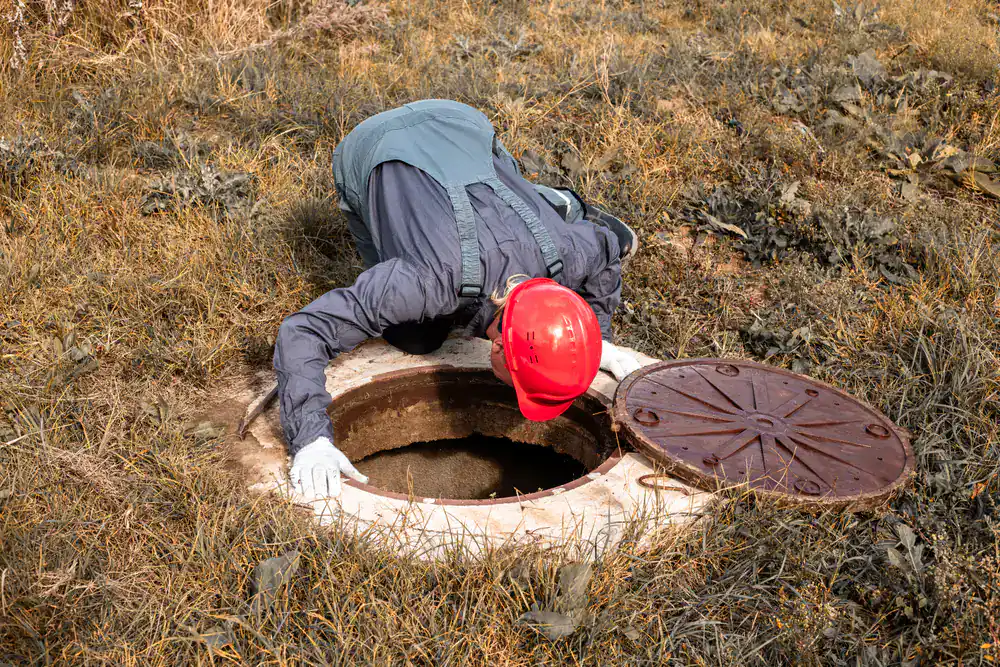
Southampton properties live a different life than most. A house that sat quiet all winter can go from empty to full in a single weekend once Memorial Day hits full kitchen, full bathrooms, guests staying over, and a septic system that was sized for a much simpler era absorbing all of it at once. That seasonal surge is one of the most common reasons systems fail on the South Fork, and it almost always happens at the worst possible time.
When your system is properly installed and sized for how your property actually functions today not how it was used in 1965 that summer pressure stops being a liability. A new I/A OWTS system handles the load, meets Suffolk County’s current requirements under Article 6, and in many cases satisfies Southampton Town’s own Chapter 123 mandate for properties in High Priority Areas of the town’s Water Quality Improvement Project Plan.
Beyond compliance, there’s a practical financial reality here. Southampton’s property values are significant, and a non-compliant or failing system discovered during a real estate transaction can derail a closing or trigger a major renegotiation. Getting ahead of it with a properly permitted, fully documented installation protects the asset, not just the plumbing.
Drastic Drainage Long Island is a family-owned and operated company based in West Babylon, serving all of Nassau and Suffolk Counties. We bring over 30 years of hands-on experience with Long Island’s specific conditions the sandy, high-water-table soil of the South Fork, the SCDHS permit process, and the regulatory layers that have reshaped this industry since Suffolk County banned new cesspool-only installations in 2019.
Southampton’s regulatory environment is more complex than most of the county. Between Article 6, the town’s own I/A OWTS mandate for High Priority Areas near Shinnecock Bay and the Peconic Estuary, and the multi-step grant application process, there’s a lot that can go wrong if your contractor doesn’t know the local picture. We do.
We’re available 24 hours a day, seven days a week. When a system fails on a Sunday evening in July right before a full house of summer guests a real person answers the phone and gives you a real timeline, not a voicemail.
The process starts with a site assessment. Before any design or pricing conversation happens, the property needs to be evaluated soil conditions, existing system location, lot layout, and where your property falls on Southampton Town’s WQIPP priority area map. That last step matters specifically here: whether your property is in a Medium or High Priority Area affects which systems are required, what permits are needed, and which grant and rebate programs you’re eligible for.
Once the site picture is clear, the permitting process begins. In Suffolk County, the SCDHS application must be filed and approved before any installation work starts and if you’re applying for the Suffolk County Septic Improvement Program grant, that application also needs to be approved before the first shovel goes in the ground. Southampton Town’s Community Preservation Fund rebate, which can add up to $25,000 on top of the county and state grant funding, is submitted after installation is complete. Knowing the sequence matters, because applying in the wrong order means losing money you’re entitled to.
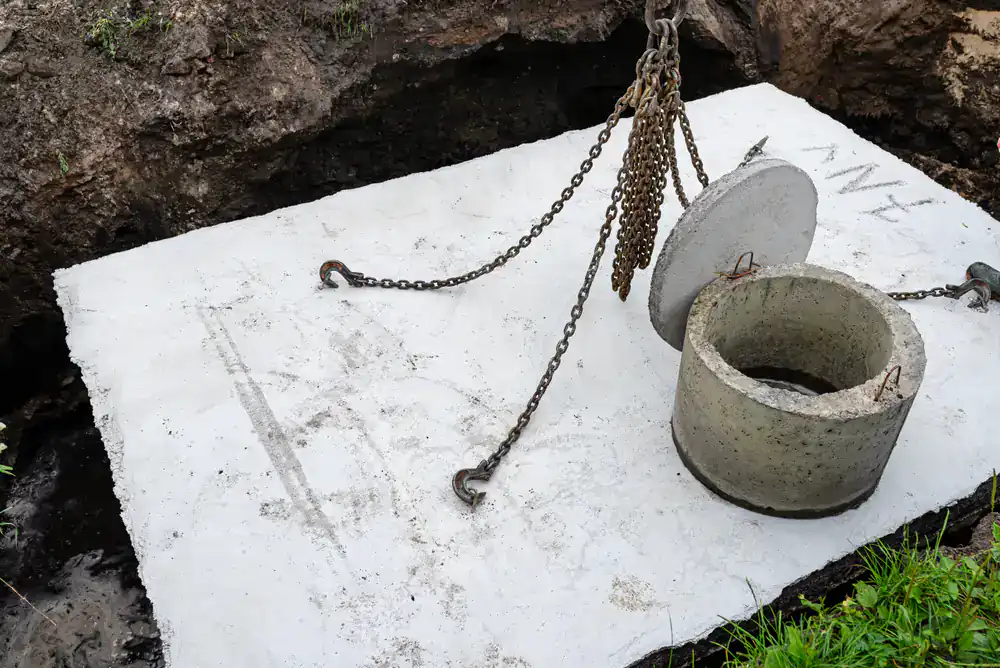
Once permits are in hand, most residential installations are completed in one to three days of active work. Our crew handles excavation, installation, proper abandonment of the old system, and site cleanup. After installation, we coordinate the SCDHS final inspection and provide the documentation you’ll need for the town rebate submission.

Ready to get started?
Southampton homeowners sit at the intersection of three separate funding sources that most of Long Island doesn’t have access to simultaneously. The Suffolk County Septic Improvement Program can provide up to $25,000 in combined state and county grant funding for a qualifying I/A OWTS installation. On top of that, Southampton Town’s own rebate program through the Community Preservation Fund offers up to $25,000 more with an additional $5,000 available to lower-income applicants. For remaining costs, CDCLI offers a low-interest loan at 3% over 15 years. That’s a substantial amount of available funding, but it only flows if the contractor is on the SIP Approved Installer list, the county grant is approved before work begins, and the town rebate application is submitted within one year of SCDHS final approval.
We handle the full scope of a septic installation site assessment, soil evaluation, SCDHS permit filing, excavation, I/A OWTS installation, proper abandonment of the existing system, final inspection coordination, and post-installation documentation. There are no subcontractors handed a partial job and no gaps in accountability between the permit phase and the installation phase.
For Southampton properties near Shinnecock Bay or within the Peconic Estuary contributing area, the Peconic Estuary Partnership also offers up to $500 per year in reimbursement when you renew your I/A OWTS operations and maintenance contract a smaller but real ongoing benefit worth knowing about.
