
By submitting you consent to receive service-related texts from Drastic Drainage. Reply STOP to opt out. Msg & data rates may apply. Consent not required to book service.
Useful Links
Nesconset was built out mostly between the 1960s and 1990s. That means the cesspool buried in your yard was likely installed around the same time your house was — and cesspools are designed to last 20 to 40 years. If your Nesconset home was built in 1972, that system is now over 50 years old. It may still be functioning, but functioning and healthy are two very different things.
The soil in Nesconset is sandy, which is characteristic of Long Island’s glacial geology. Sandy soil drains quickly, so you may not see any obvious signs of trouble in your yard even when a system is well past its limit. What that fast-draining soil also does is reduce natural filtration — meaning anything that escapes a failing cesspool reaches groundwater faster here than it would in areas with denser soil.
Gibbs Pond sits within Nesconset. The Lake Ronkonkoma watershed runs along the southern edge of town. These aren’t distant environmental concerns — they’re your neighbors’ drinking water and yours. Getting a professional assessment gives you a real picture of where your system stands. Not a guess, not a worst-case scenario designed to scare you into a replacement — just an honest evaluation of what’s down there and what it needs.
For most Nesconset homes, every two to three years is a reasonable baseline — but the real answer depends on your household size, how old the system is, and how it was originally built. A three-bedroom home with four or five people generates significantly more wastewater than the same house with two. And if you or someone in your household works from home, which is common in Nesconset given the large telecommuter population, your system is handling water usage throughout the day rather than just mornings and evenings. That continuous load accelerates fill rates more than most homeowners expect.
Nesconset’s sandy soil also plays a role. Fast-draining soil can mask the early signs of a system that’s struggling — you won’t necessarily see a wet yard or smell anything outside until the problem is already advanced. Routine pumping on a consistent schedule is the most reliable way to stay ahead of it, rather than waiting for a symptom to appear.
The clearest signs are slow drains throughout the house — not just one fixture, but multiple — gurgling sounds in the pipes, sewage odors coming from drains or from outside near the system, and soft or unusually wet ground above where the cesspool is buried. Any one of these warrants a call. More than one happening at the same time means you should call the same day.
In Nesconset specifically, spring is a season to watch. Seasonal groundwater rise in the Nissequogue River watershed area — which includes parts of Smithtown and Nesconset — can temporarily reduce a cesspool’s absorption capacity. A system that was managing fine through the winter can show stress symptoms in March or April simply because the water table has risen. If you notice slow drains or odors after a heavy rain or during the spring thaw, that’s not a coincidence. It’s your system telling you it needs attention.
Yes. Suffolk County requires cesspool and septic system owners to have their systems professionally inspected every three years and submit the inspection report to the county. This isn’t optional, and it’s a requirement that many homeowners aren’t aware of or have fallen behind on. If you’ve owned your Nesconset home for several years and haven’t had a formal inspection completed and documented, you may already be out of compliance.
Beyond the legal requirement, the three-year inspection cycle is genuinely useful. It gives you a current picture of your system’s condition, catches problems before they become emergencies, and creates a documented service history — which matters significantly when it comes time to sell. In a market where Nesconset homes are valued between $692,000 and $870,000, a clean, documented inspection history is a real asset at the negotiating table.
Free, no-obligation estimates on cesspool, sewer, and drain work.
We get there quickly. No waiting days for a callback.
Backups don’t wait for business hours. Neither do we.
Fully licensed and insured across Long Island.
Up-to-date trucks and tools for cleaner, faster jobs.
Straight quotes, no surprises on the bill.
Hear from Our Customers
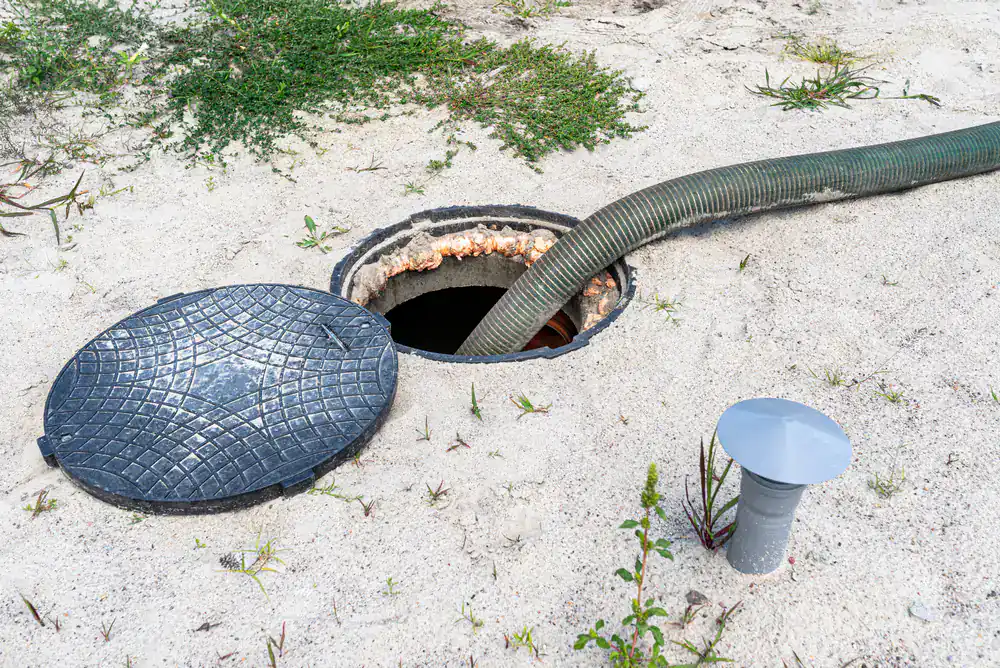
Nesconset was built out mostly between the 1960s and 1990s. That means the cesspool buried in your yard was likely installed around the same time your house was — and cesspools are designed to last 20 to 40 years. If your Nesconset home was built in 1972, that system is now over 50 years old. It may still be functioning, but functioning and healthy are two very different things.
The soil in Nesconset is sandy, which is characteristic of Long Island’s glacial geology. Sandy soil drains quickly, so you may not see any obvious signs of trouble in your yard even when a system is well past its limit. What that fast-draining soil also does is reduce natural filtration — meaning anything that escapes a failing cesspool reaches groundwater faster here than it would in areas with denser soil.
Gibbs Pond sits within Nesconset. The Lake Ronkonkoma watershed runs along the southern edge of town. These aren’t distant environmental concerns — they’re your neighbors’ drinking water and yours. Getting a professional assessment gives you a real picture of where your system stands. Not a guess, not a worst-case scenario designed to scare you into a replacement — just an honest evaluation of what’s down there and what it needs.
We’ve been doing this work across Nassau and Suffolk County for over 30 years. That’s not a number to pad a headline — it means we’ve seen the full range of what Long Island cesspools look like: the combination systems, the modified leaching pools, the old installations with no visible access point, and everything in between.
The streets off Gibbs Pond Road in Nesconset are a good example — some of the earliest residential development in the hamlet, with infrastructure to match. We know these neighborhoods and the systems buried beneath them.
We’re licensed (LW-63684), insured, and bonded. Suffolk County requires specific licensing under Article VII for any cesspool service company operating here, and that license number is verifiable — not a vague claim. When you call, a real person answers. When our crew shows up, we explain what we found and what it means before any work begins. Free estimates, no surprises on the invoice.
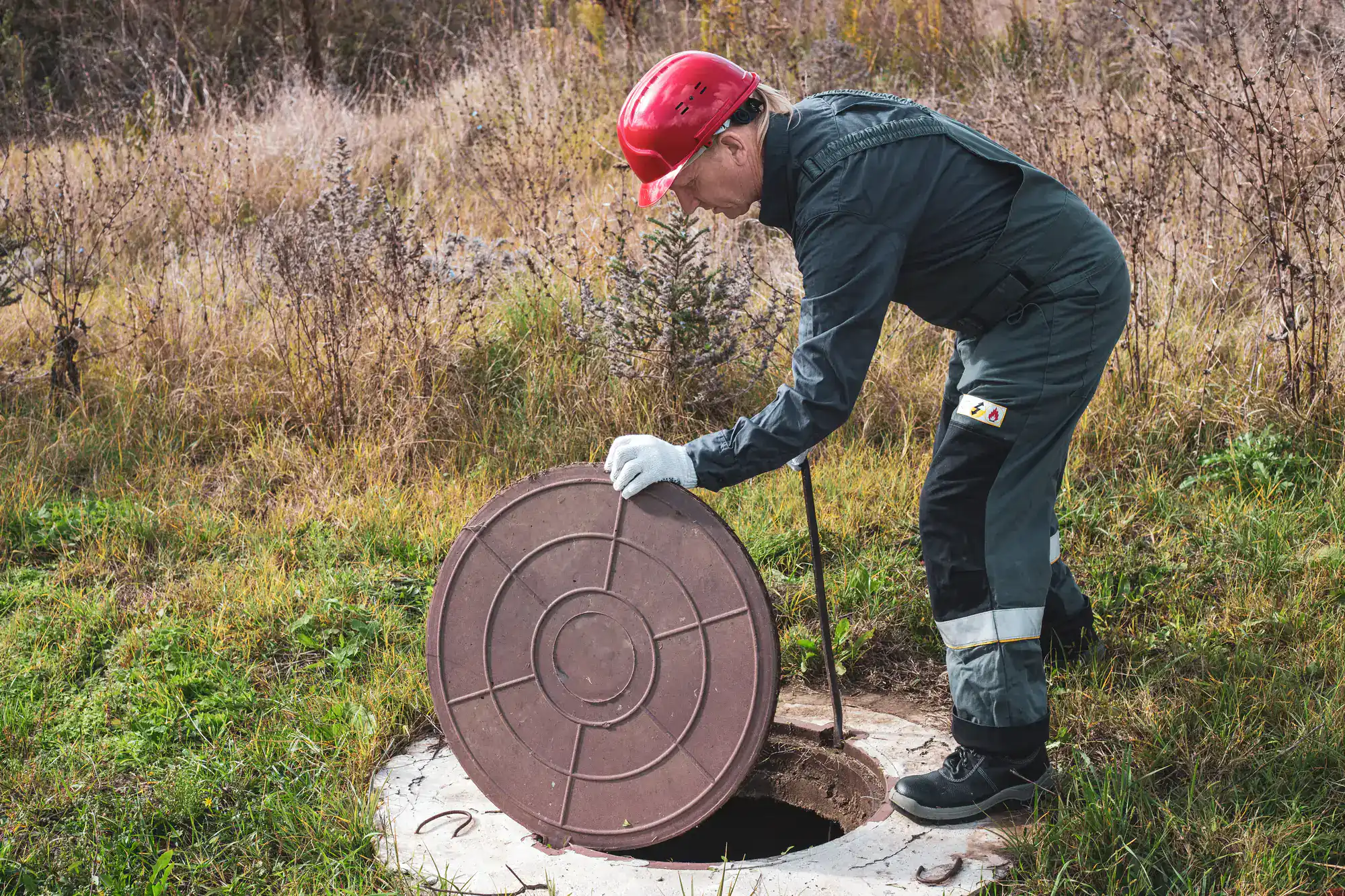
It starts with a phone call — and an actual person picks up. You describe what you’re seeing: slow drains, an odor outside, a wet patch in the yard, or maybe nothing obvious at all and you just know it’s been years since anyone looked at the system. From there, we schedule a visit and provide a free estimate before any work begins.
On-site, the first step is locating the system if there’s no visible access point. This is more common than most people realize in Nesconset — older homes along the Gibbs Pond Road corridor and surrounding streets sometimes have cesspools with covers buried under years of landscaping. Once access is established, a waterproof camera goes into the line before any digging happens. That inspection tells our technician exactly what’s going on underground: buildup, structural issues, absorption problems, or a system that’s simply overdue for a routine pump-out.
Targeted, accurate, no unnecessary excavation. If it’s a routine cleaning, the pump-out is completed the same visit. If there’s a repair need, you get a clear explanation of what was found, what it means, and what the options are — including, where applicable, information about the Town of Smithtown’s Residential Septic Improvement Program and county and state grant programs that may offset a significant portion of replacement costs. For emergencies, our 24-hour line means service is available when you need it, not just during business hours.

Ready to get started?
Most homes in Nesconset don’t have a single, simple cesspool — they have a combination of components that were installed, modified, or added to over decades. A conventional cesspool from 1968, a leaching pool added in the 1980s, a drywell somewhere in the yard. We handle all of it: cesspool cleaning and pumping, leaching pool service, drywell cleaning, video pipe inspection, cesspool location, main sewage line cleaning and replacement, storm drain cleaning, house trap replacements, and real estate certifications.
That last one matters a lot in Nesconset. With median home values between $692,000 and $870,000, a cesspool that fails inspection before a closing can kill a deal or force a last-minute price negotiation that costs far more than the service call would have. We provide the detailed inspections and documentation required for property transfers in Suffolk County — handled in-house, with the regulatory knowledge to meet closing deadlines.
It’s also worth knowing that Suffolk County banned new conventional cesspool installations in 2019. If your system fails and needs full replacement, it must be replaced with an Innovative and Alternative onsite wastewater treatment system — not another cesspool. The good news for Nesconset homeowners is that the Town of Smithtown, Suffolk County, and New York State all offer grant programs that, when stacked, can cover up to $45,000 of a qualifying replacement. Most residents don’t know that number exists. We do, and can walk you through it.
