
The standard "every 3–5 years" answer doesn't hold up in Montauk. Here's what actually determines your pumping schedule on the East End.
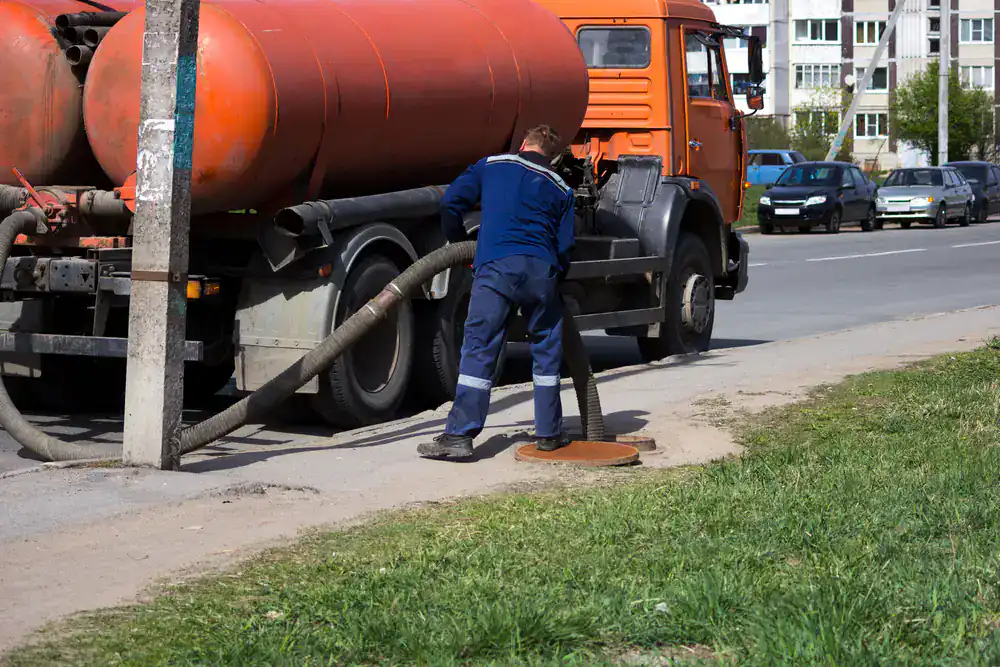
If you’ve searched this question before, you’ve probably landed on something that says “every three to five years” and called it a day. That number comes from a national EPA guideline, and while it’s not wrong everywhere, it’s the wrong answer for most Montauk properties. The East End has its own set of conditions, older systems, seasonal rental traffic, coastal proximity, and Suffolk County regulations that don’t apply the same way they do in the rest of the country. Let’s actually answer the question, with the specifics that matter here.
The “every 3–5 years” recommendation is a national average built around a year-round household with a modern septic system. Most Montauk properties are neither of those things. Many homes out here were built as seasonal cottages long before current wastewater regulations existed, and a significant number still run on older single-chamber cesspools, no septic tank, no treatment stage, just a buried concrete structure collecting everything your household sends down the drain.
That distinction matters because single-chamber cesspools fill faster and need pumping more frequently than modern septic systems. For most Suffolk County households with this type of system, the realistic interval is closer to every one to two years, not three to five. Add in Montauk’s specific usage patterns, and that window can compress further.
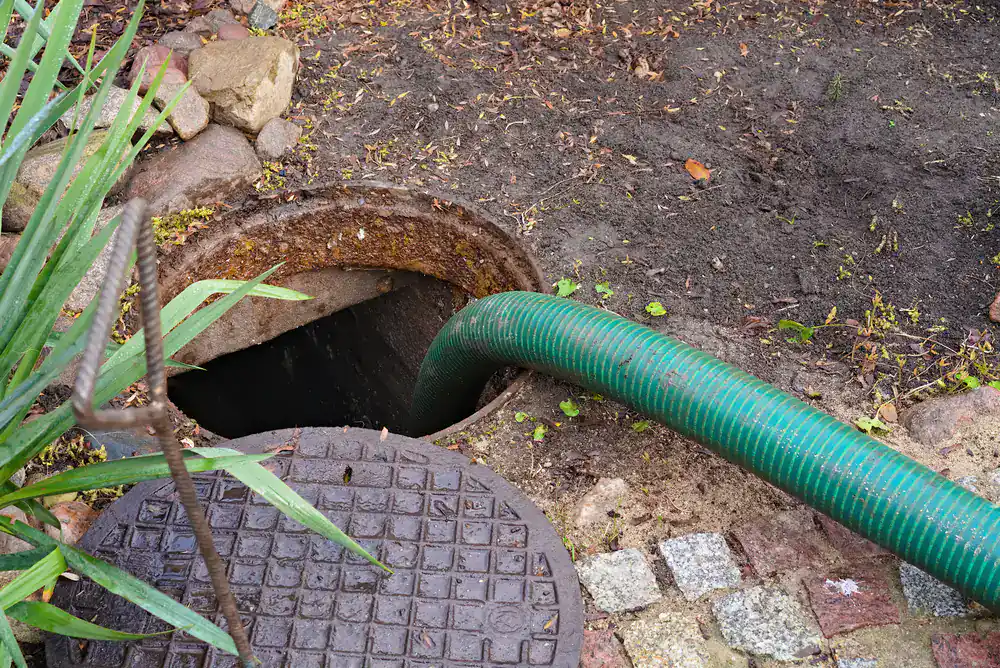
Here’s the scenario that comes up constantly on the East End: a property sits mostly empty from October through May, then absorbs eight to ten weeks of heavy summer rental traffic, guests every weekend, sometimes back-to-back bookings, a house that was sized for two or three people now hosting eight to twelve at a time. The calendar says the system is only two years old since its last pump-out. The actual usage tells a completely different story.
Cesspool pumping schedules are really about cumulative load, not calendar time. A system that handles 200 person-nights of summer rental traffic in a compressed window can reach the same fill level as a year-round household would hit in two or three years, and it can do it before Labor Day. If you’re renting your Montauk property through the summer and haven’t had the system serviced since before the season started, there’s a real chance it’s already working harder than you think.
The practical approach for rental property owners is straightforward: get the system pumped in late spring, before your first tenants arrive. That gives you a clean baseline at the start of the season and reduces the risk of a backup during a paid booking, which is exactly the kind of situation that’s expensive, disruptive, and avoidable. If your rental season runs long or you have unusually heavy occupancy, a second service call in early fall isn’t overkill.
This is also worth thinking about if you manage your Montauk property remotely. A cesspool problem doesn’t announce itself with much warning. By the time a tenant calls you about slow drains or a smell in the yard, the system is already in distress. Preventive pumping before the season costs far less (in money, time, and stress) than an emergency call on a Saturday in August.
This is one of the most common situations we run into on the East End. Someone buys an older Montauk home (maybe a cottage that’s changed hands a few times, maybe a property that’s been in the same family for decades) and there are simply no cesspool service records anywhere. No receipts, no documentation, nothing from the previous owners.
If that’s your situation, the answer isn’t to guess and hope for the best. The answer is to treat the system as overdue and get it inspected. Suffolk County has required cesspool service providers to report pumping activity to the Suffolk County Department of Health Services since 2018, but for older properties, records before that date are often incomplete or nonexistent. You can’t rely on county records to fill the gap.
An inspection gives you a real picture of what you’re working with, how full the system is, whether there are any structural concerns, and what the appropriate service interval looks like going forward. For properties near Montauk’s shoreline or within the Peconic Bay watershed, that inspection is especially important. These areas fall under Article 6 of the Suffolk County Sanitary Code, which gives the Suffolk County Department of Health Services authority to require system improvements in high-priority environmental zones, particularly during property transfers. If you’re buying or selling a home in one of these areas, cesspool documentation isn’t optional; it’s something buyers’ attorneys will ask for, and a gap in records can become a negotiating issue at closing.
Starting fresh with a documented service also protects you going forward. Every time we pump a system, you get written documentation of the service. In Suffolk County, that paperwork matters, for compliance, for real estate transactions, and simply for knowing where you stand.
Want live answers?
Connect with a Drastic Drainage expert for fast, friendly support.
These two terms get used interchangeably, but they’re not the same service. Pumping removes the liquid waste and the floating solids sitting at the top of the tank. Cleaning goes further. It breaks up and removes the hardened sludge that settles at the bottom and builds up along the walls over time, and it includes a structural inspection of the system itself.
A pump-out is appropriate for routine maintenance when the system is being serviced on schedule. Cleaning is more appropriate when a system has gone several years without service, when you don’t know the service history, or when there are signs that the system is underperforming. For many Montauk properties we service, the right call isn’t immediately obvious until we actually look at the system.
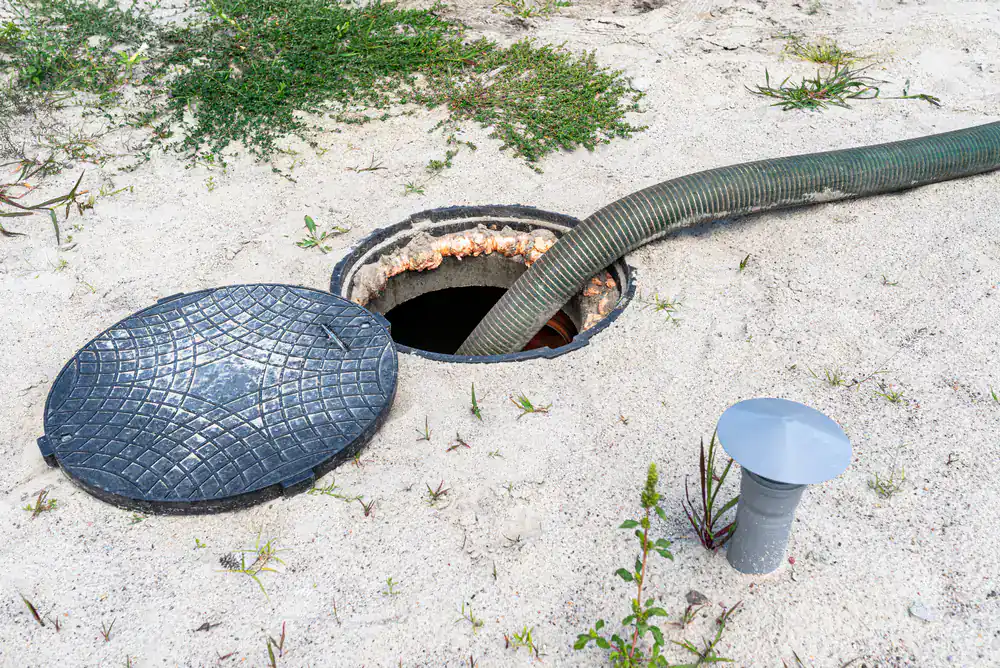
The most important thing to understand about cesspool warning signs is that by the time they’re visible, the system is already under stress. Slow drains, gurgling sounds in your pipes, sewage odors in the yard, or wet patches of grass over where the cesspool is buried, these aren’t early warnings. They’re the system telling you it’s been overdue for a while.
Slow drainage that affects multiple fixtures at once (not just one sink or toilet, but several throughout the house) is a strong indicator that the cesspool is approaching capacity. A persistent odor near the cesspool area, especially after rain, suggests the system may be leaching effluent closer to the surface than it should be. Unusually green or fast-growing grass over the cesspool can mean the same thing.
For Montauk properties, there’s one additional factor worth mentioning: nor’easters and heavy coastal storms. When significant rain events hit the East End, groundwater levels rise, and that groundwater can intrude into older cesspool structures, effectively filling the system from the outside in. If you’ve come through a major storm and your drains are running slowly, it may not be a usage issue at all. It may be groundwater intrusion, and the fix is the same either way: the system needs to be pumped.
If you’re seeing any of these signs, don’t wait to see if they resolve on their own. They won’t.
Suffolk County has been tightening its cesspool regulations steadily over the past several years, and Montauk sits in one of the areas where those regulations carry the most weight. Since July 2019, Suffolk County has banned the replacement of failed cesspools with new cesspools, if your system fails and needs to be replaced, you’re required to install an Innovative/Alternative Onsite Wastewater Treatment System, commonly called an I/A OWTS. These systems are more effective at reducing nitrogen pollution, which is the primary environmental driver behind the county’s regulatory shift. They’re also significantly more expensive than a simple cesspool replacement.
This is the single strongest financial argument for regular cesspool pumping: a system that’s properly maintained is far less likely to fail prematurely. The cost of routine pumping is a fraction of what you’d spend on a forced system replacement.
For properties in Montauk specifically, the stakes are higher than they are in most of western Suffolk County. The area’s proximity to the South Shore Estuary Reserve and the Peconic Bay watershed puts many East End properties in Article 6 high-priority zones. In these zones, the Suffolk County Department of Health Services has authority to require system upgrades during property transfers, meaning a cesspool that’s been limping along without maintenance could become a mandatory replacement issue the moment you try to sell. The county also tracks cesspool maintenance records, and buyers in this market do their due diligence.
None of this means you’re required to replace your cesspool today. Existing systems can continue operating with proper maintenance. But “proper maintenance” in this context means regular pumping, documented service records, and a system that’s actually functioning the way it should, not one that’s years overdue and showing early signs of failure. Staying current with your pumping schedule is the most straightforward way to stay on the right side of Suffolk County’s regulations without getting caught off guard.
The honest answer to “how often do I need cesspool pumping in Montauk?” is: it depends, but probably more often than the national guideline suggests. For most East End households, every two to three years is the realistic baseline. For rental properties with heavy summer occupancy, pre-season pumping every year is the smarter approach. For homes with no service history, the right first step is an inspection to establish where you actually stand.
What doesn’t change is the value of staying ahead of it. A system that’s maintained on schedule costs far less to service than one that’s been ignored until something goes wrong, and in Suffolk County, a failed system means a mandatory upgrade that runs well into five figures.
We’ve spent over 30 years working specifically on Long Island cesspools and drainage systems, and we’ve seen every variation of this situation across Suffolk County. If you’re not sure where your system stands, or if it’s simply been too long since the last service, reach out to Drastic Drainage Long Island and we’ll give you a straight answer about what your system needs.
Summary:
Article details:
Share:
