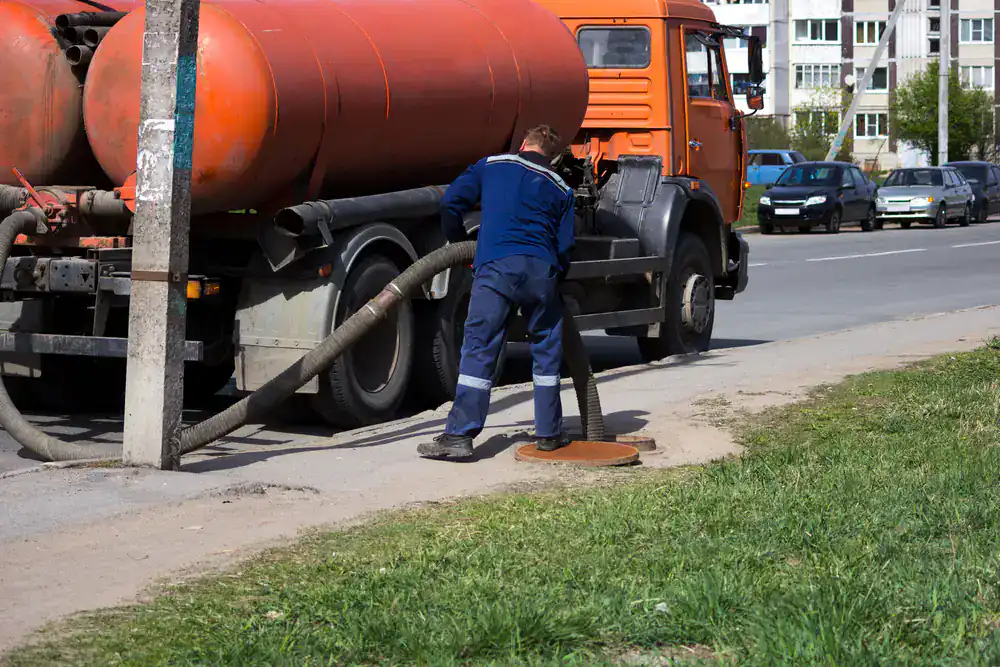
If you own a home in East Hampton and aren't sure when — or why — to pump your septic system, this guide covers everything that actually matters.

If your East Hampton home has a septic system, there’s a good chance you don’t think about it much — until you have to. A slow drain, a faint smell near the yard, a soggy patch of grass that wasn’t there last week. By the time those signs appear, the system has usually been struggling for a while.
This guide is for homeowners who want real answers before it gets to that point. We’ll walk through how septic pumping works, how often you actually need it out here on the East End, what Suffolk County’s rules mean for you, and what separates a proper pump-out from one that just kicks the problem down the road.
A septic system works by separating waste into layers. Solids sink to the bottom of the tank as sludge, grease and lighter material float to the top as scum, and the liquid in the middle flows out to the leach field. Pumping removes those accumulated solids before they build up enough to overflow into the drain field — which is where the real damage happens.
Once solids reach the drain field, you’re no longer talking about a pump-out. You’re talking about a repair or full replacement. That distinction matters a lot more in Suffolk County than it does in most other places, and we’ll get into exactly why in a moment.
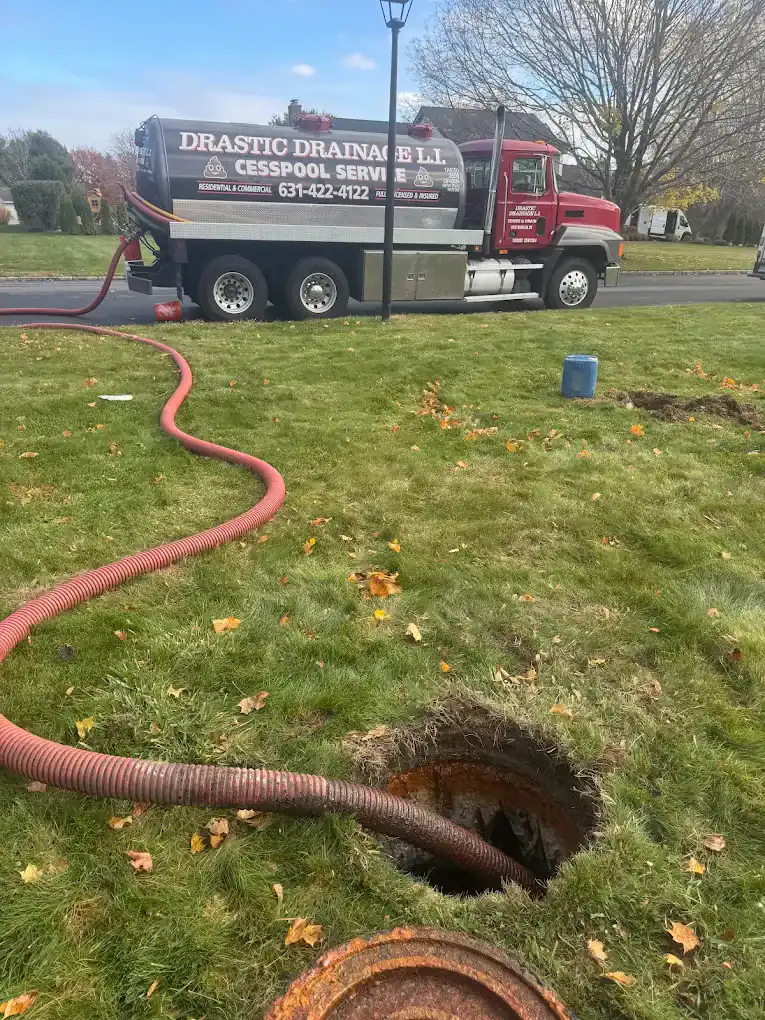
The EPA’s general recommendation is every three to five years, but that range was written for a national audience. Out here in Suffolk County, the reality is different — and most experienced septic professionals will tell you the same thing.
Families of four typically need their systems pumped every two years, not five. Older cesspool designs, higher-than-average household water use, and Long Island’s highly permeable sandy soils all factor into that shorter interval. If your home has a garbage disposal, or if you tend toward heavier water use — long showers, frequent laundry, a dishwasher running daily — annual pumping may be worth considering.
For East Hampton homeowners specifically, there’s another variable that most general guidance ignores entirely: seasonal use. A system sized for a year-round family of four behaves very differently when it’s sitting idle for eight months and then hosting a full house every weekend from Memorial Day to Labor Day. That kind of surge use — multiple guests, extra showers, more water running through everything at once — can push a borderline system to its limit in a matter of days.
If you rent your property in the summer, or if you have extended family staying for weeks at a time, your pumping schedule should reflect that reality, not the national average. If you’re not sure when your system was last pumped, or if you’ve recently bought the property and have no records, schedule a service now. Guessing is a gamble that’s gotten more expensive in Suffolk County than it used to be.
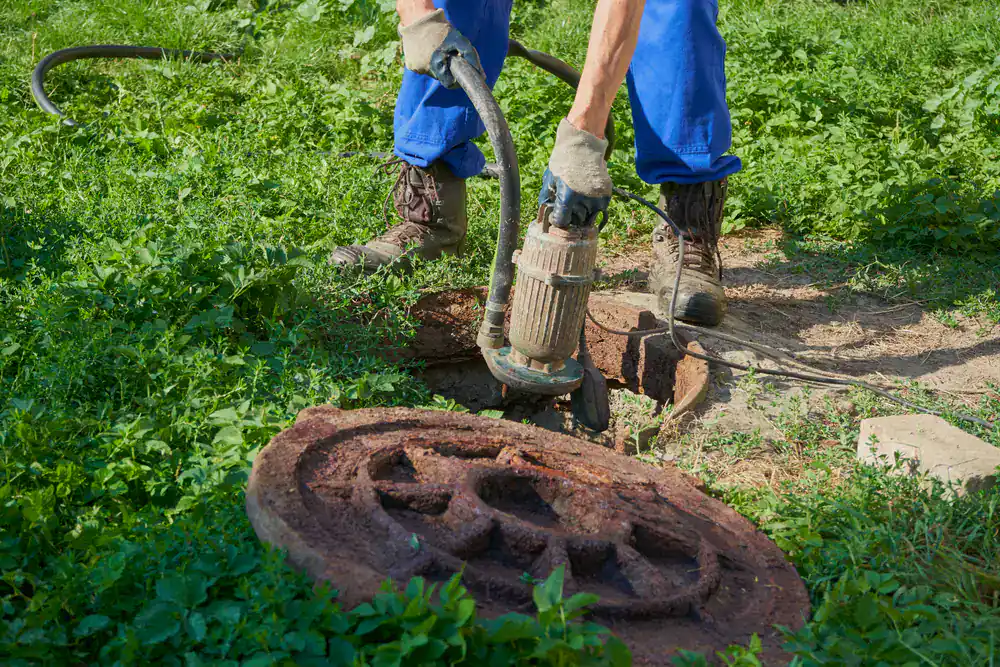
A standard residential pump-out takes about 30 to 60 minutes. We locate the tank, open the access port, and use a vacuum truck to remove everything inside — liquid waste, accumulated sludge, and floating scum. The key word there is everything. A proper pump-out is a full evacuation, not a partial one that removes the easy liquid and leaves the sludge layer behind.
Partial pumping is a real and documented problem in this industry. It looks like a completed job, it generates a receipt, and it fails to actually solve anything because the solids that cause system stress are still sitting at the bottom of the tank. If you’ve ever had a pump-out done and found yourself calling again sooner than expected, that’s worth asking about.
During the pump-out, we also inspect what’s visible inside the tank — the baffles, the inlet and outlet pipes, and the general condition of the structure. This isn’t an add-on; it’s part of doing the job right. Catching a cracked baffle or a deteriorating inlet pipe during a routine service call costs a fraction of what it costs to deal with the same problem after it’s caused a backup or a drain field failure.
One thing we hear fairly often from East Hampton homeowners, especially those who’ve inherited a property or bought a home that’s changed hands a few times: they don’t know where the tank is. No records, no diagram, no idea. That’s not a reason to put off service. We’ve been locating hard-to-find systems across Long Island for over 30 years, and we use electronic locating equipment when records don’t exist or aren’t reliable. It’s a solvable problem — and a common one in older East End housing stock.
Want live answers?
Connect with a Drastic Drainage expert for fast, friendly support.
This is the part of the conversation that most homeowners haven’t fully processed yet — even six years after the rule change took effect.
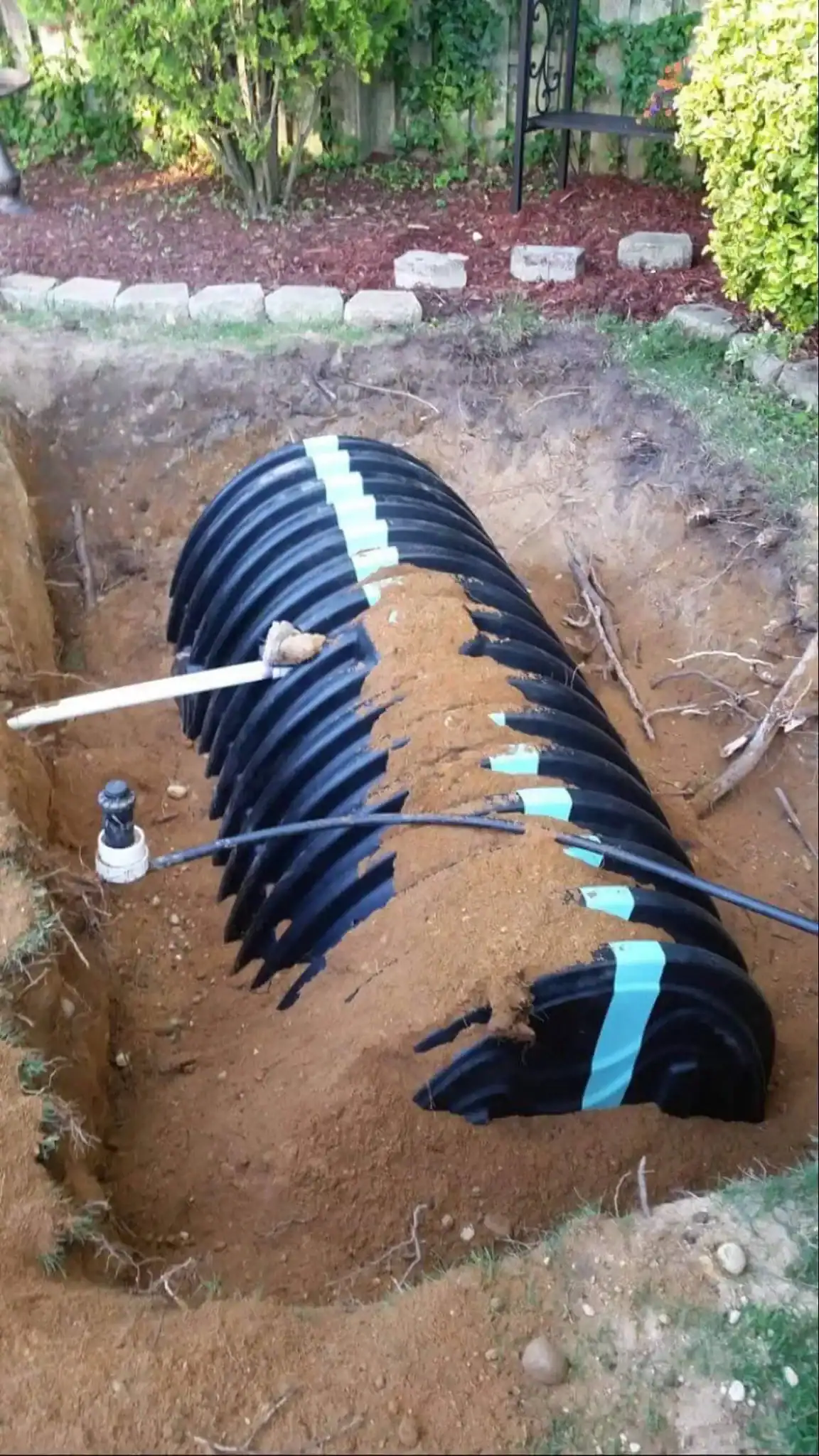
Since July 1, 2019, Suffolk County has prohibited replacing a failing cesspool with another cesspool. Full stop. If your system fails today, the replacement must meet modern standards — at minimum a septic tank plus a leaching structure, and in many cases a full Innovative and Alternative nitrogen-removing system. That changes the math on deferred maintenance in a very significant way.
Before 2019, a failing cesspool replacement in Suffolk County typically ran a few thousand dollars. Today, a full Innovative and Alternative onsite wastewater treatment system — the kind that’s now required in many replacement scenarios — costs approximately $25,000 on average, plus engineering and design fees. Some installations run higher depending on the property and soil conditions.
To put that in plain terms: routine septic pumping costs $300 to $600. Done every two to three years, a homeowner who stays current on maintenance spends somewhere in the range of $2,000 to $3,000 over 20 years. A homeowner who skips pumping, lets the system degrade, and faces a mandatory replacement at year 12 is looking at a bill that can reach $19,000 to $25,000 in a single event — before grants.
The grant programs are real and worth knowing about. As of mid-2025, Suffolk County homeowners may be eligible for combined state and county grants of up to $45,000 toward installing a qualifying nitrogen-reducing system. The Town of East Hampton also runs its own Septic Incentive Program, which can add up to $20,000 on top of that for properties in a Water Protection District, or up to $15,000 for other qualifying properties. That’s meaningful money — but grants aren’t guaranteed, the application process takes time, and they don’t cover the disruption, the landscaping restoration, or the stress of dealing with a failed system on an emergency timeline.
The smarter play is to keep the system you have functioning properly for as long as possible, and to make any upgrade decisions on your own schedule rather than under pressure.
Yes — more than most sellers expect, and more than most buyers realize until they’re already in the process.
East Hampton is a high-value real estate market. Buyers at this price point are represented by experienced attorneys and inspectors who look closely at septic and cesspool documentation. Missing pump records, undocumented systems, or evidence of a neglected system can delay a closing, trigger a price renegotiation, or in some cases derail a deal entirely. Since July 2018, Suffolk County has also required that all pumping and replacement activities be reported to the Department of Health Services — which means there’s a paper trail, and gaps in that trail are visible.
If you’re thinking about selling your East Hampton property, or if you’ve recently listed it, the time to address your septic system is before the inspection process begins — not during it. A current pump-out receipt and a clean service record are simple, inexpensive documentation that removes one more variable from what’s already a complicated transaction.
There’s also a broader environmental context worth understanding. Long Island sits over a sole-source aquifer — the only drinking water supply for the entire island, with no municipal grid as a backup. Roughly 70 percent of the nitrogen entering the Great South Bay comes from cesspools and septic systems through groundwater. That nitrogen loading has caused harmful algae blooms, fish kills, and restrictions on shellfishing that affect the quality of life across South Shore communities.
East Hampton adopted its own nitrogen-reduction mandates — stricter than the county minimum — effective January 1, 2018, for new construction and substantial expansions. This isn’t abstract environmental policy. It’s the reason the regulatory environment here is what it is, and it’s why routine maintenance carries more weight in Suffolk County than almost anywhere else in New York.
If you don’t know when your system was last pumped, that’s your answer. Schedule it now, before the summer season pushes your system to its limits, before a real estate transaction puts you on a deadline, and before a small problem becomes a five-figure repair.
The fundamentals aren’t complicated: pump on a regular schedule, pay attention to early warning signs, keep your service records, and understand what the current Suffolk County rules mean for your specific situation. What’s complicated is doing all of that while also managing a property, possibly renting it seasonally, and navigating a regulatory environment that’s changed significantly in the last few years.
That’s where having a team you can actually trust makes a difference. We’ve been handling septic and cesspool work across Long Island for over 30 years — locally owned, upfront on pricing, and available 24/7 for emergencies every day of the year. If you have questions about your system, or you’re ready to schedule service, give us a call.
Summary:
Article details:
Share: